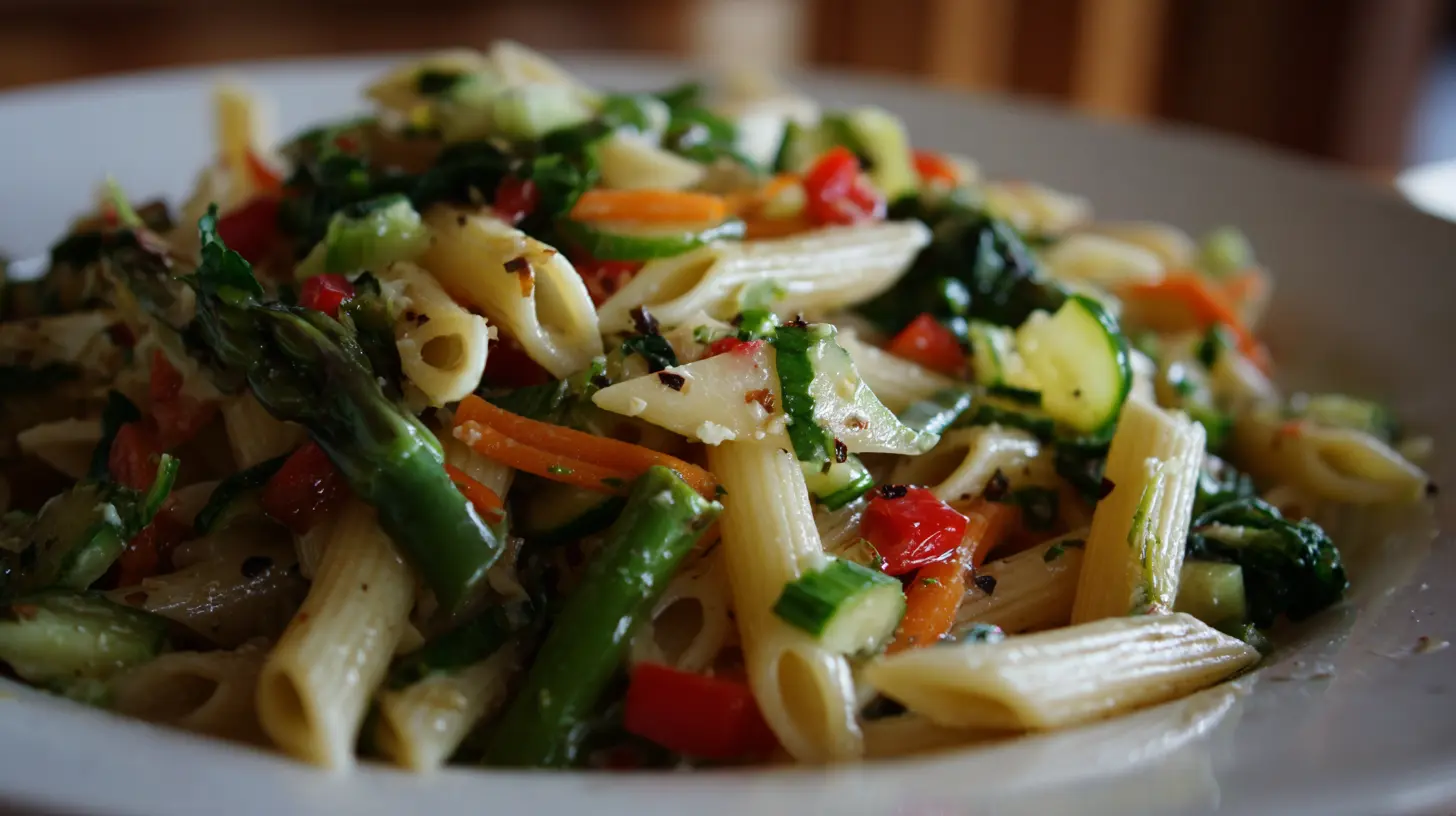
Perfect Pasta Primavera
Learn to make a delicious Pasta Primavera in just 30 minutes!
Pasta
Broccoli
Bell Peppers
Cherry Tomatoes
Parmesan Cheese
Garlic
Chop the cherry tomatoes into halves.
Cut the broccoli into small florets.
Slice the bell peppers into thin strips.
Cook the pasta according to package instructions.
Mince the garlic cloves.
Sauté the garlic, bell peppers, broccoli, and cherry tomatoes.
Sprinkle Parmesan cheese on top before serving.
Why This Pasta Primavera Will Become Your Go-To Spring Dinner
Have you ever wondered why restaurant pasta dishes taste so much brighter and more satisfying than the ones you make at home? The secret isn’t a special ingredient—it’s knowing how to handle fresh vegetables and timing. This Pasta Primavera brings together tender pasta and crisp spring vegetables in a light, garlicky sauce that tastes like sunshine on a plate. Preparing it at home saves you money, lets you control the vegetables, and takes only 30 minutes from start to finish. Whether you follow a classic Primavera pasta recipe or adapt it with what you have in your fridge, this dish delivers restaurant-quality results without the price tag.
—
Ingredients & Kitchen Tools
For the Pasta Primavera:
– 12 oz pasta – Penne, fettuccine, or spaghetti work well. Short shapes hold vegetables better.
– 2 tbsp olive oil – Extra virgin adds the best flavor for sautéing.
– 3 cloves garlic, minced – Fresh garlic is essential; jarred garlic lacks brightness.
– 1 medium zucchini – Cut into half-moons for even cooking.
– 1 yellow squash – Similar size to zucchini for uniform texture.
– 1 red bell pepper – Thin strips add sweetness and color.
– 1 cup cherry tomatoes – Halved; they burst during cooking.
– 1 cup broccoli florets – Small pieces ensure quick tenderizing.
– 1/2 cup frozen peas – No need to thaw; add directly to the pan.
– 1/4 cup grated Parmesan – Freshly grated melts better than pre-shredded.
– Salt and black pepper – To taste.
– Red pepper flakes (optional) – For gentle heat.
– Fresh basil or parsley – For garnish.
Kitchen Tools:
– Large pot for boiling pasta
– Colander
– Large skillet or sauté pan
– Chef’s knife and cutting board
– Wooden spoon or tongs
– Measuring spoons and cups
Optional Substitutions:
– Gluten-free pasta – Use rice or chickpea-based pasta; adjust cooking time.
– Dairy-free – Omit Parmesan or use nutritional yeast.
– Protein addition – Add grilled chicken or chickpeas for a heartier meal.
—
Prep Time & Cooking Schedule
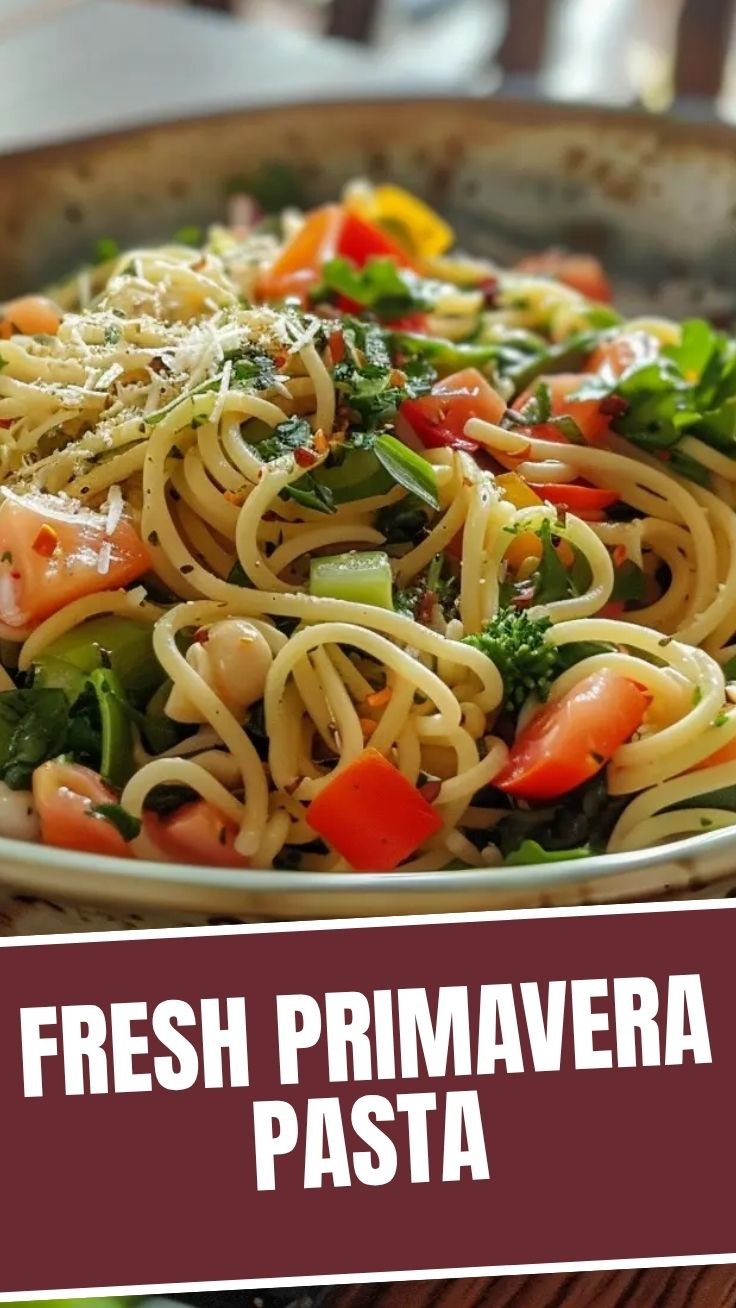
– Prep time: 10 minutes (washing, chopping, mincing)
– Cook time: 15–18 minutes
– Total time: Approximately 25–30 minutes
– Resting time: None required; serve immediately for best texture
This recipe moves quickly, so have all your vegetables chopped and ready before you start boiling water. The pasta and vegetables finish at nearly the same time, making this ideal for busy weeknights.
—
Step-by-Step Instructions
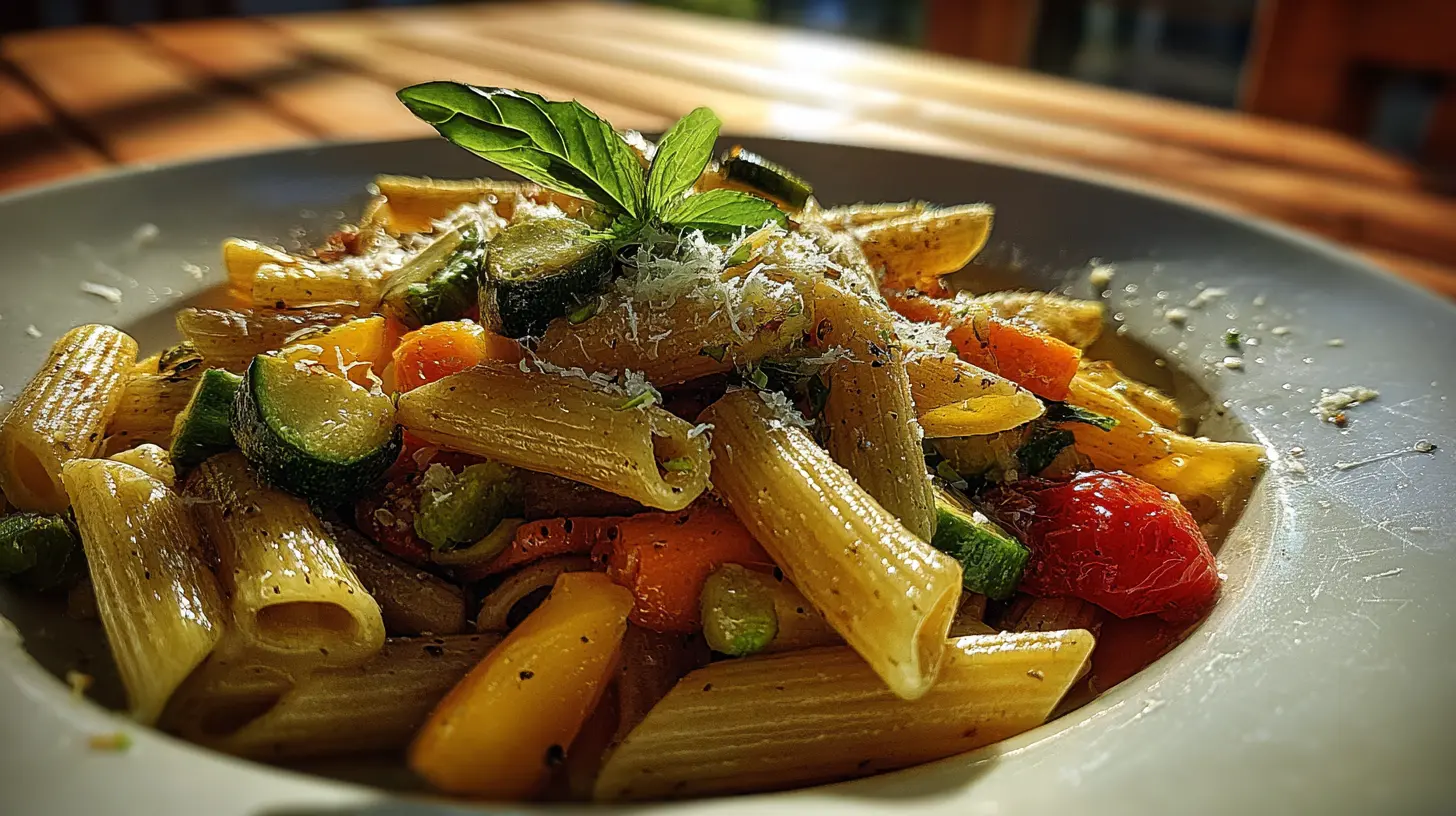
1. Bring a large pot of salted water to a rolling boil. Use about 1 tablespoon of salt per 4 quarts of water—this seasons the pasta from the inside out. Add your pasta and cook according to package directions until al dente. Reserve 1 cup of pasta water before draining.
2. While the pasta cooks, heat olive oil in a large skillet over medium-high heat. Add the minced garlic and cook for 30 seconds until fragrant. Be careful not to burn the garlic—it turns bitter quickly.
3. Add the zucchini, yellow squash, and bell pepper to the skillet. Sauté for 3–4 minutes until they begin to soften but still have a slight crunch. The vegetables should be tender-crisp, not mushy.
4. Stir in the broccoli florets and cherry tomatoes. Cook for another 2 minutes. The tomatoes should start to soften and release their juices.
5. Add the frozen peas and drained pasta directly to the skillet. Toss everything together gently. If the mixture seems dry, add reserved pasta water 1/4 cup at a time until the sauce lightly coats the pasta.
6. Season with salt, black pepper, and red pepper flakes if using. Remove from heat. This Pasta Primavera is best when the vegetables remain vibrant and slightly firm.
7. Sprinkle Parmesan cheese over the top and toss once more. Garnish with fresh basil or parsley. If you’re following a Primavera pasta recipe for the first time, taste and adjust seasoning before serving. The cheese adds saltiness, so go easy on the salt initially.
8. Serve immediately in warm bowls. Leftovers are good, but the vegetables lose some texture upon reheating.
—
Nutritional Benefits & Advantages
This dish is packed with vitamins, fiber, and antioxidants. Zucchini and yellow squash provide vitamin C and potassium, while bell peppers deliver more than 100% of your daily vitamin A needs. Broccoli adds fiber and sulforaphane, a compound linked to reduced inflammation. Peas contribute plant-based protein and iron. Olive oil supplies heart-healthy monounsaturated fats, and Parmesan offers calcium and protein. At roughly 350–400 calories per serving (without extra protein), this is a satisfying, nutrient-dense meal that supports energy and digestion without weighing you down.
—
Tips, Variations & Cooking Advice
Flavor variations:
– Add a squeeze of lemon juice before serving for brightness.
– Toss with pesto instead of olive oil for a basil-forward twist.
– Stir in cooked shrimp or shredded rotisserie chicken for protein.
Dietary adaptations:
– Gluten-free: Use your favorite gluten-free pasta; cook until just tender.
– Dairy-free: Use vegan Parmesan or a sprinkle of toasted pine nuts for creaminess.
– Low-carb: Replace pasta with spiralized zucchini or spaghetti squash.
Cooking method alternatives:
– One-pan method: Cook pasta directly in the skillet with 2 cups of broth; add vegetables halfway through.
– Roasted vegetables: Toss vegetables with oil and roast at 425°F for 15 minutes before mixing with pasta.
Portion changes: Double the vegetables and reduce pasta to 8 oz for a veggie-forward version.
—
Common Mistakes to Avoid
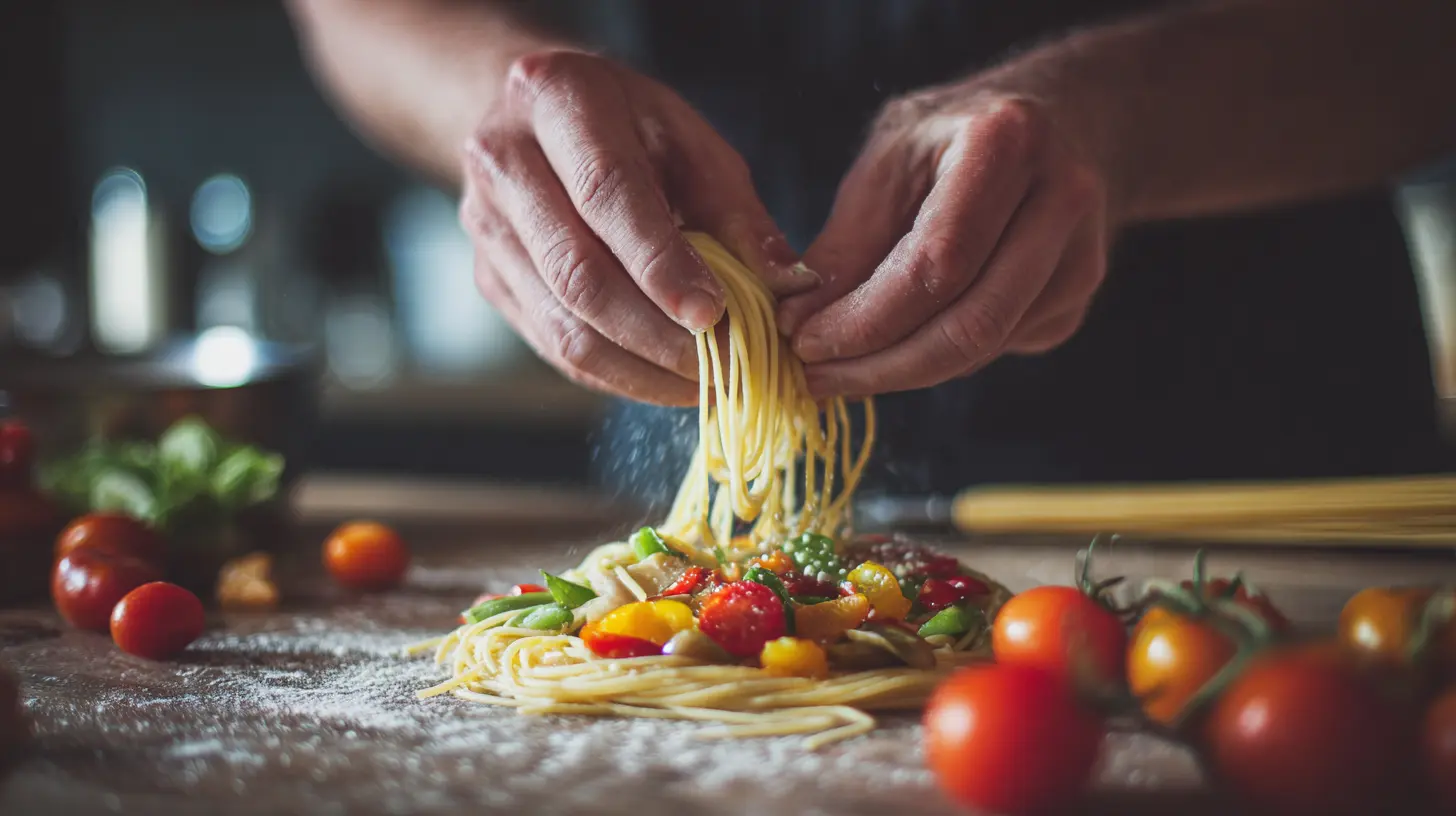
– Overcooking vegetables: Mushy vegetables ruin the dish. Cook them just until tender-crisp—they should still have bite.
– Undersalting the pasta water: Pasta absorbs water; if the water isn’t salty, the noodles will taste bland. Use coarse sea salt generously.
– Skipping the pasta water: The starchy water binds the sauce and helps it cling to the pasta. Always reserve some before draining.
– Using pre-grated Parmesan: Pre-shredded cheese contains anti-caking agents that prevent smooth melting. Grate it fresh for silky texture.
– Adding vegetables too early: Heartier vegetables like broccoli should go in after softer ones like zucchini to ensure even doneness.
—
Storage & Meal Prep Tips
– Refrigeration: Store leftovers in an airtight container for up to 3 days. The vegetables will soften further, so don’t expect the same fresh crunch.
– Freezing: Not recommended—vegetables become watery and mushy upon thawing. If you must freeze, undercook the vegetables slightly.
– Reheating: Warm in a skillet over medium heat with a splash of water or broth to restore moisture. Microwaving works but may make vegetables limp.
– Meal prep: Chop vegetables up to 2 days ahead and store separately. Cook pasta fresh for best results.
—
Conclusion
This Pasta Primavera proves that simple, fresh ingredients create the most satisfying meals when handled with care. By cooking vegetables to tender-crisp perfection and using pasta water to build a light sauce, you achieve a dish that rivals any restaurant version. Whether you follow this Primavera pasta recipe exactly or adapt it with seasonal produce, the results are vibrant, nutritious, and deeply comforting. Try it tonight—your dinner routine will thank you.
—
FAQs
1. Can I use dried herbs instead of fresh?
Yes, but reduce amounts by half. Dried basil and oregano work well, but add them while cooking to release their flavors.
2. What if I don’t have all the vegetables listed?
Feel free to substitute with asparagus, green beans, or mushrooms. The key is to keep the total vegetable volume similar and adjust cooking times for density.
3. How do I prevent the pasta from sticking together?
Toss drained pasta immediately with a drizzle of olive oil if you’re not adding it to the skillet right away. Also, reserving pasta water helps keep the sauce loose.
4. Can I make this ahead for a party?
It’s best served fresh, but you can par-cook vegetables and pasta separately, then combine and reheat with a splash of broth just before serving.
5. Why is my sauce watery?
Overcooked vegetables release excess water. Cook them on high heat to evaporate moisture quickly, and avoid adding too much pasta water at once.
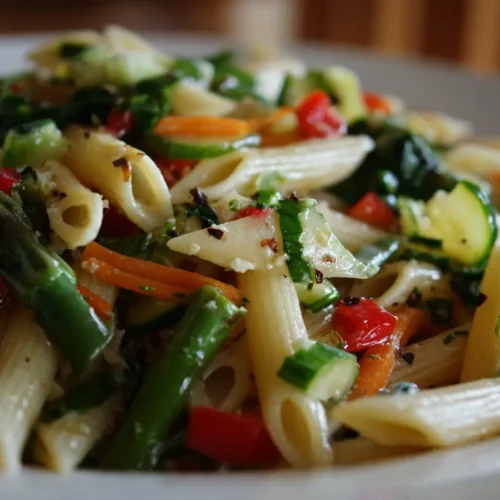
Best way to grow a perfect Pasta Primavera in 30 minutes
Equipment
- Large pot
- Large skillet
Ingredients
Pasta
- 200 g Spaghetti
Vegetables
- 1 cup Broccoli florets
- 1 cup Cherry tomatoes, halved
- 1 Zucchini, thinly sliced
- 1 Bell pepper, thinly sliced any color
Sauce
- 2 tbsp Olive oil
- 2 cloves Garlic, minced
- 0.5 cup Vegetable broth
- 0.25 cup Parmesan cheese, grated
- 0.25 cup Fresh basil, chopped
- Salt to taste
- Black pepper to taste
Instructions
Cooking steps
- Cook spaghetti according to package directions in a large pot of salted boiling water until al dente. Reserve 1/2 cup of pasta water before draining.
- While pasta cooks, heat olive oil in a large skillet over medium heat and sauté minced garlic for 1 minute until fragrant.
- Add broccoli, cherry tomatoes, zucchini, and bell pepper to the skillet and cook for 5-7 minutes, until vegetables are tender-crisp.
- Add cooked and drained spaghetti to the skillet with the vegetables.
- Pour in vegetable broth and reserved pasta water, then stir in grated Parmesan cheese, fresh basil, salt, and black pepper.
- Toss everything together until well combined and the sauce lightly coats the pasta and vegetables. Serve immediately.