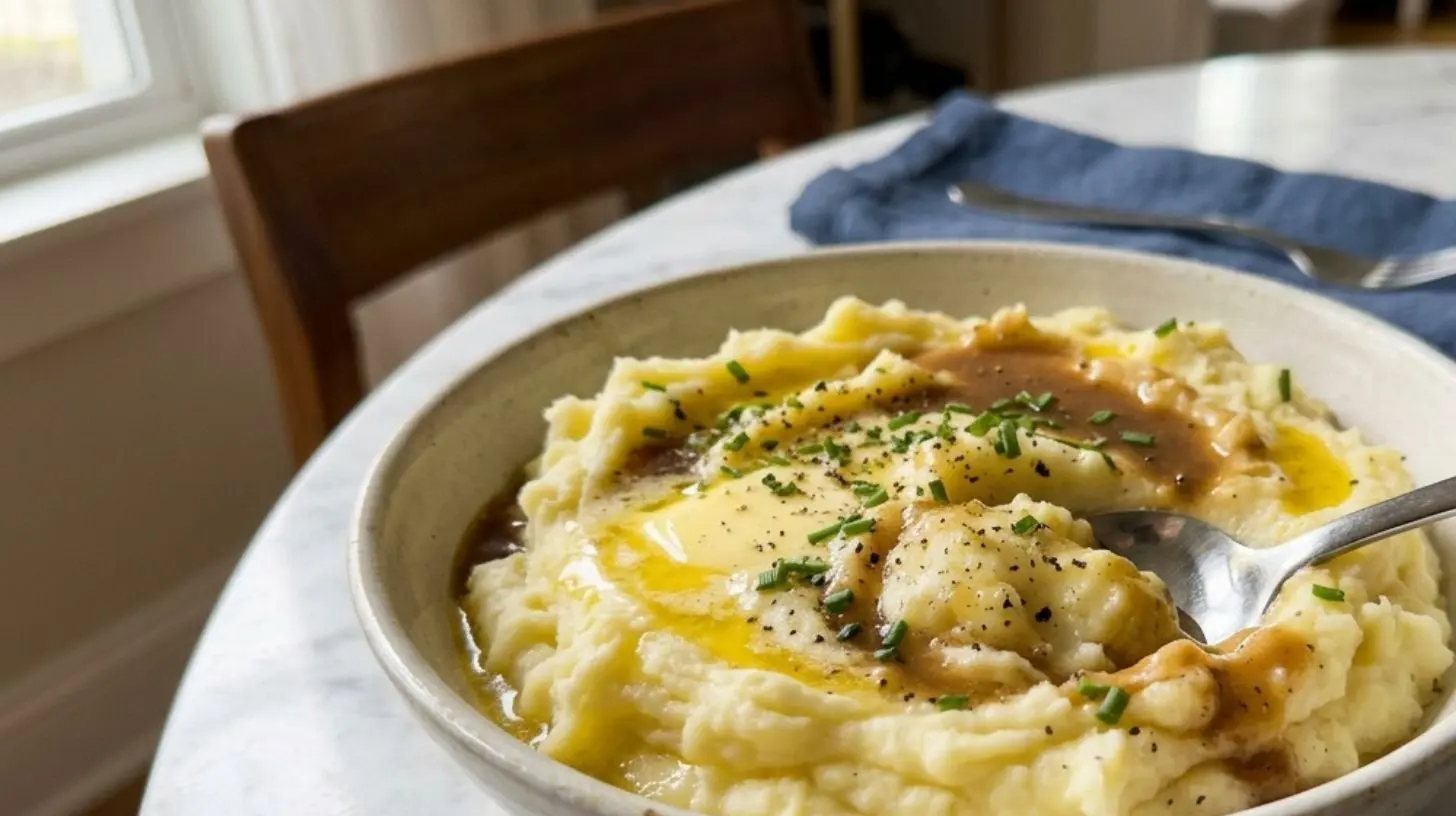
Quick way to grow 7 lbs of Mashed Potatoes
An easy recipe to make a large batch of mashed potatoes.
Potatoes
Butter
Milk
Salt
Pepper
Peel and chop the potatoes into small pieces.
Boil the potatoes in a pot of water until soft.
Add butter, milk, salt, and pepper to the pot.
Mash the potatoes until creamy and smooth.
The Ultimate Creamy Mashed Potatoes and Rich Gravy Recipe – A Homestyle Classic
Is there any comfort food more soul-satisfying than a generous helping of fluffy, buttery spuds swimming in a savory sauce? Whether you’re prepping a holiday feast or a cozy weeknight dinner, mastering this duo elevates any meal from ordinary to unforgettable. Preparing both from scratch lets you control the texture, salt level, and richness—something no store-bought version can match. In fact, the secret to the best mashed potatoes lies in choosing the right potato variety and handling them with care. Pair them with a velvety gravy made from drippings or broth, and you have a side dish that steals the show. Let’s dive into every detail so you can recreate this classic with confidence.
Ingredients & Kitchen Tools
For the Mashed Potatoes:
– 2 lbs (about 900 g) Yukon Gold or Russet potatoes – waxy golds yield creamier texture; russets give fluffier results.
– 4 tbsp unsalted butter – adds richness; use vegan butter for dairy-free.
– ½ cup whole milk or heavy cream – warm it before adding to avoid cooling the potatoes.
– 1 tsp salt (plus more for boiling water).
– ¼ tsp white or black pepper – white pepper blends invisibly.
– Optional: 2 cloves garlic (boiled with potatoes), ¼ cup sour cream, or 2 tbsp fresh chives.
For the Gravy:
– 3 tbsp butter or pan drippings.
– 3 tbsp all-purpose flour – or cornstarch for gluten-free.
– 2 cups chicken or beef broth – low-sodium recommended.
– Salt and pepper to taste.
– Optional: 1 tsp Worcestershire sauce, fresh thyme, or ¼ cup cream.
Kitchen Tools:
– Large pot for boiling, colander, potato masher or ricer, whisk, medium saucepan, measuring cups/spoons, and a serving bowl.
Prep Time & Cooking Schedule

– Prep Time: 15 minutes (peeling, chopping, measuring ingredients).
– Cook Time: 25–30 minutes (potatoes boil for 15–20 minutes, gravy cooks for 5–7 minutes).
– Resting Time: 5 minutes after mashing for flavors to meld.
Pro tip: Time your gravy so it finishes just as the potatoes are mashed. If making ahead, keep both warm in a covered dish over a simmering water bath or a low oven (200°F).
Step-by-Step Instructions
1. Prepare the potatoes. Peel and cut them into 1½-inch cubes. Place in a large pot, cover with cold water by 1 inch, and add 1 tablespoon salt. Bring to a boil, then reduce to a simmer. Cook until fork-tender, about 15–20 minutes.
2. Drain and dry. Drain the potatoes in a colander, then return them to the pot over low heat for 1–2 minutes to steam off excess moisture (this prevents watery mashed potatoes).
3. Mash or rice. For the smoothest texture, pass potatoes through a ricer or food mill. Alternatively, use a potato masher—avoid overworking or they’ll become gluey.
4. Add warm liquid. Warm the butter and milk/cream together until butter melts. Gradually pour into the potatoes while gently folding. Season with salt and pepper to taste.
5. Make the gravy. In a saucepan, melt butter over medium heat. Whisk in flour and cook for 1–2 minutes until golden. Slowly pour in broth while whisking continuously. Simmer until thickened, 3–4 minutes. Adjust seasoning and add optional flavorings.
6. Serve immediately. Spoon the mashed potatoes onto plates, create a well, and ladle gravy over the top. Garnish with chives or parsley if desired.
Nutritional Benefits & Advantages
Russet and Yukon Gold potatoes are excellent sources of potassium (more per serving than a banana), vitamin C, and fiber when the skin is included. The butter and milk add calcium and fat-soluble vitamins. When you make gravy from scratch, you control the sodium level—store-bought mixes often contain double the salt. For a lighter version, use olive oil instead of butter and low-sodium broth. This dish also adapts easily to a vegan diet (use plant-based butter and milk, and vegetable broth for the gravy).
Tips, Variations & Cooking Advice
– Flavor boosts: Roast garlic cloves with oil and mash them into the potatoes. Swap regular milk for buttermilk for a tangy twist.
– Dietary adaptations: For a dairy-free version, use oat milk and vegan butter. Gluten-free gravy can be made with cornstarch (1 tbsp per 1 cup broth, dissolved in cold water).
– Alternative methods: Try baked potatoes (scoop out flesh and mash) for a deeper, roasted flavor. For extra creamy results, use an electric mixer on low speed—just don’t overmix.
– Portion changes: This recipe serves 4–6. Double it for larger crowds; keep the liquid ratio the same.
Common Mistakes to Avoid
– Overboiling: Potatoes that fall apart absorb too much water, yielding thin mash. Check at 15 minutes.
– Cold liquid: Adding cold milk or butter causes lumpy, grainy potatoes. Always warm them first.
– Overmixing: A food processor or high-speed mixer develops starch and creates a gluey texture. Stick to a ricer or masher.
– Gravy lumps: Whisk flour into butter thoroughly before adding liquid, and pour broth slowly while whisking constantly.
– Skipping seasoning: Potatoes need well-salted water (like pasta) to be flavorful all the way through.
Storage & Meal Prep Tips
– Refrigerate: Leftover mashed potatoes keep in an airtight container for 3–4 days. Gravy stores separately for the same period.
– Freeze: Mashed potatoes freeze well for up to 3 months. Cool completely, spoon into freezer bags, and lay flat. Thaw overnight in the fridge. Gravy can be frozen in ice cube trays for quick portions.
– Reheat: For potatoes, add a splash of milk or cream and reheat in a saucepan over low heat, stirring frequently. Microwave in 30-second bursts, stirring in between. Reheat gravy in a small saucepan over medium-low heat, whisking until smooth.
Conclusion
Perfecting this classic side dish is all about technique and fresh ingredients. From choosing the right potato to nailing the mashed potatoes texture and building a rich gravy from scratch, each step adds up to a memorable meal. We hope this guide empowers you to whip up a batch any night of the week—not just on holidays. Try it with roasted chicken, meatloaf, or a hearty vegetable stew. Share your results in the comments or tag us in your photos; we love seeing your creations!
FAQs
1. Can I use red potatoes for mashed potatoes?
Yes, but they have less starch and more moisture, so the result will be denser and creamier. Reduce liquid slightly and avoid overmashing.
2. How do I fix thin or runny gravy?
Whisk in a slurry of 1 tablespoon cornstarch mixed with 2 tablespoons cold water. Simmer for 1–2 minutes until thickened. Alternatively, add a pat of butter and let it emulsify.
3. Why are my mashed potatoes gluey?
Overworking the potatoes—especially with a food processor or hand mixer on high speed—releases excess starch. Use a ricer or masher, and stop as soon as ingredients are combined.
4. Can I make the gravy without drippings?
Absolutely. Use butter and a good-quality broth. For a deeper flavor, add a splash of soy sauce or a teaspoon of tomato paste.
5. How can I keep mashed potatoes warm for a dinner party?
Transfer them to a heatproof bowl, cover with foil, and place over a pot of barely simmering water. Stir occasionally. You can also hold them in a slow cooker on the warm setting (stir in extra milk if they thicken).

Quick way to grow 7 lbs of Mashed Potatoes
Equipment
- Large pot
- Potato masher or electric mixer
Ingredients
Main Ingredients
- 7 lbs potatoes, peeled and quartered
- 1 cup unsalted butter
- 1.5 cups milk or cream, warmed
- 1 tablespoon salt
- 0.5 teaspoon black pepper
Instructions
Preparation
- Place the peeled and quartered potatoes in a large pot and cover with cold, salted water.
- Bring the water to a boil, then reduce heat and simmer until the potatoes are tender when pierced with a fork.
Mashing
- Drain the cooked potatoes thoroughly and return them to the empty pot or a large mixing bowl.
- Add the butter, warmed milk or cream, salt, and pepper to the potatoes.
- Mash the potatoes with a potato masher or an electric mixer until smooth and creamy, adjusting seasonings to taste.