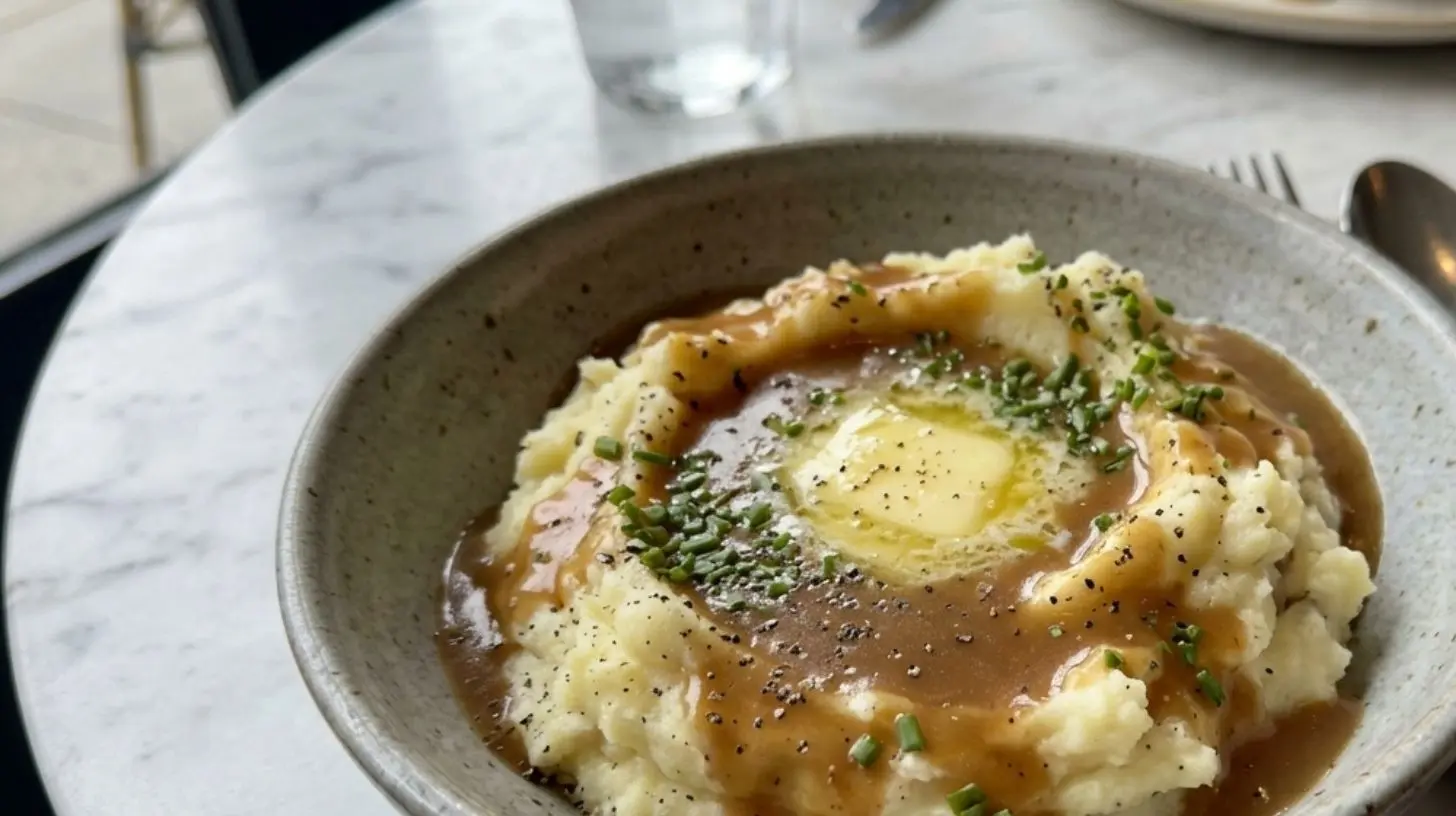
Proven way to grow perfect Mashed Potatoes
Learn how to make the best mashed potatoes!
Potatoes
Butter
Milk
Salt
Pepper
Peel and chop the potatoes.
Boil the potatoes until soft.
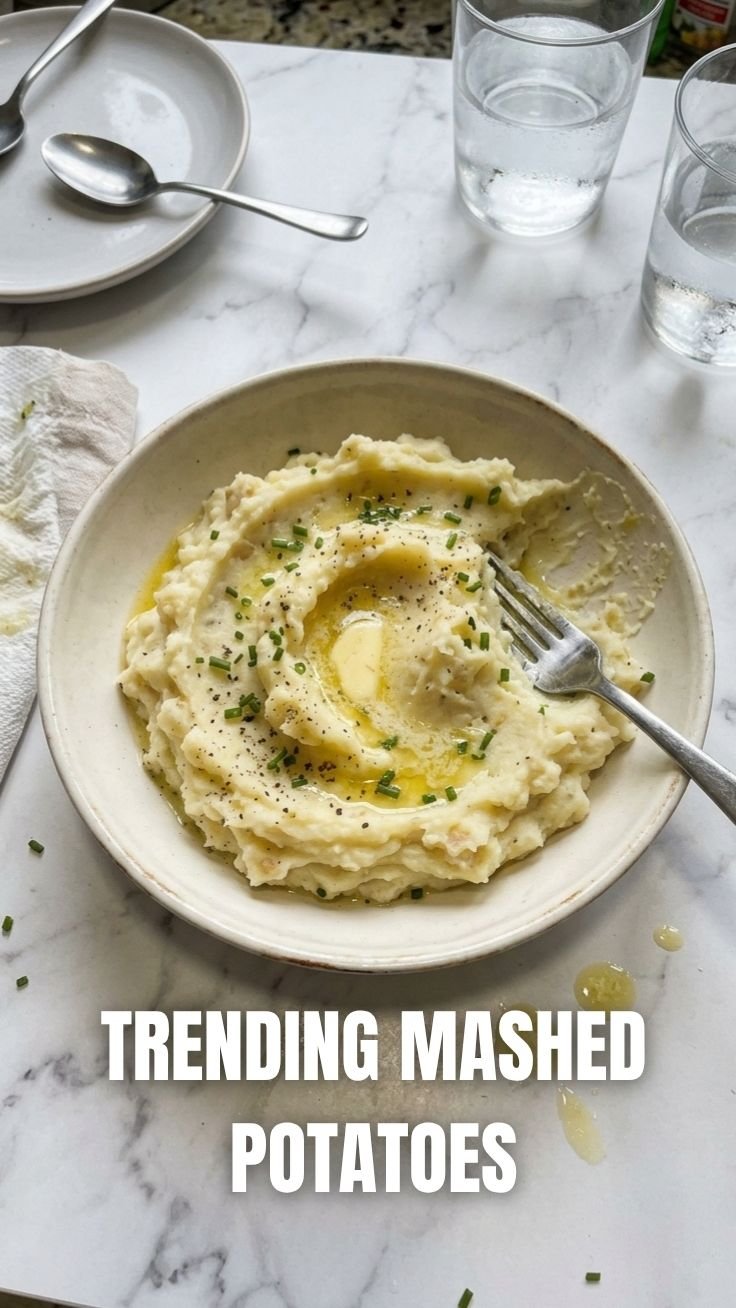
Mash the potatoes with butter, milk, salt, and pepper.
Mix until smooth and creamy.
Create Restaurant-Quality Comfort Food at Home: Step-by-Step Guide
There’s nothing quite like a scoop of creamy, buttery Mashed Potatoes draped in a silky, savory sauce. But have you ever wondered why restaurant versions taste so much better than the ones you make at home? The secret isn’t a fancy chef’s trick—it’s the right technique, the right tools, and a little patience. Preparing this classic duo from scratch not only saves you money but also lets you control every ingredient for a healthier, more flavorful result. In this guide, you’ll learn how to achieve velvety Mashed Potatoes and a rich, lump-free Gravy that will elevate any meal.
Ingredients & Kitchen Tools
For the Mashed Potatoes
– 2 lbs Yukon Gold potatoes (waxy, buttery texture) – avoid russets if you want less starchiness
– ½ cup whole milk or heavy cream (for richness; use oat milk for dairy-free)
– 4 tbsp unsalted butter (or vegan butter)
– 2 cloves garlic, minced (optional but recommended)
– Salt and white pepper to taste (white pepper avoids dark specks)
For the Gravy
– 2 tbsp pan drippings or unsalted butter
– 2 tbsp all-purpose flour (or gluten-free blend)
– 1½ cups low-sodium chicken or vegetable broth
– ¼ cup heavy cream (optional for creaminess)
– Fresh thyme sprigs (optional)
– Salt and black pepper to taste
Essential Tools
– Large pot for boiling
– Potato ricer or food mill (for silkiest texture) – a hand masher works too
– Whisk (for lump-free gravy)
– Measuring cups and spoons
– Fine-mesh strainer (if you want ultra-smooth gravy)
Optional Add-ins
– Roasted garlic, sour cream, cream cheese, or chives for the potatoes
– Mushrooms or caramelized onions for the gravy
Prep Time & Cooking Schedule
– Prep time: 15 minutes (peeling, chopping, measuring)
– Cook time: 25 minutes (boiling potatoes) + 10 minutes (mashing and finishing) + 15 minutes (gravy)
– Total time: about 1 hour
– Resting time: 5 minutes after mashing (allows butter to melt fully)
Plan to start the potatoes first, then prepare the gravy while they drain. This schedule ensures both components are hot and ready to serve simultaneously.
Step-by-Step Instructions
1. Prepare the potatoes. Peel and cut Yukon Golds into 2-inch even cubes. Rinse under cold water to remove excess starch—this prevents gummy Mashed Potatoes. Place in a large pot and cover with cold salted water (1 tbsp salt per quart).
2. Boil until fork-tender. Bring to a boil, then reduce to a gentle simmer. Cook for 15–20 minutes until a knife slides through easily. Drain well and return to the hot pot for 1 minute to evaporate excess moisture.
3. Rice the potatoes. Pass hot potatoes through a ricer into a large bowl. Add butter pieces and let them melt for 30 seconds. Pour warm milk over the top, then fold gently with a spatula—do not overmix or they become gluey. Season with salt and white pepper. Cover and keep warm.
4. Make the gravy. In the same pot, melt butter or heat pan drippings over medium heat. Whisk in flour and cook for 1 minute until golden. Slowly pour in broth while whisking constantly. Simmer for 5 minutes until thickened. Stir in cream, thyme, and adjust seasonings. For an ultra-smooth finish, strain through a fine-mesh sieve.
5. Serve immediately. Spoon a generous dollop of potatoes onto a plate, make a well in the center, and pour the warm Gravy over top. Garnish with fresh parsley or cracked black pepper.
Pro tip: For the fluffiest texture, never use a food processor or blender—the blades break starch cells and create a paste. Always warm your milk/cream before adding to keep the potatoes hot.
Nutritional Benefits & Advantages
A standard serving of mashed potatoes (with butter and milk) provides about 200 calories, 20g carbohydrates, and 6g fat. Potatoes are a surprising source of vitamin C (30% of daily needs per cup), potassium (more than a banana), and fiber if you leave the skin on. The Mashed Potatoes made with Yukon Golds have a lower glycemic index than russets. Meanwhile, the Gravy can be lightened by using broth instead of heavy cream and skimming fat from drippings. For a balanced plate, pair this dish with a lean protein and steamed vegetables—the potatoes act as a comfort food anchor without spiking blood sugar when eaten with fiber and protein.
Tips Variations & Cooking Advice
– Flavor twists: Add roasted garlic, horseradish, or chopped rosemary to the potatoes. For the gravy, stir in a splash of red wine or balsamic vinegar for depth.
– Dietary adaptations: Use unsweetened almond milk and vegan butter for dairy-free mashed potatoes. For gluten-free gravy, swap all-purpose flour with cornstarch (1 tbsp cornstarch + 2 tbsp cold water per cup of broth).
– Alternative cooking methods: Bake whole potatoes at 400°F for 60 minutes, then scoop and mash for a drier, more potato-forward flavor. For roasted smashed potatoes, preheat oven to 425°F and follow that link for a crispy twist.
– Portion changes: This recipe serves 4–6 comfortably. Halve or double easily—just maintain the 1:1 ratio of butter to milk for consistent creaminess.
Common Mistakes to Avoid
– Overcooking the potatoes: They absorb water and become waterlogged. Start checking at 12 minutes.
– Not draining well: Excess water dilutes the butter and milk. Pat with a clean towel if needed.
– Using cold dairy: Cold milk or butter cools the potatoes, forcing you to reheat and risk grittiness. Always warm them first.
– Lumpy gravy: Add liquid slowly while whisking vigorously. If lumps form, blend with an immersion blender or pass through a sieve.
– Too much salt: Start with less; you can always add more, but you can’t remove it.
Storage & Meal Prep Tips
Refrigerator: Store mashed potatoes and gravy separately in airtight containers for up to 3 days. Potatoes can be reheated in a covered dish at 350°F for 15 minutes (add a splash of milk). Gravy reheats best in a small saucepan over low heat, whisking to restore smoothness.
Freezer: Mashed potatoes freeze well for up to 3 months. Spoon into a freezer-safe bag, flatten, and seal. Thaw overnight in the fridge, then reheat as above. Avoid freezing gravy if it contains cream—it may separate. Instead, freeze the base (broth + flour) and add cream after reheating.
Meal prep tip: Make a double batch of potatoes on Sunday, then use leftovers for potato cakes, shepherd’s pie, or topping for a casserole later in the week.
Conclusion
Mastering the art of fluffy, buttery Mashed Potatoes and a flawless, velvety Gravy is simpler than you think. With the right technique—boiling, ricing, and gentle folding—you’ll never settle for instant mixes again. This recipe delivers consistent restaurant-quality comfort food right from your kitchen. Try it this weekend, and don’t forget to share your results or tag us in your creation. For more comforting sides and sauces, explore our other guides on creamy polenta, roast vegetables, and perfect holiday dishes.
FAQs
1. Can I use other potato varieties?
Yes. Russets give a fluffier, starchier mash (great for soaking up gravy). Waxy red or white potatoes produce denser, creamier results. Yukon Golds strike the best balance for all-purpose use.
2. My gravy turned out thin. How can I fix it?
Mix 1 tablespoon cornstarch with 2 tablespoons cold water (a slurry) and whisk it into the simmering gravy. Cook 1–2 minutes until thickened. Avoid adding more flour directly—it can cause lumps.
3. Can I make mashed potatoes without dairy?
Absolutely. Use unsalted chicken broth or vegetable broth plus olive oil or vegan butter. For creaminess, add a splash of full-fat coconut milk or blended silken tofu.
4. Why are my mashed potatoes gluey?
Overmixing or using a food processor releases too much starch. Switch to a potato ricer or hand masher, and fold just until ingredients are combined. Also avoid over-boiling.
5. How do I keep mashed potatoes warm without drying out?
Place them in a heatproof bowl set over a pot of barely simmering water, covered with a clean towel or plastic wrap. Stir occasionally and add a splash of warm milk if needed.
Proven way to grow perfect Mashed Potatoes
Equipment
- Large pot
- Colander
- Potato masher (or fork)
Ingredients
Main
- 2 lbs potatoes Yukon Gold or Russet
- 4 tbsp butter unsalted
- 0.5 cup milk warm
- 0.5 tsp salt
- 0.25 tsp black pepper
Instructions
Preparation
- Peel and cut the potatoes into 1-inch cubes.
- Place the potato cubes in a large pot and cover with cold water by about an inch; add a pinch of salt to the water.
Cooking
- Bring the water to a boil, then reduce heat and simmer until the potatoes are very tender, about 15-20 minutes.
- Drain the potatoes thoroughly in a colander.
Mashing
- Return the drained potatoes to the empty pot, then add butter, warm milk, salt, and pepper.
- Mash the potatoes with a potato masher or fork until smooth and creamy, or to your desired consistency.
Serving
- Serve the mashed potatoes immediately as a side dish.