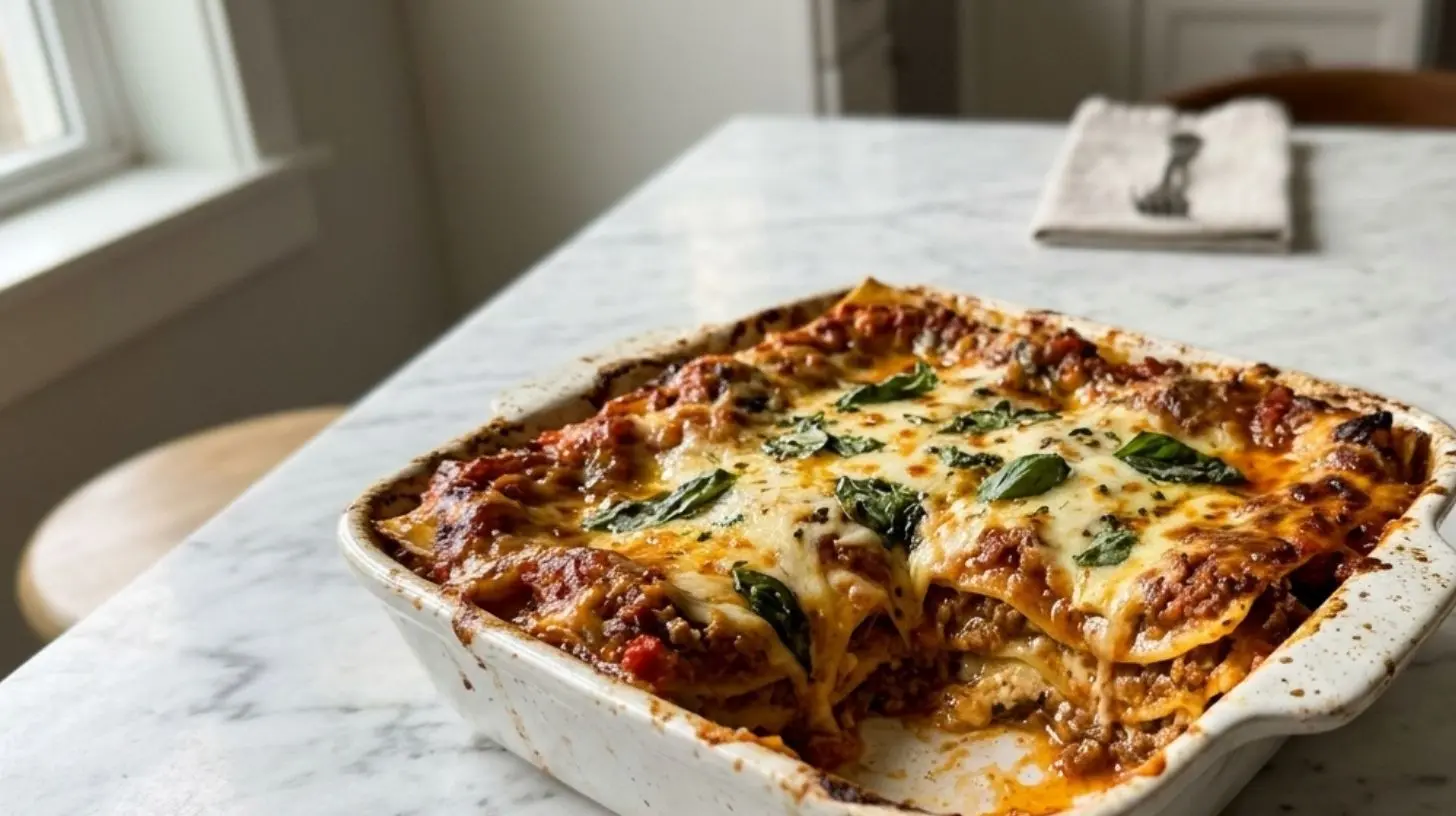
Best Way to Grow Lasagna
Learn how to make a delicious lasagna from scratch.
Ground Beef
Lasagna Noodles
Tomato Sauce
Cheese
Cook the ground beef in a skillet.
Boil the lasagna noodles until tender.
Layer tomato sauce on the bottom of a baking dish.
Add a layer of cheese on top of the tomato sauce.
The Ultimate Guide to Perfect Lasagna: Layers, Flavor, and Comfort in Every Bite
Have you ever pulled a bubbling, golden casserole from the oven, only to find the center still cold or the noodles glued together in a sad, overcooked slab? That’s the heartbreak of a poorly executed Lasagna—a dish that promises pure Italian comfort but often delivers disappointment. Yet, when done right, this layered masterpiece rewards you with rich béchamel, tender pasta, and a savory meat sauce that tastes like Sunday dinner. Preparing it at home gives you total control over ingredients, flavor depth, and portion size—plus, you skip the preservatives found in store-bought versions. In this guide, I’ll walk you through a foolproof method, share pro tips, and even show you how to turn leftovers into a cozy italian pasta bake that rivals the original. Ready to become a lasagna legend? Let’s layer up.
—
Ingredients & Kitchen Tools
| Ingredient / Tool | Details & Substitutions |
|——————|————————|
| Lasagna noodles (12–16 sheets) | Use no-boil or traditional. For gluten-free, try brown rice noodles. |
| Ground beef (1 lb) or ground turkey | Sub with lentils or mushrooms for a vegetarian version. |
| Italian sausage (½ lb, casings removed) | Adds richness; omit or use spicy sausage for heat. |
| Whole milk ricotta (2 cups) | Swap with cottage cheese for lower fat; drain well. |
| Mozzarella (3 cups, shredded) | Low-moisture preferred; fresh mozzarella adds stretch. |
| Parmesan (1 cup, grated) | Pecorino Romano works too for a saltier finish. |
| Canned crushed tomatoes (28 oz) | San Marzano for sweetness; sub with tomato passata. |
| Tomato paste (2 tbsp) | Deepens umami; avoid ketchup substitutes. |
| Fresh basil & parsley (¼ cup each, chopped) | Dried herbs work but use half the amount. |
| Garlic (4 cloves, minced) | Roasted garlic adds sweetness. |
| Onion (1 medium, diced) | Shallots or leeks for a milder flavor. |
| Butter (3 tbsp) & All-purpose flour (3 tbsp) | For béchamel; use plant-based butter and rice flour for GF. |
| Whole milk (2½ cups) | 2% or oat milk can be used but béchamel will be thinner. |
| Egg (1 large) | Binds ricotta; omit for vegan (use tofu ricotta). |
| Olive oil, salt, black pepper, dried oregano | For seasoning layers. |
| 9×13-inch baking dish | Glass or ceramic for even heat; metal works but watch browning. |
| Large skillet, medium saucepan, colander, cheese grater, foil | Standard kitchen staples. |
—
Prep Time & Cooking Schedule
– Prep Time: 30 minutes (chopping, grating, sauce prep)
– Cook Time: 45–50 minutes (assembly + baking)
– Resting Time: 15 minutes (critical for clean slices)
– Total Time: ~1 hour 30 minutes
Why resting matters: Skipping the rest leads to soupy slices. The gluten in the noodles and the starch in béchamel need time to set. Plan to assemble the lasagna up to 24 hours ahead—it actually improves flavor as the layers meld.
—
Step-by-Step Instructions
1. Prepare the meat sauce. Heat 2 tbsp olive oil in a large skillet over medium-high. Sauté 1 diced onion until translucent (5 min). Add 4 minced garlic cloves, then 1 lb ground beef and ½ lb Italian sausage. Cook until browned, breaking meat into small crumbles (8–10 min). Drain excess fat. Stir in 28 oz crushed tomatoes, 2 tbsp tomato paste, 1 tsp salt, ½ tsp black pepper, 1 tsp dried oregano, and ¼ cup fresh basil. Simmer uncovered for 15 minutes until thickened. Chef’s tip: Taste and adjust acidity—if too tart, add a pinch of sugar.
2. Make the béchamel. In a medium saucepan, melt 3 tbsp butter over medium heat. Whisk in 3 tbsp flour and cook 1 minute (a pale roux). Gradually pour in 2½ cups milk, whisking constantly. Bring to a gentle simmer; cook 3–4 minutes until thickened enough to coat a spoon. Season with ¼ tsp salt, a pinch of nutmeg, and 2 tbsp grated Parmesan. Remove from heat.
3. Prepare the ricotta mixture. In a bowl, combine 2 cups ricotta, 1 egg, ¼ cup parsley, ¼ tsp salt, and ¼ tsp black pepper. Stir until smooth.
4. Cook the noodles (if using traditional). Boil salted water and cook noodles 2 minutes less than package directions. Drain, rinse with cold water, and lay flat on parchment. (No-boil noodles skip this step—just ensure sauce is extra moist.)
5. Assemble the layers. Spread ½ cup meat sauce on the bottom of a 9×13 dish. Layer: noodles → ⅓ ricotta → ⅓ meat sauce → ½ cup béchamel → ⅓ mozzarella → sprinkle of Parmesan. Repeat twice more. Finish with a final layer of noodles, remaining béchamel, and a generous blanket of mozzarella and Parmesan. The béchamel above the top noodles prevents them from drying out.
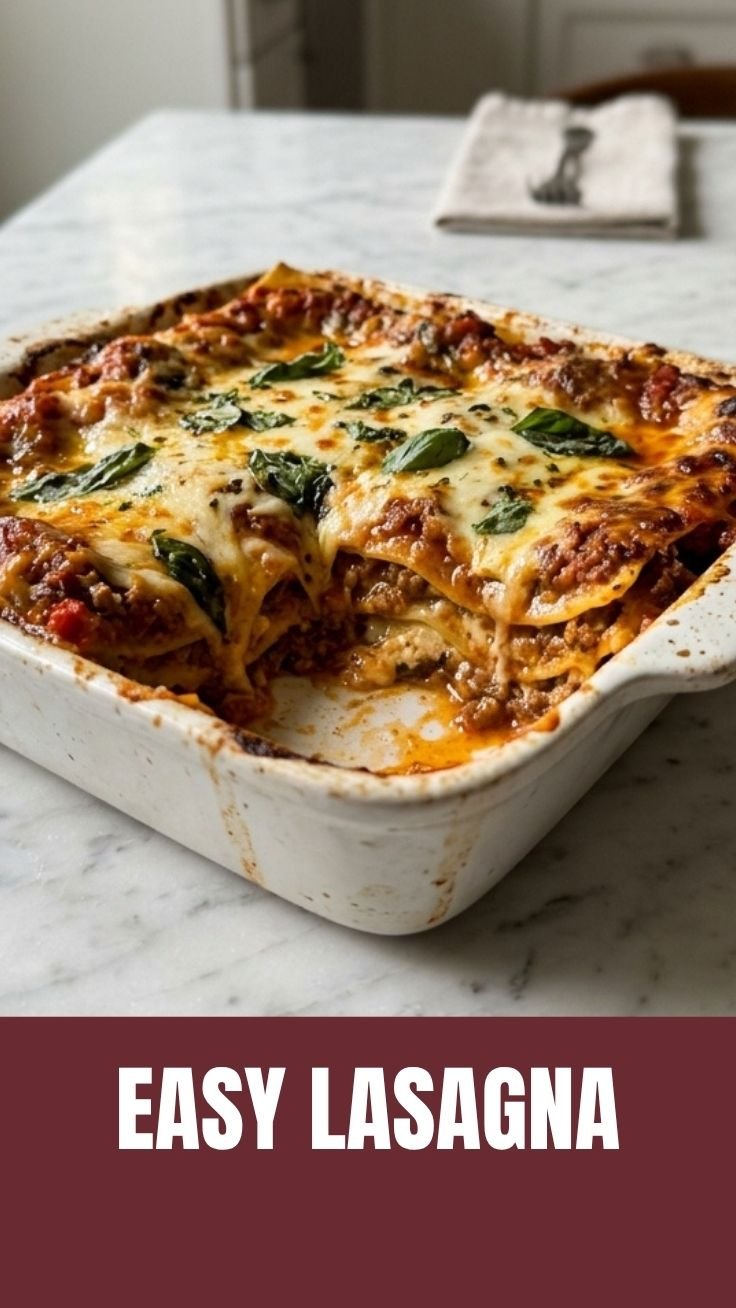
6. Bake uncovered at 375°F for 35 minutes. For a browned bubbly top, broil the last 2–3 minutes—watch closely to avoid burning. Let rest 15 minutes before cutting. Resting allows the Lasagna to set perfectly, ensuring clean squares every time. If you’re craving comfort food, this same layered concept works beautifully as an italian pasta bake—just skip the noodles and use your favorite short pasta like ziti or rigatoni for a quicker assembly.
—
Nutritional Benefits & Advantages
Each serving (about ⅙ of the dish) provides:
– Protein: 32g (from beef, sausage, cheese) – supports muscle repair.
– Calcium: ~350mg (ricotta, mozzarella, béchamel) – bone health.
– Fiber: 5g (tomatoes, optional spinach) – aids digestion.
– Iron: 22% DV – from red meat and spinach (if added).
Advantages: Homemade version cuts sodium by up to 50% compared to restaurant or frozen lasagnas. You control the fat content (sub lean meat, part-skim cheeses). Adding a layer of wilted spinach or zucchini boosts vitamins A and C without altering flavor.
—
Tips, Variations & Cooking Advice
– Flavor variations: Swap beef for ground lamb or add mushrooms for umami. Use smoked mozzarella for a BBQ twist.
– Ingredient swaps: Replace ricotta with cottage cheese (drain well) or silken tofu. Béchamel can be replaced with a simple tomato sauce for a “dryer” lasagna.
– Dietary adaptations: Gluten-free? Use GF noodles or thinly sliced zucchini ‘sheets’ (no boil needed). Dairy-free? Use plant-based ricotta, mozzarella shreds, and oat milk béchamel.
– Portion changes: For a smaller dish, halve the recipe and use an 8×8 pan. Cooking time reduces to 30–35 minutes.
– Alternative methods: Skip the oven entirely—turn leftovers into a stovetop skillet casserole (see FAQs). Or make individual ramekin lasagnas for parties.
—
Common Mistakes to Avoid
| Mistake | Solution |
|———|———-|
| Cooking noodles fully ahead | Undercook by 2 minutes; they continue cooking in the oven. |
| Too much sauce | Leave ¼-inch space from dish rim; use 1 cup sauce per layer max. |
| Skipping béchamel | It provides creamy binding; without it, lasagna can be dry. |
| Not draining ricotta | Excess moisture makes layers watery. Drain in cheesecloth for 15 minutes. |
| Cutting too soon | Always rest 15 minutes; otherwise, layers slide apart like a crumbling tower. |
—
Storage & Meal Prep Tips
– Refrigeration: Cover tightly with foil. Keeps 4–5 days. Reheat individual slices in microwave (30 seconds per slice) or oven (350°F for 15 minutes covered).
– Freezing: Assemble but don’t bake. Wrap dish in plastic wrap, then foil. Freeze up to 3 months. Thaw overnight in fridge, then bake as directed (add 10 minutes).
– Reheating maintains texture: For crispy edges, reheat in a skillet with a splash of water, covered, over medium-low heat. Avoid high heat—it dries out cheese.
– Meal prep: Cook the meat sauce and béchamel up to 2 days ahead. Store separately. Assemble the day of baking for freshest flavor.
—
Conclusion
Mastering Lasagna at home transforms a time-honored classic into a personal triumph—you get to tweak the seasonings, pile on the cheese, and enjoy the soul-warming aroma filling your kitchen. Whether you serve it for a family dinner or turn leftovers into a quick italian pasta bake for a busy weeknight, this recipe delivers consistent, crowd-pleasing results. Remember: patience in resting is the secret to structural perfection. So grab your baking dish, layer with love, and don’t forget to share a photo of that glorious cheese pull. Craving more pasta inspiration? Explore our baked ziti or stuffed shells for another way to celebrate Italian comfort food.
—
FAQs
1. Can I use no-boil noodles without adjusting the sauce?
No. No-boil noodles absorb more liquid. Increase the sauce volume by about ½ cup and spread it evenly. Also, ensure the béchamel is slightly thinner (add a splash of milk).
2. Why is my lasagna watery in the middle?
Common causes: (a) Ricotta wasn’t drained, (b) vegetables (like zucchini or spinach) were added without pre-cooking, or (c) the dish wasn’t rested. Always sauté watery vegetables first. Drain ricotta in a sieve over a bowl for 30 minutes.
3. What’s the best cheese for a golden top?
A mix of low-moisture mozzarella and Parmesan yields the best browning. Fresh mozzarella releases too much water. For extra crunch, sprinkle panko mixed with melted butter over the top before baking.
4. Can I make this ahead and refrigerate overnight before baking?
Absolutely. Assemble completely, cover with foil, and refrigerate up to 24 hours. Bake from cold, adding 10–15 minutes to the covered baking time. Remove foil for the last 10 minutes to brown.
5. How do I turn leftover lasagna into an italian pasta bake?
Chill the lasagna, then cut into chunks. Toss with cooked short pasta (like penne or rigatoni), extra tomato sauce, and shredded mozzarella. Bake at 375°F for 20 minutes until bubbly. This repurposes every delicious layer.