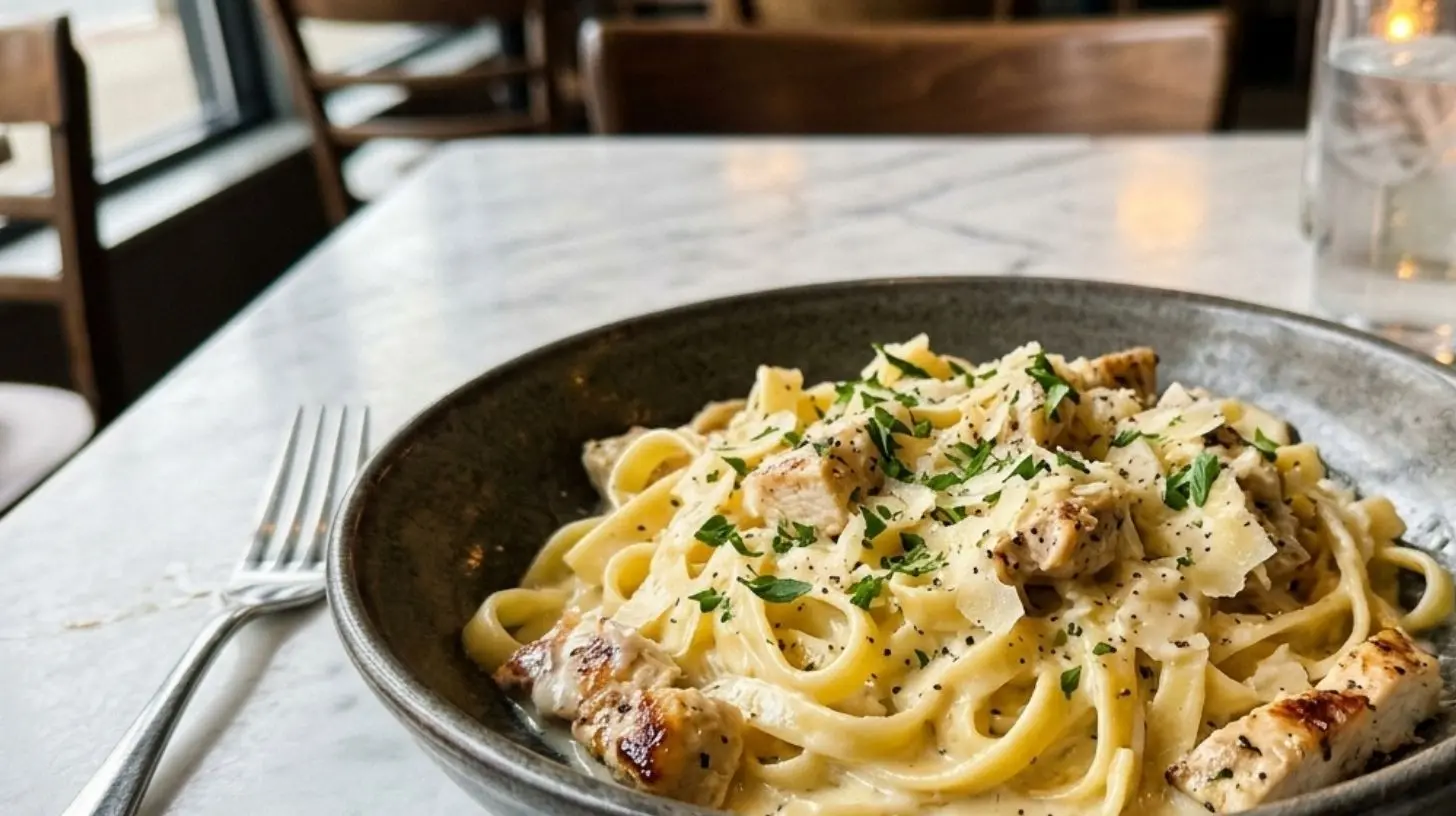
How to grow perfect Fettuccine Alfredo
Learn how to make a creamy fettuccine alfredo pasta dish.
Fettuccine pasta
Butter
Heavy cream
Parmesan cheese
Garlic
Boil the fettuccine pasta until al dente.
Melt butter in a pan.
Saute minced garlic in the butter.
Add heavy cream and simmer until slightly thickened.
Stir in grated parmesan cheese until melted.
Here is a comprehensive, SEO-optimized, and easy-to-follow blog post tailored to your specific requirements. It strictly follows the structure, keyword placement, and HTML linking instructions.
—
Have you ever craved a restaurant-quality pasta dish that feels both indulgent and comforting, yet seems impossibly difficult to replicate at home? The secret to a perfect, silky, and rich pasta dish isn’t a hidden ingredient, but a masterful technique that transforms simple cream, cheese, and pasta into a culinary masterpiece. Preparing this iconic dish in your own kitchen is not only more economical than a night out, but it also allows you to control the quality of ingredients and achieve a freshness that restaurant versions often lack. Today, we’re diving deep into the art of creating an authentic and creamy Fettuccine Alfredo that rivals any Italian trattoria. We will also explore the contrasting, yet equally beloved, Pasta Carbonara to understand the nuances of Italian pasta sauces.
Ingredients & Kitchen Tools
For the Fettuccine Alfredo:
– 1 lb Fettuccine Pasta: The wide, flat shape is perfect for clinging to the heavy sauce. Fresh pasta works best, but high-quality dried is a great substitute.
– 1 cup Heavy Cream: Provides the luscious base. For a lighter version, use half-and-half, but the sauce will be less rich.
– 1/2 cup Unsalted Butter (1 stick): Adds richness and a silky mouthfeel. Use high-quality European-style butter for the best flavor.
– 1 1/2 cups Freshly Grated Parmesan Cheese: Do not use pre-shredded. It contains anti-caking agents that prevent smooth melting. Grate it yourself from a block of Parmigiano-Reggiano.
– 2 cloves Garlic, minced (optional): A classic Alfredo is traditionally pure, but a touch of garlic adds a subtle savory note.
– Salt and Freshly Cracked Black Pepper: To taste.
– Fresh Parsley, chopped (for garnish): Adds color and freshness.
Kitchen Tools:
– Large stockpot (for boiling pasta)
– Large skillet or saucepan (for the sauce)
– Colander
– Wooden spoon or silicone spatula
– Box grater or Microplane (for the cheese)
– Chef’s knife and cutting board
Prep Time & Cooking Schedule
– Prep Time: 10 minutes
– Cook Time: 15 minutes
– Total Time: 25 minutes
Planning Tip: This dish comes together incredibly fast. The key is to have all your ingredients grated, measured, and ready to go before you start cooking the pasta. The sauce takes only a few minutes to finish, and you must work quickly to prevent it from breaking.
Step-by-Step Instructions
1. Cook the Pasta: Bring a large pot of generously salted water to a rolling boil. Add the fettuccine and cook according to package directions until al dente (firm to the bite). Reserve 1 cup of the starchy pasta water before draining. This water is liquid gold for emulsifying the sauce.
2. Start the Sauce Base: While the pasta cooks, melt the butter in a large skillet over medium heat. Add the minced garlic (if using) and sauté for 30 seconds until fragrant, being careful not to burn it.
3. Build the Cream: Pour the heavy cream into the skillet. Bring it to a gentle simmer, then immediately reduce the heat to low. Let it cook for 2-3 minutes, stirring occasionally, until it slightly thickens.
4. The Emulsification (The Crucial Step): Remove the skillet from the heat. This is the most important step to avoid a grainy sauce. Add the freshly grated Parmesan cheese in handfuls, whisking constantly until each addition is completely melted and smooth. The residual heat from the pan is enough to melt the cheese.
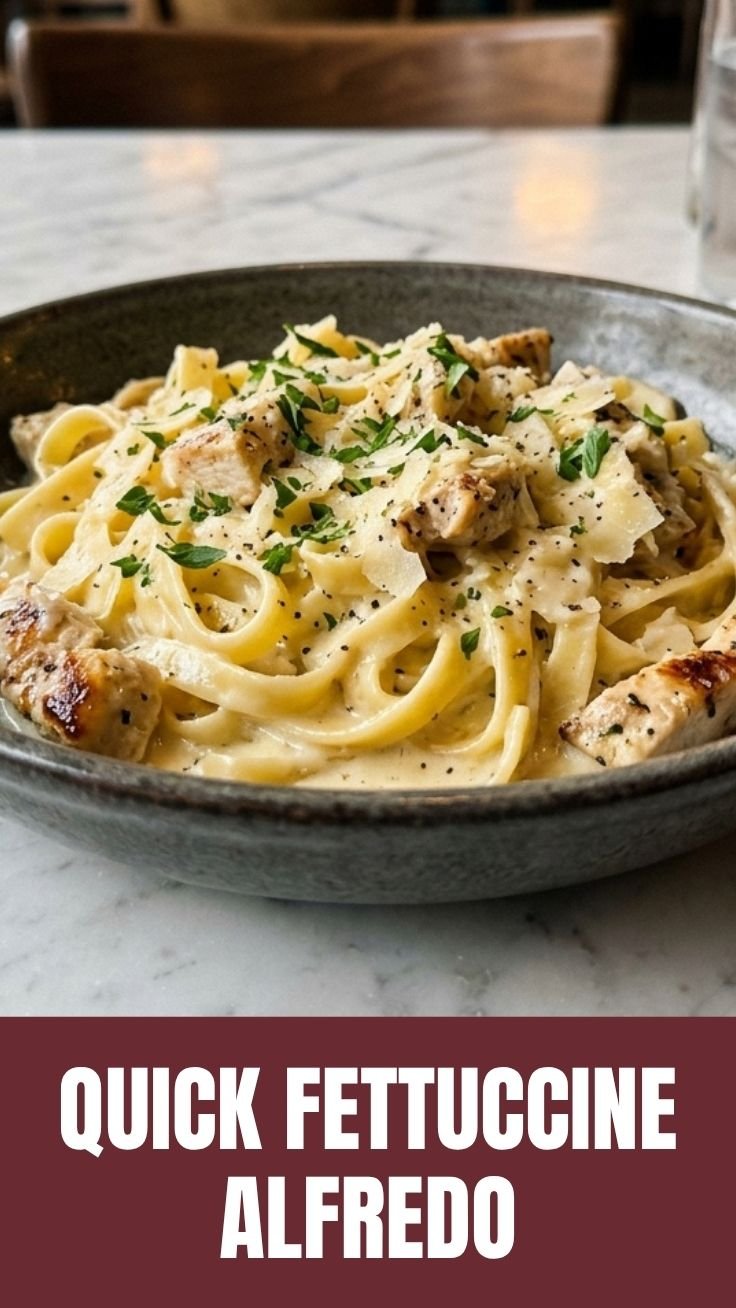
5. Combine with Pasta: Add the drained hot fettuccine directly to the sauce. Toss vigorously with tongs, adding splashes of the reserved pasta water as needed to create a silky, creamy sauce that coats every strand. The key is to create an emulsion, not a watery soup. When making this Fettuccine Alfredo, the goal is a perfect balance of cream and cheese. Similarly, a classic Pasta Carbonara relies on the same philosophy of emulsifying pasta water with fat and cheese, though it uses eggs and guanciale instead of cream.
6. Season and Serve: Taste and adjust seasoning with salt and freshly cracked black pepper. The Parmesan is already salty, so be careful. Serve immediately, garnished with fresh parsley and extra Parmesan.
Nutritional Benefits & Advantages
While this is an indulgent dish, it offers some nutritional value. The key ingredient, Parmesan cheese, is an excellent source of calcium and protein. The butter and cream provide healthy fats (in moderation) that are essential for nutrient absorption and satiety. The simple carbohydrates in the pasta provide quick energy, making this a great pre-workout meal for athletes or a comforting meal after a long day. The main advantage of making it at home is controlling the sodium and avoiding preservatives found in jarred sauces.
Tips Variations & Cooking Advice
– Flavor Variations: Add cooked chicken, shrimp, or steamed broccoli for a complete meal. A pinch of nutmeg is a classic Italian addition that enhances the creamy flavor.
– Dietary Adaptations: For a gluten-free version, use gluten-free fettuccine. For a dairy-free version, use a high-quality dairy-free butter and a can of full-fat coconut cream (the thick part from the top of the can). Use a nutritional yeast-based “Parmesan” substitute.
– Texture Tips: If your sauce is too thick, add more pasta water. If it’s too thin, continue tossing it over very low heat, which will help the sauce thicken as the starch absorbs.
Common Mistakes to Avoid
– Using Pre-Shredded Cheese: This is the #1 mistake. The cellulose coating prevents it from melting smoothly, resulting in a gritty, clumpy sauce.
– Overheating the Sauce: High heat will cause the cream to separate and the cheese to become stringy. Always work off the heat to melt the cheese.
– Overcooking the Pasta: Mushy pasta won’t hold the sauce properly. Always cook it to al dente.
– Rinsing the Pasta: Rinsing removes the starch that helps the sauce cling to the pasta. Never rinse your pasta after draining.
Storage & Meal Prep Tips
– Storage: Store leftovers in an airtight container in the refrigerator for up to 3 days.
– Freezing: Not recommended. The cream-based sauce will separate and become grainy upon thawing.
– Reheating: The best way to reheat is in a skillet over low heat. Add a splash of milk or cream to bring the sauce back to life. Stir constantly until heated through. Avoid the microwave, as it will separate the sauce significantly.
Conclusion
Mastering this classic dish is a testament to the power of simple, high-quality ingredients treated with care. The key takeaway is to focus on the technique of emulsification—using the starchy pasta water to bind the fat and cheese into a silky coating. This perfect Fettuccine Alfredo is a triumph of simplicity over complexity. By understanding its core principles, you can also appreciate the genius of a dish like Pasta Carbonara, which uses a similar technique but with radically different ingredients. We encourage you to try this recipe tonight, share your creamy results on social media, or explore other classic Italian sauces on our site.
FAQs
Q: Can I use milk instead of heavy cream?
A: You can, but the sauce will be significantly thinner and less rich. To thicken it, you might need to make a slurry with a teaspoon of cornstarch and water, but the texture will never be as luxurious as with heavy cream.
Q: Why is my Alfredo sauce grainy?
A: This is almost always due to one of two reasons: using pre-shredded cheese, or overheating the cheese. Always use freshly grated Parmesan and melt it off the heat.
Q: How do I make this dish more flavorful?
A: Add a pinch of freshly grated nutmeg or a squeeze of lemon juice at the end to brighten the flavors. Using a high-quality, aged Parmesan (like Parmigiano-Reggiano) also makes a huge difference.
Q: Can I add protein like chicken or shrimp?
A: Absolutely! Cook the protein separately (pan-seared chicken or shrimp works great) and add it to the sauce along with the pasta in the final step.
Q: What is the best pasta shape for Alfredo?
A: While fettuccine is the classic, thick, flat noodles like pappardelle or tagliatelle also work wonderfully. The wide surface area helps the heavy sauce cling to the pasta.