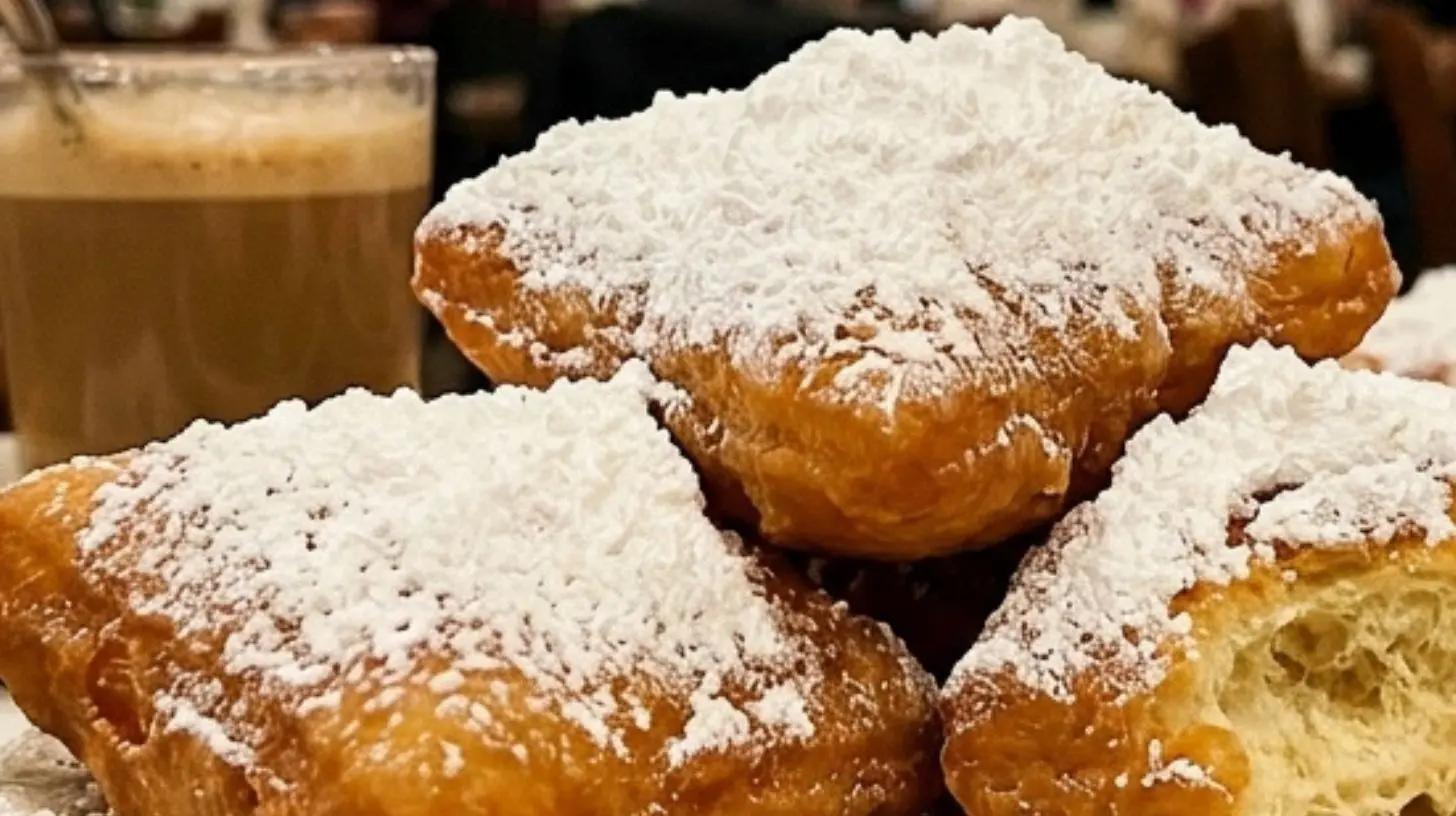
Best way to grow 6 Beignets (New Orleans Style)
Learn how to make delicious New Orleans style beignets at home!
All-purpose flour
Yeast
Powdered sugar
Milk
Butter
Oil
Warm milk until it's lukewarm.
Mix flour, yeast, and sugar in a bowl.
Add milk and melted butter to the bowl.
Cover the bowl and let the dough rise for 1 hour.
Heat oil in a pot for frying.
Roll out the dough and cut into squares.
Fry the beignets until golden brown, then dust with powdered sugar.
Why Homemade Beignets Beat a Trip to the French Quarter
Have you ever bitten into a warm, pillowy square of fried dough buried under a mountain of powdered sugar and wondered why you don’t make them at home every weekend? The magic of New Orleans-style beignets isn’t locked inside Café du Monde—it’s waiting in your own kitchen. Preparing this iconic treat at home gives you control over freshness, oil quality, and sugar levels, while saving you a plane ticket. Whether you’re craving a taste of the Big Easy or exploring Southern baking traditions, mastering this Beignets (New Orleans Style) recipe unlocks a world of fluffy, golden joy. Below, I’ll walk you through every step, from proofing yeast to achieving that signature cloud-like interior. Ready to dust your countertops white? Let’s dive into the best beignet recipe you’ll ever make.
Ingredients & Kitchen Tools
Dough Ingredients:
– 3½ cups all-purpose flour (plus extra for dusting) – provides structure; bread flour yields slightly chewier results
– 1 cup warm whole milk (110°F) – activates yeast; substitute oat milk for dairy-free version
– 1 large egg (room temperature) – adds richness and tenderness
– ¼ cup granulated sugar – feeds yeast and adds subtle sweetness
– 2¼ teaspoons active dry yeast (one packet) – creates airy texture; instant yeast works with shorter proof
– ½ teaspoon salt – balances flavor and strengthens gluten
– 3 tablespoons unsalted butter (melted) – adds moisture; use vegan butter for dairy-free
– ½ teaspoon vanilla extract – optional, rounds flavor
For Frying:
– 6 cups vegetable oil (or canola/peanut) – neutral oil with high smoke point is best
– 1½ cups confectioners’ sugar – for generous dusting; use organic for smoother texture
Kitchen Tools:
– Stand mixer with dough hook (or large bowl + wooden spoon)
– Deep heavy pot or Dutch oven
– Candy thermometer (essential for oil temperature control)
– Slotted spoon or spider strainer
– Cooling rack over baking sheet
– Fine-mesh sieve for sugar dusting
– Rolling pin
– Bench scraper (optional, helpful for cutting)
Prep Time & Cooking Schedule
– Active Prep Time: 25 minutes
– First Dough Rest: 1 hour 15 minutes (covered, warm spot)
– Shaped Rest: 30 minutes (on floured surface)
– Frying Time: 2–3 minutes per batch (4–6 beignets)
– Total Time: Approximately 2 hours 15 minutes
Plan ahead: this recipe requires patience for the dough to double in size. The good news? Most of that time is hands-off, perfect for sipping coffee while the yeast works its magic. If you’re making these for brunch, start the dough 2.5 hours before serving.
Step-by-Step Instructions
1. Activate the yeast. In a small bowl, combine warm milk (110°F), 1 tablespoon of the sugar, and the yeast. Let stand 5–10 minutes until foamy. If no foam appears, your milk was too hot or yeast expired—start over.
2. Build the dough. In your stand mixer bowl, whisk together flour, remaining sugar, and salt. Add the yeast mixture, beaten egg, melted butter, and vanilla. Mix with dough hook on low speed until rough dough forms, then increase to medium and knead 6–8 minutes until smooth and elastic. The dough should be soft but not sticky—add flour 1 tablespoon at a time if needed.
3. First rise. Place dough in a lightly oiled bowl, cover with plastic wrap or a damp towel, and let rest in a draft-free spot (like a turned-off oven with light on) for 1–1½ hours until doubled.
4. Shape the beignets. Punch down the dough, turn onto a floured surface, and roll into a 12×12-inch square about ⅓-inch thick. Using a bench scraper or pizza cutter, cut into 2½-inch squares. For authentic New Orleans shape, leave as squares rather than rounding.
5. Second rest. Transfer cut squares to a floured baking sheet (not touching), cover lightly with a towel, and let rest 30 minutes. They’ll puff slightly—this is crucial for a light interior.
6. Heat the oil. In your heavy pot, pour oil to a depth of 2 inches. Heat to 350°F (use thermometer!). Too hot? Beignets burn outside before cooking through. Too cool? They absorb oil and become greasy.
7. Fry in batches. Gently slide 4–6 beignets into the hot oil using a slotted spatula. Fry 60–90 seconds per side until deep golden brown. Flip once using the slotted spoon—avoid poking, which deflates the dough. The exterior should crackle when you remove them.
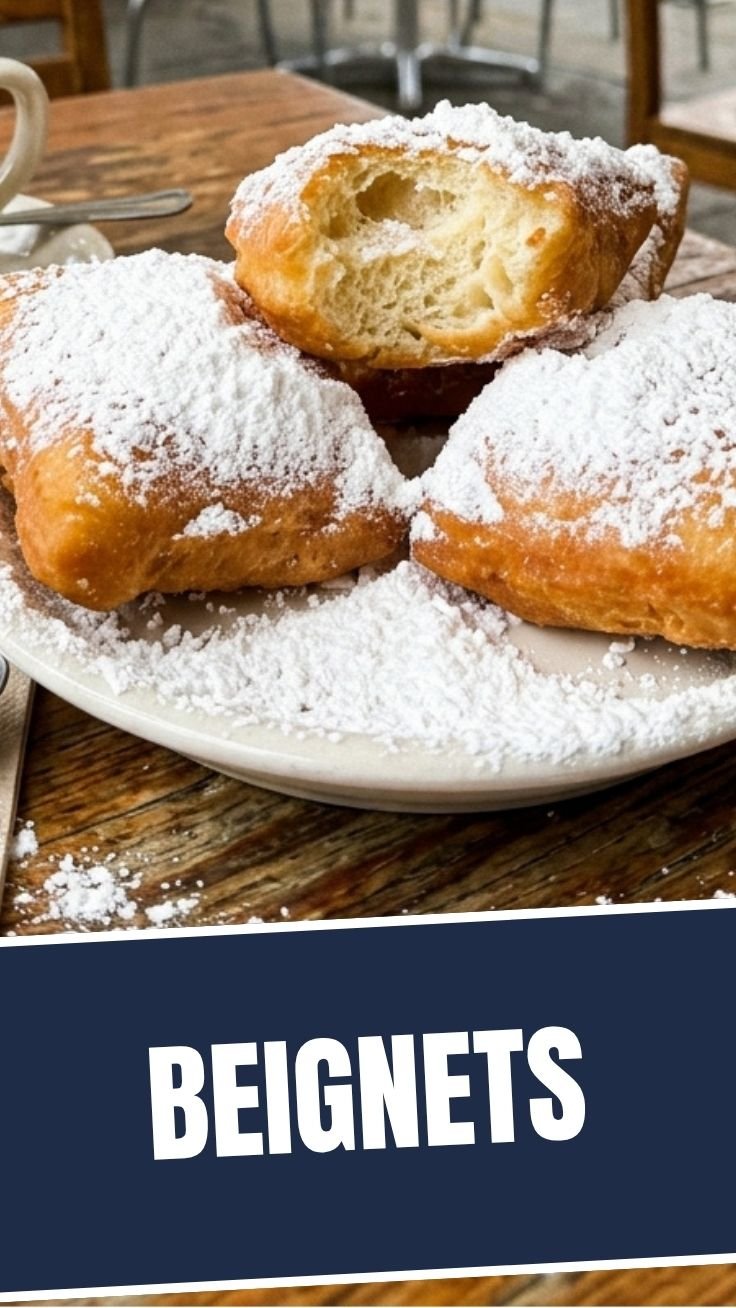
8. Sugar shower. Drain briefly on a cooling rack, then immediately pile onto a serving plate and dust generously with confectioners’ sugar through a sieve. The sugar melts slightly onto the warm surface, creating that iconic coating.
For this authentic Beignets (New Orleans Style), the texture should be crisp outside and airy, almost hollow inside. If your beignets are dense, check your yeast freshness or rest times. Following this beignet recipe closely ensures the perfect puff every time.
Nutritional Benefits & Advantages
Beignets are certainly a treat, but they offer surprising perks when prepared mindfully. A single beignet (without excessive sugar) contains about 150 calories, providing quick energy from carbohydrates. The yeast fermentation breaks down phytic acid in flour, making minerals like iron and B vitamins more bioavailable. Using whole milk adds calcium and vitamin D—bone-friendly nutrients often missing from fried snacks. Additionally, controlling your oil quality (choose high-oleic sunflower or peanut oil) reduces harmful trans fats compared to restaurant frying that uses reused oil. For portion control, beignets freeze beautifully (instructions below), letting you enjoy one fresh without polishing off a dozen.
Tips Variations & Cooking Advice
Flavor Variations:
– Chocolate Lover’s: Add 2 tablespoons cocoa powder to the dough and swap vanilla for chocolate extract
– Citrus Twist: Zest 1 orange into the dough and add ½ teaspoon orange blossom water
– Savory Beignets: Reduce sugar to 2 tablespoons, add ½ teaspoon garlic powder, and serve with honey or hot sauce
Dietary Adaptations:
– Gluten-Free: Use a 1:1 gluten-free baking flour blend (like King Arthur Measure for Measure) and add 1 teaspoon xanthan gum—dough will be stickier but works
– Dairy-Free: Substitute warm oat milk for whole milk and use vegan butter (Miyoko’s works best)
– Vegan: Replace egg with ¼ cup unsweetened applesauce plus 1 tablespoon extra flour
Cooking Advice: For consistently shaped beignets, use a pizza wheel instead of a knife—it doesn’t drag the dough. If your kitchen is cool (under 68°F), proof the dough in a turned-off oven with a pan of hot water on the bottom shelf. Never overcrowd the pot—oil temperature drops, leading to greasy results.
Common Mistakes to Avoid
Mistake #1: Dough too sticky after kneading
Solution: Resist adding all the flour at once. Add flour 1 tablespoon at a time during kneading until the dough barely sticks to your finger. Over-flouring makes dense beignets.
Mistake #2: Oil temperature fluctuations
Solution: Use a clip-on candy thermometer and adjust burner heat between batches. After each batch, let oil return to 350°F before adding more dough (about 45–60 seconds).
Mistake #3: Overproofing the dough
Solution: If the dough collapses when you poke it gently, it’s overproofed. Reduce next rest time by 15 minutes. Ideal proof: indentation springs back slowly.
Mistake #4: Skimping on sugar dusting
Solution: Use at least ¼ cup powdered sugar per beignet—they should look like snowdrifts. Apply immediately after frying while oil is still warm for best adhesion.
Mistake #5: Cutting circles instead of squares
Solution: Traditional beignets are square-cut to avoid wasted dough scraps. Save scraps and re-roll once for extra beignets—but don’t overwork the dough.
Storage & Meal Prep Tips
Refrigeration: Store fried, undusted beignets in an airtight container at room temperature for up to 2 days (not fridge, which dries them out). Dust only before serving.
Freezing: Flash-freeze cut, unproofed dough squares on a baking sheet, then transfer to a freezer bag. Fry directly from frozen—add 30 seconds per side to cooking time. This is ideal for prepping ahead for weekend brunch.
Reheating: Reheat day-old beignets in a 350°F oven for 5 minutes (not microwave, which makes them rubbery). For best texture, re-fry for 30 seconds per side in 350°F oil.
Make-Ahead Dough: You can prepare the dough through step 4, cover tightly, and refrigerate overnight. Next morning, let come to room temperature (about 30 minutes) before cutting and proceeding with second rest.
Conclusion
Making Beignets (New Orleans Style) at home brings the soul of the French Quarter straight to your kitchen, delivering warm, pillowy squares drowned in powdered sugar that rival any café. The process—from activating yeast to watching dough puff in hot oil—connects you to a centuries-old tradition while giving you total control over quality. Whether you serve them alongside chicory coffee for Mardi Gras or surprise family on a lazy Sunday, this beignet recipe delivers consistent, crowd-pleasing results every time. I encourage you to roll up your sleeves, embrace the flour cloud, and share your results with friends—tag your photo, leave a comment below, or explore more Southern classics on this site. The secret to New Orleans isn’t a secret anymore; it’s waiting in your flour canister.
FAQs
1. Can I make beignet dough without a stand mixer?
Absolutely. Mix ingredients in a large bowl with a wooden spoon until combined, then turn onto a floured surface and knead by hand for 8–10 minutes until smooth. The dough is forgiving—just ensure it passes the windowpane test (stretch a small piece thin enough to see light through without tearing).
2. Why did my beignets come out greasy?
The most common culprit is oil temperature below 340°F. When oil isn’t hot enough, dough absorbs oil instead of quickly forming a crisp crust. Always preheat to exactly 350°F and use a thermometer. Also, avoid overcrowding—more than 6 beignets at once drops oil temperature significantly.
3. Can I use all-purpose flour instead of bread flour?
Yes, and in fact all-purpose flour is traditional for beignets. Bread flour produces a slightly chewier texture, while AP creates a more tender, melt-in-your-mouth interior. For authentic New Orleans style, stick with AP.
4. How do I keep beignets from sticking to the cutting surface?
Generously flour your work surface and rolling pin. If the dough still sticks, use a bench scraper to lift it and dust more flour underneath. For non-stick rolling, try rolling between two sheets of parchment paper instead.
5. Can I bake these instead of frying?
Baking won’t replicate the authentic texture—beignets need deep frying for that crisp shell and airy interior. However, if you must, bake at 400°F for 10–12 minutes, brushing with melted butter halfway through. Expect a more bread-like result, not the classic beignet experience.
Best way to grow 6 Beignets (New Orleans Style)
Equipment
- small bowl
- large bowl
- whisk
- plastic wrap
- heavy-bottomed pot
- slotted spoon
- paper towels
Ingredients
Main Dough
- 2.25 teaspoons active dry yeast
- 0.5 cup warm water (105-115°F)
- 0.25 cup granulated sugar
- 0.5 cup whole milk, warmed
- 1 large egg, lightly beaten
- 3.5 cups all-purpose flour
- 0.5 teaspoon salt
- 2 tablespoons unsalted butter, melted
For Frying and Serving
- vegetable oil, for deep frying enough for 2-3 inches in pot
- 1 cup powdered sugar, for dusting
Instructions
Preparation
- In a small bowl, sprinkle yeast over warm water and let it sit for about 5 minutes until foamy, then stir in sugar and warm milk to combine.
- In a large bowl, whisk together the flour and salt, then create a well in the center and add the yeast mixture, beaten egg, and melted butter.
Making the Dough
- Mix the ingredients until a shaggy dough forms, then turn it out onto a lightly floured surface and knead it for 5-7 minutes until smooth and elastic.
- Place the dough in a lightly oiled bowl, cover it with plastic wrap, and let it rise in a warm place for 1-1.5 hours, or until doubled in size.
Frying the Beignets
- Punch down the risen dough and roll it out on a lightly floured surface to about 1/4 inch thickness, then cut into 2-inch squares.
- Heat vegetable oil in a large heavy-bottomed pot to 350°F (175°C) and carefully drop 3-4 beignet squares into the hot oil.
- Fry each side for 1-2 minutes until golden brown, then remove with a slotted spoon and drain on paper towels.
Serving
- Dust the hot beignets generously with powdered sugar before serving immediately.