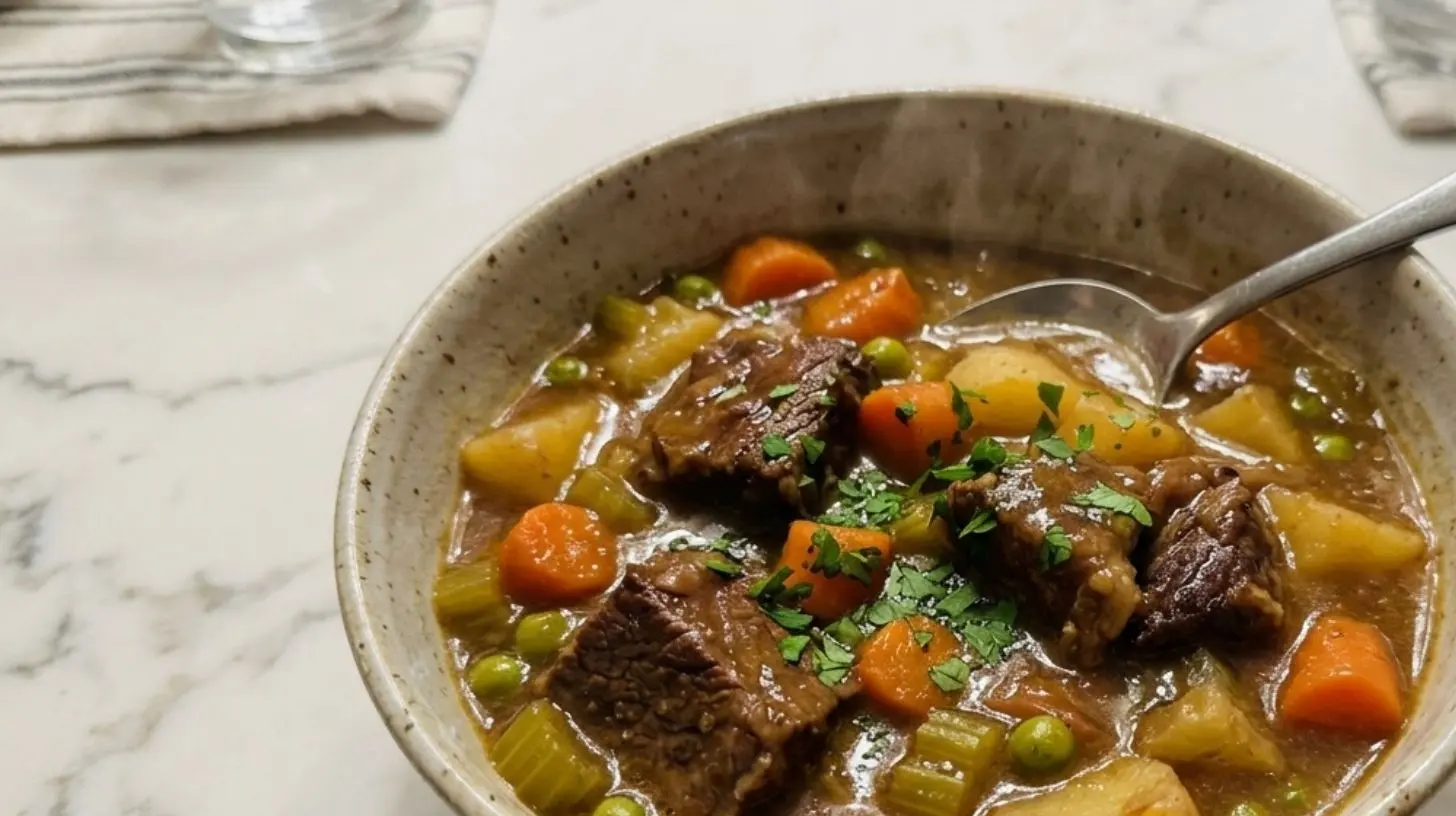
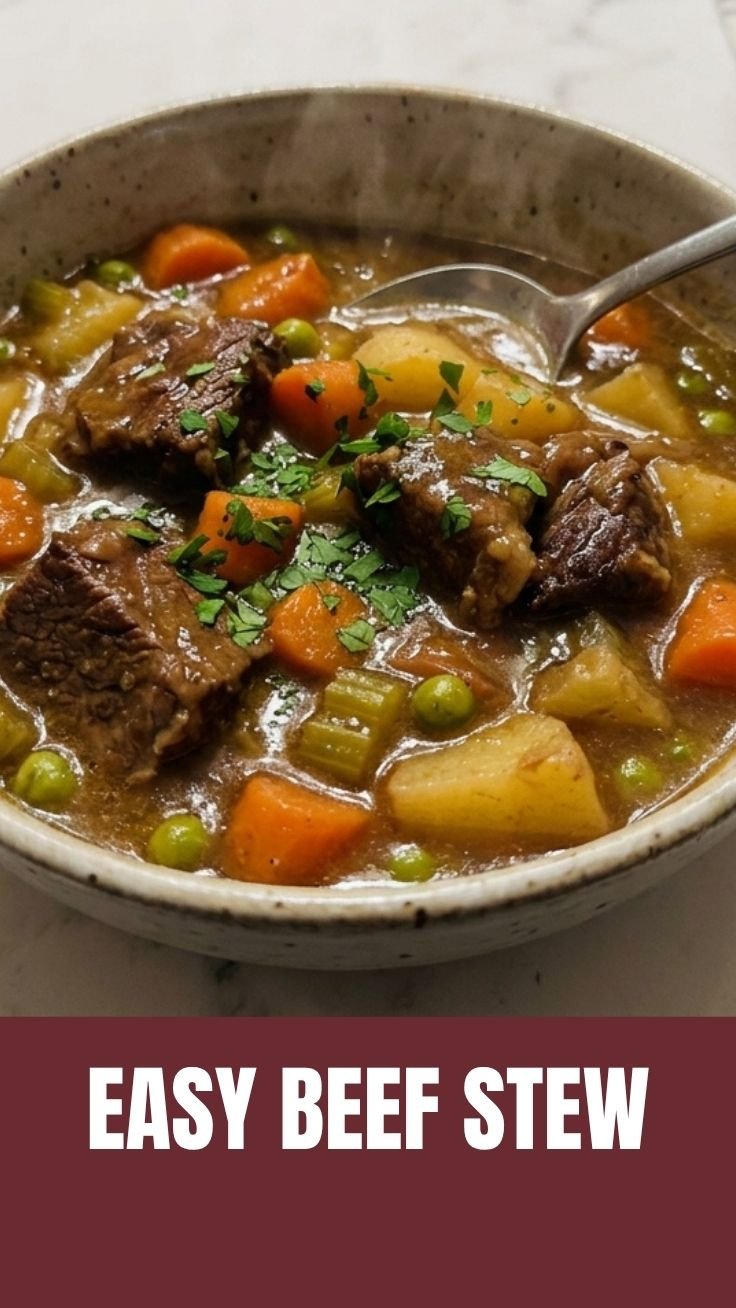
Proven way to grow a perfect Beef Stew
Learn how to make a delicious beef stew with this simple recipe.
Beef
Potatoes
Carrots
Onions
Garlic
Cut the beef into cubes.
Chop the vegetables into small pieces.
Brown the beef in a pot.
Season with salt and pepper.
Add the vegetables and simmer until tender.
The Ultimate Guide to Perfecting Hearty Beef Stew (Plus Slow Cooker Tips)
Have you ever pulled a fork-tender chunk of beef from a bubbling pot and thought, “Why doesn’t my stew taste like this every time?” The secret isn’t just a recipe—it’s understanding the science behind deep flavor, moisture retention, and low-and-slow cooking. Preparing a rich, soul-warming Beef Stew at home not only saves you money compared to restaurant versions, but it also gives you total control over ingredients, sodium levels, and portion sizes. Whether you’re craving a classic stovetop version or a hands-off slow cooker beef stew, mastering this dish will earn you a permanent spot in your family’s comfort‑food rotation. In this data‑driven guide, we’ll break down every step, from ingredient selection to storage hacks, so you can create a consistently perfect bowl of Beef Stew every time.
Ingredients & Kitchen Tools
Essential Ingredients
– Beef chuck (2–3 lbs) – Best for stewing because of its marbling; renders tender meat after long cooking. Substitute: bottom round or brisket (trim excess fat).
– Beef broth (4 cups) – Use low‑sodium to control salt. Homemade or good-quality store‑bought.
– Red wine (1 cup) – Optional but adds acidity and depth. Replace with extra broth + 1 tbsp balsamic vinegar.
– Tomato paste (2 tbsp) – Adds umami and helps thicken.
– Carrots (3–4 large) – Cut into 1‑inch chunks. Provide natural sweetness.
– Celery (2 stalks) – Aromatic base.
– Yellow onion (1 large) – Sautéed for sweetness.
– Potatoes (1.5 lbs) – Yukon Gold or Russet; hold shape well.
– Garlic (4 cloves) – Freshly minced.
– Flour (3 tbsp) – For dredging beef and thickening the stew.
– Bay leaves (2), dried thyme (1 tsp), rosemary (1 tsp) – Classic herb trio.
– Salt & black pepper – Adjust to taste.
– Olive oil (3 tbsp) – For browning.
Kitchen Tools
– Dutch oven or heavy‑bottomed pot – Even heat distribution.
– Chef’s knife & cutting board
– Measuring cups & spoons
– Wooden spoon or spatula
– Tongs – For flipping beef pieces.
– Slow cooker – If making the crockpot version.
Optional Substitutions
– Gluten‑free: Use cornstarch slurry (1 tbsp cornstarch + 2 tbsp cold water) instead of flour.
– Dairy‑free: This recipe is naturally dairy‑free.
– Low‑carb: Replace potatoes with turnips or cauliflower florets.
Prep Time & Cooking Schedule
| Phase | Time | Notes |
|——-|——|——-|
| Prep time | 20 minutes | Chop vegetables, cube beef, measure spices. |
| Searing & sautéing | 15 minutes | Brown beef in batches; do not overcrowd. |
| Simmering (stovetop) | 2–2.5 hours | Low heat, partially covered, stir occasionally. |
| Slow cooker (low) | 7–8 hours | Set it and forget it. |
| Resting time | 10 minutes | Allows flavors to meld. |
Planning tip: If you’re short on time, sear the beef and sauté aromatics the night before, then refrigerate. Next day, add broth and vegetables and simmer or slow‑cook as directed.
Step-by-Step Instructions
1. Prep the beef: Pat the chuck dry with paper towels. Cut into 1.5‑inch cubes. Season generously with salt and pepper. Dredge lightly in flour (shake off excess).
2. Sear the meat: Heat 2 tbsp olive oil in a Dutch oven over medium‑high heat. Add beef in a single layer (do not crowd). Cook until deeply browned on all sides, about 3–4 minutes per batch. Transfer to a plate.
3. Sauté aromatics: Reduce heat to medium. Add remaining 1 tbsp oil, then onion, carrots, and celery. Cook 5 minutes until softened. Add garlic and tomato paste; cook 1 minute.
4. Deglaze: Pour in red wine (or broth + vinegar), scraping up browned bits. Let reduce by half, about 2 minutes.
5. Combine & simmer: Return beef to pot. Add broth, potatoes, bay leaves, thyme, and rosemary. Bring to a gentle boil, then reduce heat to low. For a classic Beef Stew , cover and simmer for 2 hours, stirring every 30 minutes. If you prefer a slow cooker beef stew , transfer everything to a slow cooker after deglazing, cover, and cook on low for 7–8 hours or high for 4–5 hours.
6. Finish: Remove bay leaves. Taste and adjust salt and pepper. For thicker gravy, mash a few potato chunks against the pot side or stir in a cornstarch slurry (1 tbsp cornstarch + 2 tbsp water). Simmer 5 more minutes.
7. Rest: Let the stew sit off heat for 10 minutes before serving. Garnish with fresh parsley.
Practical tip: The stew is done when the beef shreds easily with a fork. If the broth is too thin, uncover and simmer an extra 10–15 minutes.
Nutritional Benefits & Advantages
A single serving (about 1.5 cups) of this Beef Stew delivers approximately:
– Protein: 35 g from beef – supports muscle repair and satiety.
– Fiber: 4 g from carrots, celery, and potatoes – aids digestion.
– Iron: 25% DV – red meat is a rich source of heme iron, easily absorbed.
– Vitamin A: 120% DV from carrots – essential for eye health.
– Potassium: 800 mg – helps regulate blood pressure.
Because you control the broth, you can reduce sodium by 40% compared to canned stews. The slow‑cooking method also breaks down collagen, yielding gelatin that supports joint health. This dish is naturally low in sugar (only 2 g per serving) and can be adapted to fit keto, paleo, or gluten‑free diets.
Tips, Variations & Cooking Advice
– Flavor boost: Add a splash of Worcestershire sauce or a teaspoon of anchovy paste (don’t worry – it won’t taste fishy) for deeper umami.
– Veggie swaps: Swap potatoes for parsnips or sweet potatoes. Add peas or green beans in the last 30 minutes.
– Dairy‑free / creamy: Stir in ½ cup unsweetened coconut milk at the end for a Thai‑inspired twist.
– Herb freshness: Use fresh thyme sprigs (3–4) instead of dried – tie them with kitchen twine for easy removal.
– Slow cooker adaptation: If you skip the searing step, you’ll miss browning flavor. For the best crockpot version, always sear first.
– Portion control: Freeze individual portions in silicone muffin molds for quick lunches.
Common Mistakes to Avoid
| Mistake | Solution |
|———|———-|
| Soggy beef | Always pat beef dry before searing; moisture prevents browning. |
| Watery broth | Don’t add too much liquid – start with 4 cups broth and add more only if needed. Also, dredging beef in flour helps thicken. |
| Overcooked potatoes | Add potatoes halfway through cooking if using a slow cooker. |
| Burnt bottom | Keep heat low after browning; stir occasionally, especially if using a thick pot. |
| Flat flavor | Season in layers – salt the beef, the aromatics, and the final broth. Acidity (wine or vinegar) is non‑negotiable. |
Storage & Meal Prep Tips
– Refrigeration: Cool stew completely, then store in an airtight container for up to 4 days. The flavor actually improves after 24 hours.
– Freezing: Portion into freezer‑safe bags or containers, leaving 1‑inch headspace. Freeze flat for space efficiency. Lasts up to 3 months.
– Reheating: Thaw overnight in the fridge. Reheat gently on the stovetop over medium‑low, adding a splash of broth or water if thickened. Avoid microwaving on high – it can toughen the beef.
– Meal prep: Cook a double batch on Sunday. Divide into containers with cooked rice or crusty bread for easy weekday lunches.
Conclusion
A perfectly executed Beef Stew is more than a meal – it’s a lesson in patience and layering flavors. Whether you choose the stovetop method for deeper caramelization or the convenience of a slow cooker beef stew, the key is browning the meat first, using quality broth, and letting time do the work. By following the techniques above, you’ll avoid common pitfalls and create a dish that’s both nourishing and deeply satisfying. We’d love to hear how your stew turned out – leave a comment below with your favorite variation, or share your photo on social media. For more comfort‑food classics, check out our guides on braised short ribs and chicken soup.
FAQs
1. Can I use a different cut of beef?
Yes. Chuck is ideal, but bottom round, brisket, or even sirloin tip work. Just avoid lean cuts like sirloin steak – they become dry and tough.
2. How do I fix a stew that’s too salty?
Add a peeled raw potato half and simmer for 15 minutes – it absorbs some salt. Alternatively, dilute with unsalted broth or water, then adjust seasoning.
3. Can I make this in an Instant Pot?
Absolutely. Use the “Sauté” function for browning, then pressure cook on high for 35 minutes with a natural release. Vegetables should be cut into larger chunks to avoid mushiness.
4. Why is my stew greasy?
If you use well‑marbled chuck, skim the fat after chilling overnight. Or use a fat separator when pouring. You can also blot the cooled stew with a paper towel.
5. How do I thicken stew without flour?
Use a cornstarch slurry (1 tbsp cornstarch + 2 tbsp cold water per cup of liquid), or mash some of the potatoes directly into the broth. Another option: simmer uncovered to reduce.