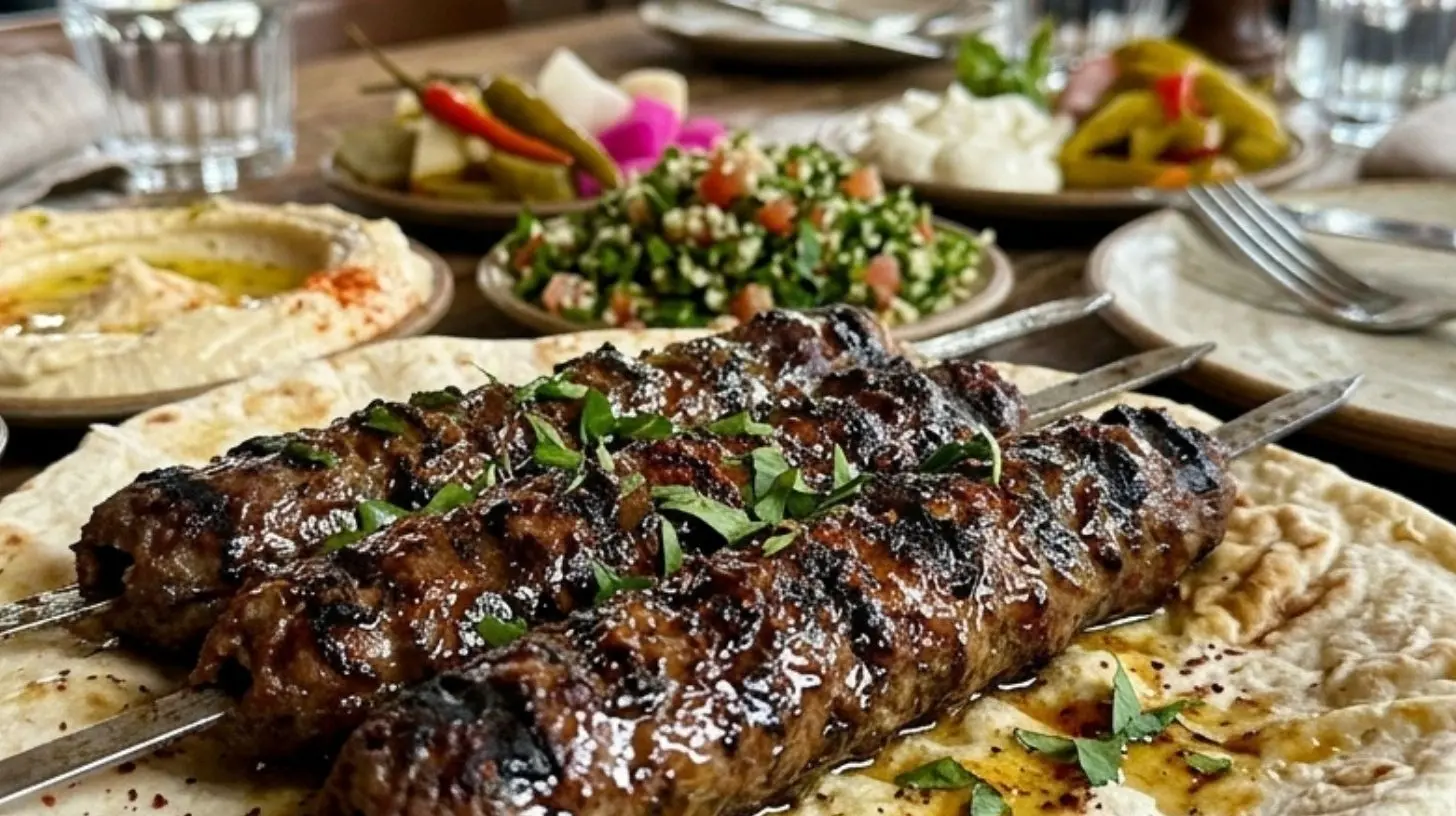
Quick way to grow Beef Kebabs (Middle Eastern) with 5 tips
Learn how to make tasty beef kebabs with a Middle Eastern twist in no time!
Ground beef
Onion
Bell pepper
Olive oil
Garlic
Pita bread
Dice the onion and bell pepper.
Season the ground beef with salt and pepper.
Thread the beef, onion, and bell pepper onto skewers.
Grill the kebabs over medium heat for 10-15 minutes.
Serve the kebabs with pita bread and enjoy!
Why Homemade Beef Kebabs (Middle Eastern) Beat Restaurant Versions Every Time
Have you ever bitten into a dry, overcooked kebab and wondered why restaurant versions so often miss the mark? The secret isn’t complicated technique—it’s understanding the interplay of fat, spice, and heat. When you prepare Beef Kebabs (Middle Eastern) at home, you control every element: the quality of the meat, the freshness of the spices, and the precise doneness that transforms ground beef into something extraordinary. This isn’t just another grilled meat recipe—it’s a gateway to mastering the balance of aromatic cumin, warm coriander, and smoky char that defines authentic Middle Eastern cuisine. And whether you’re crafting them on skewers or shaping them into patties, the same principles apply whether you call them kofta or shish kebab. By the end of this guide, you’ll understand why homemade versions deliver flavor that no takeout can replicate.
—
Ingredients & Kitchen Tools
For the Beef Kebabs (Middle Eastern)
– Ground beef (80/20 blend): 1 lb – the fat content ensures juicy results; leaner cuts dry out quickly
– Onion: ½ medium, finely grated – adds moisture and sweetness; squeeze out excess liquid
– Fresh parsley: ¼ cup chopped – traditional Middle Eastern flavor; flat-leaf preferred
– Garlic: 2 cloves, minced – adjust to taste
– Ground cumin: 1½ tsp – the backbone of kofta spice
– Ground coriander: 1 tsp – citrusy warmth that complements cumin
– Paprika: 1 tsp – use sweet or smoked depending on preference
– Salt: 1 tsp – preferably kosher or sea salt
– Black pepper: ½ tsp – freshly ground
– Optional: cayenne pepper or Aleppo pepper: ¼ tsp for heat
Kitchen Tools & Equipment
– Large mixing bowl
– Box grater or food processor – for grating onion
– Skewers: metal (reusable) or wooden (soaked 30 minutes to prevent burning)
– Grill, grill pan, or broiler – high heat is essential
– Tongs – for flipping without piercing
– Instant-read thermometer – optional but recommended for precision
Optional Substitutions
– Ground lamb – traditional alternative with richer flavor
– Gluten-free breadcrumbs – if adding as binder; omit for keto version
– Yogurt-mint sauce – classic accompaniment; swap for tahini if dairy-free
—
Prep Time & Cooking Schedule
– Prep time: 15 minutes
– Marinating time: 30 minutes minimum (refrigerated)
– Cooking time: 8–10 minutes total
– Resting time: 3–5 minutes after cooking
Plan ahead: The marinating step is where flavor develops. While 30 minutes works, 2–4 hours yields noticeably deeper taste. For weeknight cooking, prep the mixture the night before—the flavors meld beautifully overnight. On cooking day, shape skewers while the grill heats to medium-high (400–450°F). This schedule allows for sides like warm pita, tabbouleh, or grilled vegetables to finish simultaneously.
—
Step-by-Step Instructions
Step 1: Prepare the Aromatic Base
Grate the onion using a box grater or pulse in a food processor until almost paste-like. Transfer to a clean kitchen towel or cheesecloth and squeeze firmly to remove as much liquid as possible. This step is non-negotiable—excess moisture prevents the kebab from holding together on the grill.
Step 2: Build the Flavor Foundation
In a large bowl, combine the squeezed onion, ground beef, chopped parsley, minced garlic, cumin, coriander, paprika, salt, and pepper. Use your hands to mix gently but thoroughly—overworking the meat will result in dense, tough kebabs. Stop as soon as the spices are evenly distributed.
Step 3: Shape and Skewer
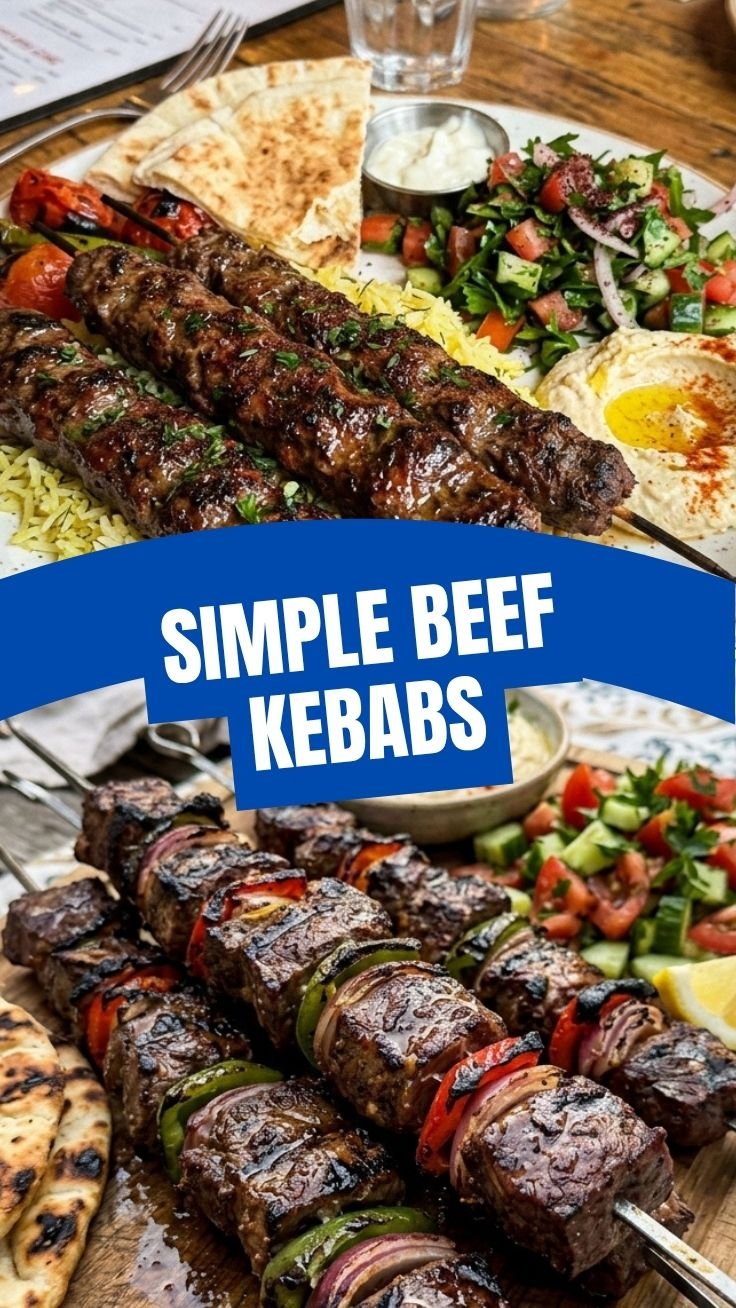
Divide the mixture into 6–8 equal portions. Wet your hands slightly to prevent sticking. Mold each portion around a skewer in an elongated oval shape, pressing firmly so the meat adheres. For the most authentic Beef Kebabs (Middle Eastern), aim for uniform thickness (about ¾ inch) to ensure even cooking. If using flat skewers, the meat will stay in place better—if using round ones, press slightly firmer. Alternatively, you can shape into patties for a shish kebab-style presentation without skewers.
Step 4: Grill with Precision
Place skewers on a preheated grill (medium-high heat, oiled grates). Cook 4–5 minutes per side, rotating once for even char marks. Resist the urge to press down with a spatula—this squeezes out precious juices. Target an internal temperature of 160°F for medium doneness. The exterior should be deeply browned with slight charring, while the interior stays moist.
Step 5: Rest and Serve
Transfer skewers to a cutting board and let rest 3–5 minutes. This redistributes juices and prevents them from running out when you bite into the kebab. Serve directly on skewers or slide them off onto a platter alongside warm flatbread, fresh herbs, and a squeeze of lemon.
—
Nutritional Benefits & Advantages
These Beef Kebabs (Middle Eastern) deliver substantial nutritional value beyond their incredible flavor. A single serving (two skewers) provides approximately:
– Protein: 28–32g – supports muscle maintenance and satiety
– Iron: 3–4mg – heme iron from beef is highly bioavailable
– Zinc: 5–6mg – crucial for immune function and wound healing
– Vitamin B12: 2.5–3µg – essential for nerve health and energy production
– Healthy fats: 18–22g – from the 80/20 beef blend, providing energy and fat-soluble vitamin absorption
The spices contribute their own benefits: cumin aids digestion and has anti-inflammatory properties; coriander may help regulate blood sugar; garlic supports cardiovascular health. Compared to restaurant versions, homemade kebabs contain no preservatives, excess sodium, or low-quality filler meats. This dish fits seamlessly into high-protein, low-carb, gluten-free, and paleo dietary patterns.
—
Tips Variations & Cooking Advice
Flavor Variations
– Turkish-style: Add 1 tbsp tomato paste and 1 tsp dried mint to the meat mixture
– Lebanese-inspired: Include ½ tsp cinnamon and ¼ tsp allspice for warming notes
– Moroccan twist: Swap coriander for 1 tsp ras el hanout and add preserved lemon zest
Cooking Method Alternatives
– Oven broiler: Place skewers on a foil-lined baking sheet, broil 5–6 inches from heat, 4–5 minutes per side
– Air fryer: Cook at 375°F for 8–10 minutes, flipping halfway—excellent for smaller batches
– Cast-iron skillet: Sear on all sides over medium-high heat, then finish in a 375°F oven for 5 minutes
Dietary Adaptations
– Gluten-free: Naturally gluten-free as written; verify spice blends don’t contain fillers
– Dairy-free: Serve with tahini sauce or chimichurri instead of yogurt-based dips
– Low-carb/Keto: Omit any breadcrumbs; serve over cauliflower rice with tzatziki made from full-fat Greek yogurt
Portion Adjustments
For large gatherings, double or triple the recipe and pre-shape skewers hours ahead. For smaller households, freeze uncooked shaped skewers between parchment layers—they cook directly from frozen, adding 3–4 minutes to total cooking time.
—
Common Mistakes to Avoid
Mistake #1: Using Lean Ground Beef
Beef with less than 20% fat produces dry, crumbly kebabs. The fat renders during cooking, basting the meat from within. Solution: Choose 80/20 or even 75/25 ground beef. For lamb versions, 85/15 works because lamb fat is more flavorful.
Mistake #2: Skipping the Onion Squeeze
Grated onion releases significant liquid. If left in the mixture, it creates steam during cooking, causing the kebab to fall apart or cook unevenly. Solution: Squeeze thoroughly; you can reserve the onion juice for marinades or discard it.
Mistake #3: Overcrowding the Grill
Placing skewers too close together creates steam rather than dry heat, preventing proper searing. Solution: Leave at least 1–2 inches between skewers. Cook in batches if necessary—they take only 10 minutes total.
Mistake #4: Overworking the Meat
Mixing too vigorously or for too long develops gluten-like proteins, resulting in dense, tough kebabs. Solution: Mix just until combined—30 seconds of gentle hand mixing is sufficient.
Mistake #5: Flipping Too Early
Kebabs need time to develop a crust that releases easily from the grates. Solution: Cook 4 minutes on the first side before attempting to flip. If they stick, they’re not ready.
—
Storage & Meal Prep Tips
Refrigeration
– Cooked kebabs: Store in an airtight container for up to 4 days
– Uncooked mixture: Keep refrigerated for up to 24 hours; shape just before cooking
– Uncooked shaped skewers: Wrap tightly and refrigerate up to 2 days
Freezing
– Uncooked shaped skewers: Arrange on a parchment-lined baking sheet, freeze until solid (1–2 hours), then transfer to a freezer bag. They’ll keep for 3 months. Do not thaw—cook directly from frozen, adding 4–5 minutes total.
– Cooked kebabs: Cool completely, wrap individually, and freeze for up to 2 months. Reheat gently to avoid drying.
Reheating Instructions
– Best method: Reheat in a 350°F oven for 8–10 minutes, wrapped loosely in foil to retain moisture
– Quick method: Microwave at 50% power in 30-second intervals, but expect some texture loss
– Grill revival: For leftover skewers, reheat on a hot grill for 2–3 minutes per side—this restores some char
Meal Prep Strategy
Double the recipe on Sunday, cook half, and freeze the other half uncooked. The cooked batch provides lunches for 3–4 days; the frozen batch becomes a 15-minute dinner later in the week.
—
Conclusion
Mastering Beef Kebabs (Middle Eastern) at home transforms a simple weeknight dinner into something truly memorable. The technique—balancing fat content, squeezing moisture from aromatics, and applying precise high heat—elevates ground beef from ordinary to extraordinary. Whether you serve them as traditional skewered shish kebab or shape them into patties for quick cooking, the fundamental principles remain the same: fresh spices, proper handling, and respect for the meat. You now have a complete resource to create consistently juicy, aromatic kebabs that rival any restaurant’s version. Try this recipe this weekend—your grill (and your family) will thank you. Share your results in the comments or tag us in your photos—we’d love to see your version of this classic.
—
FAQs
Can I use ground lamb instead of beef?
Absolutely. Ground lamb is traditional in many Middle Eastern kebab recipes. Use 85/15 blend (lamb is naturally fattier), and consider adding ½ teaspoon of cinnamon for authentic flavor.
How do I prevent kebabs from falling off skewers?
Use flat metal skewers instead of round ones—they grip the meat better. If using wooden skewers, press the meat firmly around the skewer, creating an oval shape that surrounds the skewer on both sides. Chilling shaped skewers for 15 minutes before grilling also helps.
What’s the best substitute for cumin if I don’t have it?
Ground caraway seeds provide a similar earthy, slightly bitter note. Alternatively, increase coriander by ½ teaspoon and add a pinch of smoked paprika for depth.
Why are my kebabs falling apart on the grill?
Most likely causes: insufficient squeezing of onion moisture, lean ground beef, or not mixing the ingredients thoroughly enough to bind. Ensure you squeeze the grated onion well and use 80/20 beef. If problems persist, add 1 tablespoon of breadcrumbs or 1 beaten egg white as a binder.
How do I make these dairy-free?
The kebabs themselves contain no dairy. For serving, replace yogurt-based sauces with a simple lemon-tahini dressing (3 tbsp tahini, 2 tbsp lemon juice, 1 clove garlic minced, water to thin) or a fresh herb chimichurri.
Can I cook these indoors without a grill?
Yes. Use a cast-iron grill pan over medium-high heat, or broil them 5–6 inches from the heating element. Both methods produce excellent char when the pan is properly preheated (5 minutes on medium-high for cast iron).
Quick way to grow Beef Kebabs (Middle Eastern) with 5 tips
Equipment
- Large mixing bowl
- Grill or grill pan
- Skewers (wooden or metal)
Ingredients
Main Ingredients
- 1.5 lbs beef sirloin, cut into 1-inch cubes
- 1 medium onion, grated
- 3 garlic cloves, minced
- 1/4 cup fresh parsley, chopped
- 1 tsp ground cumin
- 1 tsp ground coriander
- 1/2 tsp paprika
- 1/4 tsp cayenne pepper (optional)
- 1 tsp salt
- 1/2 tsp black pepper
- 2 tbsp olive oil
- 1 tbsp lemon juice
For Serving (Optional)
- Pita bread
- Tzatziki sauce
- Chopped tomatoes and cucumbers
Instructions
Preparation
- In a large bowl, combine the beef sirloin cubes with grated onion, minced garlic, chopped parsley, cumin, coriander, paprika, cayenne pepper (if using), salt, and black pepper.
- Add olive oil and lemon juice to the beef mixture and mix thoroughly, ensuring all pieces are well coated.
- Cover the bowl and marinate in the refrigerator for at least 30 minutes, or up to 2 hours for enhanced flavor. Longer marination is not recommended as lemon juice can toughen the meat.
- If using wooden skewers, soak them in water for at least 30 minutes before threading the meat to prevent burning.
Cooking
- Preheat your grill or grill pan to medium-high heat. Lightly oil the grates or pan.
- Thread the marinated beef cubes onto skewers, ensuring not to overcrowd them.
- Grill the kebabs for 2-3 minutes per side, turning occasionally, until they are nicely browned and cooked to your desired doneness. For medium-rare, aim for an internal temperature of 135-140°F (57-60°C).
- Remove the kebabs from the grill and let them rest for a few minutes before serving.
Tips for Best Results
- Use good quality beef sirloin for tender kebabs.
- Do not over-marinate the beef, as the lemon juice can cause the meat to become tough.
- Ensure your grill or grill pan is hot before adding the kebabs to achieve a good sear.
- Do not overcrowd the skewers or the grill; cook in batches if necessary.
- Let the kebabs rest for a few minutes after cooking to redistribute the juices and ensure tenderness.