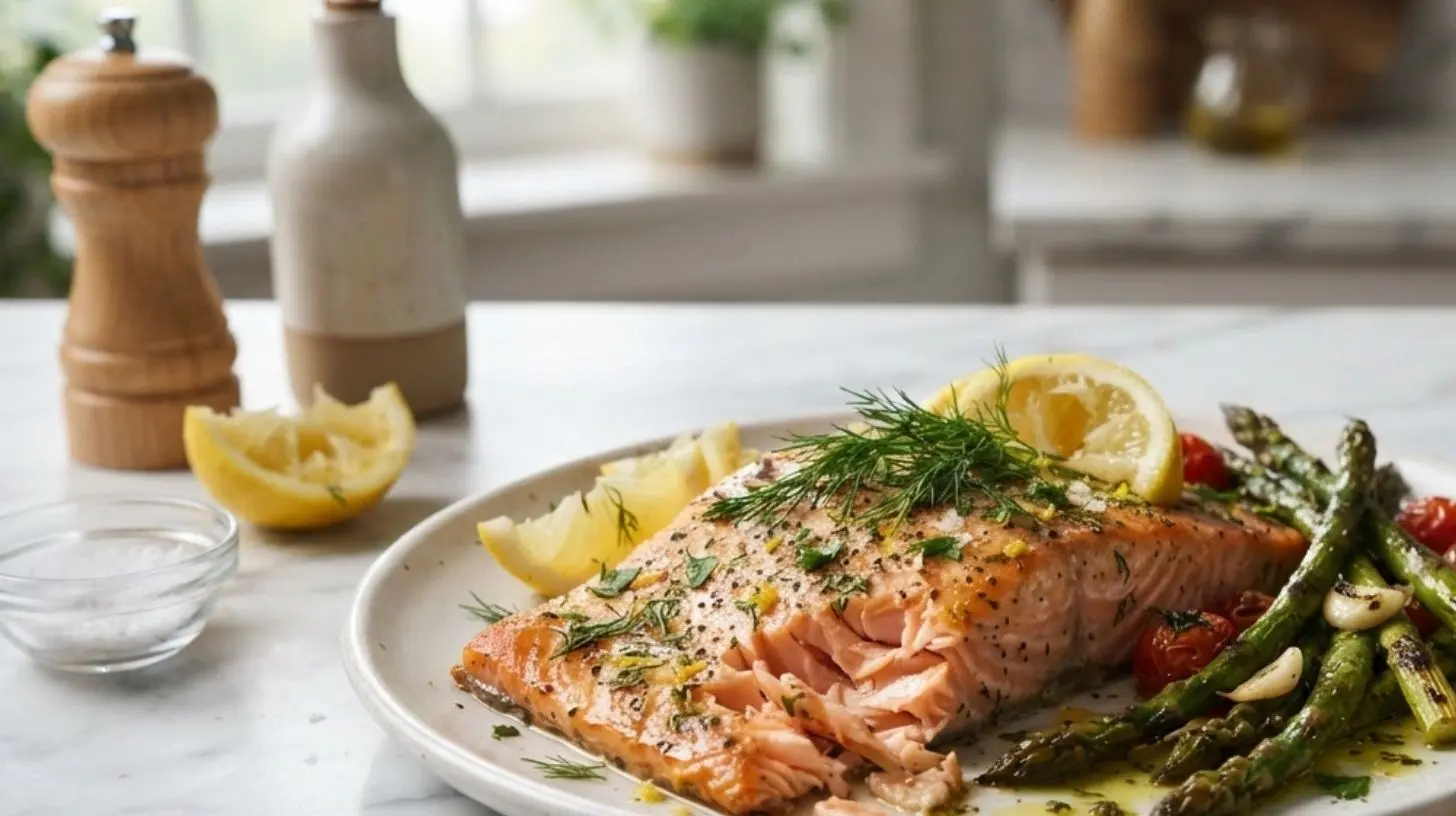
Baked Salmon
Learn how to grow the best Baked Salmon in just 3 steps!
Salmon fillets
Olive oil
Lemon
Garlic powder
Salt
Black pepper
Preheat the oven to 400°F.
Place salmon fillets on a baking sheet lined with parchment paper.
Drizzle olive oil over the salmon and season with salt, black pepper, garlic powder, and lemon slices.
Bake in the oven for 15-20 minutes until salmon is cooked through.
The Ultimate Guide to Perfectly Flaky Salmon Every Time
Have you ever wondered why restaurant salmon always tastes better than what you make at home? The secret isn’t a fancy oven—it’s understanding the precise balance of temperature, timing, and technique. Whether you’re preparing a quick weeknight meal or an impressive dinner for guests, mastering salmon at home saves money and gives you total control over flavor and nutrition. In this guide, we’ll dive deep into two standout methods: a classic Baked Salmon with garlic and a smoky, sweet Cedar Plank Salmon finished with a maple-Dijon glaze. Learning to cook baked salmon properly will transform your kitchen confidence, and exploring a cedar plank salmon recipe adds a whole new dimension of flavor. By the end of this post, you’ll be able to replicate that restaurant-quality finish without leaving home.
—
Ingredients & Kitchen Tools
For the Classic Baked Salmon (Serves 4)
– 4 salmon fillets (6 oz each) – Look for wild-caught if possible; skin-on helps retain moisture.
– 3 cloves garlic, minced – Fresh is best; pre-minced jarred garlic can be less pungent.
– 2 tbsp olive oil – Extra virgin adds fruity notes, but light olive oil works too.
– 1 lemon – Juice and zest for brightness.
– 1 tsp salt – Use kosher or sea salt for even seasoning.
– ½ tsp black pepper – Freshly ground preferred.
– Optional: fresh dill or parsley – For garnish and aroma.
For the Cedar Plank Salmon
– 1 untreated cedar plank – Soak in water for at least 1 hour before using.
– ¼ cup maple syrup – Pure maple syrup gives the best caramelization.
– 2 tbsp Dijon mustard – Smooth or whole-grain both work.
– 1 tbsp soy sauce – For umami depth.
– 1 tsp smoked paprika – Adds subtle smokiness.
– Salmon fillets – Same as above.
Essential Kitchen Tools
– Baking sheet or oven-safe dish (lined with parchment for easy cleanup)
– Small bowl for glaze
– Tongs for flipping or transferring
– Instant-read thermometer (key for perfect doneness)
– For plank method: a sturdy baking sheet to hold the plank
—
Prep Time & Cooking Schedule
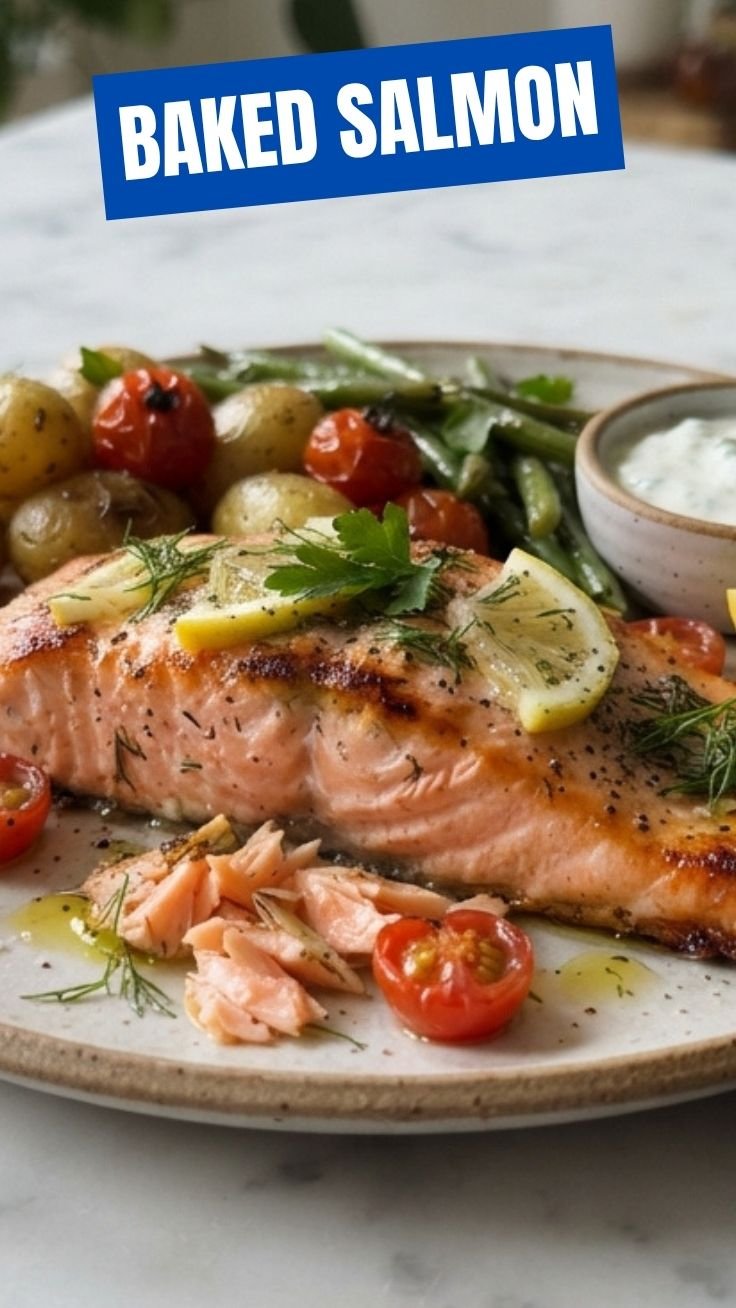
– Prep time: 15 minutes (including soaking the cedar plank if using)
– Cook time: 12–15 minutes for fillets (depending on thickness)
– Resting time: 5 minutes (critical for juiciness)
– Total time: 32–35 minutes
Planning tip: If you’re using the cedar plank method, start soaking the plank at least an hour before you begin cooking. For the classic baked salmon, preheat your oven to 400°F (200°C) while you prepare the fillets.
—
Step-by-Step Instructions
Classic Baked Salmon with Garlic
1. Preheat the oven to 400°F (200°C). Line a baking sheet with parchment paper.
2. Pat salmon fillets dry with paper towels – this helps the seasoning stick and promotes browning.
3. Season generously: In a small bowl, mix minced garlic, olive oil, lemon juice, zest, salt, and pepper. Brush the mixture over the fillets, coating all sides.
4. Arrange skin-side down on the baking sheet. If fillets are uneven in thickness, fold the thinner ends under to ensure even cooking.
5. Bake for 12–15 minutes – the internal temperature should reach 125°F (52°C) for medium, or 135°F (57°C) for well-done. Let rest 5 minutes before serving. This particular baked salmon method keeps the center tender and flaky. For a twist, you can also try the cedar plank salmon technique described below, which imparts a gentle wood-fired aroma.
Cedar Plank Salmon with Maple-Dijon Glaze
1. Soak the cedar plank in water for at least 1 hour (weight it down with a bowl to keep it submerged).
2. Mix the glaze: Combine maple syrup, Dijon mustard, soy sauce, and smoked paprika in a small bowl.
3. Preheat oven to 375°F (190°C). Place the soaked plank on a baking sheet.
4. Place salmon fillets on the plank (skin optional – if skin-on, place skin-side down). Brush generously with half the glaze.
5. Bake for 14–16 minutes – the wood will steam and then char slightly, releasing smoky flavors. In the last 3 minutes, brush with remaining glaze. The cedar plank salmon emerges with a caramelized top and infused smoky sweetness that pairs beautifully with the garlic notes of a classic baked salmon.
> Temperature cue: Salmon is done when it flakes easily with a fork but still looks moist. The FDA recommends 145°F (63°C), but many chefs pull it at 125°F for a tender texture.
—
Nutritional Benefits & Advantages
Salmon is a powerhouse of nutrition. A 6-ounce fillet provides about 40 grams of protein, over 3 grams of omega-3 fatty acids (DHA and EPA), and significant amounts of vitamin B12, selenium, and vitamin D. Omega-3s are linked to reduced inflammation, better heart health, and improved brain function. Wild-caught salmon typically has a higher omega-3 content than farmed, but both are excellent choices. Baking preserves these delicate fats better than high-heat frying, making baked salmon a heart-friendly cooking method. The maple-Dijon glaze in cedar plank salmon adds antioxidants from maple syrup and anti-inflammatory compounds from mustard seeds.
—
Tips, Variations & Cooking Advice
– Flavor swaps: Replace garlic with ginger and soy for an Asian twist. Swap maple syrup with honey or brown sugar.
– Herb substitutions: Use thyme, oregano, or tarragon instead of dill.
– Cooking method alternative: Try the same glaze on a skillet-seared fillet for a crispy crust.
– Portion changes: For thicker fillets (1½ inches), add 3–4 minutes to the bake time. For thinner fillets (½ inch), reduce by 3 minutes.
– Dietary adaptations: Both recipes are naturally gluten-free. For dairy-free, ensure no butter is added; the olive oil and maple-Dijon glaze are already dairy-free.
– Cedar plank shortcut: If you don’t have a plank, you can get a similar smoky effect by adding a few soaked wood chips in a foil packet on the oven rack (below the salmon).
—
Common Mistakes to Avoid
– Overcooking: This is the #1 mistake. Salmon continues to cook after you pull it from the oven (carryover cooking of about 5°F). Remove it when the center is slightly under your target.
– Skipping the rest: Cutting into salmon immediately causes juices to run out. Let it rest for 5 minutes.
– Not drying the skin: If cooking skin-on, moisture on the skin prevents crisping. Pat dry thoroughly.
– Overcrowding the pan: Leave at least 1 inch between fillets so steam doesn’t trap moisture.
– Ignoring temperature zones: The thin tail end cooks faster than the thick belly. Tuck the thin part under to avoid dryness.
—
Storage & Meal Prep Tips
– Refrigeration: Store leftover cooked salmon in an airtight container for up to 3 days. Place a paper towel underneath to absorb excess moisture.
– Freezing: Cool completely, wrap tightly in plastic wrap then foil, and freeze for up to 3 months. Thaw overnight in the refrigerator.
– Reheating: For best texture, reheat in a 275°F (135°C) oven for 10 minutes (covered with foil to prevent drying). Alternatively, flake cold salmon over salads or mix into pasta.
– Meal prep: Cook salmon ahead, portion it into servings, and add to grain bowls or wraps throughout the week. The cedar-plank method also freezes well; just slice before freezing for quick portions.
—
Conclusion
Perfectly cooked salmon doesn’t have to be a mystery. By following these temperature cues, resting periods, and simple seasoning techniques, you can consistently create a flaky, moist entrée that rivals any restaurant. Whether you choose the garlic-infused simplicity of a classic baked salmon or the nuanced smoke of a maple-Dijon cedar plank salmon, you’re adding a versatile, nutrient-dense dish to your repertoire. Remember: the oven is your friend, a thermometer is your guide, and resting is non‑negotiable. I encourage you to try one of these methods tonight and share your results—tag a photo or leave a comment below with your favorite variation. Your kitchen is closer to culinary excellence than you think.
—
FAQs
1. Can I use frozen salmon directly in the oven?
Yes, but thaw it first in the refrigerator for best results. Baking from frozen leads to uneven cooking and moisture loss. If in a hurry, thaw under cold running water (in a sealed bag) for 30–40 minutes.
2. What if I don’t have a cedar plank? Can I still get that smoky flavor?
Absolutely. Place a handful of soaked wood chips in a foil packet, poke holes in the packet, and set it on the oven rack below the baking sheet. The smoke will infuse the salmon without needing a plank.
3. How do I know when salmon is done without a thermometer?
Use the fork test: insert a fork at an angle into the thickest part and twist gently. If the flesh separates easily and looks opaque (not translucent), it’s done. The flakes should be moist, not dry or falling apart.
4. My glaze burned in the oven. What happened?
Maple syrup and sugar-based glazes can burn if brushed on too early or if the oven is too hot. Apply half the glaze at the start, then add the remaining glaze during the last 3–4 minutes of baking. Lower the oven temperature to 375°F for the cedar plank method.
5. Can I make this recipe dairy-free or gluten-free?
Yes, both the classic baked salmon and cedar plank salmon are naturally gluten-free (just ensure your soy sauce is tamari for gluten-free). They are also dairy-free since no butter or cream is used. For a nut-free version, the recipes are already nut-free.
Quick way to grow best Baked Salmon in 3 steps. Baked Salmon
Equipment
- Oven
- Baking sheet
- Parchment paper
Ingredients
Salmon
- 2 (6 oz each) Salmon fillets
- 1 tablespoon Olive oil
- 1 Lemon thinly sliced
- 1/2 teaspoon Garlic powder
- 1/2 teaspoon Dried dill
- 1/4 teaspoon Salt
- 1/4 teaspoon Black pepper
Instructions
Preparation
- Preheat your oven to 400°F (200°C) and line a baking sheet with parchment paper for easy cleanup.
Seasoning and Baking
- Place salmon fillets on the prepared baking sheet, drizzle with olive oil, then season with garlic powder, dried dill, salt, and pepper.
- Top each fillet with lemon slices and bake for 12-15 minutes, or until the salmon flakes easily with a fork.
Serving
- Serve the baked salmon immediately with your favorite side dishes, such as roasted vegetables or a fresh salad.