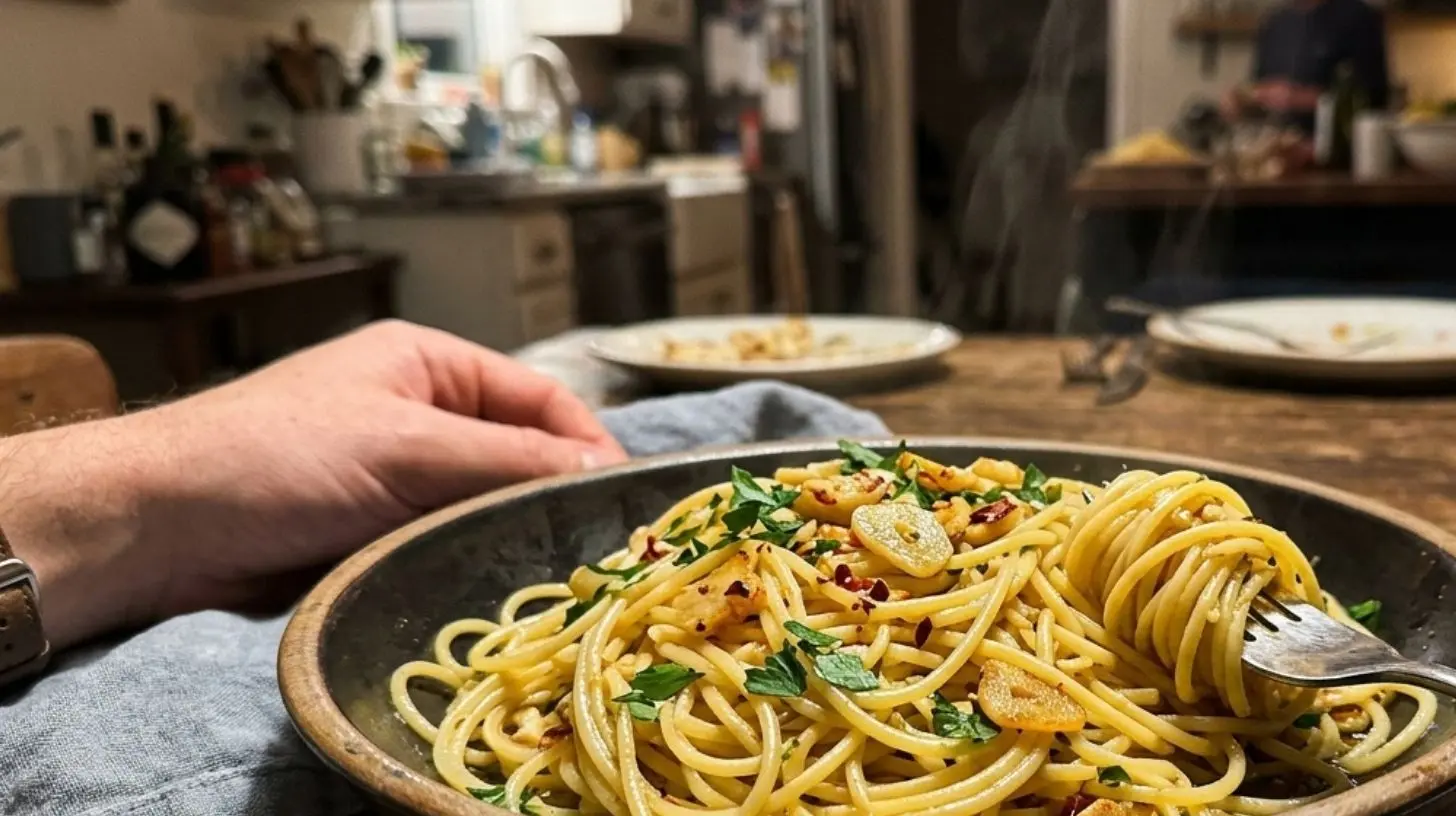
Quick way to grow your Aglio e Olio in 5 steps
Learn how to grow your own Aglio e Olio quickly.
Garlic
Olive Oil
Spaghetti
Red Pepper Flakes
Parmesan Cheese
Plant garlic cloves in soil and water regularly.
Make sure the garlic plant gets plenty of sunlight.
Water the plant when the soil feels dry to the touch.
Harvest the garlic bulbs when the leaves turn yellow.
Use your freshly grown garlic to make delicious Aglio e Olio.
Why Restaurant-Style Aglio e Olio Is Easier to Make at Home Than You Think
Have you ever wondered why the garlic and oil pasta at your favorite Italian spot tastes so much better than anything you’ve attempted in your own kitchen? The answer isn’t a secret ingredient or years of culinary training—it’s technique and timing. When you learn to properly prepare Aglio e Olio, you unlock one of the most satisfying and versatile dishes in Italian cuisine. This simple yet elegant recipe proves that extraordinary flavor doesn’t require elaborate preparation. Among the vast world of Pasta Recipes, few deliver such profound satisfaction with so few ingredients. By mastering this dish at home, you save money, control quality, and gain a reliable go-to meal that impresses every time.
Ingredients & Kitchen Tools
For the pasta: 400g dried spaghetti or linguine (use bronze-die-cut pasta for better sauce adhesion)
For the sauce: 6-8 garlic cloves, thinly sliced (not minced—slicing prevents burning)
The fat: ½ cup extra-virgin olive oil (quality matters significantly here)
Heat element: ½-1 teaspoon red pepper flakes (adjust to tolerance)
Finishing touches: ½ cup fresh parsley, chopped; 1 lemon for zest; flaky sea salt
Optional: ¼ cup reserved pasta water; 2 tablespoons capers for brininess
Kitchen tools: Large pot (6-8 quart), heavy-bottomed skillet or sauté pan, colander, chef’s knife, measuring spoons, microplane or zester
Prep Time & Cooking Schedule
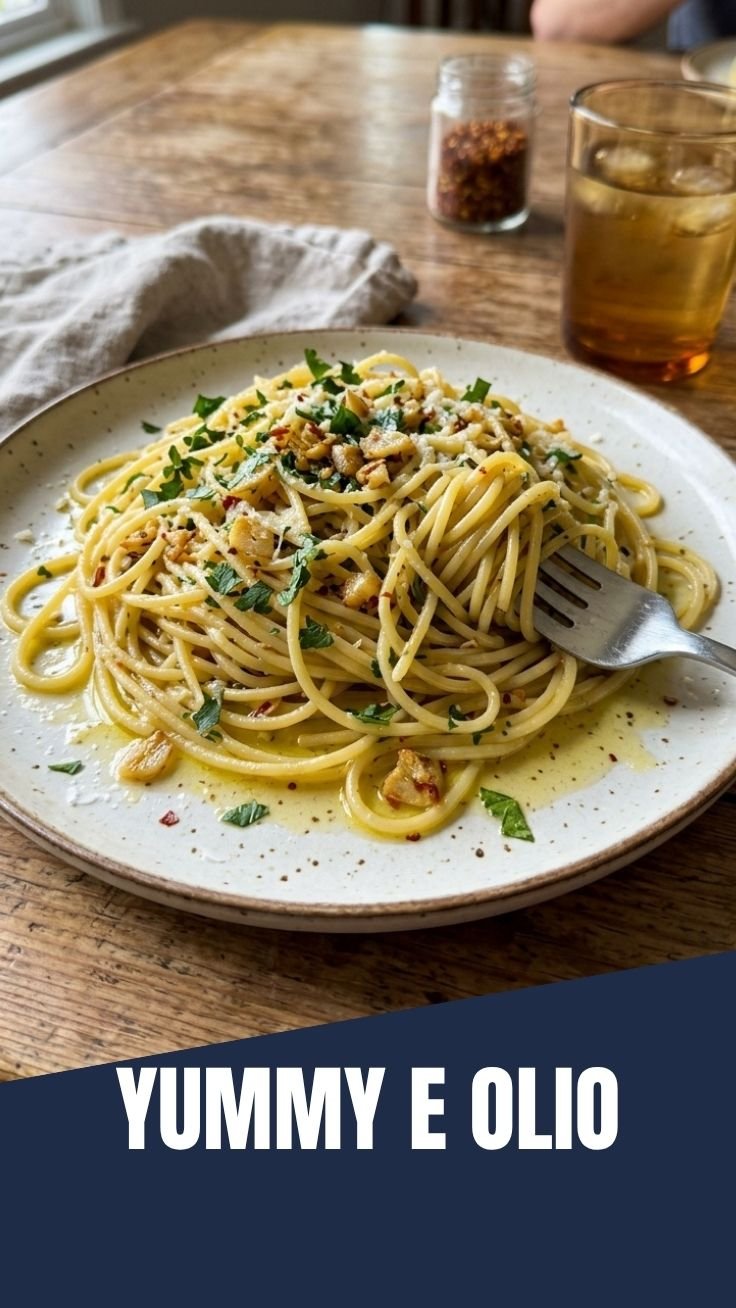
Total active time: 20 minutes from start to plate
Prep time: 5 minutes (slice garlic, chop parsley, zest lemon)
Cook time: 15 minutes (10 minutes for pasta, 5 minutes for sauce)
Resting time: None required—serve immediately
The beauty of this dish lies in its speed. Boil your pasta water first, then prepare all ingredients while the water heats. Everything comes together in the final 5 minutes, so have all components ready to go.
Step-by-Step Instructions
1. Bring generously salted water to a rolling boil (1 tablespoon salt per 4 quarts water). Add pasta and cook 1-2 minutes less than package directions for al dente texture.
2. While pasta cooks, warm olive oil in a large skillet over medium-low heat. Add sliced garlic and red pepper flakes. Cook slowly for 3-4 minutes, stirring occasionally, until garlic is fragrant and pale golden—not brown. If garlic browns, it becomes bitter.
3. Reserve 1 cup pasta water just before draining. Drain pasta but don’t rinse—starch helps the sauce cling.
4. Transfer drained pasta directly to the skillet with garlic oil. Toss well over low heat. Add pasta water ¼ cup at a time, tossing vigorously after each addition to create an emulsified sauce. This technique, essential for authentic Aglio e Olio, transforms simple oil into a silky coating. Many Pasta Recipes rely on cream or butter for richness, but this method achieves luxury through emulsification alone.
5. Remove from heat. Fold in fresh parsley and lemon zest. Taste and adjust salt—remember the pasta water adds salinity.
6. Serve immediately in warm bowls with extra red pepper flakes and a drizzle of good olive oil.
Temperature cue: The sauce should shimmer, not sizzle. If garlic bubbles aggressively, heat is too high.
Nutritional Benefits & Advantages
This dish delivers surprising nutritional value for its simplicity. Extra-virgin olive oil provides heart-healthy monounsaturated fats and polyphenols with anti-inflammatory properties. Garlic contains allicin, a compound linked to immune support and cardiovascular health. The moderate heat from red pepper flakes may boost metabolism and aid digestion. At approximately 450-500 calories per serving, this pasta offers sustained energy from complex carbohydrates without heavy cream or excessive cheese. The plant-based nature makes it naturally vegan and dairy-free.
Tips Variations & Cooking Advice
Flavor variations: Add anchovy fillets (2-3, minced) with the garlic for umami depth. Toss in cherry tomatoes halved and warmed through. Incorporate sautéed mushrooms or wilted spinach for vegetables.
Protein additions: Pan-seared shrimp, grilled chicken, or crispy pancetta transform this into a main course. Cook protein first, remove from pan, then proceed with garlic oil.
Dietary adaptations: Use gluten-free spaghetti (cook according to package, which may differ) or zucchini noodles for low-carb. The sauce works identically.
Texture adjustments: For extra crunch, toast panko breadcrumbs in a separate pan with olive oil until golden, then sprinkle over finished dish.
Common Mistakes to Avoid
Burning the garlic: This ruins the entire dish irreparably. Keep heat at medium-low and remove garlic the moment it turns pale gold.
Skipping the pasta water emulsion: Dry pasta with oily garlic creates a greasy, uncooperative dish. The starch in pasta water binds oil and water into a cohesive sauce.
Using pre-minced garlic: Jarred garlic contains preservatives and moisture that prevent proper toasting. Fresh garlic sliced thinly provides superior flavor and texture.
Overcooking the pasta: Slightly undercooked pasta continues cooking in the hot sauce. Overcooked noodles become mushy and won’t hold the sauce.
Storage & Meal Prep Tips
Refrigeration: Store in airtight container up to 3 days. The pasta absorbs oil overnight, so texture changes slightly—still delicious, especially cold as a pasta salad.
Freezing: Not recommended. Thawed pasta becomes mushy, and the emulsified sauce breaks upon reheating.
Reheating: Place in skillet with 2 tablespoons water or broth over medium-low heat. Toss gently until warmed through. Avoid microwave, which unevenly heats and dries noodles.
Meal prep: Cook pasta and garlic oil separately. Store oil at room temperature, pasta refrigerated. Reheat oil in skillet, add pasta with splash of water, and finish together. This preserves texture better.
Conclusion
Mastering this iconic garlic and oil pasta transforms your weeknight cooking repertoire. The beauty of Aglio e Olio lies in its deceptive simplicity—few ingredients demand precise technique, but the payoff is extraordinary flavor from pantry staples. This dish proves that remarkable Pasta Recipes don’t require hours of preparation or exotic ingredients. Focus on quality olive oil, careful garlic toasting, and proper pasta water emulsification, and you’ll create restaurant-caliber results every time. Try it tonight, and share your version with friends—they’ll ask for the recipe immediately.
FAQs
Can I use other pasta shapes besides spaghetti?
Absolutely. Linguine, fettuccine, bucatini, or even short shapes like orecchiette work well. Adjust cooking time accordingly and maintain similar sauce-to-pasta ratios.
My garlic burned—can I save the dish?
Unfortunately, burnt garlic imparts an acrid bitterness that permeates the oil. Start fresh. To prevent recurrence, keep heat low and remove garlic from oil the moment it turns golden.
How do I make this dish spicier without overpowering it?
Add whole dried chilies along with the garlic for subtle heat, or finish with Calabrian chili paste stirred in at the end. This builds complexity rather than one-dimensional heat.
Is there a substitute for fresh parsley?
Fresh basil works beautifully, as does fresh oregano (use sparingly—it’s potent). In winter, try fresh chives or a sprinkle of dried oregano added with the garlic.
Why does my sauce separate instead of coating the pasta?
You likely skipped the pasta water or didn’t toss vigorously enough. The starch in pasta water acts as an emulsifier. Add water gradually while tossing with energy—the sauce should look creamy, not oily.
Quick way to grow your Aglio e Olio in 5 steps
Equipment
- Large Pot
- Large Skillet
Ingredients
Main Ingredients
- 200 g Spaghetti
- 4 cloves Garlic sliced
- 4 tbsp Olive Oil
- 0.5 tsp Red Pepper Flakes
Garnish (Optional)
- 2 tbsp Fresh Parsley chopped
- 2 tbsp Parmesan Cheese grated
Instructions
Preparation
- Cook spaghetti according to package directions until al dente.
- While pasta cooks, heat olive oil in a pan over medium heat.
Cooking
- Add sliced garlic and red pepper flakes to the pan, cooking until garlic is fragrant and lightly golden.
- Drain spaghetti, reserving a cup of pasta water, then add the spaghetti to the pan with the garlic and oil.
Finishing
- Toss well, adding a splash of reserved pasta water if needed to create a light sauce. Garnish with fresh parsley and Parmesan cheese if desired.