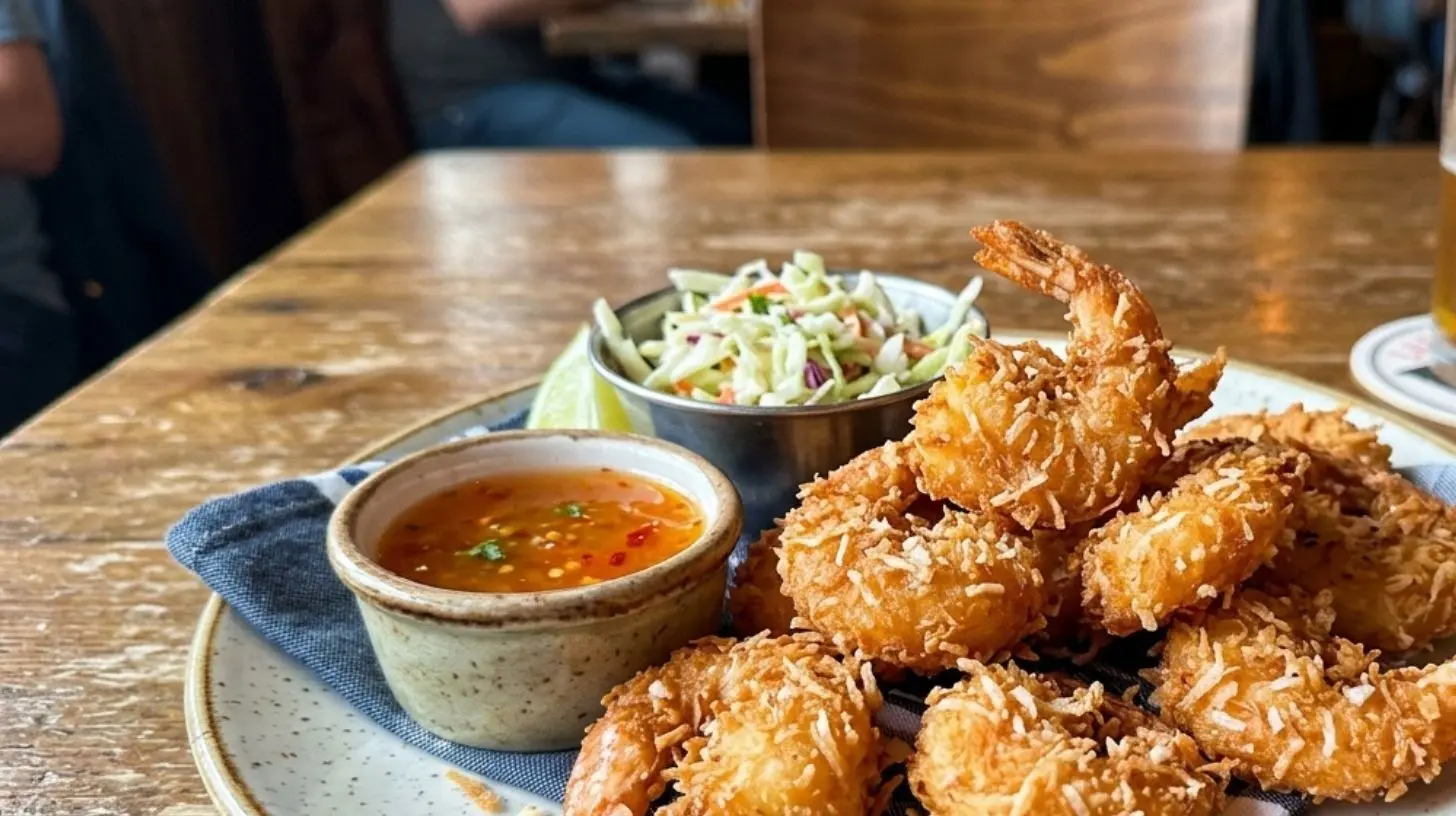
Proven way to grow 5 Coconut Shrimp
Learn how to make delicious coconut shrimp with this simple recipe.
Shrimp
Coconut Flakes
Flour
Egg
Salt
Peel and devein the shrimp.
Coat each shrimp in flour.
Dip the floured shrimp in beaten eggs.
Coat the shrimp with coconut flakes.
Fry the shrimp in hot oil until golden brown.
Serve and enjoy your delicious coconut shrimp!
Crispy Coconut Shrimp: Your New Favorite Home-Cooked Appetizer
Have you ever wanted to recreate that restaurant-quality Coconut Shrimp at home? It’s easier than you think, and the result is far more rewarding than takeout. With the right techniques and a reliable coconut shrimp recipe, you can achieve golden, crispy perfection without leaving your kitchen. Making it yourself also lets you control the quality of ingredients, adjust seasoning, and avoid excess oil—giving you a healthier, fresher version of this beloved appetizer.
—
Ingredients & Kitchen Tools
Shrimp – 1 lb large raw shrimp, peeled and deveined (tails on for easier handling).
Unsweetened shredded coconut – 1 cup; gives that signature texture and sweetness.
Panko breadcrumbs – ½ cup; adds extra crunch. Optional: use gluten-free panko or crushed pork rinds for keto.
All-purpose flour – ½ cup; helps the coating stick. Substitute with almond flour for low-carb.
Eggs – 2 large, beaten; acts as the binder.
Salt & pepper – to taste.
Paprika or cayenne – ½ tsp each (optional, for warmth).
Oil for frying – vegetable, canola, or coconut oil (coconut oil enhances the flavor).
Tools: mixing bowls, whisk, shallow dishes for breading, frying pan or deep skillet, paper towels, thermometer (ideal but not required).
—
Prep Time & Cooking Schedule
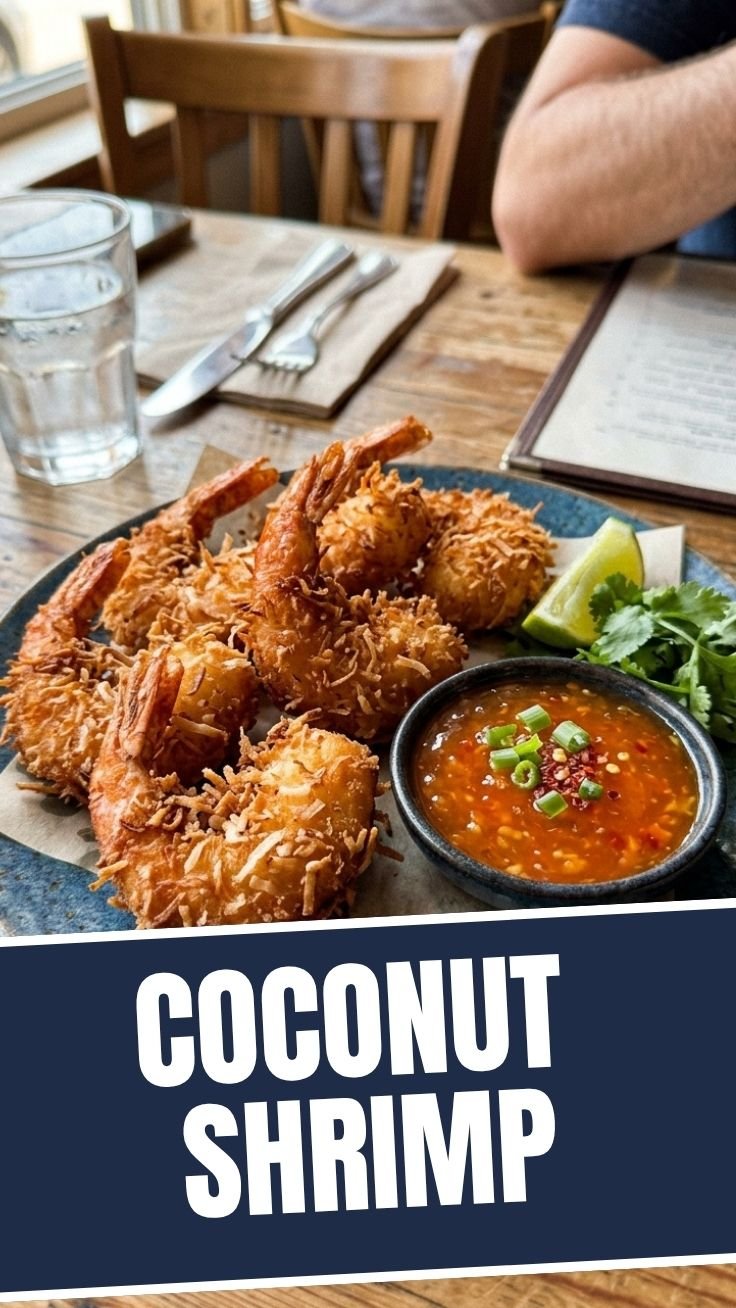
Total time: ~25 minutes
– Prep time: 15 minutes (thaw, peel, set up breading station)
– Cook time: 8–10 minutes (fry in batches)
– Resting time: None needed, but draining on paper towels for 1 minute helps keep crispiness.
Plan accordingly: pat shrimp dry before breading to prevent steam from softening the coating.
—
Step-by-Step Instructions
1. Prepare the shrimp. Rinse and pat each shrimp completely dry with paper towels. Season lightly with salt, pepper, and paprika.
2. Set up breading station. In one bowl, place flour. In a second, beat eggs with a pinch of salt. In a third, combine shredded coconut with panko breadcrumbs.
3. Coat the shrimp. Dredge each shrimp first in flour (shake off excess), then dip into egg, then press firmly into the coconut-panko mixture. Ensure full coverage.
4. Heat the oil. Pour 1½ inches of oil into a heavy skillet and warm to 350°F (175°C). Test by dropping a breadcrumb – it should sizzle immediately.
5. Fry in batches. Place coated shrimp into the hot oil without crowding. Cook 2–3 minutes per side until golden brown. For the best Coconut Shrimp, avoid overcooking – shrimp become tough in seconds. Transfer to paper towels.
6. Serve hot. This coconut shrimp recipe (coconut shrimp recipe) truly shines when paired with a sweet chili dipping sauce.
Pro tip: If the coating starts to brown too fast, lower the heat. Maintain oil temperature between 340–350°F for even cooking.
—
Nutritional Benefits & Advantages
Shrimp is an excellent source of lean protein, selenium, and vitamin B12. Coconut provides healthy medium-chain triglycerides (MCTs) that support metabolism. Using unsweetened coconut keeps added sugars low. For a lighter version, air-fry at 375°F for 8 minutes, flipping once – you’ll reduce oil by up to 75% while keeping the crunch.
—
Tips Variations & Cooking Advice
– Flavor twist: Add a pinch of curry powder or lime zest to the coconut mixture.
– Ingredient swap: Use almond flour and omit panko for a keto-friendly, gluten-free alternative.
– Cooking method: Bake at 400°F for 12 minutes on a wire rack (spray lightly with oil) for a lower-fat version.
– Portion change: Double the batch for parties; reheat in the oven at 350°F for 5 minutes.
– Dairy-free? This recipe already is – just check that your panko brand is dairy-free.
—
Common Mistakes to Avoid
– Soggy coating – not drying shrimp properly. Always pat dry before breading.
– Oil too cold or too hot – use a thermometer. Cold oil absorbs grease; hot oil burns the coating before shrimp cooks.
– Overcrowding the pan – lowers oil temperature and causes uneven cooking. Fry in small batches.
– Skipping the flour – the flour layer is crucial for the egg to adhere. Skip it and the coconut will fall off.
– Using sweetened coconut – burns quickly and makes the shrimp overly sweet. Stick with unsweetened.
—
Storage & Meal Prep Tips
Refrigerate: Store leftover Coconut Shrimp in an airtight container for up to 3 days.
Freeze: Place cooked shrimp in a single layer on a baking sheet, freeze until solid, then transfer to a freezer bag. They keep for up to 2 months.
Reheat: For best texture, warm in an oven at 350°F for 5–7 minutes or in an air fryer at 375°F for 3–4 minutes. Avoid microwaving – it will turn the coating chewy.
—
Conclusion
Mastering homemade Coconut Shrimp is all about technique: dry shrimp, hot oil, and a balanced coating. Once you’ve tried this approach, you’ll never settle for frozen versions again. Pair it with a tangy dipping sauce, and you have a crowd‑pleasing appetizer that’s surprisingly quick to prepare. Give this coconut shrimp recipe a try, and share your results in the comments – we’d love to hear how it turned out!
—
FAQs
1. Can I use frozen coconut flakes?
Yes, but toast them lightly in a dry pan for 2 minutes to enhance flavor and crunch.
2. What’s the best oil for frying Coconut Shrimp?
Coconut oil adds complementary flavor, but vegetable or canola oil works fine. Aim for a high smoke point (400°F+).
3. How do I keep the breading from falling off during frying?
Make sure each layer is pressed firmly into the shrimp, and let the breaded shrimp rest for 5 minutes on a wire rack before frying. This helps the coating set.
4. Can I make this gluten-free?
Absolutely. Replace all-purpose flour with a gluten-free blend (or rice flour) and use gluten-free panko or crushed pork rinds.
5. My shrimp turned out rubbery. What went wrong?
Overcooking is the main culprit. Shrimp cook in 2–3 minutes per side – once they curl and turn opaque, they’re done. Remove immediately from the oil.
Proven way to grow 5 Coconut Shrimp
Equipment
- Skillet
- Deep Fryer
- Wire Rack
Ingredients
Main
- 10 pieces large shrimp
- 0.5 cup all-purpose flour
- 2 eggs, beaten
- 1.5 cups unsweetened shredded coconut
- 0.5 teaspoon salt
- 0.25 teaspoon black pepper
- 2 cups vegetable oil, for frying
Instructions
Preparation
- Peel and devein the shrimp, leaving the tails on, then pat them dry.
- Set up a breading station with three shallow dishes: one for flour, one for beaten eggs, and one for shredded coconut mixed with salt and pepper.
Cooking
- Dredge each shrimp in flour, then dip in egg, and finally coat thoroughly with the coconut mixture.
- Heat vegetable oil in a large skillet or deep fryer to 350°F (175°C).
- Fry the shrimp in batches for 2-3 minutes per side, until golden brown and cooked through.
- Remove fried shrimp and place them on a wire rack lined with paper towels to drain excess oil.
Serving
- Serve the coconut shrimp immediately with your favorite dipping sauce.