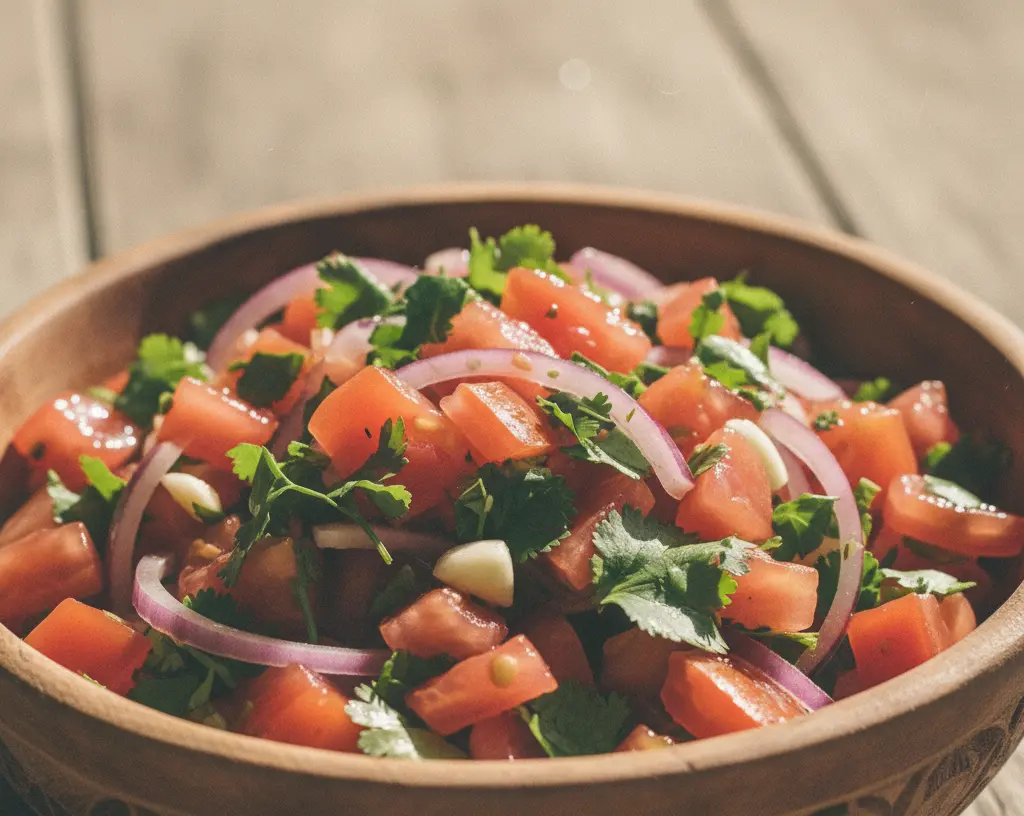
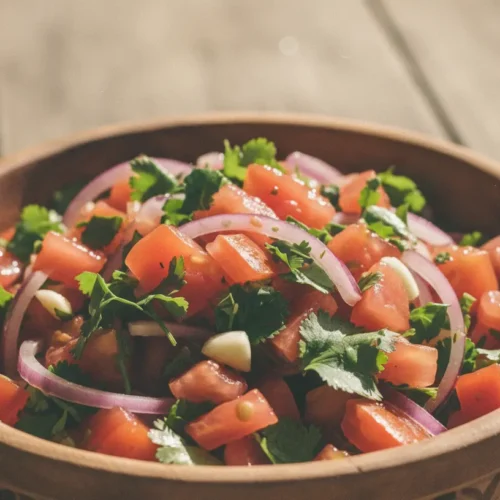
Quick Pico de Gallo Recipe
Learn how to make a fresh and tasty Pico de Gallo in no time!
Tomatoes
Onion
Cilantro
Lime
Salt
Chop the tomatoes, onions, and cilantro finely.
Squeeze the lime juice over the chopped ingredients.
Add a pinch of salt and mix everything together.
Fresh Homemade Pico de Gallo: The Ultimate Chunky Tomato Salsa Recipe
Have you ever wondered why the Pico de Gallo at your favorite Mexican restaurant tastes so incredibly fresh and vibrant? The secret isn’t complicated—it’s about using peak-season ingredients and the right technique. Making this classic salsa fresca at home not only saves money but also lets you control every element of flavor and freshness.
Ingredients & Kitchen Tools
Essential Ingredients
– Roma tomatoes (6 medium) – Firm, ripe Roma tomatoes provide the best texture and lower seed content. Avoid mushy or overripe tomatoes.
– White onion (½ cup, finely diced) – White onion offers the sharpest, most authentic bite. Soak in cold water for 10 minutes to mellow the heat if desired.
– Fresh cilantro (¼ cup, chopped) – Use only the leaves and tender stems. Avoid the thick bottom stems, which can be bitter.
– Jalapeño pepper (1–2, seeded and minced) – Remove seeds and membranes for milder heat. Serrano peppers can substitute for extra spice.
– Fresh lime juice (2–3 tablespoons) – Always use fresh limes, not bottled juice. The acidity brightens all other flavors.
– Sea salt (½ teaspoon, or to taste) – Use fine sea salt for even distribution. Kosher salt works well too.
Essential Kitchen Tools
– Chef’s knife (8-inch) – A sharp knife ensures clean cuts and prevents bruising delicate tomatoes.
– Cutting board – Use a large, stable board. Consider separate boards for onions and garlic to prevent flavor transfer.
– Mixing bowl (medium) – Stainless steel or glass works best; avoid reactive aluminum bowls that can alter flavor.
– Fine-mesh strainer – For draining excess liquid from tomatoes after dicing, preventing a watery salsa.
Optional Substitutions
– Onion alternative – Red onion can replace white onion for a milder, slightly sweeter flavor.
– Heat variation – Add ½ teaspoon of crushed red pepper flakes if fresh chilies are unavailable.
– Herb swap – Replace cilantro with fresh flat-leaf parsley if you have the cilantro-soap gene (genetic sensitivity).
Prep Time & Cooking Schedule
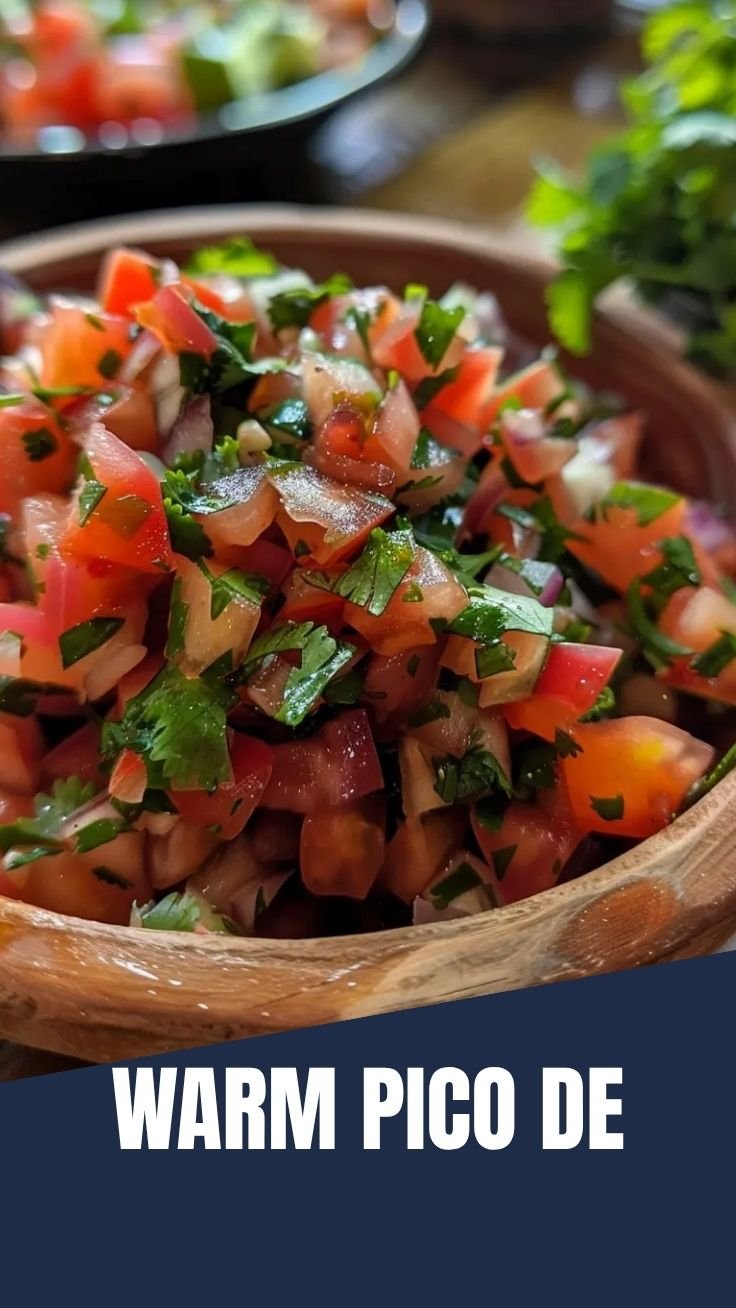
Total active time: 15–20 minutes
Resting time (optional but recommended): 30–60 minutes
Overall timeline: Approximately 1 hour from start to serving
The resting period is where the magic happens. As the tomatoes release their juices and the lime juice gently pickles the onions, the flavors meld into a harmonious blend. If you’re short on time, you can serve immediately, but the depth of flavor improves dramatically after even 20 minutes of rest.
For meal prep, chop vegetables the night before and combine just before serving. This prevents the tomatoes from becoming overly watery and keeps the texture fresh.
Step-by-Step Instructions
1. Prepare the tomatoes – Cut each Roma tomato in half lengthwise. Use a small spoon to gently scoop out the seeds and gel. This step is crucial—excess seeds create a watery salsa. Dice the tomato flesh into ¼-inch cubes. Place in a fine-mesh strainer over a bowl and sprinkle with ¼ teaspoon salt. Let drain while preparing other ingredients.
2. Dice the onion – Cut the white onion in half from root to stem. Remove the papery skin and trim the root end. Make horizontal cuts parallel to the cutting board, then vertical cuts, and finally slice downward for perfectly uniform dice. Rinse under cold water to remove harsh sulfur compounds, then pat dry.
3. Prepare the jalapeño – Slice the jalapeño lengthwise and scrape out seeds and membranes with the edge of a spoon. Mince finely—aim for pieces no larger than ⅛ inch. For added precision, chop them last so residual capsaicin doesn’t transfer to other ingredients.
4. Chop the cilantro – Gather cilantro leaves into a tight bunch and use a rocking motion with your knife to chop until pieces are uniform but not fine dust. Avoid over-chopping, which releases bitter flavors.
5. Combine everything – Transfer drained tomatoes, diced onion, minced jalapeño, and chopped cilantro to a mixing bowl. Pour in fresh lime juice and add remaining ¼ teaspoon salt.
6. Mix and rest – Stir gently with a spoon to combine. Taste and adjust seasoning—perhaps an extra squeeze of lime or pinch of salt. Once you have your perfectly chopped Pico de Gallo, let it rest at room temperature for 30 minutes. This traditional salsa fresca is best served the day it’s made.
Pro tip for texture control: If you prefer a chunkier consistency, cut ingredients slightly larger (⅓-inch cubes). For a finer salsa, dice smaller. Always keep pieces uniform so each bite delivers balanced flavor.
Nutritional Benefits & Advantages
Fresh Pico de Gallo is a nutritional powerhouse hiding in plain sight. Each serving (approximately ½ cup) contains:
– Calories: 25–35
– Vitamin C: 30–40% of daily needs (from tomatoes and lime juice)
– Vitamin A: 15–20% DV (from tomatoes)
– Fiber: 1–2 grams (from onions and tomatoes)
– Antioxidants: Lycopene from tomatoes supports heart health and reduces inflammation
The beauty of this salsa lies in its simplicity—it’s naturally gluten-free, vegan, dairy-free, and low-glycemic. Unlike many commercial salsas, homemade Pico de Gallo contains no added sugar, preservatives, or thickeners. The capsaicin in jalapeños may boost metabolism, while cilantro provides detoxifying compounds that support natural heavy metal chelation.
Tips Variations & Cooking Advice
Flavor Variations
– Mango Pico de Gallo – Replace one diced tomato with ½ cup fresh mango for tropical sweetness
– Roasted version – Char tomatoes, onion, and jalapeño on a grill or under a broiler before dicing for smoky depth
– Citrus boost – Swap 1 tablespoon of lime juice for fresh orange juice for milder acidity
Technique Enhancements
– Temperature control – Never refrigerate ingredients before combining. Room-temperature tomatoes yield brighter, more complex flavor
– Texture upgrade – If you’re serving immediately, add 1 teaspoon of olive oil to help flavors coat each piece evenly
Dietary Adaptations
– Low-sodium option – Use a salt substitute like potassium chloride or simply reduce salt to ¼ teaspoon
– Allium-free – Omit onion entirely and add 1 tablespoon of minced celery for crunch
– Extra mild – Use only ¼ teaspoon of minced jalapeño or substitute with bell pepper
Cooking Methods
This is a no-cook recipe, but for a deeper flavor profile, you can:
1. Dry-roast the jalapeño in a skillet for 3 minutes per side until skin blisters
2. Grill the onion slices for 4 minutes per side before dicing
3. Use a molcajete (lava stone mortar) to grind ingredients together for rustic texture
Common Mistakes to Avoid
1. Using mealy or under-ripe tomatoes – Watery, pale tomatoes produce bland salsa. Choose tomatoes that yield slightly to gentle pressure and have a deep red color. If only hothouse tomatoes are available, sprinkle with salt and drain for 15 minutes.
2. Skipping the seed removal – Tomato seeds contain a jelly-like substance that releases excess liquid. Remove them thoroughly. If you accidentally skip this step, add 2 tablespoons of finely crushed tortilla chips to absorb moisture.
3. Over-chopping ingredients – Turning vegetables into a paste destroys the chunky texture that defines Pico de Gallo. Keep pieces between ¼ and ⅓ inch.
4. Adding too much lime juice – Over-acidifying masks the natural sweetness of tomatoes. Start with 2 tablespoons and add more only if needed—salt enhances acidity perception on its own.
5. Refrigerating immediately – Cold temperature dulls flavor perception. Let the salsa rest at room temperature for at least 20 minutes to allow flavors to meld. Only refrigerate for storage.
6. Not tasting before serving – Onions and tomatoes vary dramatically in flavor. Always taste and adjust salt, lime juice, and heat before serving.
Storage & Meal Prep Tips
Refrigeration: Store fresh Pico de Gallo in an airtight container in the refrigerator for up to 3–4 days. The texture will soften as tomatoes release liquid, so drain excess liquid before serving leftovers.
Freezing: Not recommended for traditional Pico de Gallo. Freezing destroys the cell structure of raw tomatoes, resulting in a mushy, watery product upon thawing. If you must freeze, blanch tomatoes first and use the mixture for cooked dishes like soups or stews.
Reheating: Pico de Gallo is a raw salsa and is always served cold or room temperature. Never microwave or heat it, as this destroys the fresh flavor profile.
Meal prep strategy:
– Chop tomatoes, onions, and jalapeño up to 24 hours in advance
– Store each ingredient separately in airtight containers lined with paper towels
– Combine with lime juice and salt just before serving
– For quick weekday meals, pre-chop enough for two batches and use the second batch for taco Tuesday
Flavor preservation hack: Place a sheet of plastic wrap directly on the surface of the salsa before sealing the container. This minimizes oxidation and keeps colors vibrant.
Conclusion
Mastering fresh Pico de Gallo uplevels your cooking game instantly—this simple, vibrant condiment transforms tacos, grilled meats, salads, or even scrambled eggs. The key takeaways are simple: use peak-season Roma tomatoes, remove seeds for texture control, rest the salsa for at least 30 minutes, and always taste before serving. Making your own salsa fresca bypasses preservatives and delivers unmatched flavor. Ready to try it? Whip up a batch tonight, snap a photo, and share your creation—your taste buds (and dinner guests) will thank you. And once you’ve mastered this classic, explore our mango salsa or roasted corn salsa recipes for even more fresh flavors.
FAQs
Q: Can I use regular tomatoes instead of Roma tomatoes?
A: Roma tomatoes are preferred because they have thicker walls and fewer seeds. Romas provide the best texture, but you can substitute other varieties—just be sure to drain the chopped tomatoes after salting for 15 minutes to remove excess liquid. Large beefsteak tomatoes work but may produce a waterier result.
Q: How do I make Pico de Gallo less watery?
A: Three techniques prevent watery salsa: (1) thoroughly remove tomato seeds and gel, (2) salt diced tomatoes and drain in a strainer for 15 minutes, and (3) add diced avocado (which absorbs liquid) or 1 tablespoon of crushed tortilla chips just before serving.
Q: Why does my Pico de Gallo taste bitter?
A: Bitterness typically comes from two sources: (1) using too much cilantro stem (use only leaves and delicate upper stems) or (2) using old, dried-out lime juice. Always use fresh limes and taste before adding the full amount of cilantro.
Q: How can I make Pico de Gallo spicier without changing the texture?
A: For heat without additional liquid, use the seeds and membranes from the jalapeño instead of removing them. Alternatively, add a pinch of cayenne pepper or finely minced habanero (seeds removed). Avoid adding hot sauce, which introduces vinegar and changes the flavor profile.
Q: Can I can or preserve Pico de Gallo for long-term storage?
A: Traditional canning is not recommended for raw Pico de Gallo because the low acidity of tomatoes combined with raw garlic and onions creates an environment where harmful bacteria can survive. For long-term preservation, consider making a cooked salsa that uses vinegar and high-temperature processing.
Quick way to grow 7 Pico de Gallo recipesPico de Gallo
Equipment
- cutting board
- knife
- mixing bowls
Ingredients
Basic Pico de Gallo
- 2 cups diced tomatoes
- 1/2 cup diced onion
- 1 tablespoon minced jalapeño
- 1/4 cup chopped cilantro
- 1 tablespoon lime juice
- 1/2 teaspoon salt
Variations (choose any or all)
- 1/2 cup corn kernels for Corn Pico
- 1/2 cup black beans for Black Bean Pico
- 1 diced avocado for Avocado Pico
- 1/2 cup diced mango for Mango Pico
- 1/2 cup diced pineapple for Pineapple Pico
- 1/2 cup diced cucumber for Cucumber Pico
- 1/2 cup diced bell pepper (any color) for Bell Pepper Pico
Instructions
Basic Pico de Gallo
- Combine diced tomatoes, diced onion, minced jalapeño, chopped cilantro, lime juice, and salt in a bowl.
- Stir well to combine all ingredients and adjust seasoning to taste.
For Variations
- Divide the basic Pico de Gallo into separate bowls for each desired variation.
- Add the chosen additional ingredient (e.g., corn, black beans, avocado) to each bowl and stir gently to combine.