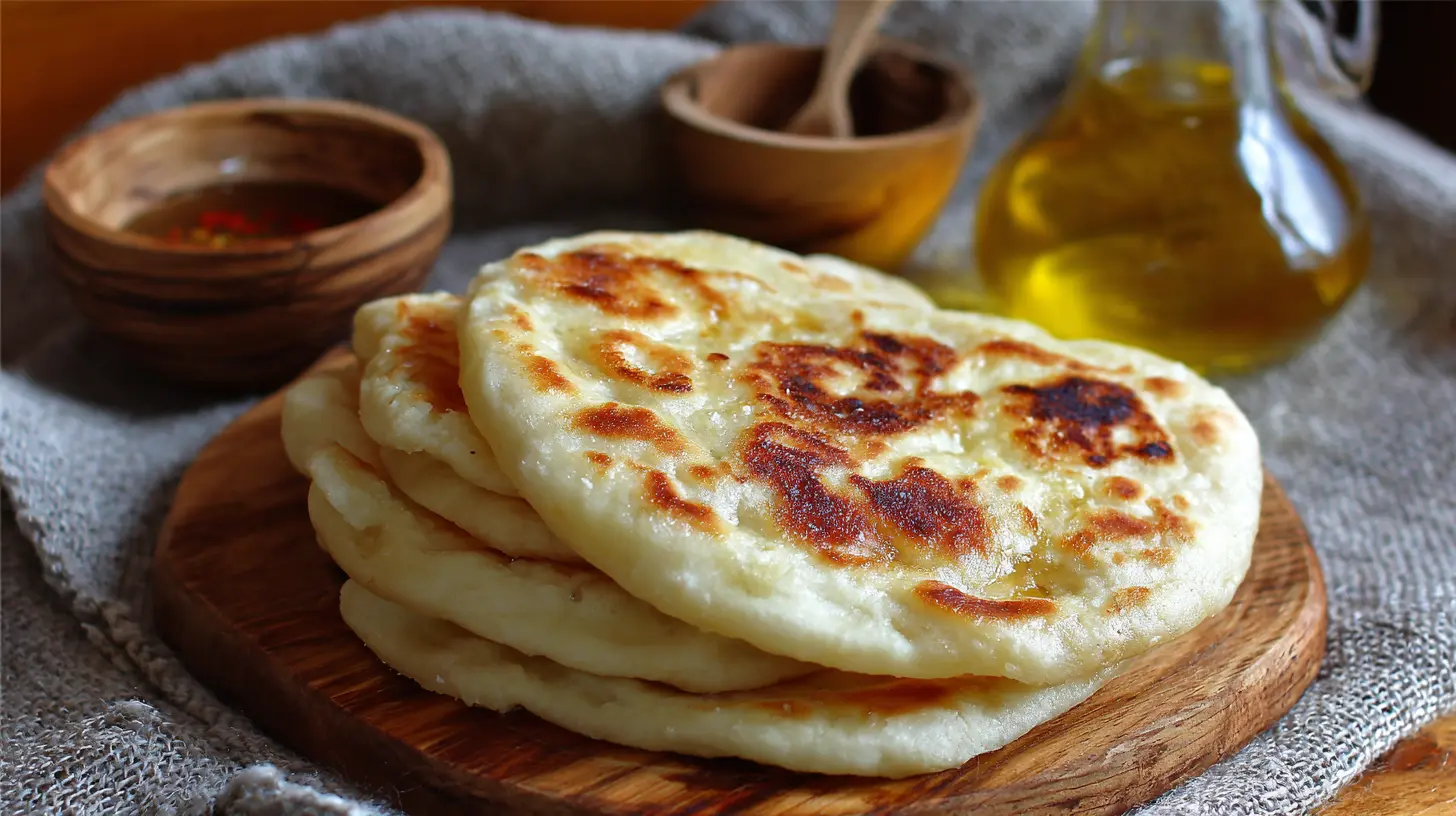
How to Grow Turkish Bread – Bazlama
Learn how to make fluffy Turkish bazlama bread from scratch!
Flour
Yeast
Water
Salt
Olive Oil
Mix flour, yeast, water, salt, and olive oil in a bowl.
Knead the dough until smooth and elastic.
Let the dough rise in a warm place for 1 hour.
Divide the dough into balls and flatten them into rounds.
Cook the bread on a hot griddle until golden brown.
How to Make Authentic Turkish Bread – Bazlama at Home
Have you ever tasted the pillowy softness of freshly made Turkish Bread – Bazlama and wondered if you could recreate that magic in your own kitchen? This traditional Turkish Flatbread is surprisingly simple to make at home, requiring just a few basic ingredients and some patience. Making your own Turkish Bread – Bazlama allows you to enjoy this versatile bread fresh from the pan, without preservatives, and with the satisfaction that comes from crafting something delicious with your own hands.
Ingredients & Kitchen Tools
For the Dough:
– 4 cups all-purpose flour (plus extra for dusting)
– 2¼ teaspoons active dry yeast (1 packet)
– 1 tablespoon sugar (helps activate the yeast)
– 1 teaspoon salt
– 1½ cups warm water (about 110°F)
– 2 tablespoons olive oil (plus more for brushing)
– 1 tablespoon plain yogurt (adds tenderness)
Kitchen Tools Needed:
– Large mixing bowl
– Measuring cups and spoons
– Clean kitchen towel
– Cast iron skillet or heavy-bottomed pan
– Rolling pin
– Wooden spoon
– Pastry brush (for applying olive oil)
– Spatula
Prep Time & Cooking Schedule
– Prep Time: 20 minutes
– Rising Time: 1 hour (minimum)
– Cooking Time: 15-20 minutes (3-4 minutes per flatbread)
– Total Time: About 1 hour 40 minutes
This recipe yields 6-8 flatbreads, depending on the size you prefer. The dough can be prepared ahead of time and refrigerated overnight for a slower rise, which enhances flavor development.
Step-by-Step Instructions
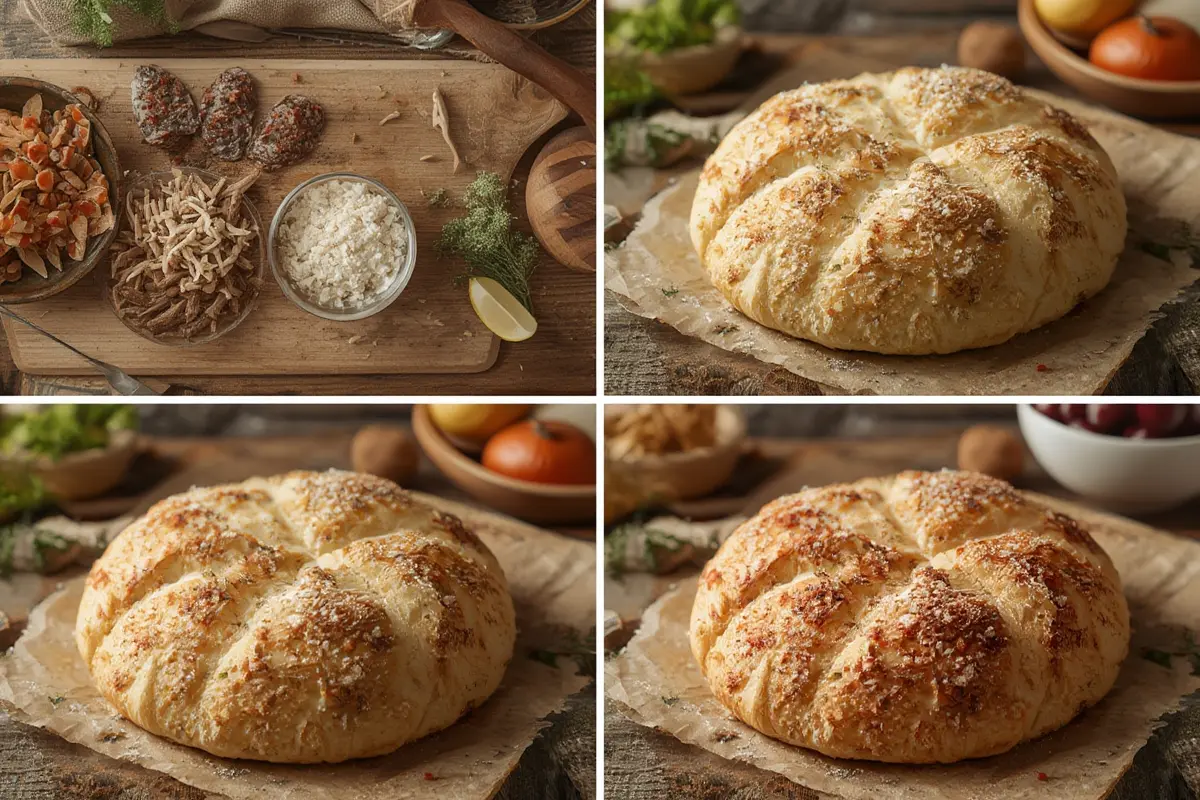
1. Activate the yeast: In a small bowl, combine warm water, sugar, and yeast. Let sit for 5-10 minutes until foamy.
2. Mix the dough: In a large bowl, combine flour and salt. Make a well in the center and pour in the yeast mixture, olive oil, and yogurt. Mix until a shaggy dough forms.
3. Knead the dough: Turn the dough onto a floured surface and knead for 8-10 minutes until smooth and elastic. The Turkish Bread – Bazlama dough should be slightly tacky but not sticky.
4. First rise: Place the dough in an oiled bowl, cover with a damp cloth, and allow to rise in a warm place for about 1 hour, or until doubled in size.
5. Divide and shape: Punch down the dough and divide it into 6-8 equal portions. Shape each portion into a ball and let rest for 10 minutes under a towel.
6. Roll out the Turkish Flatbread: On a floured surface, roll each ball into a circle about ¼-inch thick.
7. Cook the flatbreads: Heat a cast-iron skillet or heavy pan over medium-high heat. Place one flatbread in the dry pan and cook for 1-2 minutes until bubbles form on the surface and the bottom has golden-brown spots.
8. Flip and finish: Turn the bread over and cook for another 1-2 minutes until the other side is also golden. Brush with olive oil while hot if desired.
Nutritional Benefits & Advantages
Turkish Bazlama bread is a good source of complex carbohydrates providing sustained energy. When made with whole wheat flour, it offers more fiber and nutrients. The addition of yogurt provides some protein and calcium while also contributing to the bread’s tender texture and slight tanginess.
Tips, Variations & Cooking Advice
– Whole Wheat Option: Substitute up to half of the all-purpose flour with whole wheat flour for a more nutritious version.
– Herb-Infused Bazlama: Add 1-2 tablespoons of fresh herbs like mint, parsley, or dill to the dough.
– Garlic Lover’s Version: Mix 2-3 minced garlic cloves into the dough, or brush the hot bread with garlic-infused olive oil.
– Gluten-Free Adaptation: Use a quality gluten-free flour blend with xanthan gum, but be aware that the texture will be different.
Common Mistakes to Avoid
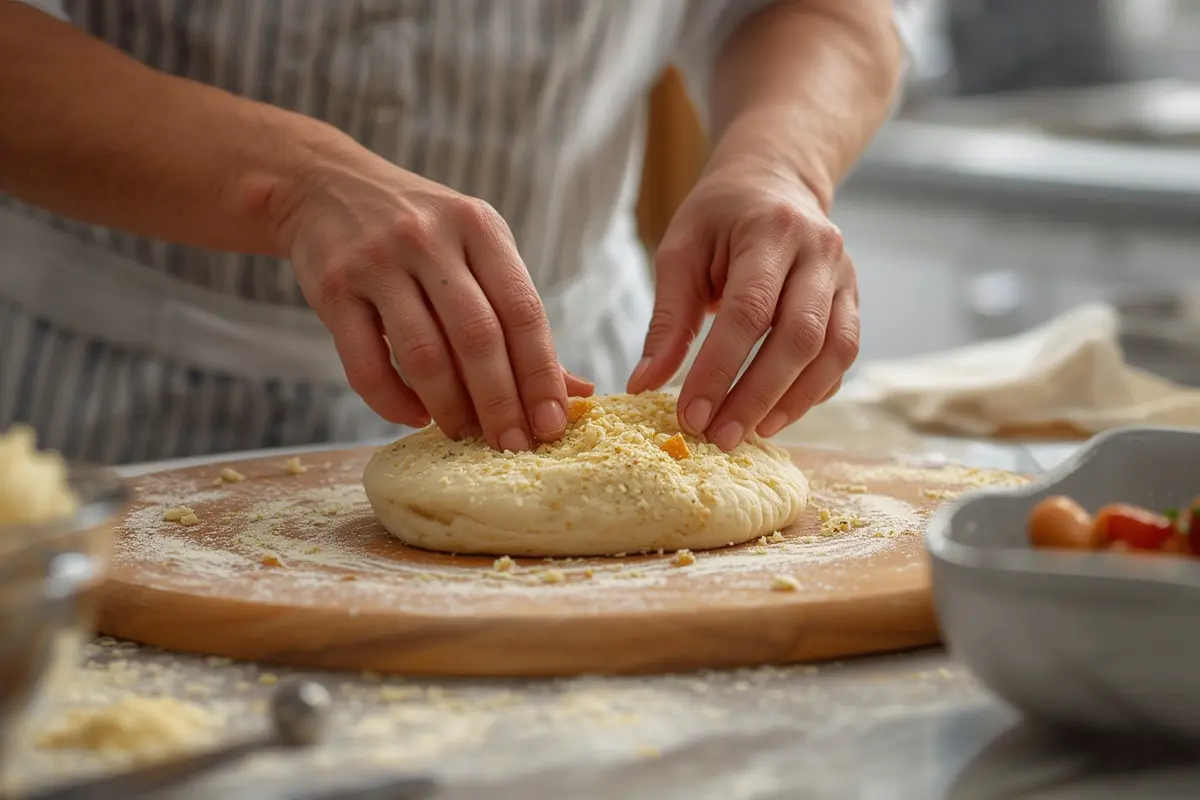
– Overworking the dough: This can make the bread tough. Knead just until smooth and elastic.
– Cooking temperature too high: This will burn the outside before the inside cooks. Maintain medium heat.
– Rolling too thin: Authentic bazlama should be thicker than typical flatbreads (about ¼-inch thick).
– Skipping the rest time: Allowing the dough balls to rest before rolling makes shaping easier and results in better texture.
Storage & Meal Prep Tips
Store cooled bazlama bread in an airtight container at room temperature for up to 2 days. For longer storage, place in a zip-top bag and freeze for up to 3 months. Thaw at room temperature and reheat briefly in a dry skillet or wrapped in foil in a 350°F oven for 5 minutes to restore the fresh-baked texture.
Conclusion
Making authentic Turkish Bread – Bazlama at home connects you with centuries of baking tradition while providing you with versatile, delicious bread for any meal. Whether you’re serving it alongside a fragrant stew, using it to scoop up dips like hummus, or creating a Mediterranean-inspired sandwich, this Turkish Flatbread will quickly become a staple in your cooking repertoire. With practice, you’ll develop your own perfect technique, creating bread that might even surpass what you’d find in a Turkish bakery.
FAQs
Can I use instant yeast instead of active dry yeast?
Yes, you can substitute instant yeast. Use the same amount but you can skip the proofing step and add it directly to the dry ingredients.
Why is my bazlama tough rather than soft and fluffy?
This usually happens if the dough is overworked or if there’s too much flour. Make sure to knead just until smooth and keep the dough slightly tacky.
Can I make bazlama dough ahead of time?
Absolutely! You can refrigerate the dough after the first rise for up to 24 hours, which actually enhances the flavor through slow fermentation.
Is bazlama suitable for making sandwiches?
Yes! When fresh, you can slice it horizontally or fold it around fillings like grilled meats, vegetables, and tzatziki for a delicious sandwich.
How do I know when my bazlama is perfectly cooked?
The bread should have golden-brown spots on both sides, puff up slightly while cooking, and sound hollow when tapped. The interior should be fully cooked but still soft and slightly chewy.
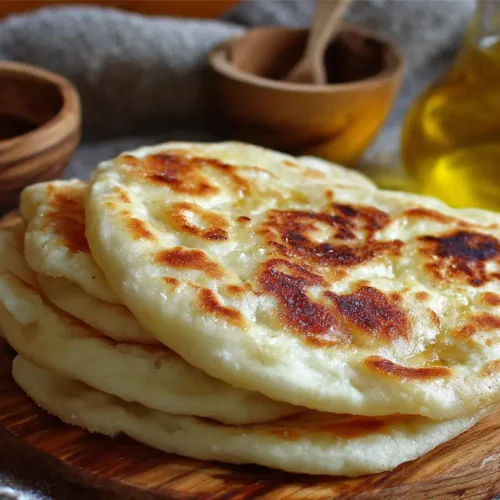
How to grow Turkish Bread - Bazlama.
Equipment
- Large bowl
- Measuring cups and spoons
- Cast-iron skillet or griddle
Ingredients
Dough
- 3 cups All-purpose flour
- 1 tablespoon Active dry yeast
- 1 teaspoon Granulated sugar
- 1 teaspoon Salt
- 1.5 cups Warm water
- 2 tablespoons Olive oil
Instructions
Preparation
- In a large bowl, combine the warm water, yeast, and sugar. Let it sit for 5 minutes until foamy.
- Add the flour, salt, and olive oil to the yeast mixture. Mix until a shaggy dough forms, then knead on a floured surface for 5-7 minutes until smooth and elastic.
- Place the dough in a lightly oiled bowl, cover, and let it rise in a warm place for 1 hour, or until doubled in size.
- Gently punch down the dough and divide it into 8 equal pieces. Roll each piece into a ball and then flatten into a circle about 6-8 inches in diameter.
Cooking
- Heat a cast-iron skillet or griddle over medium-high heat. Cook each bazlama for 2-3 minutes per side, until golden brown and puffed up.
Serving
- Serve warm with your favorite dips, spreads, or as an accompaniment to a meal.