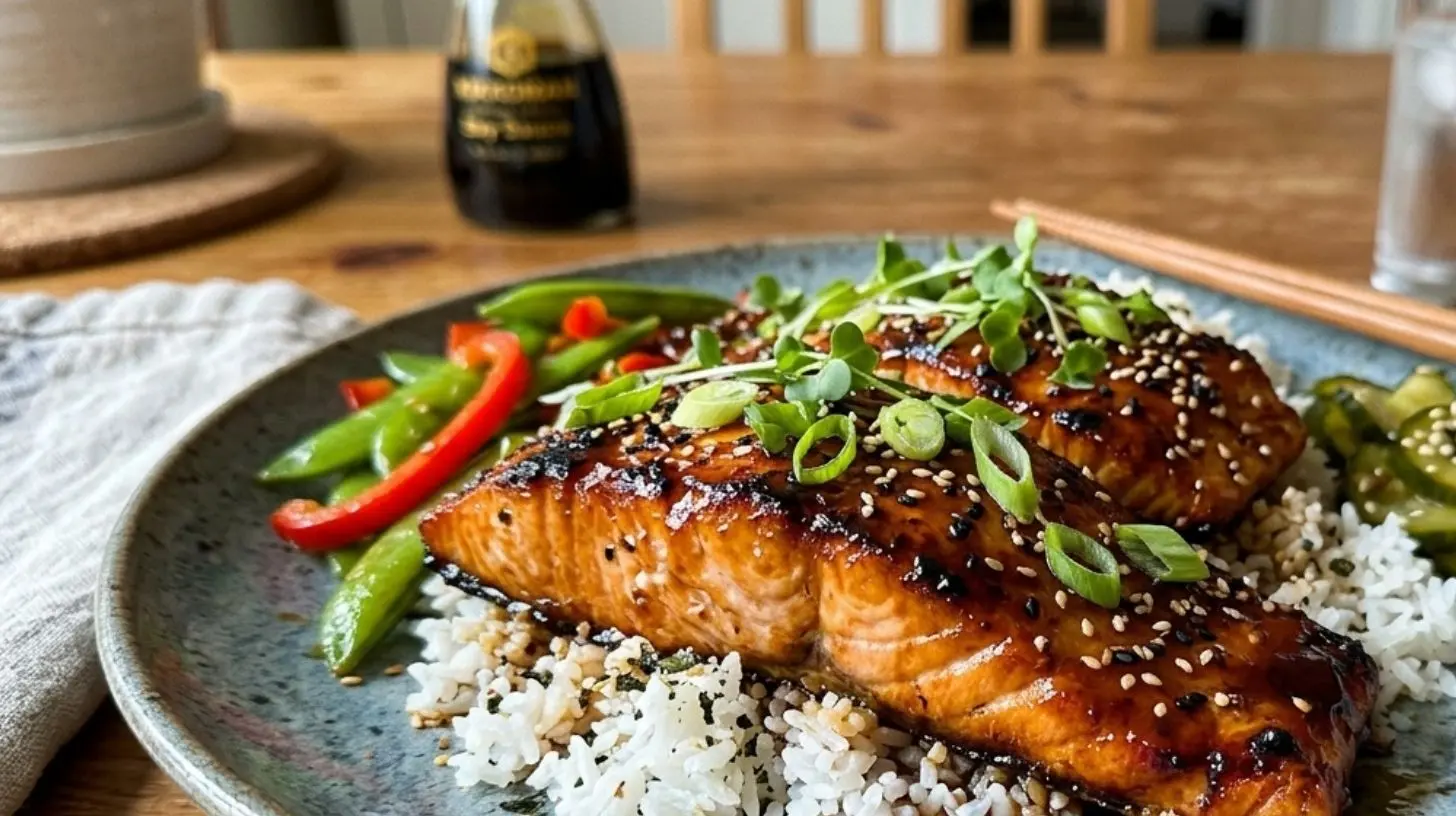
Proven way to grow 3 Teriyaki Salmon dishes
Learn how to make 3 delicious Teriyaki Salmon dishes.
Salmon fillets
Teriyaki sauce
Garlic
Soy sauce
Brown sugar
Cornstarch
Green onions
Prepare the salmon fillets by removing the skin and cutting into smaller pieces.
Marinate the salmon in a mixture of teriyaki sauce, garlic, soy sauce, and brown sugar.
Cook the salmon on a hot skillet until browned and cooked through.
Top the salmon with a cornstarch and water slurry to thicken the sauce.
Garnish with chopped green onions before serving.
Why This Teriyaki Salmon Will Become Your Go-To Weeknight Dinner
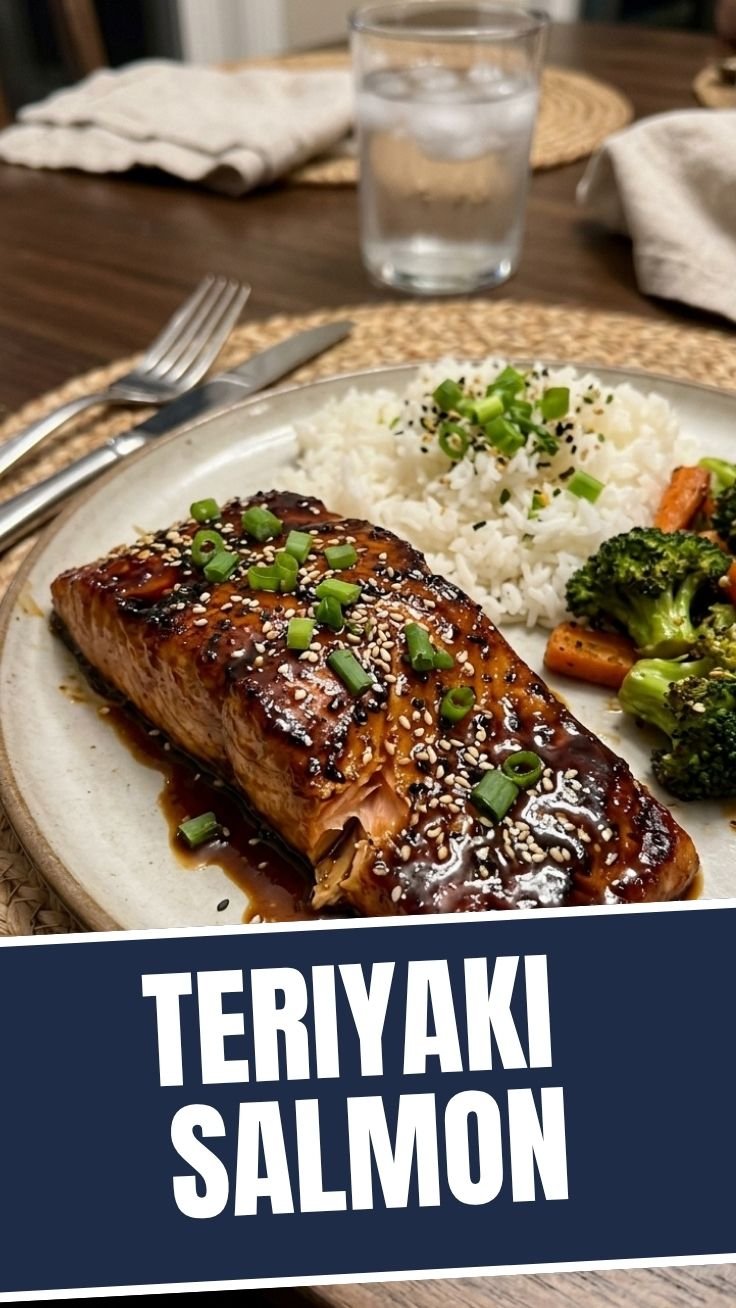
Have you ever craved restaurant-quality teriyaki salmon but assumed it required complicated techniques or exotic ingredients? The truth is, preparing this glossy, caramelized dish at home is not only simpler than you think—it’s also far more rewarding. With a perfectly balanced sweet-savory glaze and a fork-tender interior, this Teriyaki Salmon proves that gourmet flavors don’t demand hours in the kitchen. Whether you’re a seasoned cook or just starting out, it fits seamlessly into your rotation of easy salmon recipes that deliver consistent, impressive results. In this post, you’ll learn every step to achieve that signature lacquered finish, plus pro tips to avoid common pitfalls.
Ingredients & Kitchen Tools
For the Salmon and Glaze
– 4 salmon fillets (6 oz each, skin on or off – skin adds crispness).
– 1/4 cup soy sauce (use low-sodium or tamari for gluten-free).
– 2 tbsp mirin (sweet rice wine; substitute 1 tbsp honey + 1 tbsp sake).
– 2 tbsp honey or brown sugar (adjust sweetness to taste).
– 1 tbsp rice vinegar (adds brightness).
– 2 cloves garlic, minced.
– 1 tsp fresh grated ginger.
– 1 tbsp sesame oil (for toasting and finishing).
– Sesame seeds and sliced green onions (for garnish).
Kitchen Tools
– Medium bowl (for whisking glaze).
– Non-stick skillet or grill pan (ensures even caramelization).
– Tongs (for flipping without breaking fillets).
– Basting brush (optional, for even glazing).
– Instant-read thermometer (recommended for perfect doneness).
Substitutions
– Gluten-free: Use tamari or coconut aminos instead of soy sauce.
– Low-sugar: Replace honey with monk fruit sweetener.
– No mirin: Combine 1 tbsp white wine + 1/2 tsp sugar.
Prep Time & Cooking Schedule
| Phase | Time |
|——-|——|
| Prep | 10 minutes (mix glaze, pat salmon dry) |
| Marinate (optional) | 15–30 minutes (for deeper flavor) |
| Cook | 8–12 minutes (depending on thickness) |
| Rest | 2 minutes (lets juices redistribute) |
Plan ahead: While the salmon marinates, you can cook rice or steamed veggies. The active cooking time is just 10 minutes, making this ideal for a busy weeknight.
Step-by-Step Instructions
1. Prepare the glaze: In a small bowl, whisk together soy sauce, mirin, honey (or brown sugar), rice vinegar, minced garlic, and grated ginger until smooth. Set aside.
2. Pat salmon dry: Use paper towels to remove excess moisture. This ensures the glaze adheres and the surface sears, not steams.
3. Sear the fillets: Heat 1 tbsp sesame oil in a non-stick skillet over medium-high heat. Place salmon skin-side down (if skin-on) and cook 4–5 minutes until golden and crispy. Flip carefully with tongs.
4. Glaze and cook: Reduce heat to medium. Pour the teriyaki mixture into the pan around the salmon. Let it bubble and thicken for 2–3 minutes, spooning the glaze over the fillets continuously. Cook to your preferred doneness: 125°F for medium-rare, 130°F for medium, 145°F for well done.
5. Finish and garnish: Remove from heat, let rest 2 minutes. Sprinkle with sesame seeds and green onions. Serve immediately over rice or noodles.
Pro tip: For the best Teriyaki Salmon texture, watch for the glaze to become sticky and slightly caramelized—this is your cue that the sugars have concentrated. If you’re looking for more easy salmon recipes, try adjusting the glaze with chili flakes for heat or orange zest for citrus notes.
Nutritional Benefits & Advantages
Salmon is a powerhouse of omega-3 fatty acids (EPA and DHA), which support heart and brain health, reduce inflammation, and improve skin elasticity. A single 6-ounce fillet provides over 40 grams of high-quality protein and significant amounts of vitamin D, B12, and selenium. The homemade teriyaki glaze eliminates preservatives and excess sodium found in bottled versions, giving you control over sugar and salt levels. This dish fits well into balanced diets like Mediterranean, keto (swap honey for a keto sweetener), or low-carb lifestyles.
Tips Variations & Cooking Advice
– Flavor twists: Add a splash of sake to the glaze for depth, or swap honey for maple syrup to introduce a smoky sweetness.
– Cooking methods: Grill salmon directly on oiled grates over medium heat (5–6 minutes per side), or bake at 400°F for 12–15 minutes, brushing halfway with glaze.
– Portion changes: For larger groups, double the glaze and use a sheet pan—bake all fillets at once, then broil the last 2 minutes for caramelization.
– Dietary adaptations: For dairy-free/gluten-free, use tamari and ensure your mirin is labeled gluten-free (some brands contain wheat).
Common Mistakes to Avoid
| Mistake | Fix |
|———|—–|
| Overcooking the salmon | Use an instant-read thermometer; remove at desired temp (carryover cooking adds 5°F). |
| Glaze burning in pan | Keep heat medium-low after adding glaze; sugars scorch quickly on high. |
| Salmon sticking to pan | Ensure pan is hot before adding oil, and don’t move fillets for first 3 minutes. |
| Bland glaze | Taste and adjust: add more honey for sweetness, rice vinegar for tang, or ginger for zing. |
Storage & Meal Prep Tips
– Refrigeration: Store leftover salmon in an airtight container up to 3 days. Keep glaze separate to prevent sogginess.
– Freezing: Wrap tightly in plastic wrap and foil; freeze for up to 2 months. Thaw overnight in fridge.
– Reheating: To retain flaky texture, reheat gently in a covered skillet over low heat with a splash of water, or microwave at 50% power in 30-second bursts. Avoid high heat which dries out the fish.
For meal prep, cook extra salmon and flake it over salads, rice bowls, or wraps throughout the week.
Conclusion
Mastering this Teriyaki Salmon at home is easier than you imagined, and it ranks among the most rewarding easy salmon recipes you’ll ever try. The combination of a sticky-sweet glaze, perfectly cooked fish, and simple technique makes every bite memorable. Whether you serve it with steamed rice and broccoli or tuck it into lettuce wraps, this dish proves that homemade always wins. I’d love to hear how it turns out—share your results in the comments or tag me in your photos. Happy cooking!
FAQs
1. Can I use frozen salmon for this teriyaki recipe?
Yes. Thaw completely in the refrigerator overnight, then pat very dry before cooking. Frozen fillets release more water, so reduce glaze moisture a bit to avoid a watery sauce.
2. How do I know when the salmon is done without a thermometer?
Look for opaque flesh that flakes easily with a fork. The internal color should be just barely translucent in the thickest part for medium, or fully opaque for well done.
3. Can I make the teriyaki glaze ahead of time?
Absolutely. Store it in the fridge for up to a week. Whisk well before using, and note that the garlic/ginger flavor will meld deeper over time.
4. What if my glaze becomes too thick or too thin?
If too thick (after reducing), add a teaspoon of water or sake to loosen. If too thin, simmer a few extra minutes to concentrate. Always taste and adjust salt/sweetness before adding to salmon.
5. Is this recipe suitable for air fryers?
Yes. Preheat air fryer to 375°F. Place salmon in basket, brush with glaze, cook 8–10 minutes (flipping halfway) or until desired doneness. Baste once more before serving.
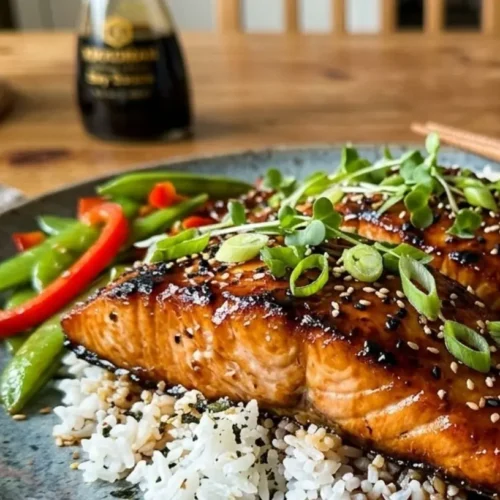
Proven way to grow 3 Teriyaki Salmon dishes
Equipment
- Mixing bowls (3)
Ingredients
Main Ingredients
- 3 fillets Salmon fillets
- 1 cup Teriyaki sauce
- 2 tbsp Soy sauce
- 1 tbsp Honey
- 1 tsp Ginger, grated
- 1 tsp Garlic, minced
Dish 1 Variations (Spicy)
- 0.5 tsp Red pepper flakes
- 1 tsp Sriracha
Dish 2 Variations (Sesame-Ginger)
- 1 tsp Sesame oil
- 1 tsp Sesame seeds
- 2 tbsp Green onions, sliced
Dish 3 Variations (Lemon-Herb)
- 1 tbsp Lemon juice
- 0.5 tsp Dried dill
- 1 tbsp Parsley, fresh, chopped
Instructions
Preparation
- Prepare the salmon fillets by patting them dry with paper towels. You can leave the skin on or remove it based on your preference.
Marinating
- In a bowl, combine teriyaki sauce, soy sauce, honey, grated ginger, and minced garlic to create the base marinade. Divide this base marinade into three separate bowls.
Dish 1 (Spicy Teriyaki)
- To the first bowl of marinade, add red pepper flakes and sriracha, then marinate one salmon fillet in it for at least 15 minutes.
- Cook the spicy marinated salmon in a preheated pan or oven until it is cooked through and flaky.
Dish 2 (Sesame-Ginger Teriyaki)
- To the second bowl, add sesame oil, sesame seeds, and sliced green onions, then marinate the second salmon fillet for at least 15 minutes.
- Cook the sesame-ginger marinated salmon in a preheated pan or oven until it is cooked through and flaky.
Dish 3 (Lemon-Herb Teriyaki)
- To the third bowl, add lemon juice, dried dill, and chopped fresh parsley, then marinate the third salmon fillet for at least 15 minutes.
- Cook the lemon-herb marinated salmon in a preheated pan or oven until it is cooked through and flaky.
Serving
- Serve the three distinct teriyaki salmon dishes immediately with your choice of sides, such as rice or steamed vegetables.