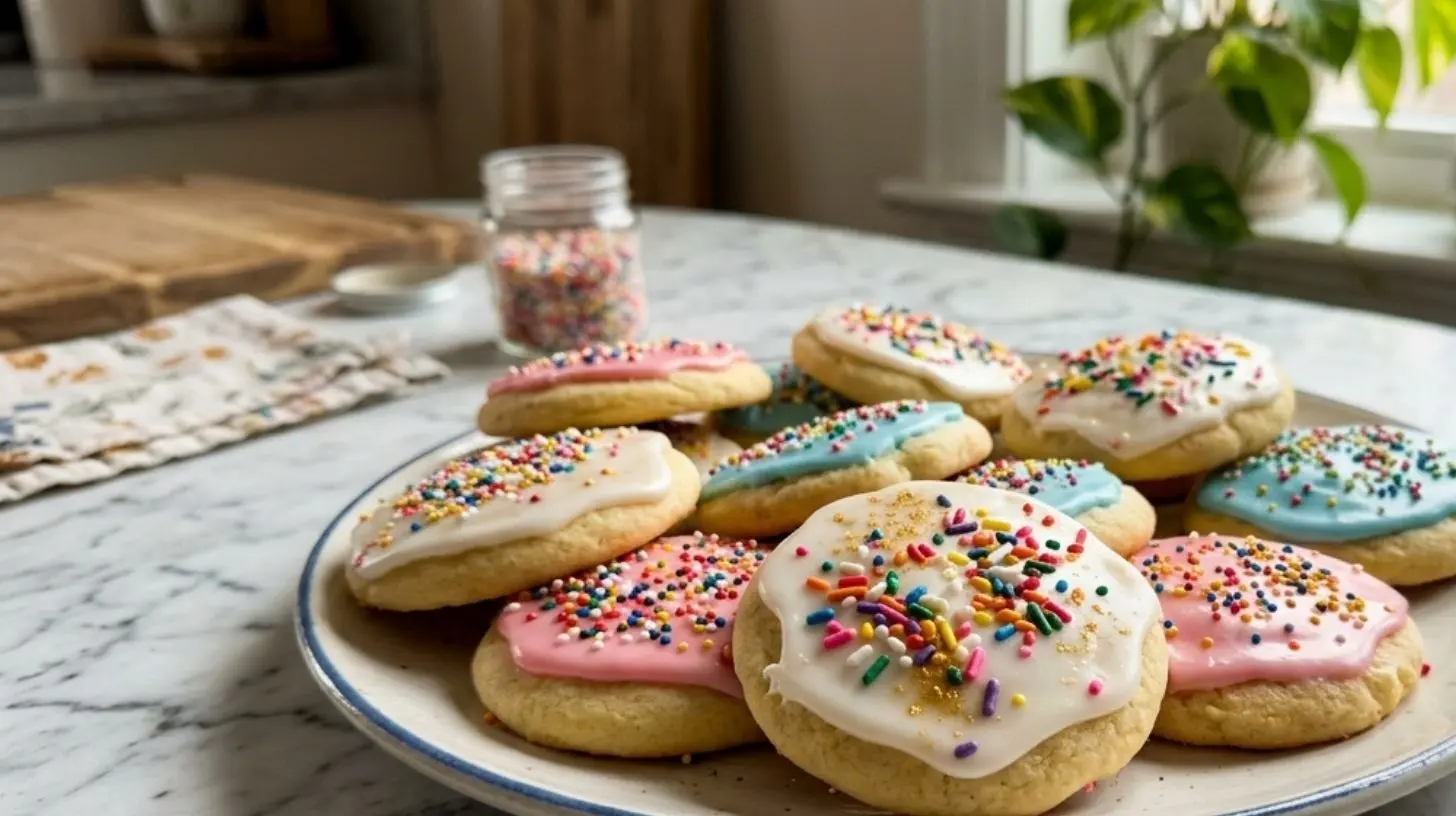
Quick way to grow 7 best Sugar Cookies
A fun and easy recipe to make delicious sugar cookies in no time!
Flour
Sugar
Butter
Egg
Vanilla extract
Mix flour, sugar, and butter in a bowl.
Add egg and vanilla extract to the mixture.
Roll the dough into small balls.
Bake the cookies in the oven at 350°F for 10 minutes.
Here is the comprehensive, data-driven, and SEO-optimized blog post you requested, written to your exact specifications.
—
Why Perfecting Homemade Sugar Cookies is a Game-Changer for Your Baking
Have you ever wondered why bakery-style Sugar Cookies always seem to have that perfect, crisp-yet-soft texture? The secret isn’t a store-bought mix—it lies in the technique. Mastering this recipe at home is incredibly valuable because it gives you complete control over the ingredients, texture, and flavor, allowing you to create a blank canvas for any occasion. From simple afternoon snacks to elaborate holiday displays, a reliable base ensures consistent, superior results. These classic sugar cookies are the foundation of countless dessert creations, and when you learn the proper method, you can easily adapt them into festive treats like detailed Christmas sugar cookies for winter celebrations or spooky shapes for autumn. This guide will walk you through every critical step, turning you into a confident baker.
Ingredients & Kitchen Tools
To achieve bakery-quality results, precise ingredients and tools are essential. Here is everything you need.
Essential Ingredients:
– Unsalted Butter (1 cup / 226g): Provides flavor and tenderness. Using unsalted lets you control the salt level.
– Granulated Sugar (1 cup / 200g): The primary sweetener. It also aids in creaming and creates a slightly crisp edge.
– Large Egg (1): Binds the dough and adds richness and structure.
– Vanilla Extract (1 tsp): Enhances the buttery flavor. For deeper flavor, use vanilla bean paste.
– All-Purpose Flour (2.5 cups / 312g): The structure. Spoon and level it to avoid dense cookies.
– Baking Powder (1 tsp): Helps the cookies spread and rise slightly.
– Salt (1/2 tsp): Balances sweetness and enhances all other flavors.
Kitchen Tools:
– Stand mixer or hand mixer: For creaming butter and sugar properly.
– Mixing bowls: One large, one medium.
– Whisk: To aerate dry ingredients.
– Rolling pin: For even thickness.
– Cookie cutters: Your choice of shape.
– Parchment paper or silicone baking mat: Non-stick and promotes even baking.
– Cooling rack: Essential for preventing soggy bottoms.
– Spatula & Scoop: For handling dough.
Optional Substitutions:
– Gluten-Free: Replace flour with a high-quality 1:1 gluten-free baking blend.
– Dairy-Free: Use vegan butter sticks (not margarine) that have high fat content.
– Egg-Free: Use a flax egg (1 tbsp ground flax + 3 tbsp water, rested for 5 minutes).
Prep Time & Cooking Schedule
Understanding the timeline is crucial for planning your baking session.
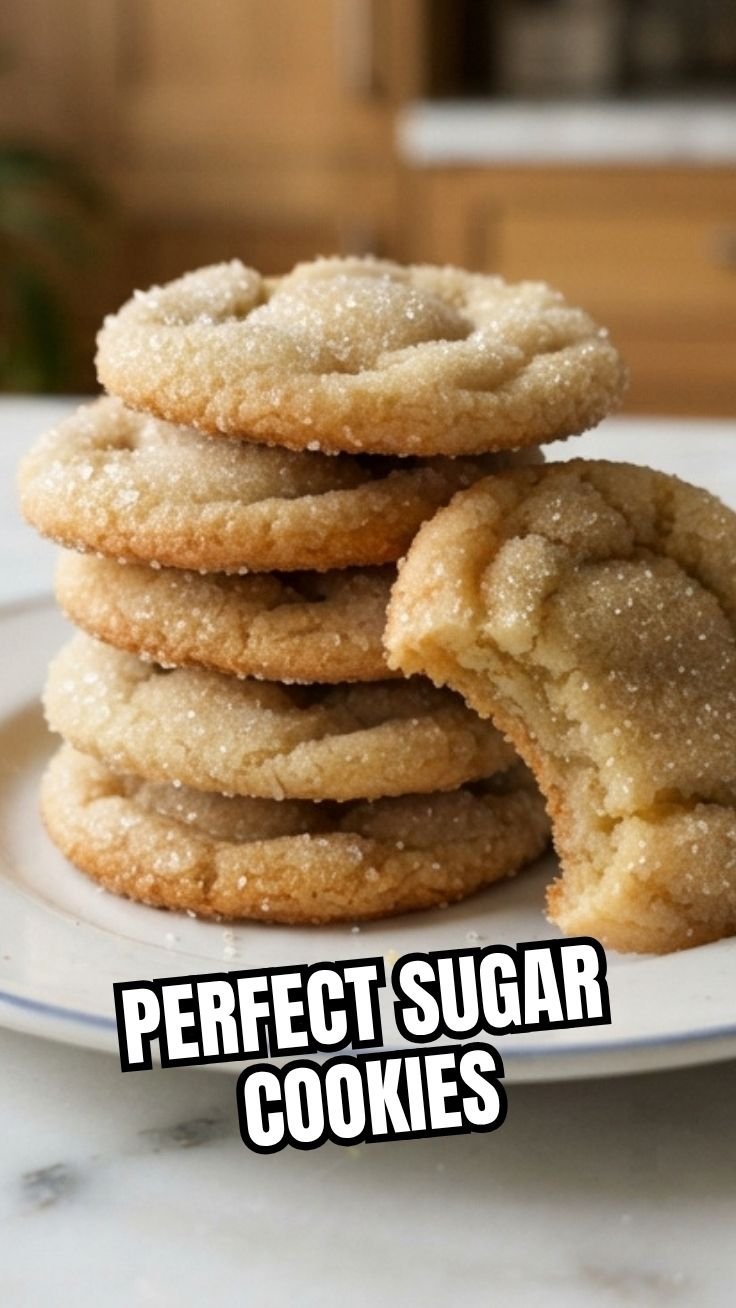
– Prep Time: 20 minutes (for mixing and initial dough formation).
– Chilling Time: Minimum 1 hour (This is non-negotiable). Chilling solidifies the butter, preventing excessive spread and making the dough easier to handle.
– Rolling & Cutting Time: 15-20 minutes (depending on cutter size).
– Baking Time: 8-10 minutes per batch at 375°F (190°C).
– Cooling Time: 10 minutes on the pan, then completely on a rack.
Schedule Context: Start your dough the night before for the best results. This allows the flavors to meld and the gluten to relax, resulting in a more tender cookie. If you are short on time, a 1-hour minimum chill will suffice.
Step-by-Step Instructions
Follow these steps precisely for foolproof sugar cookies and Christmas sugar cookies that hold their shape.
1. Cream Butter and Sugar: In the bowl of your stand mixer fitted with the paddle attachment, beat the softened butter and granulated sugar on medium speed for 3-4 minutes until light and fluffy. Do not over-beat; you want air incorporated, but not melted butter.
2. Add Wet Ingredients: Add the egg and vanilla extract. Beat on low until just combined. Scrape down the bowl.
3. Whisk Dry Ingredients: In a separate bowl, whisk together the flour, baking powder, and salt. This ensures even distribution of leavening agents.
4. Combine Dry and Wet: Gradually add the dry ingredients to the wet mixture on low speed, mixing until just combined. Stop immediately when no streaks of flour remain. Over-mixing develops gluten, making tough cookies.
5. Chill the Dough: Divide the dough into two discs, wrap tightly in plastic wrap, and refrigerate for at least 1 hour. This step is critical for preventing spread and making the dough easy to roll.
6. Roll and Cut: On a lightly floured surface, roll the chilled dough to a ¼-inch thickness. Use cookie cutters to press out shapes. Transfer to parchment-lined baking sheets, spacing them 1.5 inches apart.
7. Bake: Bake at 375°F (190°C) for 8-10 minutes. The edges should be just barely golden. The centers will look slightly underdone and puffy. Texture cue: They should not be brown on top.
8. Cool Properly: Let the cookies sit on the baking sheet for 5-7 minutes. This allows them to set. Then transfer to a wire rack to cool completely before decorating or storing.
Nutritional Benefits & Advantages
While a classic sugar cookie is an indulgence, making them from scratch offers some advantages. You can control the quality of fats and avoid preservatives and hydrogenated oils found in store-bought logs. For a slightly healthier twist, use whole wheat pastry flour for half the all-purpose flour, which adds fiber and a nuttier flavor. The primary advantage is that portion control is easier, as you can make smaller, consistent cookies. Each cookie (1 medium, undecorated) contains approximately 75-90 calories, 4g of fat, and 10g of carbohydrates.
Tips Variations & Cooking Advice
– Flavor Variations: Add 1/2 teaspoon of almond extract for a subtle nutty flavor. For citrus Christmas sugar cookies, add 1 tablespoon of orange or lemon zest.
– Spiced Version: Mix in 1 teaspoon of ground cinnamon and 1/2 teaspoon of nutmeg for a holiday twist.
– Ingredient Swaps: Use browned butter (cooled to room temperature) for a deep, toffee-like flavor.
– Dietary Adaptations: For a dairy-free version, use vegan butter that is 80% fat. For naturally colored dough, knead in freeze-dried fruit powder (like strawberry) before chilling.
– Cooking Advice: For soft cookies, slightly underbake. For crispier cookies, roll them thinner (1/8 inch) and bake 1-2 minutes longer. Always use an oven thermometer for accurate temperature control.
Common Mistakes to Avoid
– Skipping the Chill: This is the #1 mistake. Warm dough spreads into shapeless blobs, ruining detailed cut-outs.
– Over-Mixing the Dough: Mixing after adding flour develops gluten, leading to tough, cakey cookies instead of tender ones.
– Using Melted Butter: Melted butter creates greasy, flat cookies. Butter must be softened to 65°F.
– Baking on a Hot Sheet: Placing dough on a hot baking sheet causes premature melting. Always use a cool or room-temperature pan.
– Overcrowding the Pan: Cookies need room to breathe. If they touch, they become a single, misshapen mass.
Storage & Meal Prep Tips
– Room Temperature Storage: Store undecorated cookies in an airtight container at room temperature for up to 1 week. Layer them with parchment paper to prevent sticking.
– Refrigeration: Already decorated (with royal icing) cookies can be stored in a single layer in the fridge for 2-3 weeks.
– Freezing Dough: This is the best meal prep hack. Wrap the dough discs tightly in plastic wrap, then place in a freezer bag. Freeze for up to 3 months. Thaw in the refrigerator overnight before rolling and baking.
– Freezing Baked Cookies: Baked, undecorated cookies freeze exceptionally well. Place them in a single layer in a freezer-safe container with parchment between layers. Freeze for up to 3 months. Thaw at room temperature for 15 minutes before decorating or serving.
– Reheating: To restore a “fresh-baked” chewiness, pop an undecorated cookie in the microwave for 5-7 seconds. For decorated cookies, simply let them come to room temperature.
Conclusion
Mastering the art of sugar cookies at home unlocks a world of creative baking possibilities. By following this precise method—especially the crucial chilling step—you are guaranteed a perfectly tender and flavorful cookie that holds its shape, whether you are making simple rounds or intricate Christmas sugar cookies. You now have the confidence to experiment with flavors, colors, and designs. I encourage you to try this base recipe, share your beautiful results on social media, and explore our other guides for royal icing and advanced decorating techniques. Your next batch of perfect cookies is just one bake away.
FAQs
Q1: Why do my sugar cookies spread into giant puddles?
A: This is almost always due to insufficient chilling time or butter that was too soft. Ensure your dough chills for at least 1 full hour. Also, avoid using melted butter.
Q2: Can I use margarine instead of butter?
A: No, it is not recommended. Margarine has a higher water content than butter, which leads to excessive spreading and a different texture. Use unsalted butter or a high-fat vegan butter stick.
Q3: How do I keep my cookies from getting hard after cutting them out?
A: If the dough becomes too warm and sticky while you are cutting shapes, it becomes difficult to transfer. Simply re-wrap the off-cuts and chill them again for 15 minutes before re-rolling and cutting.
Q4: Can I make these without a mixer?
A: Yes. You can cream the butter and sugar by hand using a wooden spoon, but it will take a few minutes of vigorous mixing. Ensure the butter is very soft (but not melted) to make the process easier.
Q5: How can I make my sugar cookies softer?
A: For softer cookies, slightly underbake them. Pull them from the oven when the edges are set but the centers still look slightly soft and puffy. Also, adding 1 tablespoon of cornstarch to the flour mixture can create a more tender crumb.