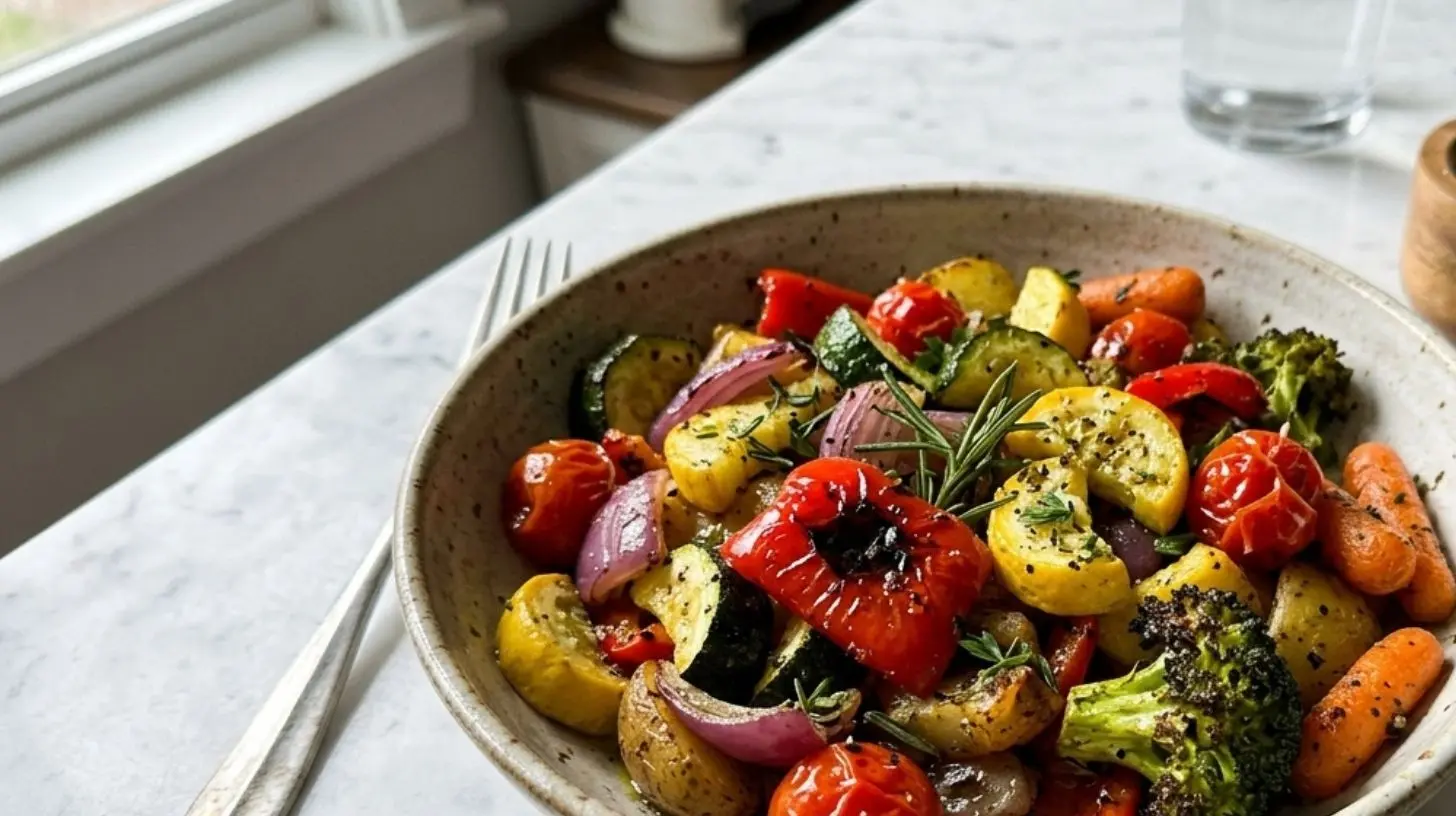
Best Way to Grow Perfect Roasted Vegetables 3 Ways
Learn how to make three delicious types of roasted vegetables in one simple recipe.
Bell Peppers
Zucchini
Carrots
Olive Oil
Salt
Pepper
Garlic Powder
Preheat the oven to 400°F.
Cut the vegetables into bite-sized pieces.
Drizzle olive oil and sprinkle salt, pepper, and garlic powder over the vegetables.
Roast in the oven for 25-30 minutes until vegetables are tender and slightly caramelized.
Are You Ready to Master the Art of Perfect Roasted Vegetables?
Are you tired of bland, soggy vegetables that lack flavor and texture? The secret to transforming humble vegetables into a crave-worthy side dish lies in mastering the art of perfect roasted vegetables. When done right, the high heat of the oven coaxes out natural sugars, creating caramelized edges and a tender interior that elevates any meal. Preparing this dish at home not only saves money but also allows you to control the quality of ingredients and seasoning. In this guide, we’ll explore how to achieve restaurant-quality Roasted Vegetables and Sheet Pan Vegetables that are perfect for busy weeknights.
—
Ingredients & Kitchen Tools
Ingredients
– Assorted vegetables: 2 cups carrots, 2 cups bell peppers, 2 cups zucchini, 1 red onion (choose seasonal produce for best flavor)
– Olive oil: 3 tablespoons (extra virgin for richer taste, or avocado oil for higher smoke point)
– Salt: 1 teaspoon kosher salt (sea salt works; reduce if using table salt)
– Black pepper: ½ teaspoon freshly ground
– Dried herbs: 1 teaspoon each of rosemary, thyme, and oregano (or 1 tablespoon Italian seasoning)
– Garlic: 2 cloves, minced (optional, for extra flavor)
– Balsamic vinegar: 1 tablespoon (optional, for tangy sweetness)
Kitchen Tools
– Baking sheet: 18×13 inch rimmed sheet pan (non-stick or lined with parchment)
– Parchment paper or silicone baking mat (prevents sticking and eases cleanup)
– Large mixing bowl: For tossing vegetables with oil and seasonings
– Chef’s knife: For cutting uniform pieces
– Cutting board: Sturdy, non-slip surface
– Spatula or tongs: For flipping vegetables halfway through roasting
Optional Substitutions
– Vegetables: Swap in broccoli, cauliflower, sweet potatoes, or Brussels sprouts
– Oil: Use coconut oil or grapeseed oil for different flavor profiles
– Herbs: Fresh herbs (2 tablespoons chopped) work well but add at the end of roasting to prevent burning
– Seasonings: Add smoked paprika, cumin, or chili flakes for a spicy kick
—
Prep Time & Cooking Schedule
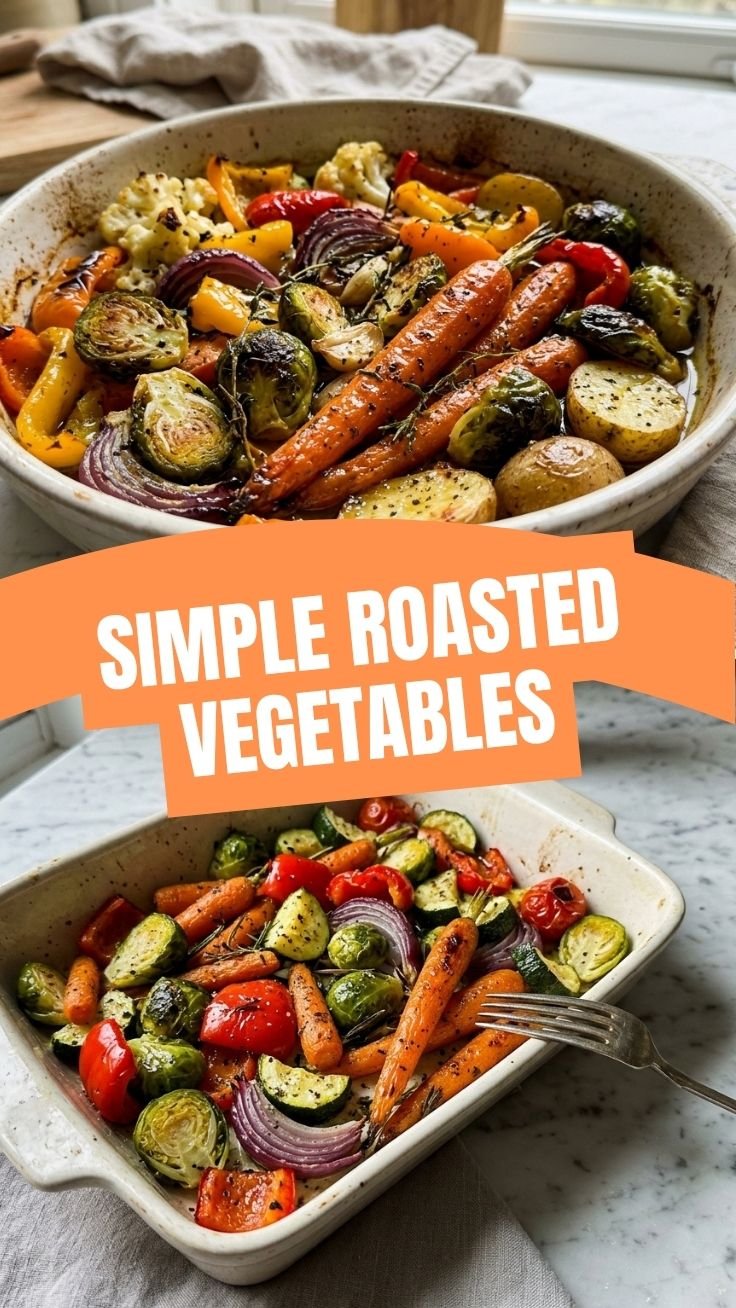
– Prep Time: 15 minutes (washing, cutting, and seasoning)
– Cook Time: 25–30 minutes at 425°F (220°C)
– Resting Time: 5 minutes after roasting (allows flavors to settle)
– Total Time: Approximately 45 minutes
This schedule allows you to plan ahead. While the vegetables roast, you can prepare a protein or grains. The resting time is crucial—it lets the vegetables firm up slightly, making them easier to handle and enhancing their texture.
—
Step-by-Step Instructions
1. Preheat the oven to 425°F (220°C). This high temperature is essential for achieving caramelized edges without overcooking the insides of your roasted vegetables. A properly preheated oven ensures the Maillard reaction occurs, producing that golden-brown crust.
2. Prepare the vegetables: Wash and cut all vegetables into uniform pieces—about 1-inch cubes for root vegetables like carrots, and 1-inch slices for soft vegetables like zucchini. Uniformity ensures even cooking, preventing some pieces from burning while others remain raw.
3. Season generously: In a large bowl, combine the cut vegetables with 3 tablespoons olive oil, 1 teaspoon salt, ½ teaspoon black pepper, and your chosen dried herbs. Toss until every piece is coated. For extra depth, add minced garlic or a splash of balsamic vinegar.
4. Arrange on the baking sheet: Spread the vegetables in a single layer on the prepared sheet pan. Avoid overcrowding—if needed, use two pans. Overcrowding traps steam, leading to soggy vegetables instead of the desired crispy edges. Leave a small gap between pieces for air circulation.
5. Roast for 20 minutes: Place the pan in the oven and roast without disturbing. After 20 minutes, use a spatula or tongs to flip the vegetables for even browning. This step is critical for achieving uniform caramelization.
6. Continue roasting: Return the pan to the oven and roast for another 5–10 minutes, until the vegetables are tender when pierced with a fork and have deep golden-brown edges. For a complete meal, consider adding protein to create sheet pan vegetables. Simply place chicken breasts or shrimp on the pan during the last 10 minutes of cooking, ensuring everything finishes together. The key to perfect roasted vegetables is patience—watch for color cues rather than relying solely on time.
—
Nutritional Benefits & Advantages
This dish is a powerhouse of nutrition. Vegetables are rich in dietary fiber, which supports digestive health and promotes satiety. Carrots provide beta-carotene (converted to vitamin A), while bell peppers offer high levels of vitamin C—a single serving covers over 100% of your daily needs. Zucchini adds potassium and antioxidants like lutein, which supports eye health. The olive oil supplies healthy monounsaturated fats, which aid in the absorption of fat-soluble vitamins (A, D, E, K). Additionally, roasting enhances the bioavailability of certain nutrients, such as lycopene in tomatoes, making them easier for your body to use. This dish is naturally low in calories, gluten-free, and can be adapted to vegan or dairy-free diets.
—
Tips Variations & Cooking Advice
Flavor Variations
– Mediterranean: Add olives, sun-dried tomatoes, and a sprinkle of feta cheese after roasting
– Asian-inspired: Toss with soy sauce, sesame oil, and ginger; finish with sesame seeds
– Spicy: Add cayenne pepper or red pepper flakes along with smoked paprika
Ingredient Swaps
– Root vegetables: Swap carrots for sweet potatoes or parsnips; adjust cooking time by 5 minutes if pieces are larger
– Soft vegetables: Use eggplant or mushrooms instead of zucchini; they release more moisture, so roast at 400°F for 5 extra minutes
– Herbs: Try fresh basil or parsley as a garnish instead of dried herbs
Alternative Cooking Methods
– Air fryer: Cook at 400°F for 12–15 minutes, shaking the basket halfway through
– Grill: Use a grill basket over medium heat for 10–12 minutes, turning frequently
Portion Changes
– For a crowd: Double the recipe and use two sheet pans; rotate pans halfway through cooking
– For meal prep: Make a large batch and portion into containers for the week
Dietary Adaptations
– Low-sodium: Use herb blends and lemon juice instead of salt
– Whole30: Use compliant seasonings and avoid added sugars
– Low-FODMAP: Omit garlic and onion; use garlic-infused oil instead
—
Common Mistakes to Avoid
1. Overcrowding the pan: This is the most common error. When vegetables are too close, they steam rather than roast, resulting in a mushy texture. Always use a single layer with space between pieces.
2. Not drying vegetables: Excess moisture prevents caramelization. Pat vegetables dry with a paper towel after washing, especially zucchini and mushrooms.
3. Using too low heat: Roasting below 400°F (200°C) leads to slow cooking, which can make vegetables tough and dry. Stick to 425°F for optimal results.
4. Skipping the flip: Flipping halfway ensures even browning. Forgetting this step results in one side being burnt while the other is pale.
5. Adding garlic too early: Minced garlic burns easily at high heat. Add it during the last 5 minutes of roasting, or use whole cloves that can be removed later.
—
Storage & Meal Prep Tips
– Refrigeration: Store leftovers in an airtight container for up to 4 days. The vegetables will soften slightly, but the flavor remains excellent.
– Freezing: For longer storage, freeze on a sheet pan in a single layer until solid, then transfer to a freezer bag. They stay fresh for up to 3 months. Thaw in the refrigerator overnight.
– Reheating: To restore crispiness, reheat in a 400°F oven for 5–7 minutes, or in an air fryer at 350°F for 3–4 minutes. Avoid microwaving, as it makes vegetables soggy.
– Meal prep: Roast a large batch on Sunday and use throughout the week in salads, grain bowls, wraps, or as a side dish. They pair well with quinoa, brown rice, or pasta.
—
Conclusion
Mastering the art of perfect roasted vegetables is a game-changer for home cooks. With the right techniques—high heat, even spacing, and proper seasoning—you can turn simple produce into a restaurant-quality side dish that’s both healthy and delicious. Whether you’re preparing a batch for meal prep or a holiday feast, the principles outlined here will serve you well. Don’t be afraid to experiment with different vegetables and seasonings to suit your palate. Remember, the best part of cooking is making it your own. So, grab your favorite vegetables, preheat your oven, and enjoy the satisfaction of creating perfectly roasted vegetables that will impress everyone at the table. For a quick weeknight dinner, try our sheet pan vegetables with protein for a complete meal. Share your creations in the comments below!
—
FAQs
1. Can I use frozen vegetables for roasting?
Yes, but expect different results. Frozen vegetables release more moisture, so they may become softer. To improve texture, thaw and pat dry thoroughly, then roast at a higher temperature (450°F) and add 5 minutes to the cooking time.
2. How do I prevent vegetables from sticking to the pan?
Use parchment paper or a silicone baking mat. Alternatively, ensure the pan is well-oiled and the vegetables are evenly coated with oil. Avoid overcrowding, which can cause sticking due to steam.
3. Why are my vegetables burnt on the outside but raw inside?
This usually happens when the oven temperature is too high or the pieces are too large. Reduce the oven to 400°F and cut vegetables into smaller, uniform pieces (about 1 inch). Cover with foil for the first 15 minutes, then remove to finish roasting.
4. Can I make this recipe ahead of time?
Absolutely! Roast the vegetables up to 2 days in advance. Store them in the refrigerator and reheat in the oven or air fryer before serving. For meal prep, roast a large batch and portion into containers for the week.
5. What is the best way to add more flavor without extra salt?
Use acid (lemon juice, balsamic vinegar, or apple cider vinegar) and umami boosters (nutritional yeast, soy sauce, or miso paste). Fresh herbs and spices like smoked paprika, cumin, or za’atar also add depth without sodium.