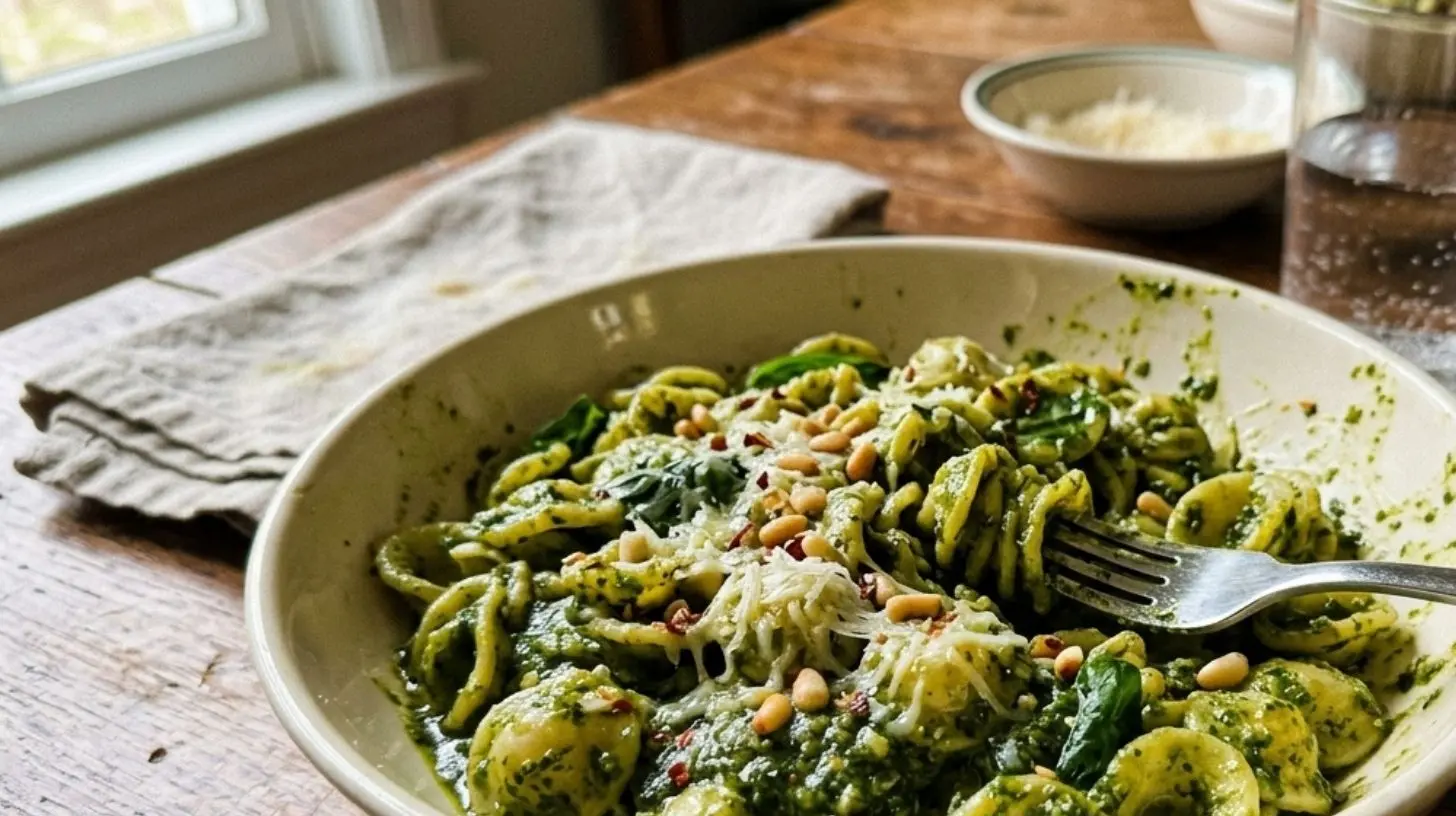
Pesto Pasta
Learn how to make flavorful pesto pasta in just 30 minutes.
Pasta
Basil
Garlic
Pine nuts
Parmesan cheese
Olive oil
Cook the pasta according to package instructions.
Blend basil, garlic, pine nuts, Parmesan cheese, and olive oil in a food processor.
Toss the cooked pasta with the pesto sauce.
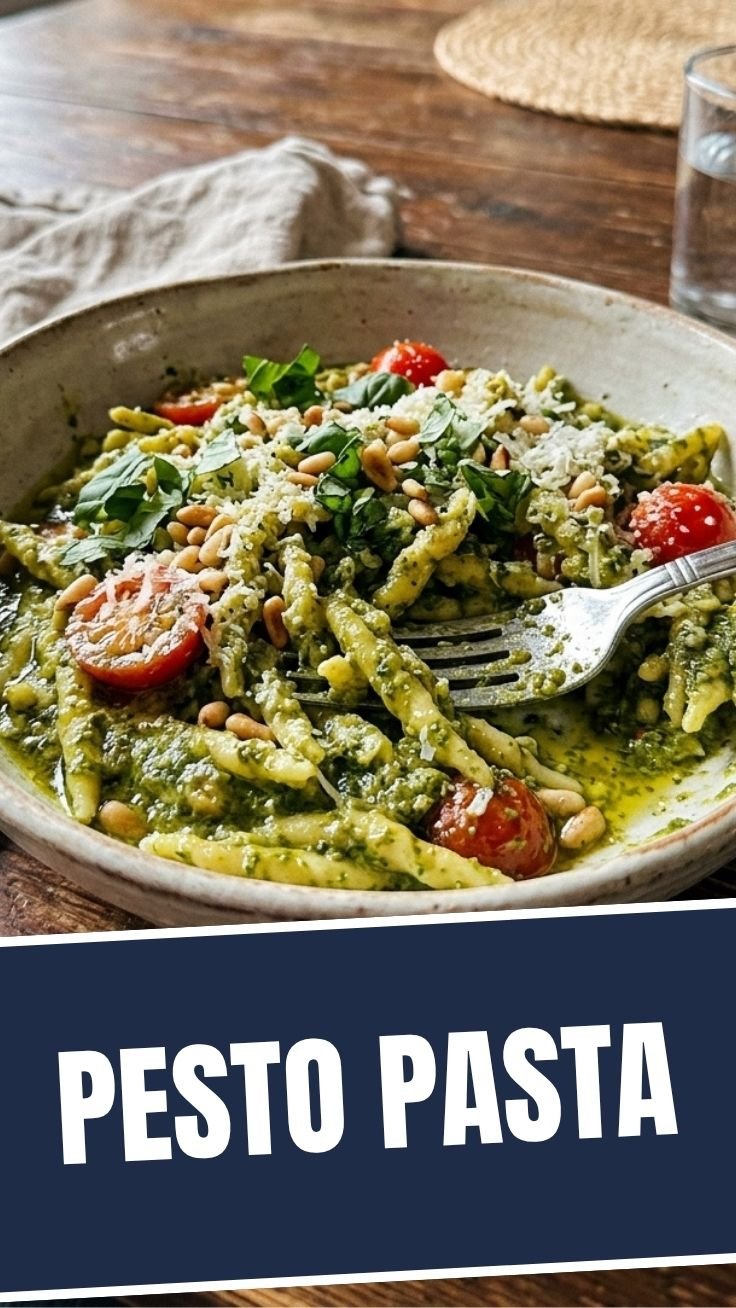
Sprinkle extra Parmesan cheese on top before serving.
Here is a comprehensive, SEO-optimized blog post designed to rank well and engage your readers.
—
Have you ever wondered why the vibrant, aromatic bowl of pasta you get at a trattoria tastes so much more complex than the jarred sauce you have at home? The secret isn’t a secret ingredient—it’s the method. Mastering a fresh, homemade Pesto Pasta isn’t just about dinner; it’s a foundational skill that unlocks a world of flavor. By preparing this recipe at home, you control the quality of the olive oil, the freshness of the basil, and the texture of the pasta, ensuring a dish that is both budget-friendly and restaurant-worthy. This recipe is designed to be your go-to guide for perfecting one of the most rewarding pasta recipes in the Italian repertoire.
Ingredients & Kitchen Tools
For the Pesto:
– 2 cups fresh basil leaves, packed: Use sweet Genovese basil for the best flavor. Do not wash until ready to use.
– 1/2 cup extra virgin olive oil: Use a high-quality, fruity oil. Avoid robust oils that can overpower the basil.
– 1/3 cup pine nuts (or walnuts): Pine nuts offer a buttery texture. Toast them lightly for extra depth.
– 1/2 cup freshly grated Parmigiano-Reggiano: Pre-grated cheese contains anti-caking agents that ruin the texture.
– 2 cloves garlic, peeled: For a milder, sweeter flavor, remove the green germ from the center of the garlic clove.
– Salt and black pepper to taste.
For the Pasta:
– 1 lb (450g) dried pasta: Use a shape that holds sauce, like fusilli, trofie, or gemelli.
Kitchen Tools:
– Food processor or mortar and pestle
– Large stockpot
– Colander
– Large mixing bowl
– Chef’s knife and cutting board
Optional Substitutions:
– Nut-Free: Substitute pine nuts with toasted sunflower seeds or pepitas.
– Dairy-Free: Omit the cheese. Add 1-2 tablespoons of nutritional yeast for a savory, umami flavor.
Prep Time & Cooking Schedule
– Prep Time: 10 minutes
– Cook Time: 10-12 minutes
– Total Time: 25 minutes
Context: This dish comes together almost as fast as the water boils. The key is to have your pesto ready before you cook the pasta. Because pesto is a raw sauce, it doesn’t need to simmer. This makes it a perfect weeknight meal—quick, fresh, and deeply satisfying.
Step-by-Step Instructions
1. Set Your Water: Bring a large pot of generously salted water to a rolling boil. The water should taste like the sea; this is your only chance to season the pasta from the inside out.
2. Make the Pesto: While the water heats, add the basil leaves, pine nuts, and garlic to your food processor. Pulse 5-6 times until coarsely chopped. With the motor running, slowly drizzle in the olive oil until a smooth, thick paste forms. This process is the heart of making a classic Pesto Pasta—the emulsification of oil and basil is what creates that creamy, luxurious texture without any dairy. Scrape down the sides.
3. Add the Cheese: Transfer the mixture to a bowl and fold in the grated Parmigiano-Reggiano. Season with salt and pepper to taste. Note: The cheese adds salt, so taste before adjusting.
4. Cook the Pasta: Add your pasta to the boiling water. Cook until al dente, about 1 minute less than the package directions. This is a critical step for all successful pasta recipes—firm pasta holds its shape better and has a lower glycemic index.
5. Reserve & Combine: Before draining, reserve 1 cup of the starchy pasta water. Drain the pasta and immediately transfer it to a large, warm bowl.
6. Emulsify the Sauce: Add 2-3 generous spoonfuls of pesto to the hot pasta. Toss vigorously. Add a splash of the reserved pasta water (about 1/4 cup) and toss again. The starch in the water helps the pesto coat every strand of pasta evenly. The sauce should be thick enough to cling to the pasta but fluid enough to coat the bottom of the bowl.
7. Serve: Serve immediately. Top with a final grating of cheese and a few fresh basil leaves.
Nutritional Benefits & Advantages
This dish is surprisingly nutritious for a comfort food. Basil is rich in Vitamin K, essential for bone health, and packed with antioxidants. The primary fat source is heart-healthy extra virgin olive oil, which is known for its anti-inflammatory properties. Pine nuts provide healthy fats and protein, while the Parmigiano-Reggiano offers a concentrated source of calcium. When consumed as a whole meal, Pesto Pasta provides a balanced source of complex carbohydrates (from the pasta) and healthy fats, leading to sustained energy release rather than a sugar spike.
Tips Variations & Cooking Advice
Flavor Variations:
– Spicy: Add a pinch of red pepper flakes with the garlic.
– Creamy: Stir in 2 tablespoons of full-fat Greek yogurt or mascarpone right before serving.
– Green Power: Add a handful of baby spinach or arugula to the food processor with the basil.
Dietary Adaptations:
– Gluten-Free: Use high-quality chickpea or lentil pasta. Cook it for an extra 1-2 minutes as these varieties can be firmer.
– Vegan: Use the dairy-free substitutions mentioned above. The nutritional yeast provides a cheesy, savory depth.
Cooking Advice:
– Never heat the pesto in a saucepan. Direct heat will turn the basil bitter and cause the cheese to clump.
– Toss the pasta in a warm bowl, not the hot pot, to prevent the sauce from “cooking” against the residual heat.
Common Mistakes to Avoid
Mistake #1: Overprocessing the Basil
– Solution: Pulse, don’t blend. High-speed blending creates friction that heats the basil and oxidizes it, turning your pesto brown and metallic.
Mistake #2: Cooking the Sauce
– Solution: Pesto is a raw sauce. It is “cooked” only by the residual heat of the freshly boiled pasta. Adding it to a hot pan will ruin its flavor.
Mistake #3: Underseasoning the Pasta Water
– Solution: If your pasta tastes bland, your water wasn’t salty enough. Use 1 tablespoon of coarse salt per gallon of water.
Storage & Meal Prep Tips
Refrigeration: Store leftover pesto in a clean jar. Cover the top with a thin layer of olive oil to prevent oxidation (browning). It will stay fresh for 5-7 days. Store tossed pasta separately in an airtight container for up to 3 days.
Freezing: Pesto freezes beautifully. Spoon it into an ice cube tray, freeze, and pop out the cubes. Store in a freezer bag for up to 3 months. Thaw a cube in the fridge overnight or toss directly into hot pasta.
Reheating Pasta: The best method is to sauté leftovers in a non-stick pan with a splash of water or white wine. This revives the sauce and prevents the pasta from becoming mushy.
Conclusion
Mastering this simple technique transforms a basic weeknight dinner into a vibrant, flavorful experience. The key takeaway is to respect the rawness of the sauce: make a fresh, emulsified base, cook your pasta perfectly al dente, and marry the two with starchy water. Perfecting this Pesto Pasta opens up a world of pasta recipes that rely on fresh, simple ingredients rather than complex techniques. We encourage you to try this recipe this week and discover just how easy gourmet cooking can be. Share your results with us in the comments below!
FAQs
1. Can I use a different herb instead of basil?
Yes! Traditional “pesto” can be made with parsley, cilantro, or even sun-dried tomatoes. The technique of emulsifying oil with a green is the same.
2. Why is my pesto bitter?
Bitterness usually comes from one of three things: using a very robust, peppery olive oil; over-processing the basil (heating it up); or not removing the green germ from the garlic clove.
3. How much pasta water should I use?
Start with 1/4 cup. The amount needed varies depending on your pasta shape. The goal is a sauce that clings to the pasta, not pools at the bottom of the bowl.
4. Can I freeze the already-tossed pasta?
Yes, but the texture will be slightly softer upon thawing. It’s better to freeze the pesto separately and toss with fresh pasta.
5. My pesto turned brown. Is it safe to eat?
Yes, it’s safe. This is just oxidation. The flavor will be slightly less vibrant, but it is perfectly fine to eat. To prevent this, always press plastic wrap directly onto the surface of the pesto before refrigerating.
Pesto Pasta
Equipment
- large pot
- large bowl
Ingredients
Main Ingredients
- 340 g pasta
- 1 cup pesto
- 220 g cherry tomatoes halved
- 0.5 cup Parmesan cheese grated
For Garnish
- fresh basil chopped
Optional Add-ins
- grilled chicken sliced
- shrimp cooked
Seasoning
- salt
- black pepper
Instructions
Cooking Pasta
- Cook pasta according to package directions in a large pot of salted boiling water.
- Drain the pasta and reserve 1/2 cup of pasta water.
Combine Ingredients
- In a large bowl, combine the cooked pasta, pesto, cherry tomatoes, and Parmesan cheese.
- Toss everything together until well combined.
Adjust Consistency (if needed)
- If the pasta seems too dry, add a little reserved pasta water, one tablespoon at a time, until it reaches your desired consistency.
Serve
- Season with salt and black pepper to taste.
- Garnish with fresh basil, if desired, and serve immediately.