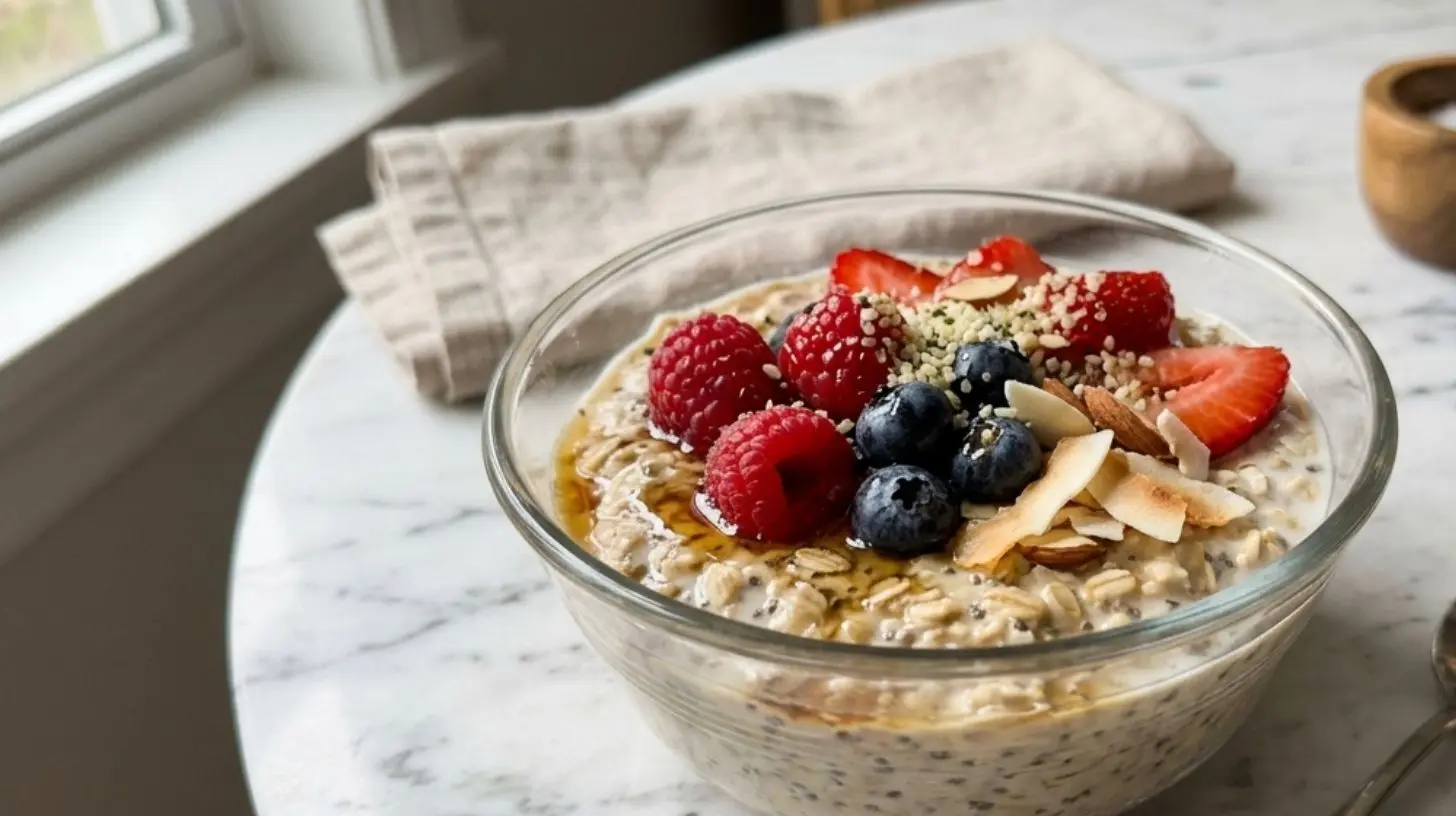
Quick way to grow 3 Overnight Oats
Learn how to make three delicious overnight oats in no time!
Oats
Milk
Yogurt
Berries
Honey
Combine oats, milk, and yogurt in a jar.
Stir in berries and honey.
Cover and let it sit overnight.
Enjoy your delicious overnight oats in the morning!
Why You’ll Love This No-Cook Breakfast (And Why It’s Smarter Than You Think)
Have you ever woken up craving a creamy, satisfying breakfast that doesn’t require standing over a stove? If so, Overnight Oats might already be on your radar—but the real magic lies in mastering the technique. This simple, make-ahead meal isn’t just about convenience; it’s about unlocking better texture, deeper flavor, and more control over your morning nutrition. Preparing Overnight Oats at home means you skip the additives, customize every spoonful, and save time. Whether you’re new to the concept or looking to refine your results, this guide covers everything from ratios to recipe variations. And once you’ve tried the basics, exploring different Overnight Oats Recipes will keep your mornings interesting all year. Let’s dive in.
Ingredients & Kitchen Tools
For the base (2 servings):
– 1 cup rolled oats (not instant) – holds shape better overnight
– 1 cup milk (dairy, almond, oat, or coconut) – liquid ratio is key
– ½ cup Greek yogurt (optional, for creaminess and protein)
– 2 tablespoons chia seeds (adds thickness and omega-3s)
– 1–2 tablespoons sweetener (maple syrup, honey, or agave)
Flavor add-ins (choose one or combine):
– ½ cup fresh or frozen berries
– 1 tablespoon nut butter
– ½ teaspoon cinnamon or vanilla extract
– Pinch of salt
Kitchen tools:
– Mason jars or airtight containers with lids
– Measuring cups and spoons
– Small whisk or fork for mixing
– Spoon for layering (optional)
Substitutions:
– No yogurt? Use ½ cup extra milk + 1 tablespoon extra chia seeds.
– Gluten-free? Use certified gluten-free rolled oats.
– Nut-free? Use coconut yogurt or skip yogurt entirely.
Prep Time & Cooking Schedule
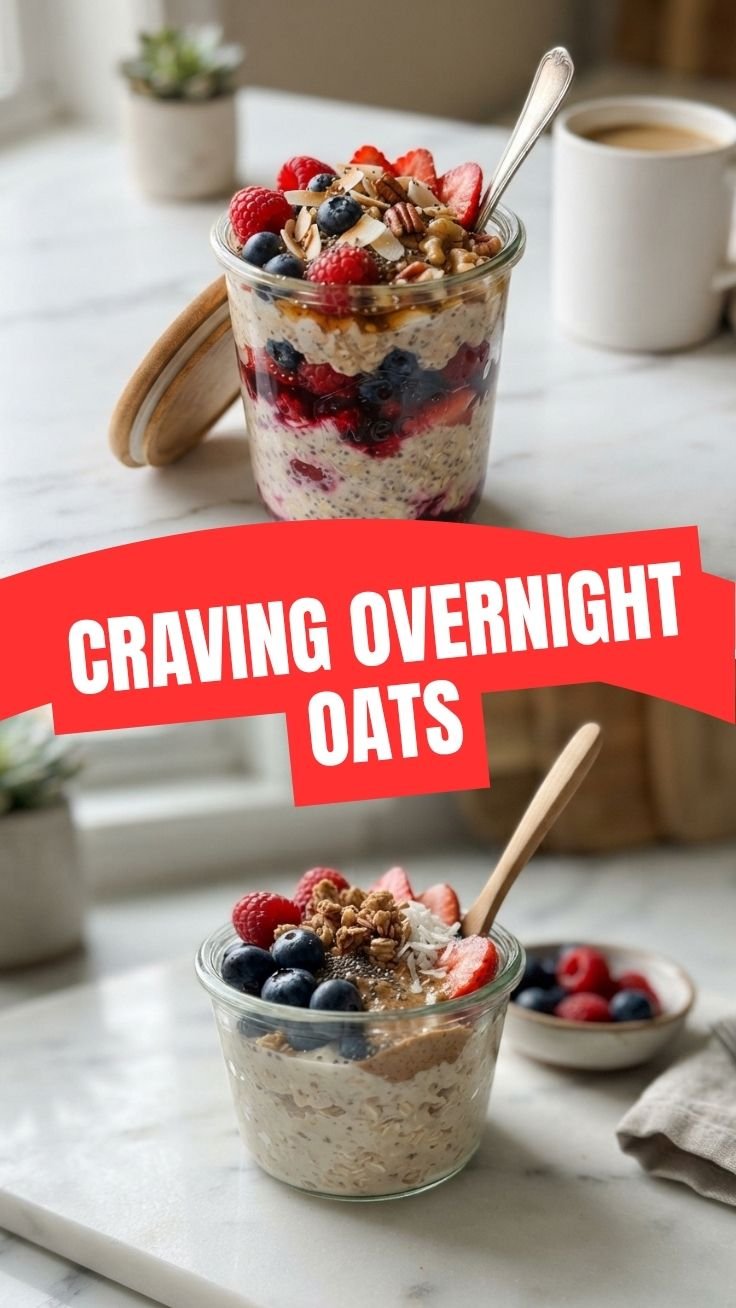
– Prep time: 5–7 minutes
– Resting time: At least 6 hours (overnight is best)
– Total wait time: 6–12 hours in the refrigerator
Plan ahead: Mix your oats before bedtime. They’ll be ready when you wake up. For thicker texture, let them sit 8–12 hours. For a softer bite, 4–6 hours is enough.
Step-by-Step Instructions
1. Combine dry ingredients. In a bowl or directly in your jar, stir together rolled oats, chia seeds, and a pinch of salt. This ensures even distribution.
2. Add wet ingredients. Pour in milk, yogurt (if using), and sweetener. Whisk until fully incorporated. No lumps should remain.
3. Flavor it. Stir in your chosen add-ins – berries, nut butter, cinnamon, or vanilla. If you’re making multiple servings, divide the base first then add different toppings.
4. Seal and shake. Close the jar tightly and shake vigorously for 10 seconds. This incorporates air and yields a creamier consistency.
5. Refrigerate. Place jars in the fridge for at least 6 hours. During this time, the oats absorb liquid, chia seeds swell, and the mixture thickens into a pudding-like texture.
6. Serve cold or warm. Stir before eating. Top with fresh fruit, nuts, or a drizzle of nut butter. If you prefer warm oats, microwave for 60–90 seconds, stirring halfway.
Temperature control tip: Don’t leave oats at room temperature – they need cold to hydrate properly without turning mushy or sour. Texture cue: The final consistency should be thick but spoonable, not runny. If too thick after refrigeration, stir in a tablespoon of milk.
By mastering this base method, you’ll be ready to create countless Overnight Oats variations. And if you want more inspiration, search online for Overnight Oats Recipes that feature tropical fruits, chocolate, or savory twists.
Nutritional Benefits & Advantages
Overnight oats are a nutritional powerhouse thanks to whole-food ingredients:
– Rolled oats provide soluble fiber (beta-glucan), which supports heart health and steady energy.
– Chia seeds add fiber, protein, and omega-3 fatty acids.
– Greek yogurt boosts protein and probiotics (if using dairy).
– Berries contribute antioxidants and vitamin C.
Compared to instant oatmeal packets, homemade overnight oats have less sugar, more fiber, and no artificial thickeners. The soaking process also breaks down phytic acid, making minerals like iron and zinc more bioavailable.
Tips, Variations & Cooking Advice
– Flavor variations: Pumpkin spice (add 2 tbsp pumpkin purée + pumpkin pie spice), chocolate banana (1 tbsp cocoa powder + mashed banana), or apple cinnamon (diced apple + ½ tsp cinnamon).
– Ingredient swaps: Use steel-cut oats for a chewier texture (increase liquid to 1¼ cups and soak 12+ hours). Replace yogurt with canned coconut cream for a dairy-free, extra-rich version.
– Portion adjustments: This recipe scales easily – for a single serving, halve everything and use a 8-ounce jar.
– Dietary adaptations: For a sugar-free version, omit sweetener and add mashed banana or stevia. For gluten-free, confirm oats are certified gluten-free.
Common Mistakes to Avoid
– Too much liquid: A 1:1 ratio of oats to milk is ideal. Adding extra liquid results in soupiness. If you like thinner oats, add milk just before serving.
– Skipping chia seeds: Chia is what gives overnight oats their signature thick gel. Without them, you’ll get a watery porridge. Substitute 1 tablespoon ground flaxseed if needed.
– Using instant oats: These turn mushy easily. Stick to rolled or old-fashioned oats for the best texture.
– Forgetting sweetener: Unsweetened oats can taste bland. Even a teaspoon of maple syrup makes a difference. Taste before refrigerating and adjust.
– Not stirring after mixing: Dry pockets form if you don’t mix thoroughly. Shaking the jar solves this.
Storage & Meal Prep Tips
– Refrigeration: Store in airtight jars for up to 5 days. Keep toppings separate to avoid sogginess.
– Freezing: You can freeze overnight oats in individual containers for up to 3 months. Thaw overnight in the fridge, then add fresh toppings.
– Reheating: Microwave in 30-second bursts, stirring in between. If you’re adding hot toppings (e.g., warmed nut butter), wait until after reheating to preserve texture.
– On-the-go tip: Use wide-mouth jars for easy eating with a spoon. Pack toppings in a small container to add fresh at work or school.
Conclusion
Overnight oats prove that a delicious, nourishing breakfast doesn’t require morning effort. By understanding the basic ratios and key techniques, you can build a rotating menu of flavors that never gets boring. Overnight Oats are more than a trend – they’re a reliable foundation for healthy habits. Whether you stick with classic berries or venture into exotic combinations, exploring different Overnight Oats Recipes keeps your mornings exciting. Try a batch tonight, and share your favorite flavor in the comments below. For more make-ahead breakfast ideas, browse our collection of quick meal prep guides.
FAQs
1. Can I use quick oats instead of rolled oats?
Yes, but the texture will be softer and less chewy. Reduce liquid slightly (¾ cup milk per 1 cup quick oats) and soak for only 2–4 hours.
2. My oats turned out watery. How do I fix them?
Stir in 1 tablespoon chia seeds or 1 tablespoon ground flaxseed, then refrigerate for another 30 minutes. The seeds will absorb excess liquid.
3. Can I make overnight oats without dairy?
Absolutely. Use any plant-based milk (almond, oat, soy, coconut) and swap yogurt with dairy-free yogurt or simply omit it.
4. How long can I leave them at room temperature?
No more than 2 hours (1 hour in warm weather). Always refrigerate to prevent spoilage and maintain food safety.
5. Can I add protein powder?
Yes, but mix it first with a splash of milk to form a paste, then stir into the oats. Adding dry powder directly can create clumps.