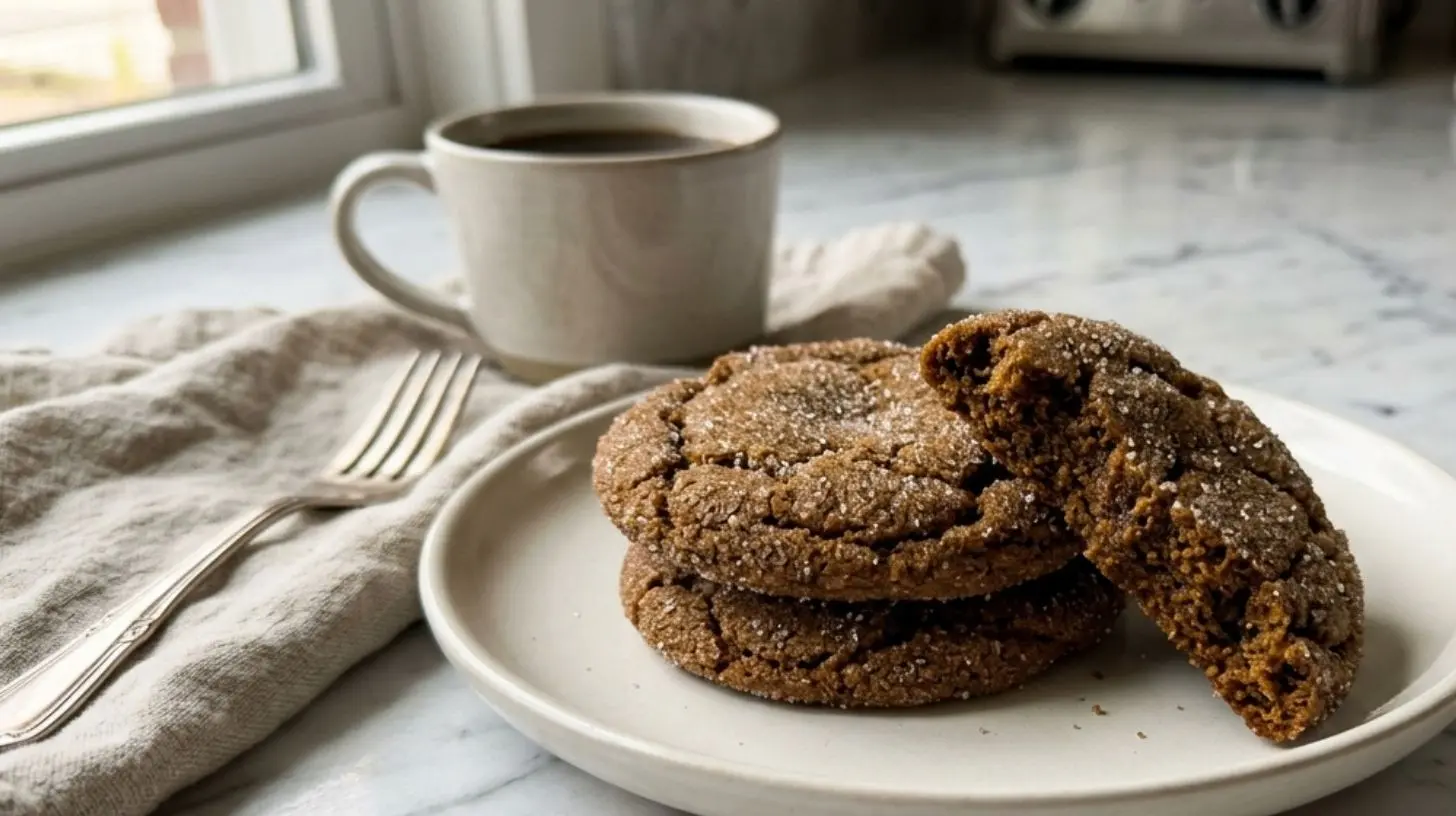
Proven way to grow 7 soft Molasses Cookies
Learn how to make 7 soft and chewy molasses cookies.
Butter
Molasses
Egg
Flour
Baking soda
Cinnamon
Sugar
Cream the butter and sugar together.
Add the molasses and egg, mix well.
Sift the flour, baking soda, and cinnamon together.
Gradually add the dry ingredients to the wet mixture.
Roll the dough into balls and place on a baking sheet.
Bake in the oven at 350°F for 10-12 minutes.
Let cool before serving. Enjoy your soft molasses cookies!
The Ultimate Guide to Perfectly Spiced Molasses Cookies: A Home Baker’s Secret
Have you ever bitten into a cookie that tastes like a warm hug on a cold winter day? That deep, rich, molasses flavor combined with aromatic spices is something truly special. While bakery versions are tempting, nothing compares to making these Molasses Cookies from scratch in your own kitchen. Not only do you control the quality of ingredients, but you also get that irresistible aroma filling your home. This Molasses cookie recipe is designed to deliver consistent results every time—crispy edges, soft centers, and that signature crackly top. Let’s unlock the secrets to baking these timeless treats.
Ingredients & Kitchen Tools
Before diving in, gather everything you need. Proper preparation prevents poor performance—especially with cookie dough.
Ingredients:
– Unsalted butter (1 cup, softened): Use room temperature butter for easy creaming. Salted butter works if you reduce added salt by ¼ teaspoon.
– Granulated sugar (1 cup + extra for rolling): You’ll need about ¼ cup additional sugar to coat the dough balls before baking.
– Dark brown sugar (½ cup, packed): Adds moisture and deeper flavor. Light brown sugar works but yields milder taste.
– Egg (1 large, room temperature): Ensures proper emulsion. Cold eggs can curdle the batter.
– Unsulphured molasses (⅓ cup): The heart of this Molasses cookie recipe. Use light or dark molasses—blackstrap is too bitter.
– All-purpose flour (2¼ cups): Spoon and level for accuracy. Gluten-free 1:1 blend works as substitute.
– Baking soda (2 teaspoons): Creates spread and crackly tops. Check freshness—toss if older than 6 months.
– Ground ginger (1½ teaspoons): Provides warmth. Freshly grated ginger adds intensity but changes texture.
– Ground cinnamon (1 teaspoon): Classic pairing with ginger. Vietnamese cinnamon is especially aromatic.
– Ground cloves (¼ teaspoon): A little goes a long way. Use allspice as substitute.
– Salt (½ teaspoon): Enhances sweetness. Fine sea salt dissolves best.
Kitchen Tools:
– Stand mixer or hand mixer with paddle attachment
– Large mixing bowl
– Measuring cups and spoons
– Rubber spatula
– Baking sheets (preferably light-colored)
– Parchment paper or silicone baking mats
– Cooling rack
– Cookie scoop (1.5 tablespoon size) or tablespoon measure
Prep Time & Cooking Schedule
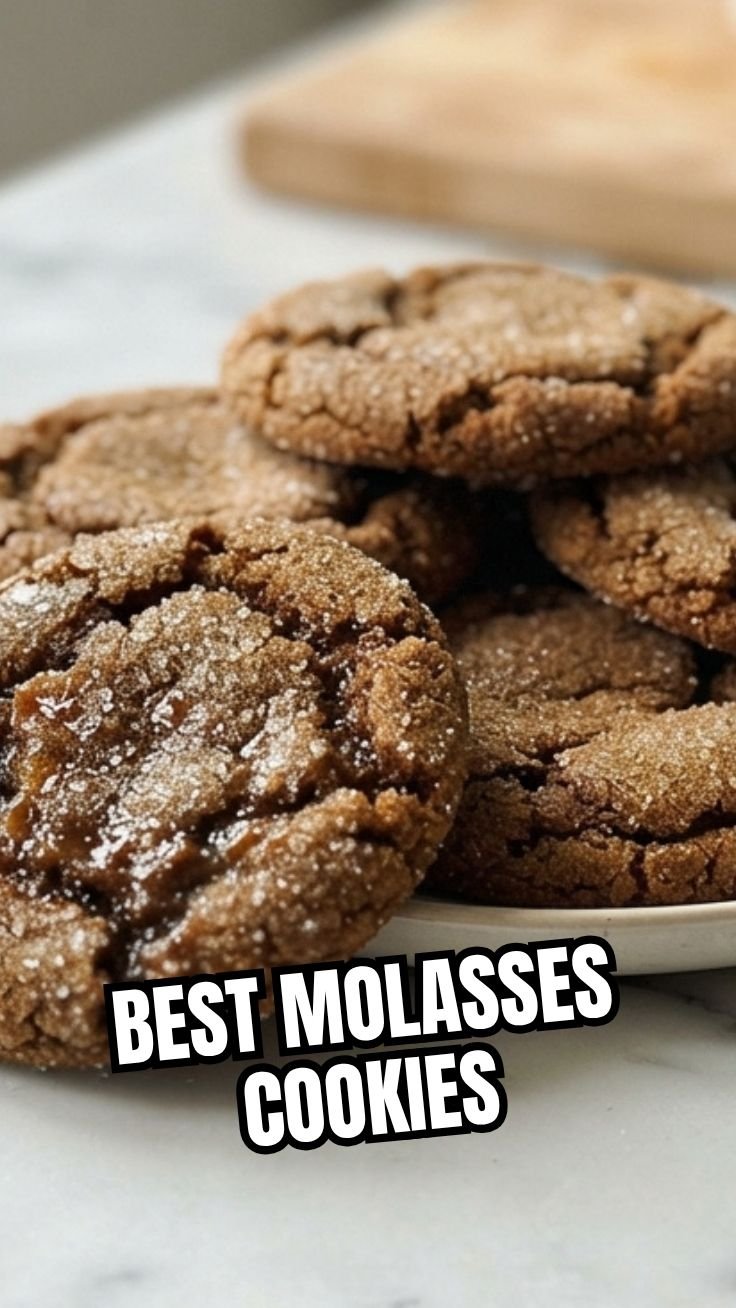
Proper timing ensures your Molasses Cookies turn out perfectly without last-minute rushing.
– Prep time: 20 minutes (creaming butter and sugar, mixing dry ingredients, combining)
– Chill time: At least 1 hour (essential for preventing excessive spreading and developing flavor)
– Bake time: 10–12 minutes per batch
– Cooling time: 5 minutes on baking sheet, then transfer to rack
Planning tip: The dough benefits from overnight chilling—flavors meld and deepen. Make the dough a day ahead, wrap tightly, and bake fresh. Each batch yields approximately 24–30 cookies depending on size.
Step-by-Step Instructions
Follow these steps carefully for bakery-quality Molasses Cookies with that iconic crinkled top and chewy center.
Step 1: Cream butter and sugars. In a large mixing bowl, beat softened butter with granulated sugar and brown sugar until light and fluffy—about 3–4 minutes. Scrape sides halfway through. This incorporates air for proper rise.
Step 2: Add egg and molasses. Beat in the egg until fully combined, then add molasses. Mix until smooth. The batter will appear darker and slightly thinner—normal.
Step 3: Whisk dry ingredients separately. In another bowl, combine flour, baking soda, ginger, cinnamon, cloves, and salt. Whisk thoroughly to distribute leavening and spices evenly through this Molasses cookie recipe.
Step 4: Gradually add dry to wet. Add flour mixture in three additions, mixing on low just until incorporated. Overmixing develops gluten, making cookies tough. Use spatula to fold last bits.
Step 5: Chill the dough. Cover bowl with plastic wrap and refrigerate for at least 1 hour. This solidifies the butter, preventing excessive spread. Chilled dough also creates thicker cookies.
Step 6: Preheat and prepare. Preheat oven to 350°F (175°C). Line baking sheets with parchment paper. Pour about ¼ cup granulated sugar into a shallow bowl for rolling.
Step 7: Shape and coat. Scoop rounded tablespoons of dough (about 1.5 tablespoons each). Roll into smooth balls, then roll generously in sugar. Place 2 inches apart on prepared sheets.
Step 8: Bake and cool. Bake for 10–12 minutes—edges should be set but centers still slightly soft. The cookies will continue setting as they cool. Let rest on sheet for 5 minutes before transferring to wire rack.
Temperature cue: For softer cookies, bake 10 minutes; for crispier, push to 12. Ovens vary—check at 9 minutes on first batch.
Nutritional Benefits & Advantages
These Molasses Cookies offer surprising nutritional perks beyond their indulgent taste.
– Molasses contains iron and calcium: Unlike refined sugar, unsulphured molasses provides trace minerals. One tablespoon offers about 5% of daily iron needs.
– Ginger aids digestion: The ginger in this Molasses cookie recipe adds anti-inflammatory properties and can soothe stomach upset.
– Portion control: Homemade cookies allow you to control sugar content. Reduce sugar by ¼ cup for less sweet but still flavorful cookies.
– No preservatives: Unlike store-bought versions, your batch contains only whole ingredients—no artificial flavors or stabilizers.
Dietary advantage: By substituting gluten-free flour and using dairy-free butter, these cookies adapt to special diets without sacrificing texture or taste.
Tips Variations & Cooking Advice
Unlock endless possibilities with these adaptable techniques.
Flavor variations:
– Spice it up: Add ¼ teaspoon nutmeg or cardamom for complexity. Orange zest (1 teaspoon) brightens molasses notes.
– Add texture: Fold in ½ cup chopped crystallized ginger or toasted pecans after chilling.
– Chocolate twist: Swap ¼ cup flour for unsweetened cocoa powder for molasses-chocolate cookies.
Dietary adaptations:
– Gluten-free version: Use 2¼ cups gluten-free 1:1 flour blend (containing xanthan gum). Chill dough 30 minutes longer—GF dough spreads more.
– Dairy-free option: Replace butter with plant-based stick butter (like Earth Balance). Ensure it contains fat—some vegan butters are too soft.
Cooking method swaps:
– Adjust cookie size: For larger cookies (3 tablespoons dough), bake 13–15 minutes. For mini cookies (1 teaspoon), bake 7–8 minutes.
– Chewier texture: Replace 1 tablespoon molasses with golden syrup or honey. This reduces moisture while adding tenderness.
Common Mistakes to Avoid
Even experienced bakers encounter pitfalls. Here’s how to prevent them.
Mistake 1: Skipping the chill. Unchilled dough spreads into thin, flat cookies with no crackly top. Solution: Never skip refrigeration—minimum 1 hour, ideally 2–3.
Mistake 2: Overmeasuring flour. Scooping directly from bag compacts flour, adding excess. Solution: Use spoon-and-level method—spoon flour into measuring cup, level with knife.
Mistake 3: Using old baking soda. Expired baking soda won’t produce proper rise or crackling. Solution: Test by dropping ¼ teaspoon into vinegar—should fizz vigorously. Replace every 3–6 months.
Mistake 4: Overbaking. Cookies appear underdone when removed but continue cooking on hot sheet. Solution: Bake until edges are just set and centers still soft-looking. Err on underdone side.
Mistake 5: Crowding the pan. Cookies need room to spread. Solution: Place dough balls 2 inches apart. Bake in batches—don’t reuse hot pans without cooling.
Storage & Meal Prep Tips
Keep your Molasses Cookies fresh for days with proper storage.
Room temperature storage: Place cookies in airtight container with a slice of bread or apple wedge—this maintains moisture. They stay fresh 5–7 days. Replace bread every 2 days.
Freezing instructions: Freeze baked cookies in single layer on sheet, then transfer to freezer bag. They last 3 months. Thaw at room temperature for 15 minutes.
Freezing dough: Prepare dough, scoop into balls, and freeze on baking sheet. Transfer frozen balls to bag. Bake from frozen—add 2–3 minutes to bake time. Perfect for spontaneous cravings.
Reheating: Microwave one cookie for 10 seconds for warm, gooey texture. Or warm in 300°F oven for 5 minutes to restore crisp edges.
Meal prep strategy: Make double batch. Bake half now, freeze remaining dough balls. This Molasses cookie recipe is ideal for holiday prep or gift giving.
Conclusion
These homemade Molasses Cookies deliver that nostalgic, spiced sweetness that rivals any bakery—with the added satisfaction of knowing exactly what’s inside. By mastering the chill time and baking cues, you’ll achieve that perfect balance of crispy edges and tender centers every time. This Molasses cookie recipe proves that simple ingredients, handled with care, create extraordinary results. Whether you’re baking for holiday gatherings, cozy evenings, or just because your kitchen smells amazing, this recipe will become your go-to. Try it this weekend, share your creations, and discover why these cookies deserve a permanent spot in your baking rotation.
FAQs
Q: Can I use blackstrap molasses instead of regular molasses?
A: Blackstrap is more bitter and less sweet, which can overpower the cookies. For best results, stick with unsulphured light or dark molasses. If using blackstrap, reduce amount to ¼ cup and add 2 tablespoons honey or maple syrup.
Q: Why did my cookies turn out flat and spread too much?
A: Most likely causes: dough wasn’t chilled long enough, butter was too soft, or baking soda was old. Ensure dough chills minimum 1 hour. Use room temperature butter, not melted. Check baking soda freshness before starting.
Q: How do I make these cookies softer/chewier?
A: For softer cookies, reduce bake time by 1 minute and remove when centers look slightly underdone. For extra chewiness, replace 1 tablespoon molasses with honey and chill dough 30 minutes longer.
Q: Can I substitute white sugar for brown sugar?
A: Brown sugar adds moisture and depth. Substituting all white sugar yields drier, less flavorful cookies. If necessary, use 1 cup white and add 2 tablespoons molasses to mimic brown sugar’s moisture.
Q: How long do these cookies stay fresh?
A: Stored airtight at room temperature, they remain soft and flavorful for 5–7 days. Add a slice of bread to maintain moisture. Baked cookies freeze well for up to 3 months, and dough balls freeze for 3 months.