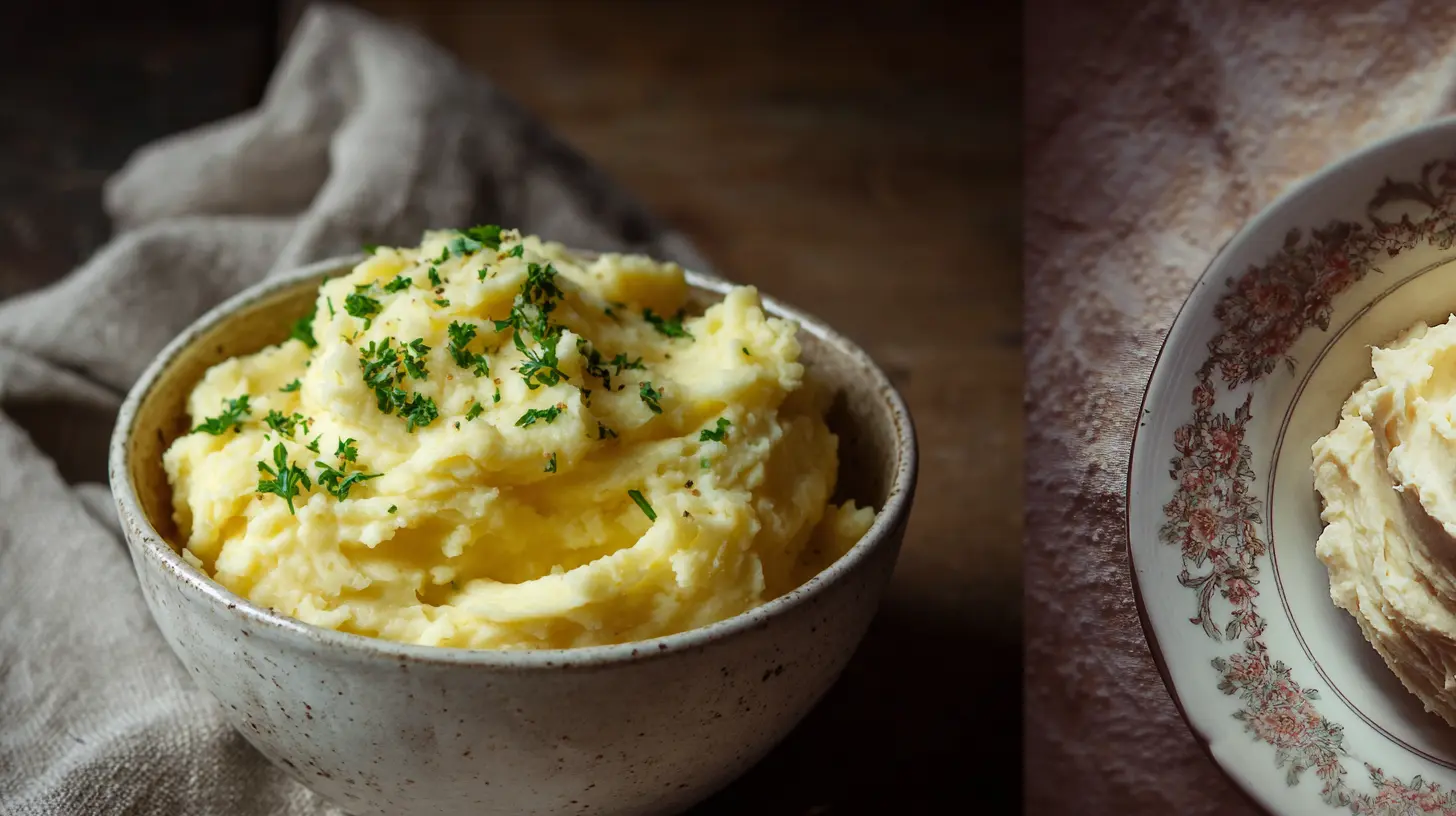
Best way to grow Incredible Mashed Potatoes
Learn how to make the best mashed potatoes ever!
Potatoes
Butter
Milk
Salt
Pepper
Peel and boil the potatoes until soft.
Add butter to the potatoes and mash them.
Pour in milk and continue mashing until creamy.
Season with salt and pepper to taste.
Perfect Fluffy Mashed Potatoes Every Time
Have you ever wondered why restaurant Mashed Potatoes taste so heavenly compared to homemade versions? The secret lies in technique, not fancy ingredients! Creating the perfect mashed potato recipe at home is actually quite simple once you understand a few key principles. This comfort food classic deserves a place in your regular cooking rotation, and today I’ll share how to achieve that restaurant-quality creaminess and flavor every single time.
Ingredients & Kitchen Tools
For the potatoes:
– 2 pounds Yukon Gold potatoes (russets work too, but yield a different texture)
– 4 tablespoons unsalted butter, room temperature
– ½ cup warm milk or heavy cream (adjust to desired consistency)
– Salt and freshly ground black pepper to taste
– Optional: 2 tablespoons sour cream or cream cheese for extra richness
– Optional: Chopped chives or green onions for garnish
Kitchen tools you’ll need:
– Large pot for boiling potatoes
– Potato masher or ricer (preferred for lump-free results)
– Colander for draining
– Wooden spoon or silicone spatula
– Measuring cups
– Serving bowl
Prep Time & Cooking Schedule
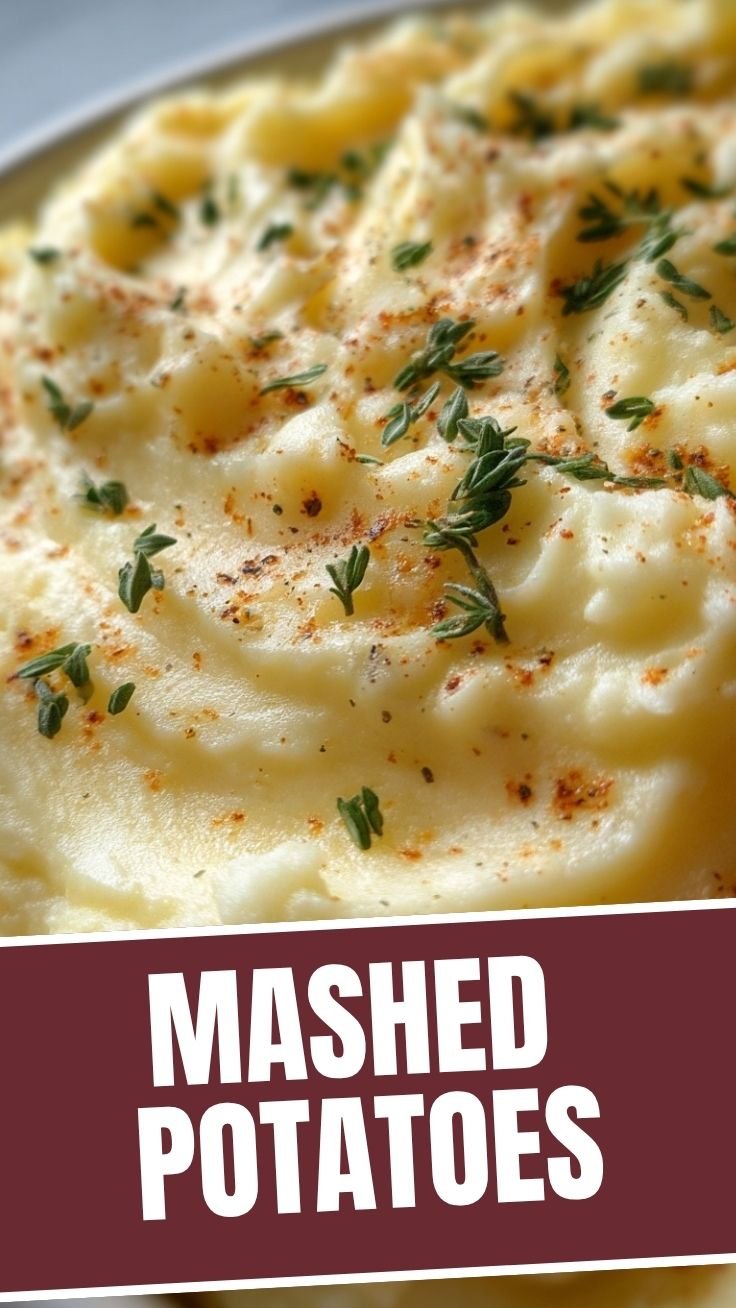
– Prep time: 10 minutes (peeling and cutting potatoes)
– Cook time: 15-20 minutes (boiling potatoes until fork-tender)
– Finishing time: 5 minutes (mashing and mixing in other ingredients)
– Total time: 30-35 minutes
Plan to serve these potatoes immediately for best texture and flavor. If making ahead, you’ll need to follow the reheating tips below to maintain their quality.
Step-by-Step Instructions
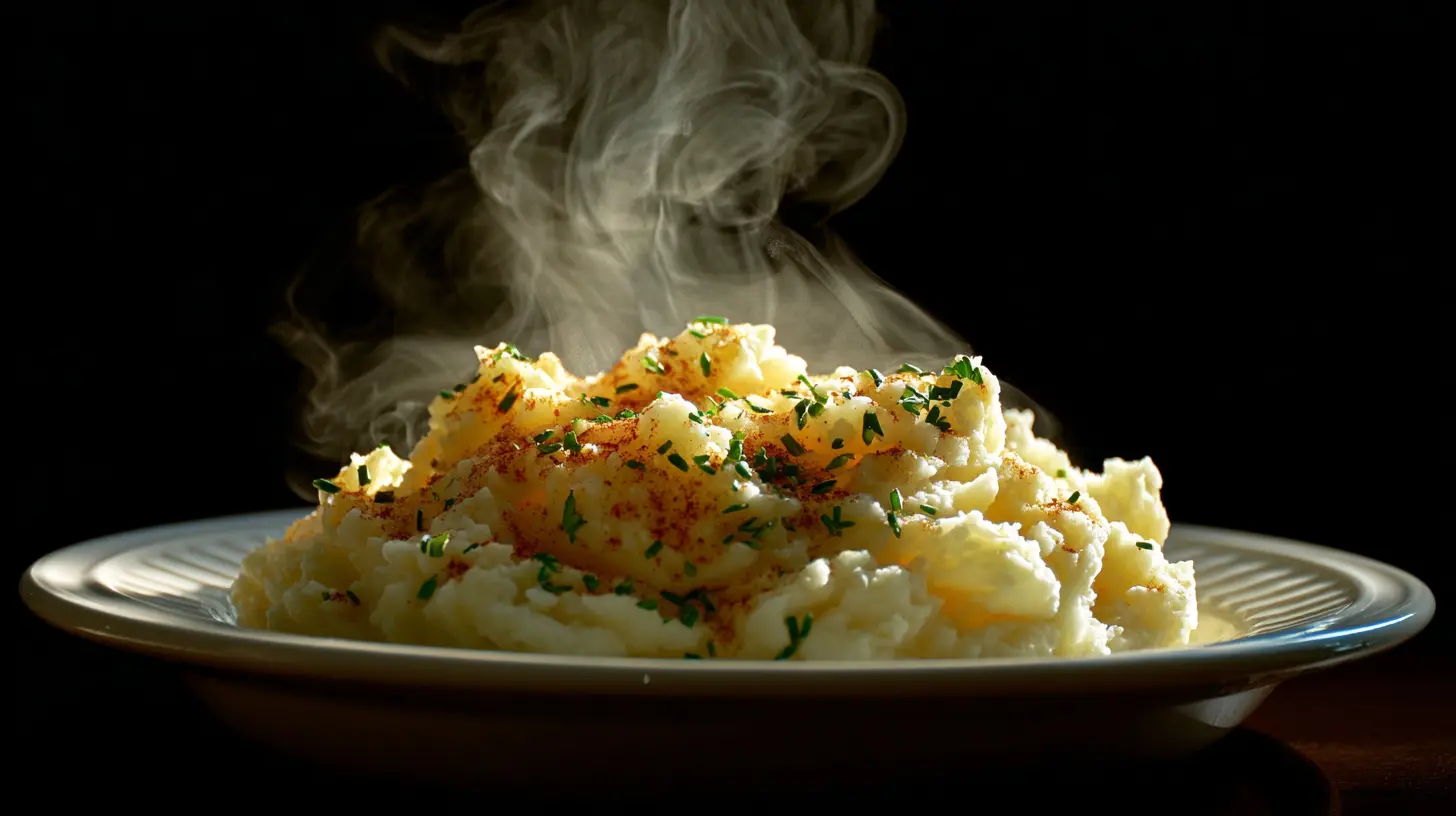
1. Prepare the potatoes: Peel and cut potatoes into evenly sized chunks (about 1-inch pieces). This ensures they cook at the same rate.
2. Boil properly: Place potatoes in a large pot and cover with cold water by 1 inch. Add 1 tablespoon of salt to the water. Starting with cold water is crucial for even cooking.
3. Cook until tender: Bring to a boil over high heat, then reduce to medium and simmer until potatoes are completely fork-tender, about 15-20 minutes. Undercooked potatoes will create lumpy Mashed Potatoes.
4. Drain thoroughly: Pour potatoes into a colander and let them steam dry for 1-2 minutes. This removes excess moisture for fluffier results.
5. Return to pot: Place the empty pot back on the stove over low heat. Add butter and let it melt. Return drained potatoes to the pot.
6. Mash with care: Use a potato masher or ricer (for smoothest results) to break down the potatoes. If using a mashed potato recipe that calls for extra smoothness, a food mill works wonderfully.
7. Add warm dairy: Gradually add warmed milk or cream while gently stirring. Never use cold dairy as it can make potatoes gluey.
8. Season properly: Add salt and pepper to taste, stirring gently. Remember potatoes absorb a lot of salt, so taste as you go.
Nutritional Benefits & Advantages
Potatoes are more nutritious than most people realize! They’re a good source of:
– Vitamin C and potassium
– Vitamin B6 and fiber (especially if using some of the skins)
– Complex carbohydrates for sustained energy
– When prepared with moderate amounts of dairy, they can be part of a balanced meal
Tips, Variations & Cooking Advice
– Flavor infusions: Infuse your milk/cream with roasted garlic, herbs like rosemary or thyme before adding to potatoes
– Dairy alternatives: Use chicken broth, olive oil, or plant-based milk for dairy-free versions
– Textural options: For chunky potatoes, use a hand masher; for ultra-smooth, use a ricer or food mill
– Flavor boosters: Try adding roasted garlic, horseradish, wasabi, or caramelized onions
– Make-ahead tip: Prepare up to 24 hours ahead, but add extra dairy when reheating to restore creaminess
Common Mistakes to Avoid
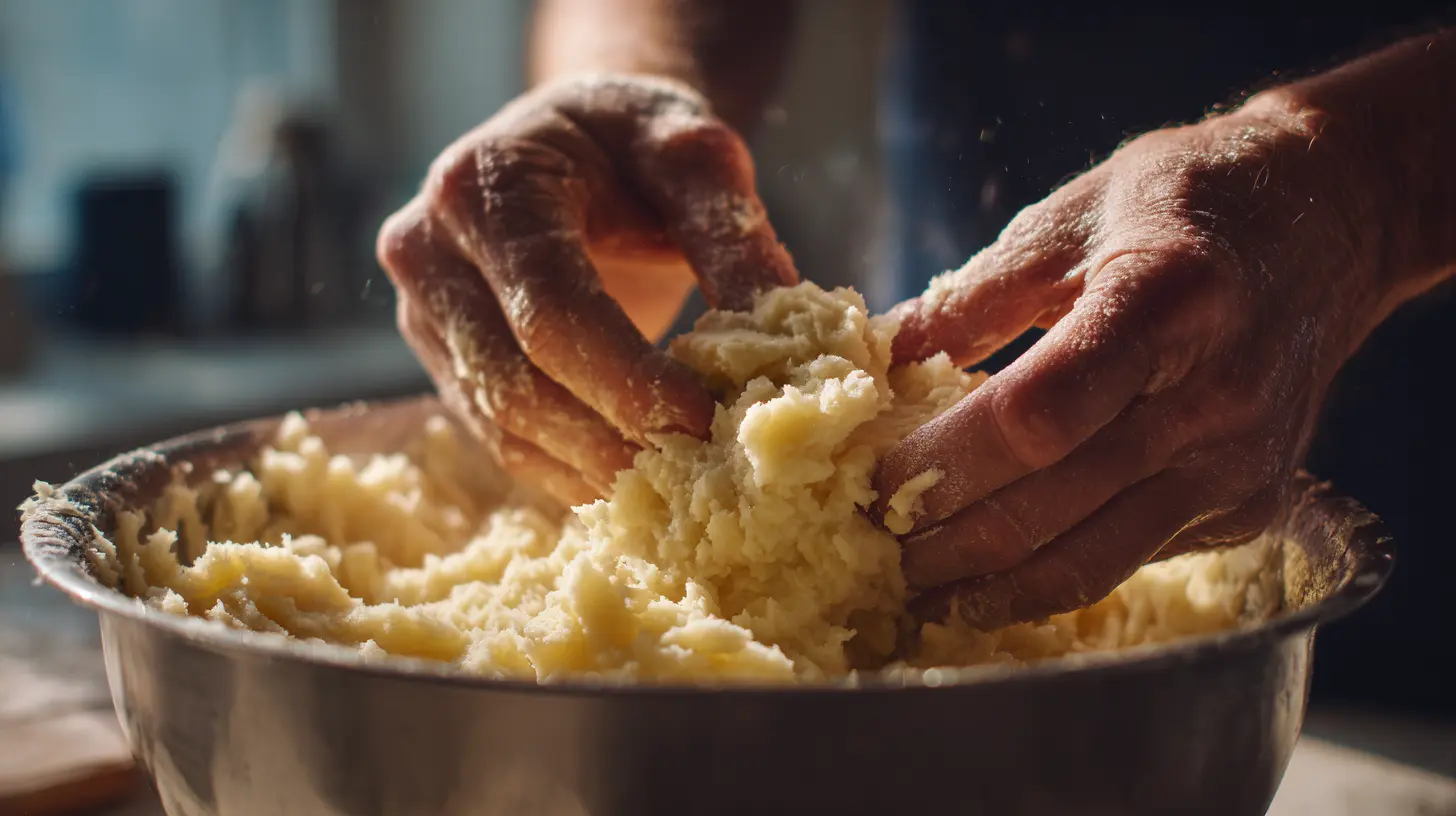
1. Over-mixing: This develops potato starch and creates a gluey, sticky texture. Stir gently and minimally.
2. Using cold dairy: Always warm your milk/cream to avoid cooling down the potatoes and developing starch.
3. Under-seasoning: Potatoes need more salt than you might think. Season in stages and taste frequently.
4. Wrong potato variety: Waxy potatoes make gummy mashed potatoes. Stick with starchy varieties like Russets or all-purpose Yukon Golds.
Storage & Meal Prep Tips
– Refrigeration: Store in an airtight container for up to 3-4 days
– Freezing: Not ideal but possible—freeze in airtight containers for up to 1 month
– Reheating: Add a splash of milk or cream and gently reheat over low heat, stirring occasionally
– Portion tip: Reheat only what you’ll eat immediately for best texture
Conclusion
With these techniques, you’ll create Mashed Potatoes that rival any restaurant version—fluffy, creamy, and perfectly seasoned. The beauty of this classic side dish is its versatility and how it complements so many main courses. Don’t be afraid to experiment with different add-ins once you’ve mastered the basic mashed potato recipe. Whether served alongside a holiday roast or a simple weeknight meal, these potatoes will always be a crowd-pleaser. Give this method a try and experience the difference proper technique makes!
FAQs
Can I make mashed potatoes ahead of time for a dinner party?
Yes, you can make them up to 24 hours ahead. Store in the refrigerator and reheat slowly with additional warm milk/cream to restore creaminess.
Why did my mashed potatoes turn out gluey?
This usually happens from over-mixing or using the wrong potatoes. Use starchy potatoes and mix gently just until combined.
Can I use a hand mixer or stand mixer instead of mashing by hand?
You can, but use extreme caution and the lowest setting for minimal time. Electric mixers easily overwork potatoes, developing excess starch.
Are leftover mashed potatoes good for anything else?
Absolutely! Use them for potato pancakes, shepherd’s pie topping, or potato croquettes the next day.
How do I fix mashed potatoes if they’re too runny?
Return them to low heat and cook gently, stirring occasionally until excess moisture evaporates. You can also fold in a small amount of instant potato flakes as a thickener.
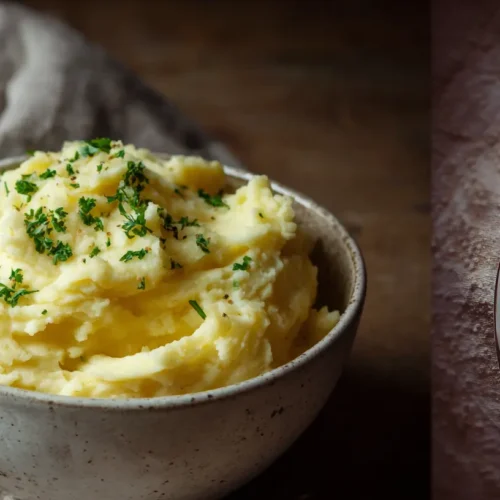
Best way to grow Incredible Mashed Potatoes
Equipment
- Gardening gloves
- Spade or shovel
- Garden hoe
Ingredients
Seed Potatoes
- 2 lbs Certified seed potatoes
- 1 cubic foot Compost or well-rotted manure
Soil Amendments
- 1/2 cup Bone meal
- 1/4 cup Wood ash optional, for potassium
Water & Mulch
- Water as needed
- generous layer Straw or leaves for mulching
Instructions
Preparation
- Cut seed potatoes into 2-inch pieces, ensuring each has at least one "eye," then let them cure at room temperature for 1-2 days to form a protective layer.
Planting
- Choose a sunny spot, loosen the soil to 12 inches, and mix in compost, bone meal, and wood ash if using. Plant potato pieces 4-6 inches deep and 12-15 inches apart in rows 2-3 feet apart, covering with soil.
Hilling & Watering
- Once plants are 6-8 inches tall, mound soil around the stems, leaving a few inches of foliage exposed. Repeat this "hilling" as plants grow, and water regularly, especially during flowering.
Harvesting
- Harvest "new" potatoes after flowers bloom by gently digging beside a plant; for mature potatoes, wait until foliage dies back (2-3 weeks after), then carefully dig up all potatoes.