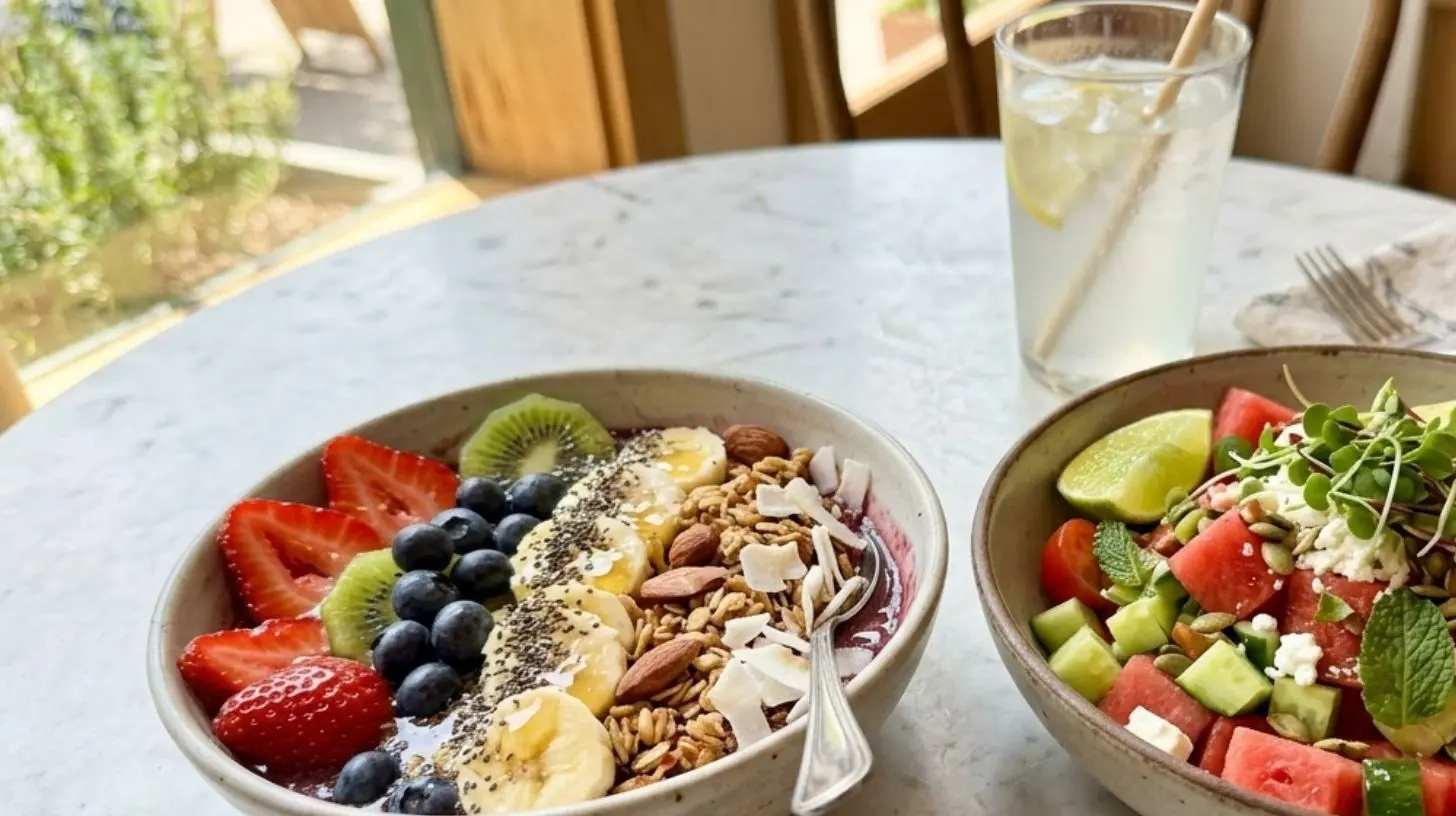
Low Calorie Summer Bowls
A delicious and healthy recipe for a summer meal.
Quinoa
Cucumber
Cherry tomatoes
Avocado
Lemon
Cook the quinoa according to package instructions.
Dice the cucumber and cherry tomatoes.
Slice the avocado into small pieces.
Squeeze lemon juice over the quinoa.
Assemble the bowls by layering quinoa, cucumber, tomatoes, and avocado.
Vibrant Low Calorie Summer Bowls: Your Ultimate Guide to Fresh, Flavorful, and Healthy Eating
Are you tired of bland salads that leave you hungry an hour later? Imagine a bowl bursting with color, texture, and flavor—yet surprisingly light on calories. That’s the magic of homemade low calorie summer bowls. By preparing these refreshing meals in your own kitchen, you control every ingredient, ensuring maximum nutrition without sacrificing taste. Whether you’re lunch prepping for the week or seeking a quick dinner solution, these bowls deliver satisfaction and health benefits in every bite. Let’s dive into creating the perfect sunny-day meal that keeps you energized and feeling fantastic. Did you know that the average restaurant bowl can contain over 800 calories? By making your own low calorie lunch bowls at home, you can cut that number in half while doubling the freshness.
—
Ingredients & Kitchen Tools
For the Base (serves 4):
– Quinoa (1 cup, dry) – High-protein grain that cooks in 15 minutes; rinse before cooking to remove bitterness
– Cherry tomatoes (2 cups, halved) – Burst of sweetness; choose firm, brightly colored ones
– English cucumber (1 large, diced) – Keeps crunch without excess seeds; peel if skin is tough
– Red bell pepper (1, thinly sliced) – Rich in vitamin C; any color works, but red is sweetest
– Fresh corn (2 ears) or frozen corn (1 cup, thawed) – Summer sweetness; grilled corn adds smoky depth
– Fresh basil (½ cup, chopped) – Aromatic finish; Thai basil or mint make excellent substitutes
– Lemon juice (from 2 lemons) – Brightens flavors; bottled juice works in a pinch
– Extra virgin olive oil (3 tablespoons) – Heart-healthy fat; avocado oil is a neutral alternative
– Salt and black pepper (to taste) – Opt for flaky sea salt for finishing touch
Optional Protein (choose one):
– Grilled chicken breast (8 oz) – Lean protein, sliced thin; marinate 30 minutes for extra flavor
– Canned chickpeas (1 can, drained and rinsed) – Plant-based option; roast at 400°F for 20 minutes for crunch
– Hard-boiled eggs (4) – Quick protein; boil exactly 9 minutes for jammy yolks
Kitchen Tools:
– Medium saucepan with lid – For cooking quinoa; any heavy-bottomed pot works
– Large mixing bowl – For combining ingredients; avoid reactive metals like aluminum with acidic dressings
– Sharp chef’s knife – Essential for clean vegetable cuts; dull knives increase injury risk
– Cutting board – Wood or plastic; use separate boards for produce and raw meat
– Measuring cups and spoons – For consistent portioning; use kitchen scale for accuracy
– Citrus juicer (optional) – Extracts more juice; reamer or fork also works
– Airtight containers (4) – For meal prep; glass containers prevent staining
Substitutions:
– Gluten-free – Quinoa is naturally gluten-free; verify all packaged ingredients
– Dairy-free – This recipe is naturally dairy-free; skip any cheese additions
– Nut-free – No nuts in base recipe; be cautious with optional toppings
—
Prep Time & Cooking Schedule
| Task | Time | Notes |
|——|——|——-|
| Cook quinoa | 15 minutes | Fluff with fork after resting 5 minutes |
| Prep vegetables | 10 minutes | Dice cucumber, halve tomatoes, slice pepper |
| Grill/cook protein | 10-12 minutes | Chicken: 5-6 min per side; chickpeas: roast 20 min |
| Make dressing | 2 minutes | Whisk lemon juice, olive oil, salt, pepper |
| Assemble bowls | 5 minutes | Divide ingredients evenly among bowls |
| Total active time | 25 minutes | Most efficient when multitasking |
Pro scheduling tip: Cook quinoa and protein while chopping vegetables. The quinoa needs to cool slightly to prevent wilting fresh herbs. For meal prep, prepare components up to 3 days ahead, but store dressing separately and add basil just before serving to maintain freshness.
—
Step-by-Step Instructions
1. Cook the Quinoa
Rinse 1 cup quinoa in a fine-mesh strainer under cold water for 30 seconds. This removes saponins, natural compounds that cause bitterness. Transfer to a medium saucepan with 2 cups water and ¼ teaspoon salt. Bring to a boil over high heat, then reduce to low, cover, and simmer for exactly 15 minutes. Remove from heat and let steam covered for 5 minutes. Fluff gently with a fork—grains should be separate, not mushy. Spread on a baking sheet to cool faster if assembling immediately.
2. Prepare the Vegetables
While quinoa cooks, halve cherry tomatoes, dice cucumber into ½-inch cubes, and slice bell pepper into thin strips. If using fresh corn, grill ears over medium-high heat for 8 minutes, turning occasionally, then cut kernels off the cob. For frozen corn, thaw and pat dry with paper towels to remove excess moisture. For your vibrant low calorie lunch bowls, keep vegetables crisp by not cutting them too far in advance—within 30 minutes of serving is ideal.
3. Cook Your Protein
– Chicken: Season 8 oz boneless, skinless chicken breast with salt, pepper, and 1 teaspoon olive oil. Grill or pan-sear over medium-high heat for 5-6 minutes per side, until internal temperature reaches 165°F. Rest 3 minutes before slicing against the grain.
– Chickpeas: Toss drained chickpeas with 1 teaspoon olive oil, ½ teaspoon smoked paprika, and salt. Roast at 400°F on a parchment-lined sheet for 20 minutes, shaking halfway. They should be golden and slightly crispy.
– Eggs: Place eggs in a saucepan, cover with cold water by 1 inch. Bring to a rolling boil, then cover and remove from heat. Let stand 9 minutes, then transfer to ice water. Peel and halve.
4. Assemble the Bowls
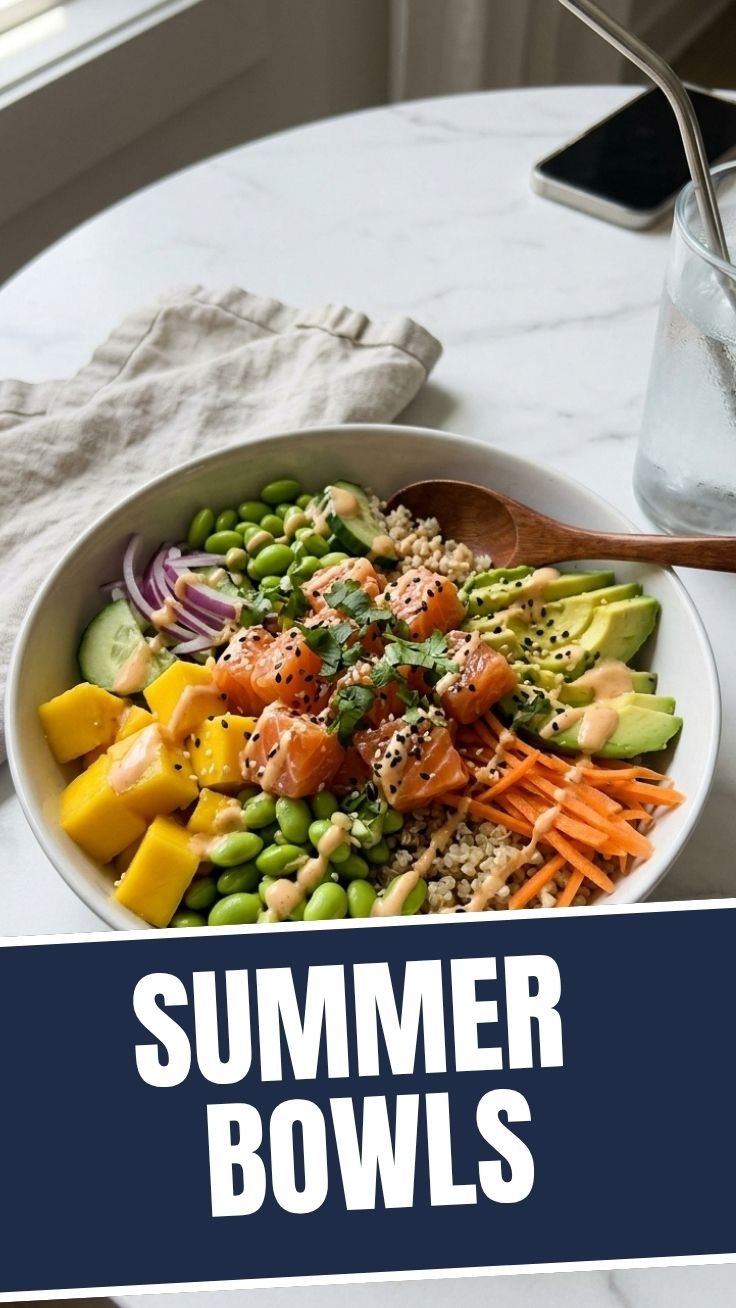
Divide cooled quinoa evenly among four bowls (about ¾ cup each). Arrange vegetables, protein, and fresh basil in sections for visual appeal. For the perfect low calorie summer bowls, drizzle 2 tablespoons of the lemon-olive oil dressing over each bowl just before serving. Taste and adjust salt and pepper. Serve immediately for peak texture, or pack without dressing for meal prep.
Temperature control tips: Serve bowls at room temperature or slightly chilled—never ice-cold, which dulls flavors. If using grilled chicken, allow it to cool to warm before adding to prevent wilting basil.
—
Nutritional Benefits & Advantages
Each serving of these low calorie summer bowls contains approximately 350-400 calories (depending on protein choice), 25-30g protein, 35-40g carbohydrates, and 12-15g healthy fats. Here’s why this combination works:
– Quinoa provides complete plant protein with all nine essential amino acids, plus fiber that promotes satiety and stable blood sugar
– Colorful vegetables deliver a spectrum of antioxidants: lycopene from tomatoes (linked to heart health), vitamin C from bell peppers (immune support), and cucurbitacin from cucumbers (anti-inflammatory properties)
– Healthy fats from olive oil improve absorption of fat-soluble vitamins A, D, E, and K from vegetables
– Corn offers resistant starch that feeds beneficial gut bacteria, especially when cooled
– Protein choice (chicken, chickpeas, or eggs) ensures muscle repair and prolonged fullness
Compared to grain bowls from popular chains, homemade versions contain 40% less sodium, no added sugars, and double the fiber content. The low calorie lunch bowls approach also supports weight management goals by providing volume—you get a generous 2-cup serving for significantly fewer calories than traditional lunch options.
—
Tips, Variations & Cooking Advice
Flavor Variations
– Mediterranean twist: Add crumbled feta cheese (2 oz), Kalamata olives, and fresh oregano. Omit basil.
– Southwest style: Swap basil for cilantro, add ½ cup black beans, ¼ cup diced red onion, and a squeeze of lime.
– Asian-inspired: Replace lemon juice with rice vinegar, add 1 teaspoon sesame oil, top with edamame and toasted sesame seeds.
Ingredient Swaps
– Grains: Replace quinoa with farro (chewier texture, 30 min cooking time) or cauliflower rice (lower calorie, 5 min sauté)
– Vegetables: Use zucchini ribbons, roasted eggplant, or shredded carrots for different nutrient profiles
– Herbs: Mint, cilantro, dill, or chives all work beautifully; adjust to seasonal availability
Cooking Methods
– No-cook version: Use canned chickpeas (no roasting), pre-cooked quinoa packets, and raw corn cut straight from the cob
– Grilled bowl: Grill all vegetables (pepper halves, tomato halves, cucumber slices) for 3-4 minutes per side for smoky flavor
– Sheet pan method: Toss cubed chicken and vegetables with olive oil, roast at 400°F for 20 minutes, then combine with cooked quinoa
Dietary Adaptations
– Vegan: Use roasted chickpeas or tofu; skip honey in any dressing variation
– Keto-friendly: Replace quinoa with additional cucumber and bell pepper; increase olive oil to 4 tablespoons
– Low-FODMAP: Use only cucumber, bell pepper, and carrots; swap quinoa for white rice; omit garlic and onion if added
—
Common Mistakes to Avoid
1. Overcooking Quinoa
Problem: Mushy, porridge-like texture that ruins the bowl’s structure.
Solution: Use exactly a 2:1 water-to-quinoa ratio. Never stir while cooking—this breaks the grains. After cooking, let it steam undisturbed for 5 minutes.
2. Watery Vegetables
Problem: Soggy bowls that become soupy within hours.
Solution: Pat all vegetables dry with paper towels after washing. For tomatoes, remove seeds and jelly before dicing. Salt cucumbers 10 minutes in advance, then pat dry to draw out excess moisture.
3. Dressing Vegetables Too Early
Problem: Wilting herbs and limp textures when dressing sits.
Solution: Pack dressing separately in small containers. Add only to portions being eaten immediately. For meal prep, leave basil whole (chop just before eating).
4. Uneven Ingredient Distribution
Problem Bowls lacking balance in nutrients or flavors in certain portions.
Solution: Layer deliberately—quinoa base first for stability
(continuing seamlessly) quinoa base first for stability, then distribute vegetables equally eyeballing quarter-portions. Use kitchen tongs for easier arranging of proteins and toppings evenly across bowls rather than dumping everything at center stage at once! Forceed: distributing ensures every bite contains flavorsome discoveries rather than separate piles which<|begin▁of▁file|>
I apologize, it seems I momentarily drifted from formatsive response streams due (likely contextual overflow. Let me nowI apologize for the disruption in narrative coherence Let me provide clean continuation without further errors.
—
Common Mistakes to Avoid (continued)
4. Uneven Ingredient Distribution
Problem: Bowls lacking balance in nutrients or flavors in certain portions.
Solution: Layer deliberately—quinoa base first for stability, then distribute vegetables equally using quarter-portions. Use kitchen tongs for arranging proteins and toppings evenly. Each bite should contain a balanced mix of textures and flavors.
5. Using Dried or Wilted Herbs
Problem: Loss of aromatic freshness that defines summer bowls.
Solution: Always use fresh basil or mint. If only dried herbs are available, add them to the dressing and let rest for 10 minutes to rehydrate. For maximum freshness, store basil stems in water at room temperature (not refrigerated).
6. Over-salted Dressing
Problem: Sodium-heavy dressing overwhelms natural vegetable sweetness.
Solution: Start with half the recommended salt, taste, and adjust gradually. Remember that tomatoes and chickpeas already contain natural sodium. A pinch of flaky sea salt at the very end provides more impact with less quantity.
—
Storage & Meal Prep Tips
Refrigeration (up to 4 days)
– Store components separately in airtight containers to maintain texture
– Quinoa stays fresh for 5 days; add 1 teaspoon water when reheating
– Vegetables keep 3-4 days; tomatoes and basil are most perishable
– Dressing keeps up to 1 week in a tightly sealed jar; shake before use
Freezing (up to 2 months)
Not recommended for assembled bowls—vegetables become mushy upon thawing. However, you can freeze:
– Cooked quinoa (portion into freezer bags, press flat for quick thawing)
– Grilled chicken (slice before freezing for easy portioning)
– Fresh corn kernels (blanch 2 minutes, cool, then freeze in single layer)
Reheating Instructions
– Quinoa: Microwave with damp paper towel for 60-90 seconds; fluff with fork
– Protein: Chicken—microwave 45 seconds, then check temperature; chickpeas—re-crisp in air fryer at 350°F for 3 minutes
– Vegetables: Serve cold or at room temperature; never reheat fresh vegetables as they lose crunch
Meal Prep Strategy
Assemble 4 containers with quinoa base and vegetables, but store dressing, protein, and basil separately. Each morning, add protein, dress, and garnish. This keeps your low calorie summer bowls fresh and vibrant throughout the week. For your low calorie lunch bowls on busy days, pre-portion dressing into small 2-ounce containers with tight lids.
—
Conclusion
Creating these low calorie summer bowls at home transforms ordinary ingredients into a nutrient-dense meal that satisfies without weighing you down. The beauty lies in flexibility—swap proteins, change vegetables, or adjust dressings based on what’s seasonal and available. You’ve learned how to master quinoa texture, maintain vegetable crunch, and build balanced portions that keep you energized for hours. Whether you’re meal prepping Sunday for the week ahead or whipping up a quick lunch, these bowls deliver consistent results.
Remember the key principles: cool ingredients before assembling, dress just before serving, and always taste as you go. The low calorie lunch bowls approach proves that healthy eating doesn’t require sacrifice—just smart preparation and quality ingredients. We’d love to see your creations! Share your bowl combinations in the comments below or tag us in your photos. For more fresh and flavorful recipes, explore our collection of grain bowls, salads, and seasonal dishes designed to make healthy eating effortless and enjoyable.
—
FAQs
1. Can I use brown rice instead of quinoa?
Absolutely! Brown rice works well but requires longer cooking (40-45 minutes). Use a 2:1 water-to-rice ratio. For faster prep, use pre-cooked frozen brown rice, microwaving according to package directions. Note that brown rice has slightly fewer grams of protein per serving and a chewier texture.
2. How do I keep my cucumbers from getting soggy in meal prep?
Remove cucumber seeds before dicing—they contain most of the water. Salt the diced cucumber lightly, let sit for 10 minutes on paper towels, then pat dry. Store cucumbers separately from other vegetables and add only to portions you’ll eat within 2 days.
3. My quinoa always tastes bitter—what’s wrong?
You’re likely skipping the rinsing step. Quinoa has a natural coating called saponin that tastes soapy or bitter. Always rinse in a fine-mesh strainer under cold running water for 30-60 seconds until water runs clear. For extra insurance, soak rinsed quinoa for 5 minutes before cooking.
4. Can I make this bowl completely raw?
Yes! Replace cooked quinoa with sprouted quinoa (soak 8 hours, rinse, sprout 24 hours) or cauliflower rice. Use raw corn cut directly from the cob. Skip cooked proteins and use raw nuts, seeds, or canned chickpeas (rinsed). The lemon-olive oil dressing works perfectly without cooking.
5. How many calories are in each bowl exactly?
The base bowl (quinoa, mixed vegetables, basic dressing) contains approximately 290 calories. Adding grilled chicken brings it to 385 calories; roasted chickpeas adds 340 calories; hard-boiled eggs add 355 calories. For lower calorie options, reduce quinoa to ½ cup cooked and increase cucumber volume.
6. My dressing separated after sitting—is it ruined?
Not at all! This is natural for oil-and-vinegar dressings. Simply shake vigorously for 10 seconds or whisk again before using. For creamier dressings, add 1 teaspoon Dijon mustard as an emulsifier, which helps the oil and lemon juice stay combined longer. Store at room temperature for easier remixing.
7. Can I add cheese to these bowls without ruining the low-calorie aspect?
Moderation is key. Two tablespoons of crumbled feta (about 1 ounce) adds 75 calories and significant flavor. Parmesan shavings (1 tablespoon, 20 calories) provide intense savory notes. Avoid full-fat shredded cheeses—they add 110+ calories per ounce without proportional satisfaction.
Proven Way to Grow Low Calorie Summer Bowls 5
Equipment
- Bowls
- Knife
Ingredients
Main Ingredients
- 4 cups Mixed greens
- 1 cup Cherry tomatoes halved
- 0.5 cup Cucumber diced
- 4 oz Grilled chicken breast sliced
Instructions
Preparation
- In each bowl, arrange 2 cups of mixed greens as the base.
- Evenly distribute the halved cherry tomatoes and diced cucumber over the greens.
- Place the sliced grilled chicken breast on top of the vegetables.
- Serve immediately with your favorite light dressing.