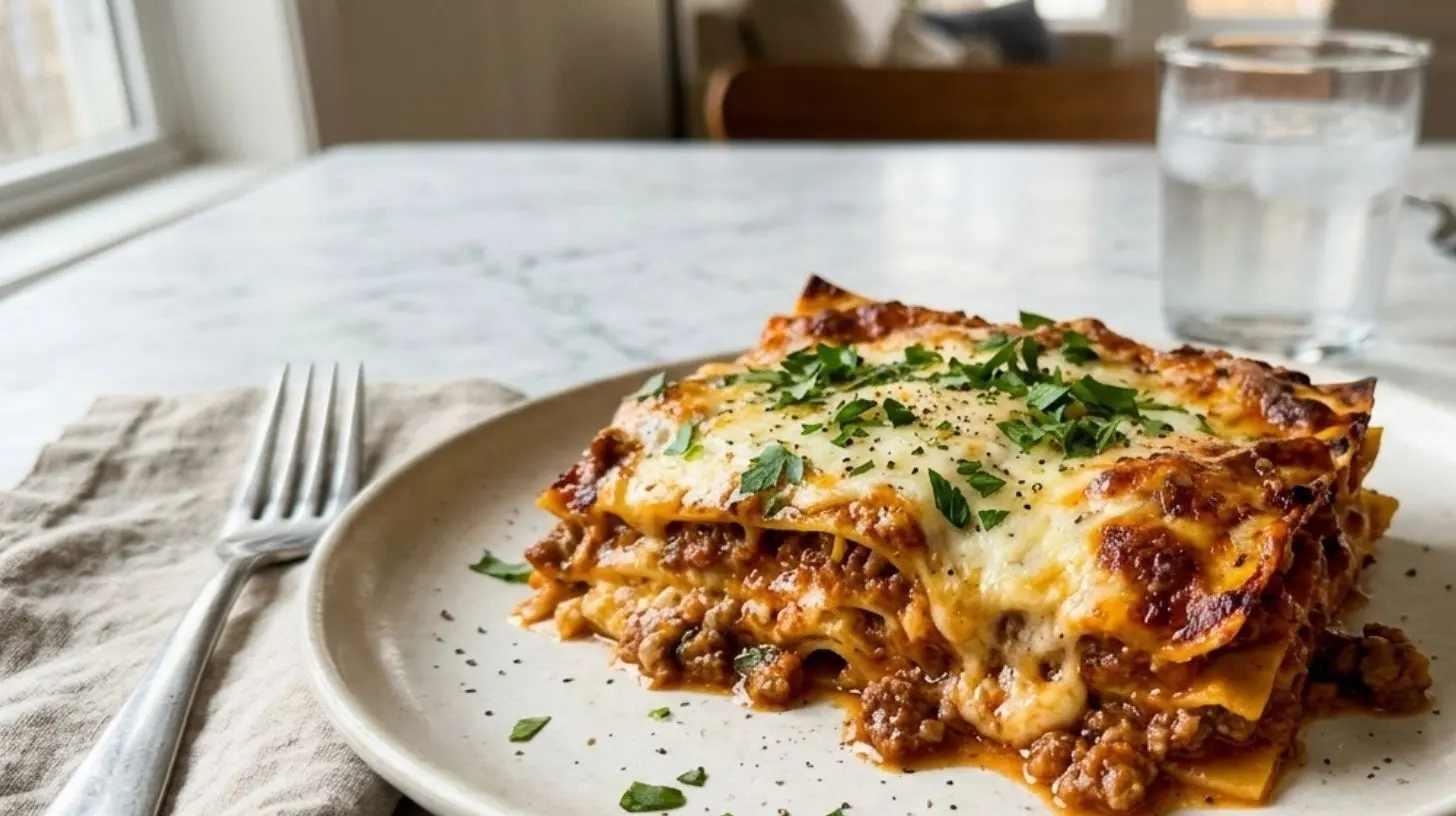
Perfect Lasagna
Learn how to make the best lasagna ever in just 7 steps!
Lasagna noodles
Ground beef
Tomato sauce
Ricotta cheese
Mozzarella cheese
Parmesan cheese
Spinach
Boil the lasagna noodles in salted water until al dente.
Brown the ground beef in a skillet.
Layer tomato sauce on the bottom of a baking dish.
Spread a layer of ricotta cheese on top of the sauce.
Place a layer of cooked lasagna noodles on top of the cheese.
Add a layer of spinach on top of the noodles.
Top with a mixture of mozzarella and Parmesan cheese.
The Ultimate Guide to Crafting a Timeless Lasagna: A Step-by-Step Journey Through Italian Cuisine
Have you ever wondered what makes a lasagna truly unforgettable—a dish that transforms a simple family dinner into a cherished memory? There’s something magical about pulling a bubbling, golden-brown tray of this classic comfort food from the oven, with layers of tender pasta, rich meat sauce, and creamy béchamel beckoning you to take that first, perfect bite. Preparing Lasagna at home isn’t just about following a recipe; it’s about mastering a time-honored tradition that connects you to the heart of home cooking. It allows you to control every ingredient, customize the flavors to your family’s liking, and create a meal that’s both economical and deeply satisfying. Whether you’re a seasoned home cook or a curious beginner, this guide will walk you through every step, ensuring your homemade version rivals any restaurant dish. In this post, we’ll dive deep into the secrets of authentic Italian cuisine, sharing data-driven techniques to elevate your cooking game.
Ingredients & Kitchen Tools
To build the perfect lasagna, you’ll need a carefully curated list of ingredients and tools. Each component plays a vital role in delivering that signature harmony of flavors and textures.
For the Meat Sauce (Ragù):
– 2 tablespoons olive oil – For sautéing, adds a fruity base.
– 1 large onion, finely diced – Provides sweetness and depth.
– 4 cloves garlic, minced – Aromatic foundation of Italian cooking.
– 1 pound ground beef (85/15 lean-to-fat ratio) – Rich, meaty flavor; for a lighter option, use ground turkey or chicken.
– 1 pound ground pork (or bulk Italian sausage) – Adds juiciness and subtle spices.
– 1 can (28 oz) crushed San Marzano tomatoes – The gold standard for sweetness and low acidity.
– 1 can (6 oz) tomato paste – Concentrates umami flavor.
– 1/2 cup red wine (optional) – Enhances complexity; substitute with beef broth.
– 2 teaspoons dried oregano – Earthy, slightly floral.
– 1 teaspoon dried basil – Sweet, peppery notes.
– Salt and black pepper to taste – Balance all flavors.
– 1/2 teaspoon red pepper flakes (optional) – For gentle heat.
For the Cheese Layers:
– 15 ounces whole-milk ricotta cheese – Creamy, rich texture.
– 1 large egg – Binds the ricotta and prevents sogginess.
– 1/2 cup fresh parsley, chopped – Bright, fresh contrast.
– 1/2 teaspoon nutmeg, freshly grated – Essential for depth.
– 3 cups shredded mozzarella cheese (low-moisture) – Perfect stretch and melt.
– 1 cup grated Parmesan cheese – Salty, nutty finish.
For the Pasta:
– 12–15 oven-ready lasagna noodles (no-boil) – Saves time; traditional boiled noodles are also fine.
Kitchen Tools:
– Large Dutch oven or heavy-bottomed pot (for sauce)
– 9×13-inch baking dish
– Mixing bowls
– Skillet or sauté pan
– Wooden spoon
– Box grater (for fresh Parmesan)
– Aluminum foil
– Measuring cups and spoons
Prep Time & Cooking Schedule
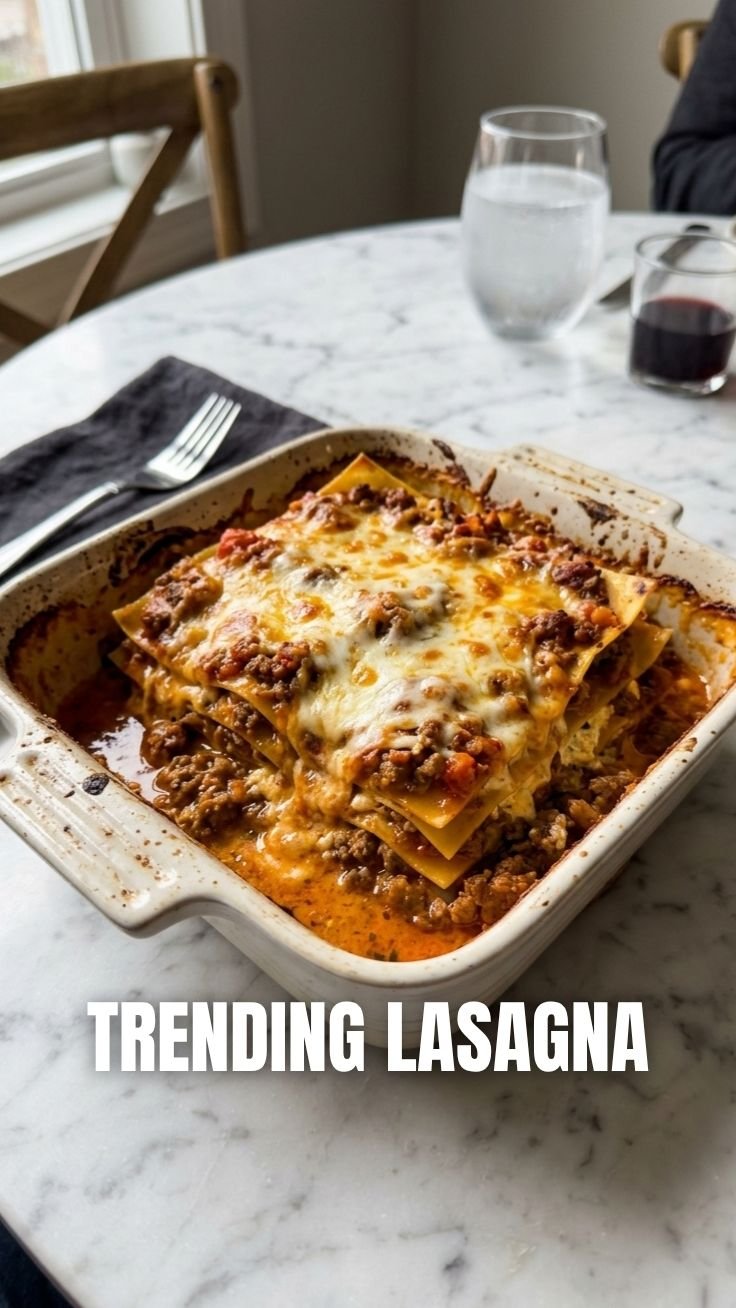
Planning your time is key to a stress-free lasagna experience. This recipe rewards patience and organization.
– Prep Time: 30–40 minutes (chopping vegetables, making the sauce, mixing ricotta)
– Cook Time: 45–55 minutes in the oven at 375°F (190°C)
– Resting Time: 15–20 minutes after baking (critical for clean slices)
– Total Time: Approximately 1 hour 30 minutes
Context to Help You Plan: Start by making the meat sauce—it can simmer for up to 2 hours for deeper flavor, but a 45-minute simmer works beautifully for weeknights. While the sauce cooks, prepare the ricotta mixture and boil noodles (if using traditional). Assemble the lasagna in stages, then bake. The resting period is non-negotiable: it allows the layers to set, preventing a soupy mess when you cut into it. For meal prep, assemble up to 24 hours ahead, refrigerate, and bake when ready.
Step-by-Step Instructions
Follow these detailed steps to create a lasagna that’s perfectly layered, richly flavored, and structurally sound. This is where patience meets technique.
1. Prepare the Meat Sauce (Ragù):
Heat olive oil in a large Dutch oven over medium heat. Add the finely diced onion and cook until soft and translucent (about 5–7 minutes). Stir in minced garlic and cook for 30 seconds until fragrant. Add the ground beef and pork, breaking it apart with a wooden spoon. Cook until browned, about 8–10 minutes. Drain excess fat if needed. Pour in the crushed tomatoes, tomato paste, and red wine (if using). Season with oregano, basil, salt, pepper, and red pepper flakes. Bring to a simmer, then reduce heat to low. Let it cook uncovered for at least 45 minutes, stirring occasionally. The sauce should thicken and concentrate. Pro tip: Taste and adjust seasoning—a pinch of sugar can balance acidity if needed. Remember, the quality of the tomatoes directly impacts the final flavor of this Italian cuisine classic.
2. Mix the Ricotta Filling:
In a medium bowl, combine the ricotta cheese, egg, fresh parsley, half the Parmesan, nutmeg, and a pinch of salt and pepper. Stir until smooth. Set aside.
3. Preheat the Oven:
Set your oven to 375°F (190°C). Position a rack in the center.
4. Assemble the Lasagna:
Spread a thin layer of meat sauce (about 1 cup) on the bottom of the 9×13-inch dish. This prevents the noodles from sticking. Place a layer of lasagna noodles (no-boil noodles should overlap slightly to ensure they cook properly). Spread one-third of the remaining meat sauce over the noodles. Dollop one-third of the ricotta mixture evenly over the sauce and gently spread. Sprinkle with 1 cup mozzarella cheese. Repeat layers: noodles, meat sauce, ricotta, mozzarella. Finish with a final layer of noodles, remaining meat sauce, and top with the rest of the mozzarella and Parmesan.
5. Bake to Perfection:
Cover the dish tightly with aluminum foil (spray with nonstick spray to prevent cheese sticking). Bake for 25 minutes. Remove foil and bake another 20–25 minutes until the top is golden and bubbly. The edges should show gentle bubbling. Texture cue: The cheese should be slightly browned, and the sauce should be visibly thick. If the top browns too quickly, tent with foil.
6. Rest and Serve:
Let the lasagna rest for 15–20 minutes before slicing. This allows the layers to set and ensures clean, beautiful slices. Garnish with fresh basil or parsley.
Nutritional Benefits & Advantages
This lasagna isn’t just comfort—it’s a balanced meal packed with nutritional value. A standard serving (1/8 of the dish) provides approximately 450–550 calories, 28g protein, and 30g carbohydrates, making it a satisfying main course.
– Protein Power: The combination of ground beef and pork, along with ricotta and Parmesan, delivers high-quality protein essential for muscle repair and satiety.
– Calcium Boost: Mozzarella and ricotta are excellent sources of calcium and vitamin D, supporting bone health.
– Lycopene Richness: Cooked tomatoes, especially San Marzano varieties, release lycopene—a powerful antioxidant linked to heart health and reduced inflammation.
– Healthy Fats: Olive oil and cheese provide beneficial fats that aid in nutrient absorption and provide flavor.
– Dietary Advantage: When served with a side salad, it becomes a well-rounded meal. For a lower-carb version, swap noodles for thinly sliced zucchini or eggplant.
Tips Variations & Cooking Advice
Customizing your lasagna is half the fun. Here are proven ways to adapt the recipe to your taste without sacrificing quality.
– Flavor Variations:
– Vegetarian Lasagna: Replace meat with sautéed mushrooms, spinach, and zucchini. Use a robust marinara with extra herbs.
– Spicy Version: Add 1 teaspoon of red pepper flakes and use hot Italian sausage instead of ground pork.
– White Lasagna: Substitute béchamel (butter, flour, milk, nutmeg) for the tomato-based sauce and add chicken or roasted vegetables.
– Ingredient Swaps:
– Gluten-Free: Use gluten-free no-boil noodles or thinly sliced eggplant.
– Dairy-Free: Replace ricotta with blended tofu (seasoned with nutritional yeast), and use vegan mozzarella and Parmesan.
– Low-Fat: Use lean ground turkey, reduced-fat ricotta, and low-moisture part-skim mozzarella.
– Alternative Cooking Methods:
– Slow Cooker: Assemble in a slow cooker, cook on low for 4–5 hours. Note: The texture will be softer.
– Instant Pot: Use the sauté function for the sauce, then layer in a trivet, cook on high pressure for 10 minutes, then broil the top.
– Portion Changes: For a smaller family, divide the recipe into two 8×8 dishes—freeze one for later.
Common Mistakes to Avoid
Even experienced cooks can stumble. Avoid these pitfalls for consistent, restaurant-quality results.
1. Overcooking the Noodles (if using pre-boiled): Boil them al dente—they continue cooking in the oven. Mushy lasagna is a common tragedy.
2. Skimping on Sauce: A dry lasagna is flavorless. Ensure each layer is generously coated with sauce. Use the spoon test: the spoon should sink slightly when pressed.
3. Not Resting the Lasagna: Cutting into it immediately leads to a collapse. Patience yields perfect layers.
4. Using Pre-Shredded Cheese: It contains anti-caking agents that prevent smooth melting. Grate your own mozzarella for a silky texture.
5. Overstuffing the Dish: Layers should be even and not overfilled to the brim. Leave at least 1/2-inch space at the top to prevent overflow.
Actionable Solution: If your lasagna turns out watery, it’s likely from excess liquid in ricotta (drain it before mixing) or undercooked sauce. Always simmer sauce until thickened.
Storage & Meal Prep Tips
Lasagna is a meal prep champion. Follow these guidelines for safe storage and optimal texture.
– Refrigeration: Store leftovers in an airtight container for up to 5 days. Place parchment paper between slices to prevent sticking.
– Freezing: Assemble the lasagna completely, but do not bake. Wrap tightly with plastic wrap, then aluminum foil. Freeze for up to 3 months. To bake from frozen, remove foil and plastic, cover with foil, and bake at 375°F for 1 hour, then uncover for 15 minutes.
– Reheating: For best results, reheat individual slices in a 350°F oven for 10–15 minutes. Avoid the microwave—it makes the texture gummy. If microwaving, cover with a damp paper towel to retain moisture.
– Meal Prep Tip: Portion the lasagna into individual baking dishes for grab-and-go lunches. They’ll be perfectly portioned and easy to reheat.
Conclusion
Creating a homemade lasagna is a labor of love that rewards you with layers of flavor, texture, and aroma. By following this detailed guide—from building a rich meat sauce to mastering the assembly and avoiding common pitfalls—you’ll confidently serve a dish that embodies the soul of Italian cuisine. The magic of this Lasagna lies not just in the ingredients, but in the care you bring to each step. The slight caramelization on the cheese, the tender bite of perfectly cooked pasta, and the rich, savory sauce are testaments to your effort. Now, it’s your turn to roll up your sleeves and create something extraordinary. Try this recipe tonight, and don’t forget to share your results—tag your photos or drop a comment about your favorite twist. Buon appetito!
FAQs
1. Can I use cottage cheese instead of ricotta?
Yes, cottage cheese works as a substitute. For a smoother texture, blend it in a food processor before mixing with the egg and seasonings. Drain any excess liquid to avoid sogginess.
2. How do I prevent my lasagna from turning out watery?
Ensure your meat sauce is well-reduced (thick, not runny). Drain ricotta by placing it in a cheesecloth-lined colander for 30 minutes. Also, avoid overloading with vegetables that release water, such as zucchini or mushrooms.
3. Can I substitute ground beef with other proteins?
Absolutely. Ground pork, Italian sausage, turkey, or even plant-based crumbles work well. For a richer flavor, combine two meats, like beef and pork, or beef and lamb.
4. Why did my no-boil noodles turn out hard?
No-boil noodles need enough moisture to soften during baking. Ensure each layer is well-coated with sauce, and don’t skimp on the cheese mixture—the moisture from these components is critical.
5. How long should I let the lasagna rest before serving?
Let it rest for 15–20 minutes at room temperature. This crucial step allows the layers to set, preventing it from collapsing into a messy puddle when cut.
Perfect Lasagna
Equipment
- Large Skillet
- 9x13 Baking Dish
- Medium Bowl
- Spatula
- Measuring Cups and Spoons
Ingredients
Meat Sauce
- 1 lb ground beef or Italian sausage
- 1 medium onion chopped
- 2 minced garlic cloves
- 28 oz can crushed tomatoes
- 6 oz can tomato paste
- 1 tsp dried oregano
- 1 tsp dried basil
- salt to taste
- black pepper to taste
Cheese Layers
- 15 oz container ricotta cheese
- 0.5 cup Parmesan cheese grated
- 1 egg large
- 1 lb mozzarella cheese shredded
Other
- 12 lasagna noodles oven-ready or cooked
- 1 tbsp olive oil
Instructions
Prepare the Sauce
- In a large skillet, brown your chosen meat; drain excess fat, then add onion and garlic and cook until softened. Stir in crushed tomatoes, tomato paste, oregano, basil, salt, and pepper, then simmer the sauce for at least 30 minutes to allow flavors to meld.
Prepare Cheese Mixture and Noodles
- In a medium bowl, combine ricotta cheese, Parmesan cheese, and egg; mix thoroughly and set aside. If using traditional lasagna noodles, boil them according to package directions until al dente, then drain and rinse with cold water to prevent sticking.
Assemble the First Layer
- Spread a thin layer of meat sauce over the bottom of a 9x13 inch baking dish. Arrange a single layer of lasagna noodles over the sauce, trimming if necessary to fit the dish.
Add Cheese and Repeat
- Spread half of the ricotta cheese mixture over the noodles, then sprinkle with a generous portion of shredded mozzarella. Top this with another layer of meat sauce, ensuring an even spread, and then add another layer of noodles.
Continue Layering
- Repeat the cheese and sauce layers, alternating with noodles, until all ingredients are used, ending with a final layer of meat sauce. Sprinkle the remaining mozzarella cheese evenly over the top layer of sauce.
Bake the Lasagna
- Cover the baking dish tightly with aluminum foil and bake in a preheated 375°F (190°C) oven for 25 minutes. Then, remove the foil and continue baking for an additional 20-25 minutes, or until the top is golden brown and bubbly.
Rest and Serve
- Once baked, remove the lasagna from the oven and let it rest for 10-15 minutes before slicing and serving. This resting period allows the layers to set, making it easier to cut and ensuring it holds its shape beautifully.