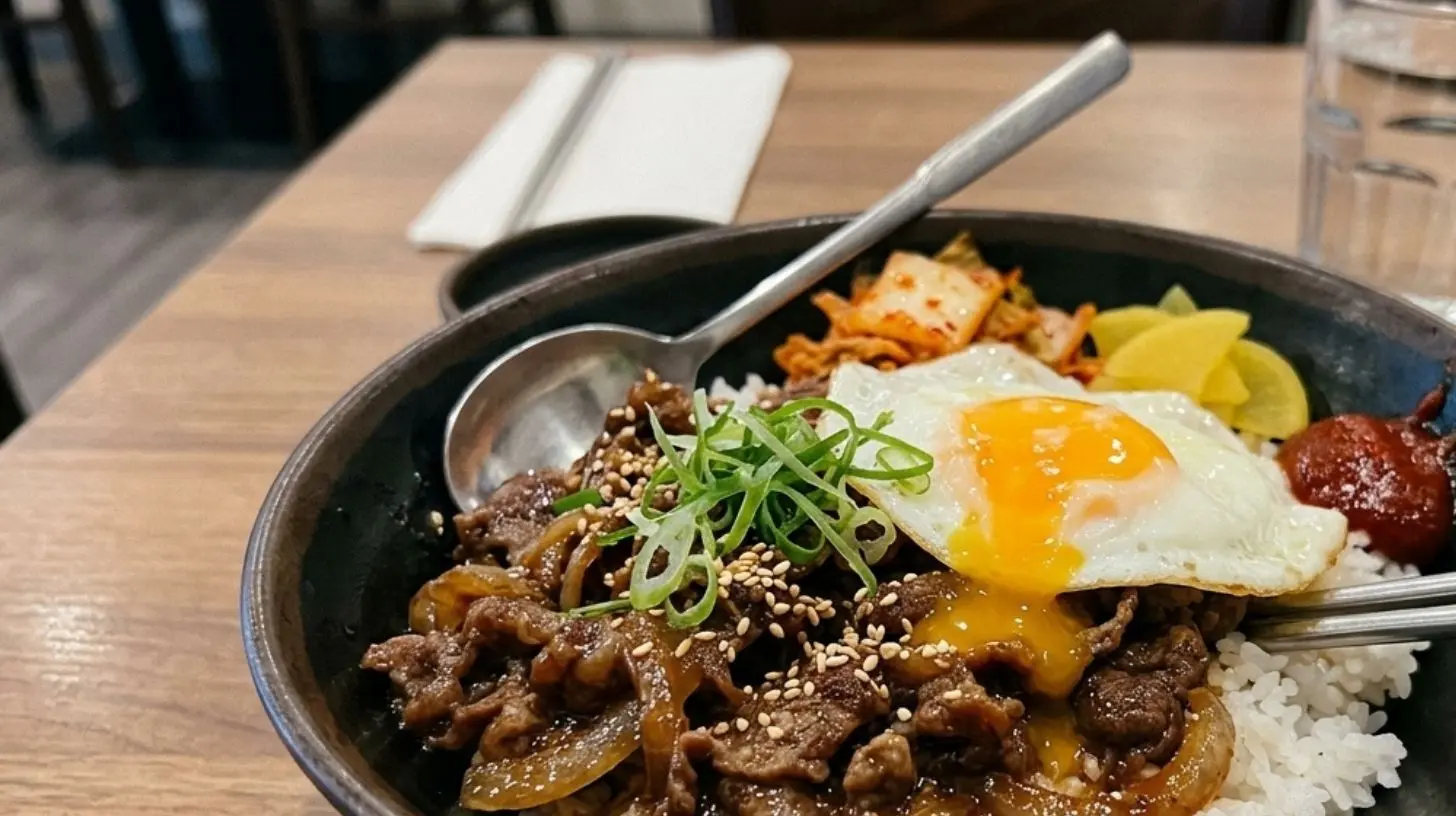
Quick way to grow Korean Beef Bowl
A simple and quick recipe for a delicious Korean beef bowl.
Ground beef
Soy sauce
Brown sugar
Garlic
Ginger
Sesame oil
Green onions
Cooked rice
Cook the ground beef in a skillet until browned.
In a bowl, mix soy sauce, brown sugar, minced garlic, grated ginger, and sesame oil.
Add the sauce to the cooked beef and cook for a few more minutes.
Slice green onions and sprinkle on top of the beef.
Serve the beef over cooked rice and enjoy!
Why This Korean Beef Bowl Will Become Your Weeknight Hero
Have you ever craved that savory-sweet, umami-packed flavor of your favorite Asian takeout but wished you could whip it up in under 20 minutes? That’s exactly what this Korean Beef Bowl delivers—a restaurant-quality meal that’s faster than delivery, cheaper than dining out, and far more satisfying. Whether you’re a busy parent, a meal-prepping pro, or someone who just loves bold, comforting food, this dish checks every box. And here’s the secret: the magic lies in mastering the balance between the quick-cooking ground beef version and the slow-marinated classic called bulgogi. Both share the same soul—soy, sesame, garlic, and a touch of sweetness—but this bowl gives you the speed without skimping on depth. Let’s dive into building the ultimate Korean Beef Bowl from scratch, with insider tips to make every bite sing.
—
Ingredients & Kitchen Tools
Main Ingredients
– Ground beef (80/20) – The fat keeps it juicy; leaner cuts may dry out.
– Soy sauce – Use low-sodium to control saltiness.
– Brown sugar – Adds caramelized sweetness; substitute honey or coconut sugar.
– Sesame oil – Toasted variety gives that nutty aroma.
– Garlic (fresh minced) – Essential; skip pre-minced jars.
– Ginger (fresh grated) – Brightens the sauce; powdered works in a pinch.
– Gochugaru (Korean red pepper flakes) – Optional for heat; gochujang paste also works.
– Green onions – For garnish and fresh crunch.
– Steamed rice – Short-grain or jasmine preferred.
– Vegetables – Spinach, carrots, or zucchini for color and nutrients.
– Egg (optional) – Fried or soft-boiled for extra richness.
Kitchen Tools
– Large non-stick skillet or wok
– Wooden spoon or spatula
– Small bowl for mixing sauce
– Knife and cutting board
– Rice cooker or pot
– Measuring spoons
Optional Substitutions
– Ground turkey or chicken for lower fat (add 1 tbsp oil)
– Tamari or coconut aminos for gluten-free or soy-free
– Vegetable broth to deglaze instead of water
—
Prep Time & Cooking Schedule
| Stage | Time | Notes |
|——-|——|——-|
| Prep (mince garlic, grate ginger, slice veggies) | 5 minutes | Do this while rice cooks |
| Cook rice | 15–20 minutes | Start first; it holds well |
| Cook beef and sauce | 10 minutes | One-pan magic |
| Resting time | 2 minutes | Let flavors meld off heat |
| Assembly | 2 minutes | Bowl-building is quick |
Pro tip: If you’re making classic bulgogi, marinate sliced beef for at least 30 minutes (or overnight). But for this quick bowl, ground beef needs no marinating—just a rapid sauce toss.
—
Step-by-Step Instructions
1. Cook the rice – Rinse 1 cup rice until water runs clear. Add 1⅓ cups water, bring to boil, then simmer 15 minutes. Keep covered.
2. Mix the sauce – In a small bowl, combine ¼ cup soy sauce, 3 tbsp brown sugar, 1 tbsp sesame oil, 4 minced garlic cloves, 1 tsp grated ginger, and optional 1 tsp gochugaru. Stir until sugar dissolves.
3. Brown the beef – Heat skillet over medium-high. Add 1 lb ground beef. Break into crumbles and cook until no longer pink (about 5 minutes). Drain excess fat if desired.
4. Add sauce – Pour sauce over beef. Stir and cook 2–3 minutes until thickened and glossy. Scrape up browned bits for extra flavor.
5. Check texture – The beef should cling together lightly, not be soupy. If too thin, simmer another minute.
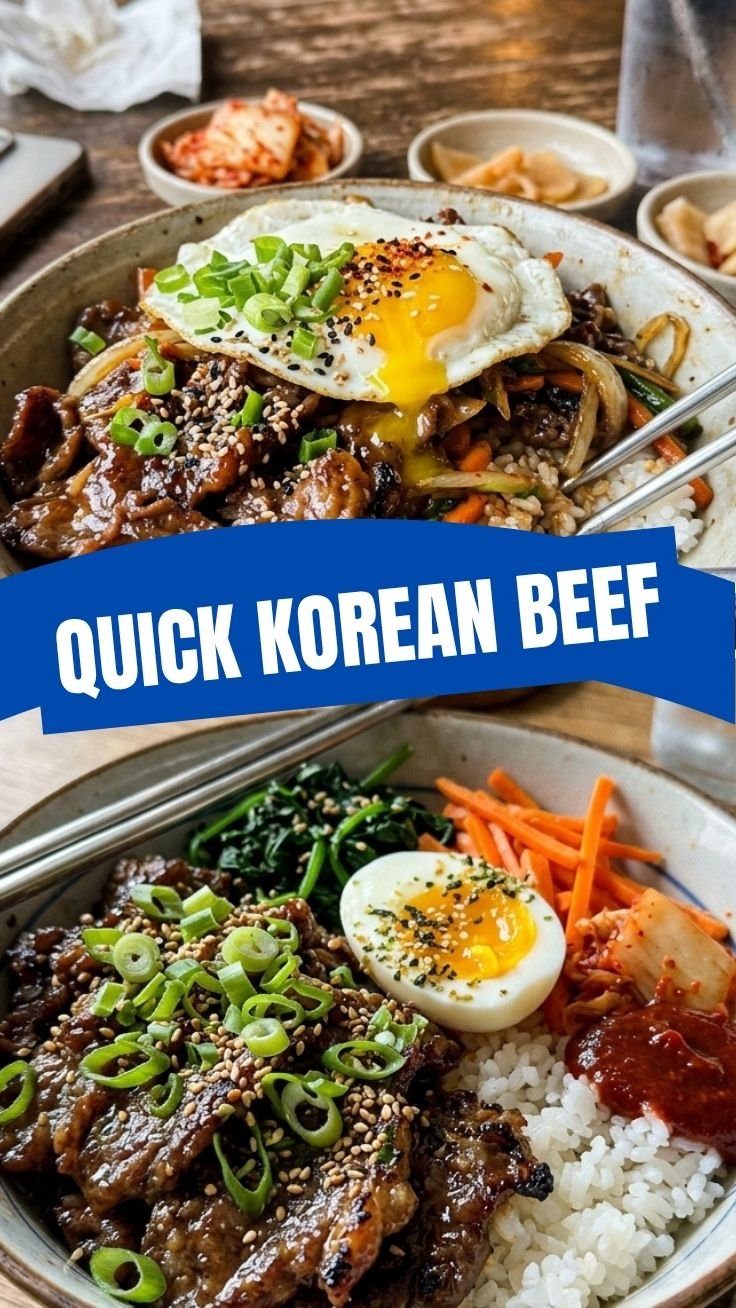
6. Assemble bowls – Place rice in bowls. Top with beef, sautéed spinach, shredded carrots, sliced cucumber, and a fried egg. Garnish with green onions and sesame seeds.
Here’s where the Korean Beef Bowl shines: the ground beef version gives you that same savory-sweet bite as bulgogi, but with a faster, more forgiving cooking process. Adjust the sugar or soy to balance your palate.
—
Nutritional Benefits & Advantages
This bowl is a balanced powerhouse:
– Lean protein – Ground beef provides iron, zinc, and B12. Opt for 93/7 to lower saturated fat.
– Complex carbs – Short-grain rice offers energy; swap for brown or cauliflower rice.
– Vegetables – Spinach adds vitamin K and folate; carrots deliver beta-carotene.
– Sesame oil – Contains healthy fats and antioxidants.
– Garlic & ginger – Anti-inflammatory and immune-boosting.
Per serving (with 80/20 beef): ~550 calories, 28g protein, 45g carbs, 25g fat. Eat it as part of a balanced diet or portion control for weight goals.
—
Tips, Variations & Cooking Advice
– Spice it up – Add gochujang (Korean chili paste) directly to the sauce for a deeper, fermenty heat.
– Go low-carb – Swap rice for cauliflower rice or a bed of shredded lettuce.
– Vegan version – Use crumbled firm tofu or tempeh, and replace honey with maple syrup.
– Veggie boost – Toss in mushrooms, bell peppers, or kimchi at the end.
– Meal prep – Cook beef and rice separately, store in fridge, and reheat with a splash of water to loosen.
—
Common Mistakes to Avoid
– Overcrowding the pan – Ground beef needs room to brown. Work in batches if cooking double.
– Skipping the fat drain – Too much grease makes the sauce greasy. Drain except 1 tbsp.
– Overcooking the sauce – Sugar burns quickly if heat is too high. Keep at medium.
– Not balancing salt – Soy sauce + gochujang can be salty. Taste and adjust.
– Cooling rice improperly – Spread hot rice on a tray to cool quickly for meal prep; avoid clumping.
—
Storage & Meal Prep Tips
– Refrigerate – Store beef and rice in separate airtight containers for up to 4 days.
– Freeze – Beef lasts 3 months; thaw overnight in fridge.
– Reheat – Microwave beef with a damp paper towel (30–60 seconds). Reheat rice in a pan with a sprinkle of water.
– Best texture – Add a drizzle of sesame oil and a pinch of sesame seeds after reheating to restore freshness.
—
Conclusion
There’s a reason this Korean Beef Bowl has become a global favorite—it’s fast, flavorful, and endlessly adaptable. Whether you stick with the ground beef shortcut or explore the marinated version known as bulgogi, you’re building a meal that satisfies cravings and nourishes your body. Try it this week, tag your creation, and let us know which variation you loved most!
—
FAQs
1. Can I use ground pork instead of beef?
Yes, pork works beautifully. Just adjust cooking time slightly—pork may render more fat, so drain accordingly.
2. How do I make this gluten-free?
Use tamari or coconut aminos instead of soy sauce, and ensure your gochujang is gluten-free (many brands contain wheat).
3. My beef turned out dry. What went wrong?
Likely overcooked or too lean. Cook only until no pink remains, and use 80/20 fat content. Add a splash of water or broth if needed.
4. Can I skip the sesame oil?
Sesame oil is key for authentic flavor, but you can substitute toasted sesame seeds blended with neutral oil for a similar aroma.
5. What vegetables can I add that won’t make the bowl soggy?
Blanch or quick-sauté greens like spinach or bok choy. Avoid watery veggies like raw zucchini unless you squeeze out excess moisture.
Quick way to grow Korean Beef Bowl
Equipment
- medium bowl
- small bowl
- large skillet or wok
Ingredients
Main
- 1 lb beef sirloin, thinly sliced
- 1/4 cup soy sauce
- 2 tbsp brown sugar
- 1 tbsp sesame oil
- 2 cloves garlic, minced
- 1 tsp ginger, grated
- 1 tbsp rice vinegar
- 1/2 tsp red pepper flakes
- 1 tbsp vegetable oil
- 2 cups broccoli florets
- 1 cup carrots, shredded
- 3 cups cooked rice
- sesame seeds, for garnish optional
Sauce
- 2 tbsp soy sauce
- 1 tsp sesame oil
- 1 tbsp honey
- 1 tsp sriracha or to taste
Instructions
Preparation
- In a medium bowl, combine the soy sauce, brown sugar, sesame oil, minced garlic, grated ginger, rice vinegar, and red pepper flakes. Add the thinly sliced beef sirloin and toss to coat; let it marinate for at least 10 minutes.
- Prepare the sauce by whisking together soy sauce, sesame oil, honey, and sriracha in a small bowl.
Cooking
- Heat vegetable oil in a large skillet or wok over medium-high heat. Add the marinated beef and cook until browned and cooked through, about 3-5 minutes. Remove the beef from the skillet and set aside.
- Add the broccoli florets and shredded carrots to the same skillet. Stir-fry for 3-5 minutes or until tender-crisp. You can add a splash of water to help steam the vegetables if needed.
Assembly
- Divide the cooked rice among serving bowls. Top with the cooked beef and stir-fried vegetables.
- Drizzle with the prepared sauce and garnish with sesame seeds, if desired. Serve immediately.