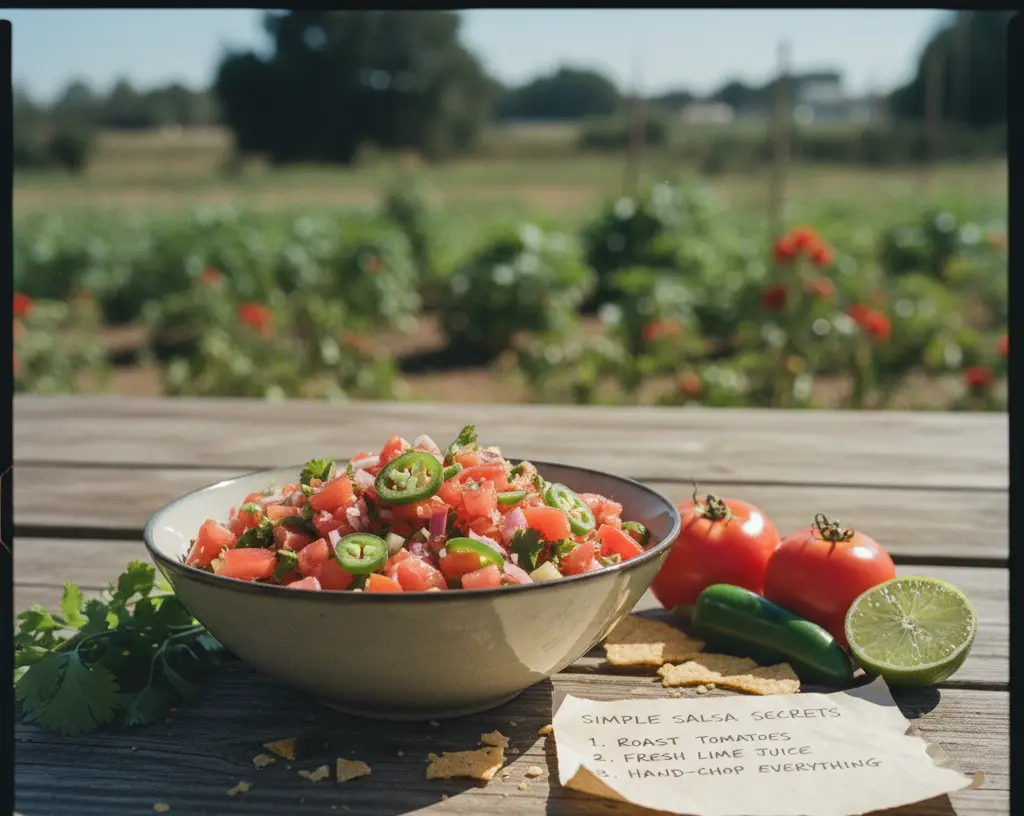
Homemade Salsa
Learn how to make the perfect Homemade Salsa with fresh ingredients.
Tomatoes
Onion
Cilantro
Lime
Salt
Garlic
Chop the tomatoes, onion, and cilantro into small pieces.
Season the mixture with salt and garlic.
Squeeze the lime juice over the ingredients.
Mix everything together in a bowl.
Serve the Homemade Salsa with chips or tacos.
Why This Homemade Salsa Will Change Your Dip Game Forever
Have you ever opened a jar of store-bought salsa only to taste vinegar, preservatives, and disappointment? There’s a reason why authentic Mexican cuisine relies on freshly prepared ingredients—the flavor difference is night and day. When you make your own Homemade Salsa, you control every element: the heat level, the texture, the freshness. It takes less than 15 minutes of active work, costs a fraction of what you pay at the grocery store, and delivers a brightness that no jarred version can replicate. The secret weapon? Using peak-season Fresh tomatoes as your base transforms this simple condiment into a vibrant, crave-worthy staple.
—
Ingredients & Kitchen Tools
Produce
– 6 medium Roma tomatoes (firmer texture, less watery than beefsteak) or 4 large vine-ripened tomatoes
– ½ medium white onion, roughly chopped
– 2–3 jalapeño peppers (remove seeds for milder heat, leave them for medium-spicy)
– ¼ cup fresh cilantro leaves and tender stems (stems hold flavor)
– 2 cloves garlic, peeled
– 1 lime, juiced
Pantry & Seasonings
– 1 teaspoon fine sea salt (adjust to taste)
– ½ teaspoon ground cumin (toasted, if possible)
– Optional: ¼ teaspoon smoked paprika for depth
Tools
– Cutting board and sharp chef’s knife
– Food processor (standard size) or molcajete (mortar and pestle) for a chunkier texture
– Small mixing bowl
– Rubber spatula
– Measuring spoons
Substitutions
– Swap jalapeño with serrano peppers for more heat
– Use red onion instead of white for a milder, slightly sweeter bite
– Replace cilantro with flat-leaf parsley if you have the soap-gene sensitivity
– Add ½ teaspoon honey or agave if your tomatoes lack sweetness
—
Prep Time & Cooking Schedule
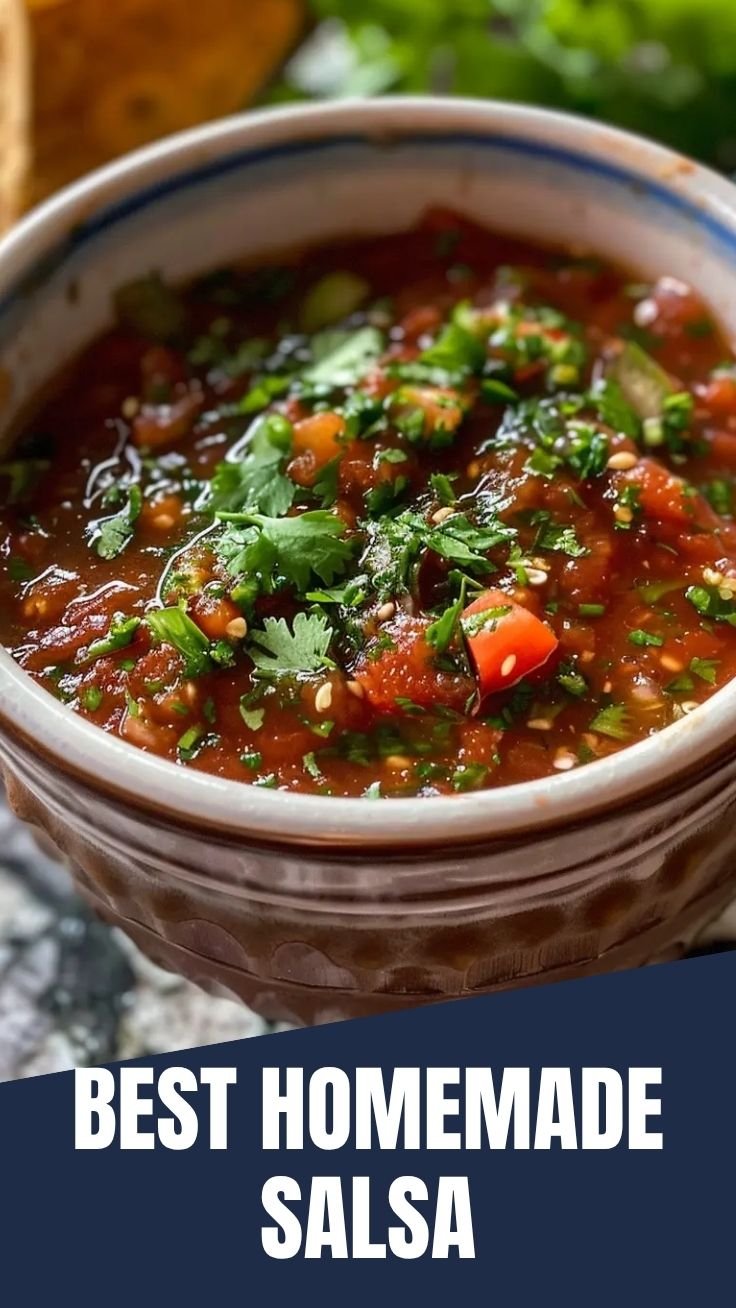
Prep Time: 10 minutes
Chill Time (optional but recommended): 30 minutes
Total Time: 10–40 minutes (depending on whether you rest the salsa)
This recipe requires zero cooking—it’s a raw, fresh salsa (salsa fresca or pico de gallo style when chunky). You can serve it immediately, but letting it rest for 30 minutes allows the flavors to meld and the salt to pull moisture from the tomatoes, creating a more cohesive texture. For best results, make it before starting your main dish so it rests while you cook.
—
Step-by-Step Instructions
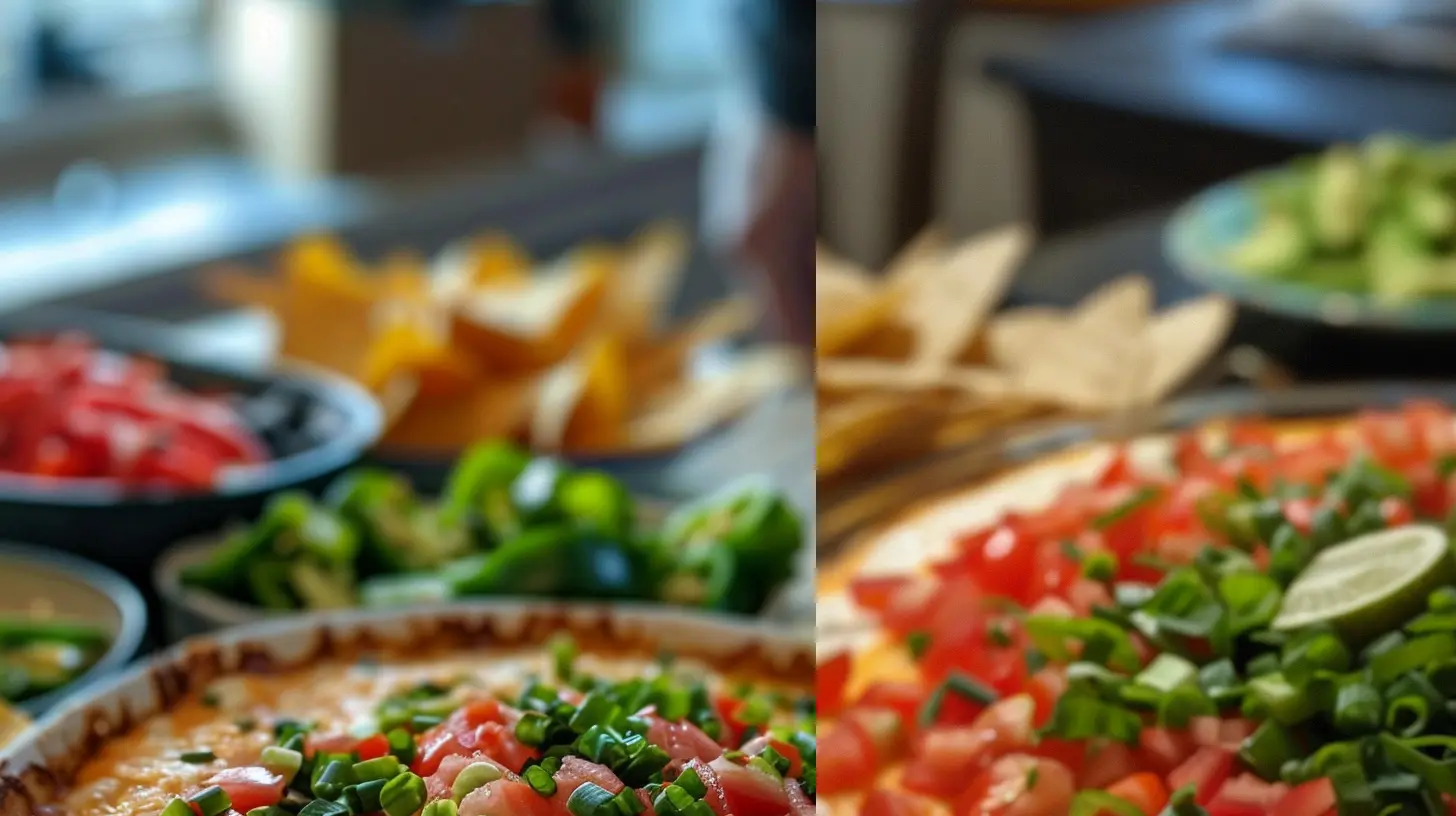
1. Prepare the tomatoes. Cut each Fresh tomatoes in half horizontally and gently squeeze out the seeds and jelly-like liquid. This prevents watery salsa. Roughly chop into 1-inch chunks.
2. Chop aromatics. Cut the onion into large chunks, stem and roughly chop the jalapeños (keep seeds for heat), and pick cilantro leaves with some tender stems.
3. Pulse in the food processor. Add the tomatoes, onion, jalapeños, cilantro, garlic, lime juice, salt, and cumin. Pulse 5–6 times (1-second pulses). Scrape the sides, then pulse 2–3 more times. You want a textured consistency—not pureed.
4. Check and adjust. Taste the Homemade Salsa for salt, acidity, and heat. Add more lime juice if flat, more salt if dull, or an extra jalapeño if you want kick. The flavor should be bright, balanced, and slightly bold.
5. Rest and serve. Transfer to a bowl, cover, and refrigerate for 30 minutes if time allows. Stir before serving with warm tortilla chips, tacos, burrito bowls, or grilled meats.
Pro chef tip: Temperature control matters—cold ingredients mute flavor. If your tomatoes were refrigerated, let them sit at room temperature for 20 minutes before chopping.
—
Nutritional Benefits & Advantages
This fresh salsa is a nutritional powerhouse packed into a low-calorie package. A standard ¼-cup serving contains roughly 15–20 calories, 1 gram of fiber, and virtually no fat or sugar (depending on tomato sweetness). The primary nutritional highlights come from the core ingredients:
– Tomatoes provide lycopene, a powerful antioxidant linked to reduced risk of heart disease and certain cancers. Cooking increases lycopene bioavailability, but raw tomatoes deliver more vitamin C—about 20% of your daily needs per tomato.
– Onions and garlic contain allicin and quercetin, compounds that support immune function and reduce inflammation.
– Cilantro acts as a natural chelator, helping the body excrete heavy metals, and provides vitamins A, C, and K.
– Lime juice enhances iron absorption from the other ingredients (useful if served with beans or meat).
Dietary advantages: naturally gluten-free, vegan, dairy-free, nut-free, and low-carb (approximately 3 grams net carbs per serving). It’s also Whole30 and keto-friendly in moderation.
—
Tips Variations & Cooking Advice
Flavor Variations
– Smoky Roasted Version: Broil the tomatoes, onion, and jalapeños at 425°F (220°C) for 8–10 minutes until charred, then cool and process. This adds deep, smoky notes suitable for carne asada or eggs.
– Fruity Mango Salsa: Replace 2 tomatoes with 1 diced mango and add ¼ cup diced red bell pepper. Excellent with fish tacos or grilled shrimp.
– Creamy Avocado Salsa: Blend in half an avocado after pulsing for a smoother, richer texture—ideal as a dip or sauce.
Dietary Adjustments
– Low-sodium: reduce salt to ½ teaspoon and add a pinch of celery seed
– Low-acid: swap half the lime juice for water; use sweeter tomatoes like cherry or Campari
– Extra-heat: include ½ habanero pepper (seeds removed for flavor without nuclear heat)
Portion Changes
– Double the recipe for parties (keeps 4–5 days refrigerated)
– Halve it for single servings (use a mini food processor or chop by hand)
—
Common Mistakes to Avoid
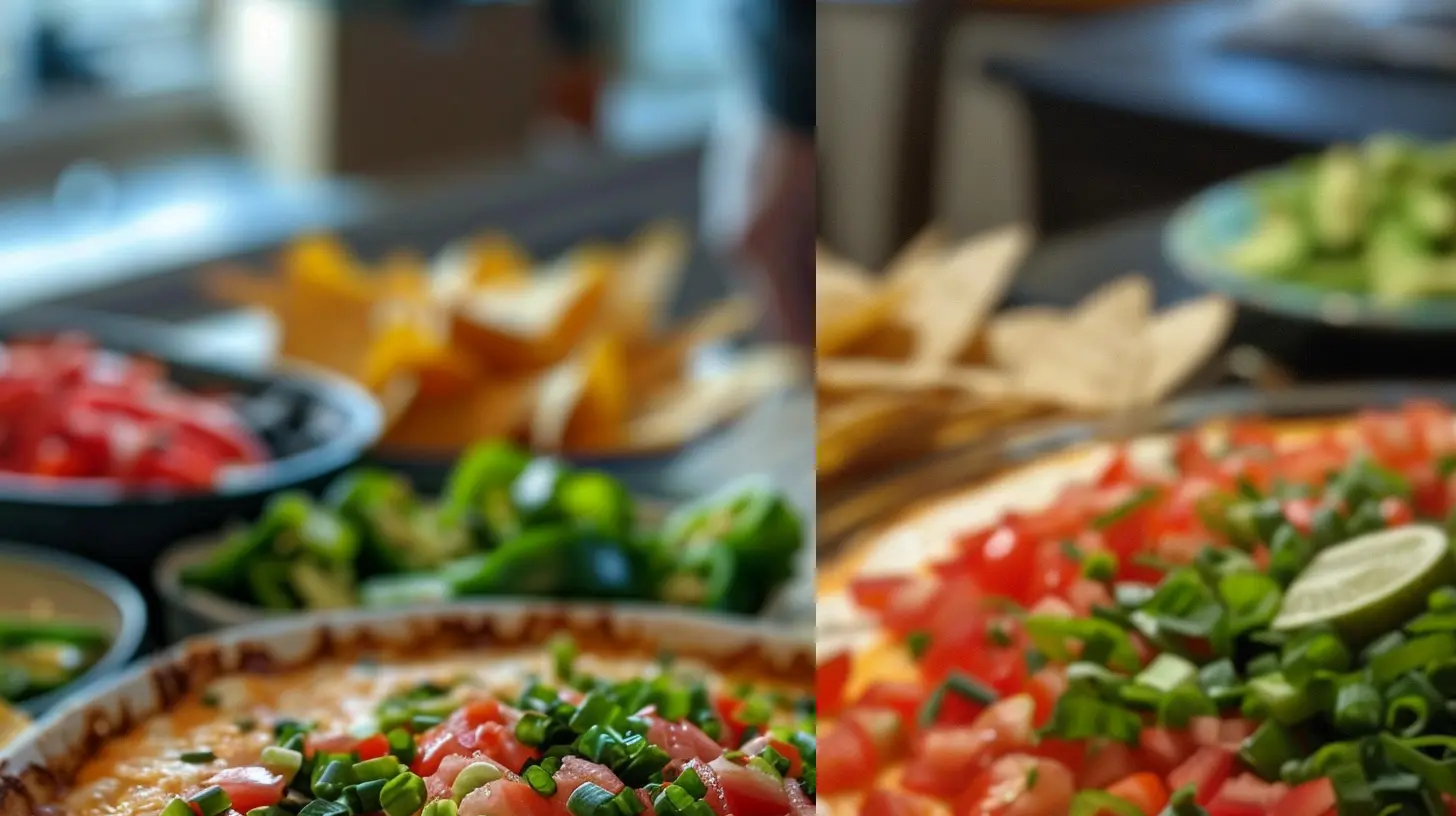
1. Watery salsa. The number one issue. Always seed your tomatoes—those gelatinous pockets contain 90% water. If your salsa is still runny, add 1 tablespoon of finely chopped corn tortilla or a dash of tomato paste as a thickener.
2. Lack of salt. Salsa needs more salt than you think because cold ingredients dull salt perception. Add salt incrementally and taste after resting 5 minutes.
3. Over-processing. A pureed salsa loses the fresh, chunky appeal of authentic salsa fresca. Use short pulses and stop while pieces are still visible. If using a molcajete, grind in stages.
4. Stale cilantro. Wilted or yellow cilantro has little flavor. Choose bunches with bright green leaves and firm stems. Store with stems in water, covered loosely with a plastic bag in the fridge.
5. Skipping the rest. Freshly made salsa tastes harsh and disjointed. Thirty minutes in the fridge allows the salt to break down cell walls, releasing flavorful juices and mellowing the raw onion bite.
—
Storage & Meal Prep Tips
Refrigeration: Store in an airtight glass or BPA-free plastic container. Fresh salsa stays at peak quality for 3–4 days. After that, the onion flavor becomes pungent and the texture softens. Do not store in metal bowls—lime juice reacts with metal, creating a metallic taste.
Freezing: Not recommended for this fresh-style salsa. Freezing ruptures cell walls in tomatoes, creating a mushy, watery texture upon thawing. If you must freeze, use it within 1 month exclusively for cooked dishes like soups or chilaquiles.
Reheating: This is a cold salsa—serve chilled. If you accidentally left it out for over 2 hours, discard it (the low acidity and moisture content make it susceptible to bacterial growth at room temperature).
Meal Prep Strategy: Chop all vegetables (except cilantro) up to 2 days ahead and store separately. Combine with lime juice and salt only when ready to serve. This keeps the texture crisp and the flavors bright.
—
Conclusion
Making your own Homemade Salsa from scratch transforms everyday meals with minimal effort and maximum reward. By starting with premium Fresh tomatoes and balancing the classic trio of heat, acidity, and salt, you create a condiment that outshines anything from a jar. The best part? You can customize it endlessly—spicier, smokier, fruitier, chunkier—to match your exact preferences. Try this recipe tonight, serve it alongside your favorite tacos or simply with a bowl of good tortilla chips, and experience why fresh salsa deserves a permanent spot in your weekly rotation. Share your results in the comments below or tag me in your photos—I love seeing your homemade creations!
—
Frequently Asked Questions
1. Can I use canned tomatoes instead of fresh?
Yes, but the texture and flavor will differ significantly. Drain a 14-ounce can of fire-roasted diced tomatoes and pulse with ¼ cup fresh cilantro and 1 tablespoon lime juice. It’s a decent winter substitute, but the bright, crisp flavor of fresh is irreplaceable.
2. How do I fix salsa that’s too spicy?
Add ½ diced avocado, ¼ cup plain Greek yogurt (if not vegan), or an extra tomato to dilute the heat. A pinch of sugar also helps balance capsaicin without adding sweetness.
3. Why is my salsa bitter?
Three common culprits: too much cilantro stem (use mostly leaves), burnt garlic if you roasted, or over-processing the seeds of chili peppers. Remove seeds carefully and pulse gently.
4. Can I make this salsa without a food processor?
Absolutely—hand-chopping gives you a traditional pico de gallo texture. Dice tomatoes, onion, and jalapeño into ¼-inch pieces, mince garlic and cilantro, and mix with lime juice and salt. It takes 10 minutes longer but yields a satisfyingly rustic consistency.
5. How long does homemade salsa last at room temperature during a party?
According to USDA guidelines, perishable foods should not sit at room temperature for more than 2 hours (1 hour if above 90°F). Serve salsa in a bowl set over a larger bowl of ice to keep it safely chilled for extended gatherings.
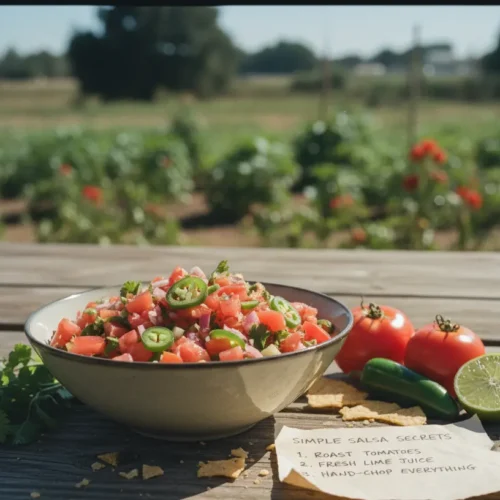
Homemade Salsa
Equipment
- Cutting board
- Chef's knife
- Food processor or blender
- Mixing bowl
Ingredients
Main Ingredients
- 2 cups diced tomatoes fresh or canned (drained)
- 0.5 cup red onion finely chopped
- 1 jalapeño seeded and minced
- 0.25 cup fresh cilantro chopped
- 1 tbsp lime juice
- 2 garlic cloves, minced
- 0.5 tsp salt
Instructions
Preparation
- Roughly chop tomatoes, onion, jalapeño, and cilantro, ensuring they are small enough to process easily.
- Combine all chopped vegetables with minced garlic, lime juice, and salt in a food processor or blender.
- Pulse the mixture a few times until your desired salsa consistency is reached; avoid over-processing if you prefer chunkier salsa.
- Taste the salsa and adjust seasonings as needed, adding more salt, lime juice, or jalapeño for extra heat.
- Transfer the homemade salsa to a bowl, cover, and chill in the refrigerator for at least 30 minutes before serving to allow flavors to meld.