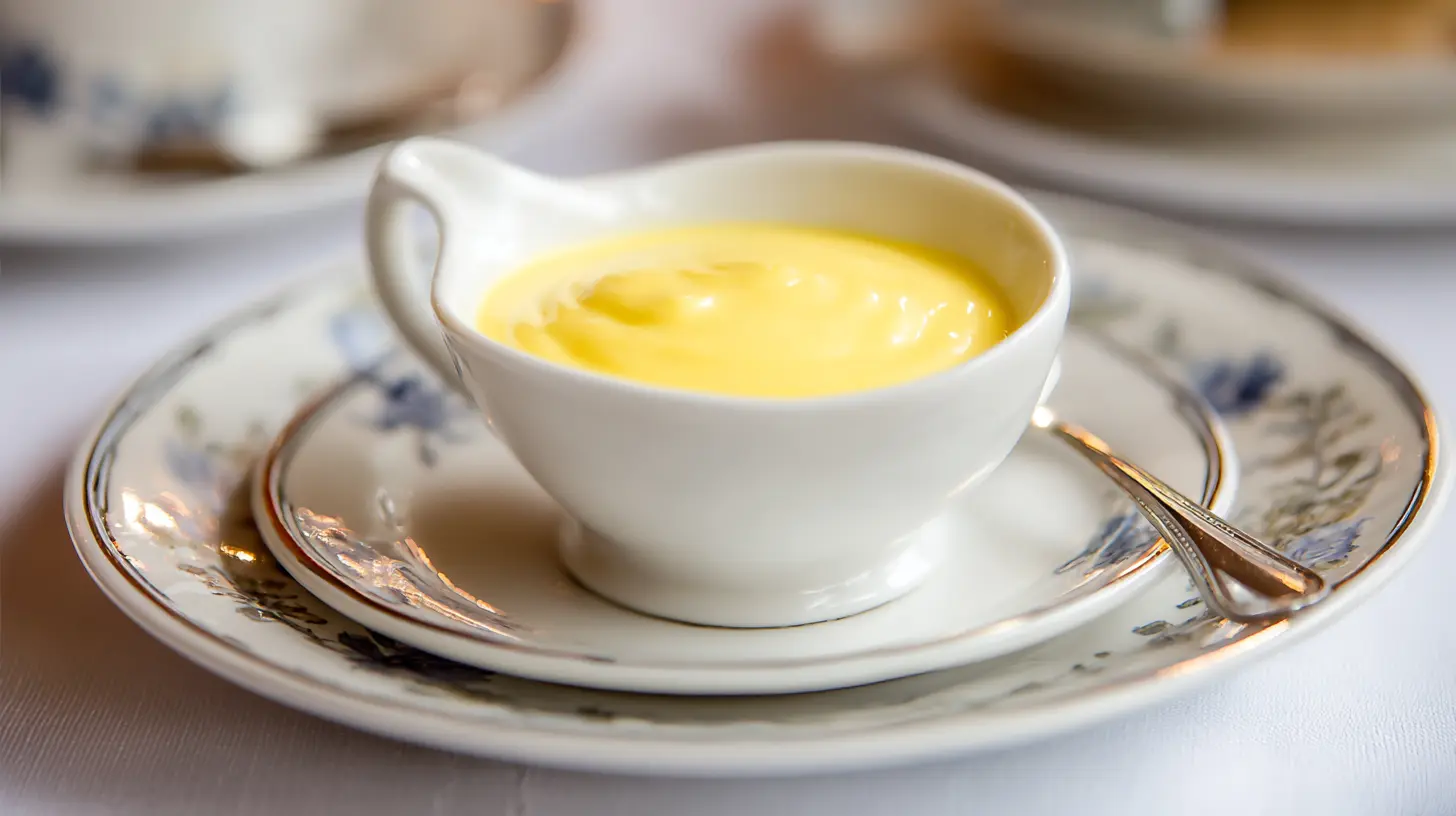
Proven way to grow Hollandaise Sauce in 5 Steps
Learn how to make a rich and creamy Hollandaise sauce from scratch.
Egg Yolks
Butter
Lemon Juice
Salt
Cayenne Pepper
Separate egg yolks from whites.
Melt butter in a saucepan.
Whisk together egg yolks, lemon juice, salt, and cayenne pepper.
Slowly drizzle melted butter into egg mixture while whisking constantly.
Cook and whisk over low heat until thickened.
Perfect Hollandaise Sauce: Classic Elegance for Your Breakfast Table
Ever wondered how to create that velvety, rich sauce that elevates eggs Benedict from ordinary to extraordinary? Mastering a Hollandaise Sauce at home might seem intimidating, but it’s actually quite achievable with the right technique. This classic French mother sauce brings luxurious flavor to numerous dishes, and following a reliable Hollandaise sauce recipe will ensure your brunch game reaches restaurant-quality heights. Let’s explore how to create this buttery delight in your own kitchen!
Ingredients & Kitchen Tools
For the Sauce:
– 3 large egg yolks, room temperature
– 1 tablespoon cold water
– 1 tablespoon fresh lemon juice (about half a lemon)
– 8 tablespoons (1 stick) unsalted butter, clarified and warm
– Pinch of cayenne pepper
– 1/4 teaspoon salt, or to taste
– 1-2 drops white vinegar (optional, helps stabilize the emulsion)
Kitchen Tools:
– Small saucepan or double boiler
– Heat-resistant glass bowl that fits over saucepan
– Wire whisk (crucial for proper emulsion)
– Rubber spatula
– Measuring spoons
– Citrus juicer or reamer
Prep Time & Cooking Schedule

Prep Time: 5 minutes
Cook Time: 10-15 minutes
Total Time: 15-20 minutes
Yield: Approximately 1 cup (enough for 4 servings of eggs Benedict)
This sauce should be prepared just before serving for optimal texture and flavor. Plan to begin about 20 minutes before your meal is ready, as Hollandaise doesn’t hold well for extended periods without special techniques.
Step-by-Step Instructions
1. Set up your double boiler: Fill the saucepan with about an inch of water and bring to a simmer (not a boil). Place your heat-resistant bowl on top, ensuring it doesn’t touch the water.
2. Prepare the yolk mixture: In the bowl, whisk together egg yolks, cold water, and lemon juice until light and frothy.
3. Cook the egg mixture: Place the bowl over the simmering water and whisk continuously. Be vigilant about temperature control – too hot and you’ll have scrambled eggs. The mixture should gradually thicken until it leaves a ribbon trail when you lift the whisk.
4. Add the butter: Remove from heat temporarily and begin adding warm clarified butter in a very slow, steady stream while whisking vigorously. This critical step creates the emulsion that gives Hollandaise Sauce its signature texture.
5. Season the sauce: Once all butter is incorporated, whisk in cayenne pepper and salt. For a perfect Hollandaise sauce recipe, taste and adjust seasoning as needed.
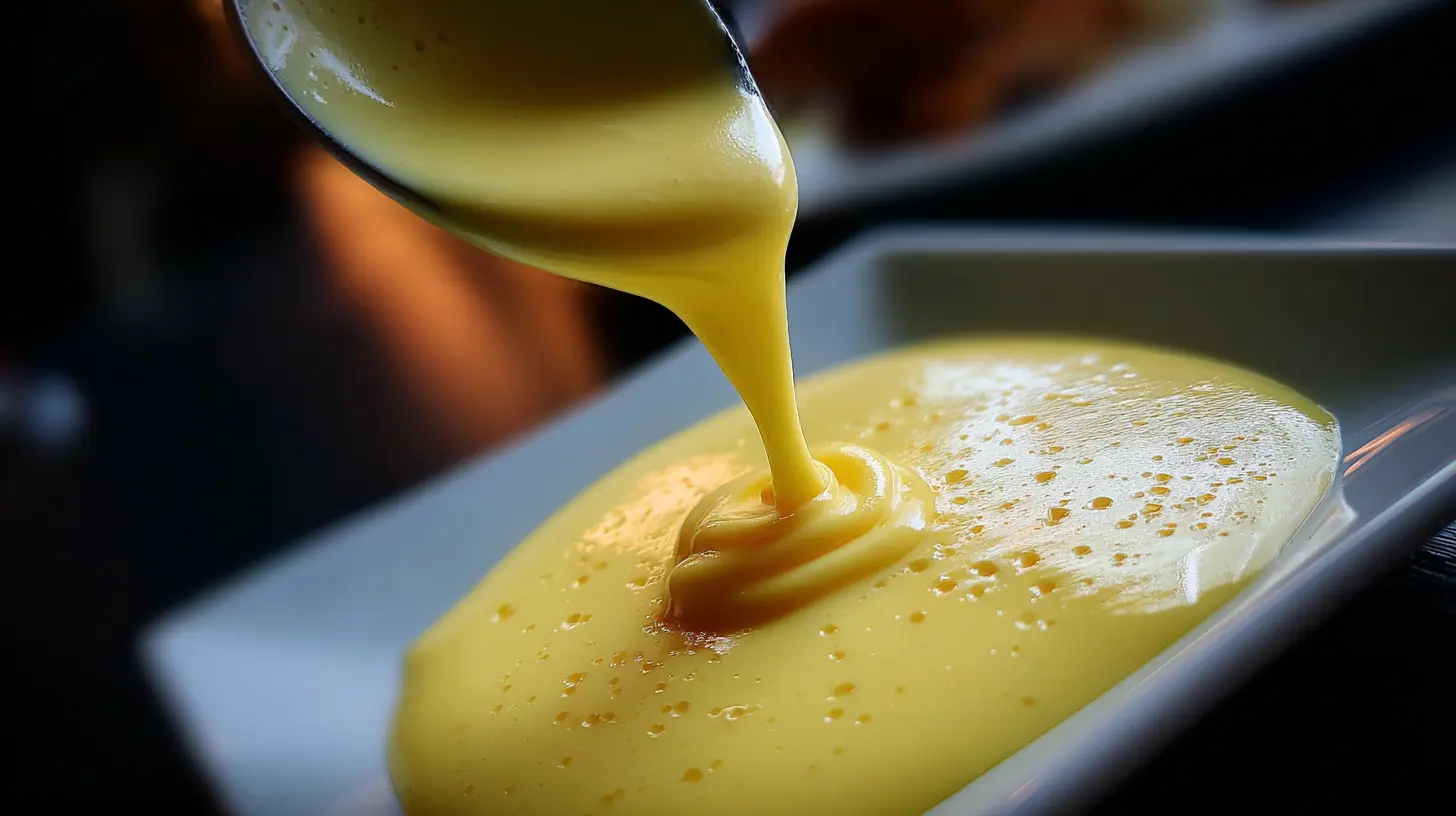
6. Serve immediately: The sauce should be smooth, rich, and able to coat the back of a spoon. Use right away for best results.
Nutritional Benefits & Advantages
While Hollandaise is admittedly indulgent, egg yolks provide essential nutrients including vitamins A, D, E, and K, plus choline for brain health. The sauce delivers satisfying healthy fats that promote satiety. When enjoyed occasionally as part of a balanced diet, this classic sauce can be a worthwhile culinary treat.
Tips, Variations & Cooking Advice
– Temperature control: The key to perfect Hollandaise is gentle heat – never let your eggs get too hot.
– Flavor variations:
– Add 1-2 tablespoons fresh herbs like tarragon or dill
– Fold in a teaspoon of Dijon mustard for extra tang
– Incorporate minced garlic for a subtle aioli-like twist
– Dairy-free option: Substitute clarified butter with olive oil or vegan butter alternative
Common Mistakes to Avoid
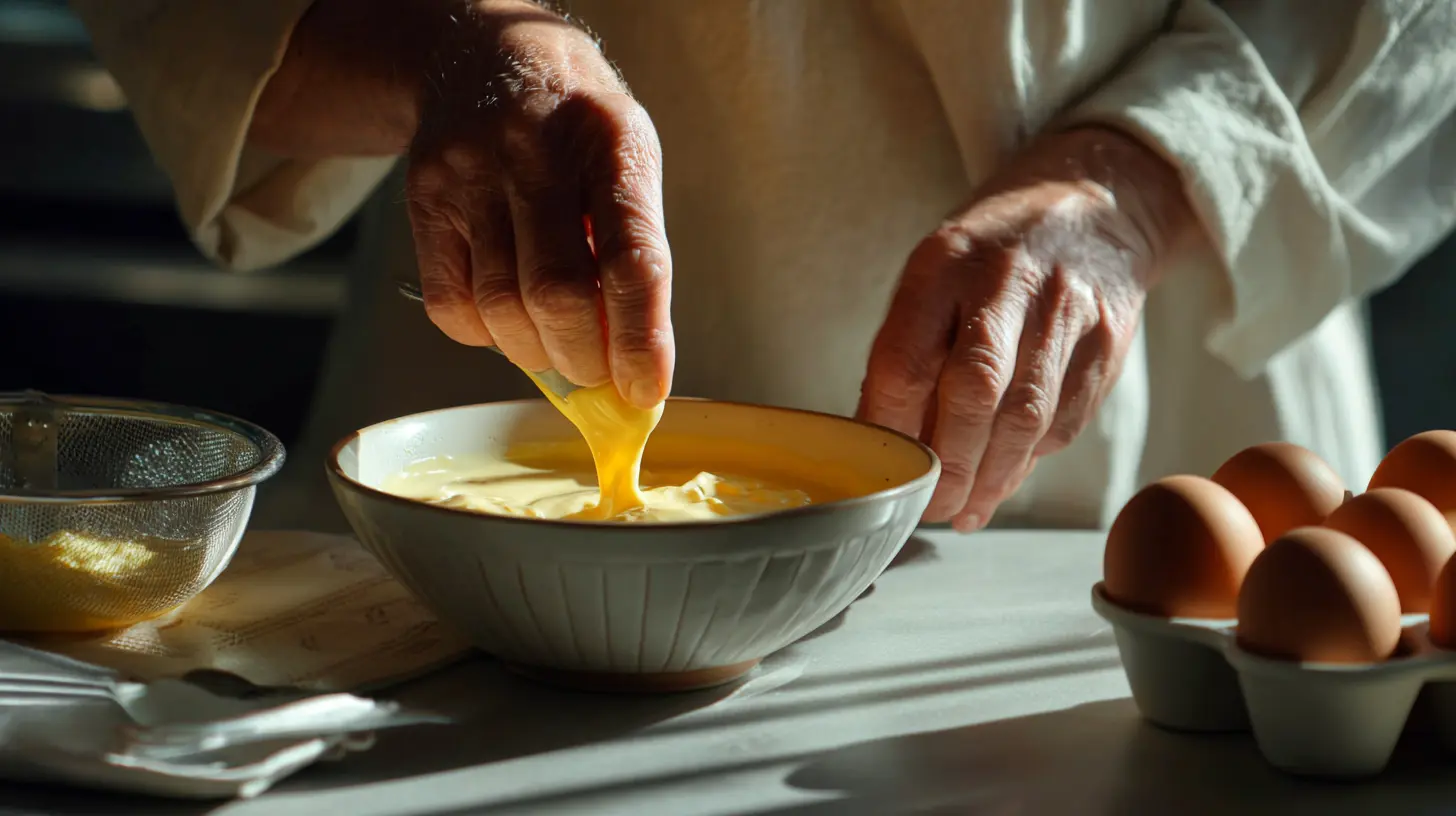
1. Overheating the eggs: If your sauce looks grainy or curdled, you’ve likely overheated it. Prevention is best, but you can sometimes rescue it by adding a teaspoon of cold water and whisking vigorously off the heat.
2. Adding butter too quickly: This breaks the emulsion. Add butter in a very slow stream while continuously whisking.
3. Not whisking constantly: Continuous whisking prevents the eggs from scrambling and ensures proper emulsification.
4. Using cold ingredients: Room temperature egg yolks and warm butter create a more stable emulsion.
Storage & Meal Prep Tips
Hollandaise is best served fresh, as it can separate when stored. However, if necessary:
– Keep warm for up to 1 hour in a thermos or insulated container
– Store leftovers in an airtight container for up to 2 days, but expect texture changes
– Reheat gently over a double boiler, whisking continuously
– Never microwave, as this will cause separation
Conclusion
Mastering Hollandaise Sauce is a worthwhile culinary skill that will elevate countless dishes in your repertoire. While it requires attention to technique, following this Hollandaise sauce recipe carefully will reward you with a silky, flavorful sauce that transforms ordinary eggs, vegetables, or seafood into something truly special. Don’t be intimidated – with practice, this classic French sauce will become one of your most impressive kitchen accomplishments!
FAQs
Can I make Hollandaise sauce ahead of time?
While best served fresh, you can hold it in a thermos or insulated container for up to an hour. For longer storage, specialized techniques like adding extra acid or using stabilizers would be needed.
Why did my Hollandaise sauce separate?
Separation typically occurs due to overheating, adding butter too quickly, or not whisking continuously. Try whisking in a few drops of hot water to rescue a broken sauce.
Can I use regular melted butter instead of clarified?
Yes, though clarified butter creates a more stable emulsion. If using regular melted butter, let the milk solids settle and use the clear yellow fat from the top.
Is there a foolproof method for beginners?
A blender method exists where warm butter is drizzled into running egg yolks and lemon juice. While purists may disagree with this technique, it’s more forgiving for beginners.
What can I serve with Hollandaise besides eggs Benedict?
Try it on asparagus, salmon, other seafood, roasted vegetables, or as a decadent dip for artichokes.
Proven way to grow Hollandaise Sauce in 5 Steps
Equipment
- Whisk
- Heatproof bowl
- Saucepan (for double boiler)
- Small saucepan (for melting butter)
Ingredients
Main Ingredients
- 3 large Egg yolks
- 1/2 cup Unsalted butter (113g), melted
- 1 tablespoon Fresh lemon juice
- 1/4 teaspoon Salt
- Cayenne pepper Pinch, optional
Instructions
Steps
- Melt the butter in a small saucepan and set aside to cool slightly.
- In a heatproof bowl set over a saucepan of simmering water (double boiler), whisk egg yolks and lemon juice until light and foamy, ensuring the bowl does not touch the water.
- Gradually drizzle the slightly cooled melted butter into the egg yolk mixture while continuously whisking until the sauce is thick and emulsified.
- Remove the bowl from heat and whisk in salt and a pinch of cayenne pepper if desired.
- Serve the warm Hollandaise sauce immediately with your favorite dishes.