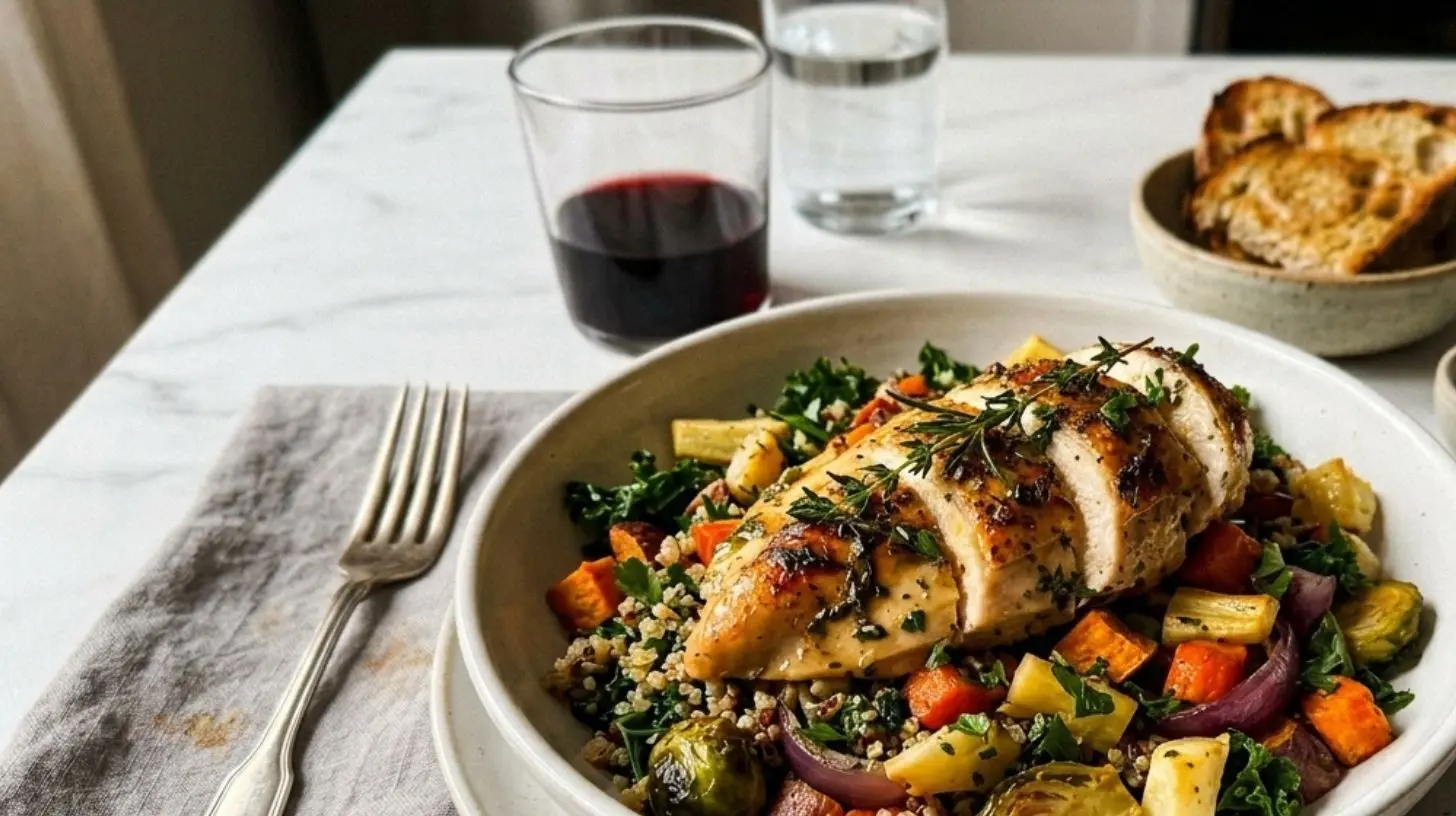
15 Healthy Winter Dinner Recipes
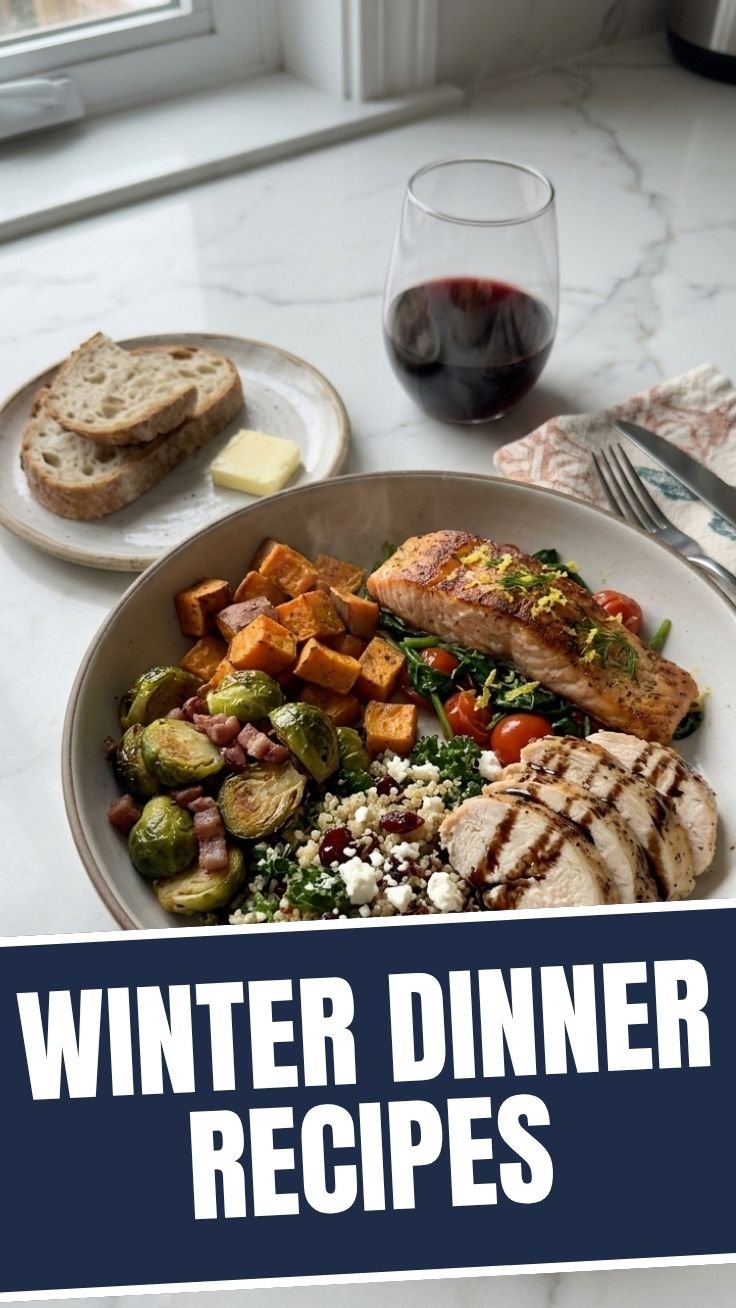
Learn how to make delicious and nutritious dinner recipes perfect for the winter season.
Chicken Breast
Sweet Potatoes
Broccoli
Quinoa
Salmon Fillets
Kale
Green Beans
Carrots
Chop the vegetables into bite-sized pieces.
Marinate the chicken breast with herbs and spices.
Roast the sweet potatoes in the oven until tender.
Cook quinoa according to package instructions.
Grill or bake the salmon fillets until flaky.
Massage kale with olive oil for a few minutes.
Steam or sauté the green beans and carrots until tender.
Warm Up with This Golden Turmeric Chicken & Vegetable Stew (Healthy & Low Carb)
Have you ever stood in front of your pantry on a cold January evening, craving something deeply comforting yet nourishing enough to keep your health goals on track? You’re not alone. The solution lies in simple, whole ingredients transformed into a bowl of warmth that satisfies both your taste buds and your wellness intentions. This recipe proves that eating well during the colder months doesn’t require sacrificing flavor or spending hours in the kitchen. By preparing it at home, you control the quality of every ingredient, avoid hidden preservatives, and save money—all while enjoying a meal that feels like a hug in a bowl. This is the heart of healthy winter dinner recipes, where comfort meets conscious eating. And if you’re watching your carbohydrate intake, you’ll be delighted to know that this stew easily adapts to low carb winter meals by swapping a few vegetables—which we’ll cover in the tips section.
Ingredients & Kitchen Tools (H2)
For the Stew (Serves 4)
– 1.5 lbs boneless, skinless chicken thighs – Dark meat stays juicy during simmering; you can substitute with chicken breast for leaner option
– 2 tbsp avocado oil – High smoke point ideal for browning; olive oil works too
– 1 large yellow onion, diced – Provides savory base sweetness
– 4 cloves garlic, minced – Fresh is best for pungent depth
– 1 tbsp fresh ginger, grated – Adds warmth without heat
– 2 tsp ground turmeric – The golden star; anti-inflammatory powerhouse
– 1 tsp ground cumin – Earthy complement to turmeric
– 1/2 tsp black pepper – Crucial for turmeric absorption (piperine increases bioavailability)
– 1 medium cauliflower, cut into florets – Replaces potatoes for lower carbs; about 4 cups
– 2 medium carrots, sliced – Adds natural sweetness and beta-carotene
– 4 cups low-sodium chicken broth – Homemade or quality store-bought
– 1 can (13.5 oz) full-fat coconut milk – Creamy richness; light coconut milk works but yields thinner stew
– 1 tbsp lemon juice – Brightens all flavors at the end
– Sea salt to taste – Start with 1 tsp, adjust
– Fresh cilantro for garnish – Optional but recommended
Kitchen Tools & Utensils
– Heavy-bottomed Dutch oven or large pot (5-6 quart) – Distributes heat evenly
– Chef’s knife and cutting board
– Wooden spoon or spatula
– Measuring spoons
– Grater for ginger (microplane is ideal)
– Ladle for serving
Optional Substitutions
– Keto-friendly: Replace carrots with chopped zucchini and use only cauliflower
– Dairy-free: Already dairy-free; skip any cheese garnish
– Spice sensitivity: Reduce turmeric to 1 tsp and omit black pepper
Prep Time & Cooking Schedule (H2)
Planning is key to a stress-free cooking experience. Here’s your timeline:
– Prep time: 15 minutes – Chop vegetables, mince garlic, grate ginger, cube chicken into 1.5-inch pieces
– Cook time: 40 minutes – From browning to simmering
– Resting time: 5 minutes – Let the stew settle off heat before serving; flavors deepen
Schedule suggestion: Start at 6:00 PM for a 7:00 PM dinner. The stew actually tastes better if made an hour ahead and kept warm—perfect for busy weeknights. If you’re prepping for meal prep, double the batch: the active cooking time remains the same.
Step-by-Step Instructions (H2)
Follow these detailed steps for foolproof results. Each technique matters—skipping the browning or rushing the simmer will affect texture and flavor.
1. Brown the chicken – Heat Dutch oven over medium-high heat (6/10 on your dial). Add 1 tbsp avocado oil. Pat chicken thighs dry with paper towels (moisture prevents browning). Sear in a single layer, without overcrowding. Cook 4-5 minutes per side until deep golden. Remove to a plate; they’ll finish cooking later. Temperature cue: Oil should shimmer but not smoke.
2. Sauté aromatics – Reduce heat to medium (4/10). Add remaining 1 tbsp oil. Cook onion 4 minutes until translucent. Add garlic and ginger; stir 30 seconds until fragrant. Don’t burn garlic—if it browns too fast, lower heat.
3. Bloom the spices – Add turmeric, cumin, and black pepper. Stir constantly 1 minute. This step releases essential oils and deepens flavor. The kitchen will smell incredible.
4. Build the broth – Pour in chicken broth, scraping bottom with wooden spoon to lift browned bits (that’s flavor). Add coconut milk and bring to a gentle boil, then reduce to a simmer (small bubbles, not a rolling boil).
5. Add vegetables and chicken – Return browned chicken to pot. Add cauliflower florets and sliced carrots. Stir to combine. Simmer uncovered 25-30 minutes. Texture cue: Chicken should shred easily with a fork; cauliflower should be tender but not mushy.
6. Final seasoning – Remove from heat. Stir in lemon juice and salt. Taste and adjust—a squeeze more lemon or a pinch of salt can transform the dish. Let rest 5 minutes before serving.
> Practical tip: For healthy winter dinner recipes that truly warm you from within, the resting phase is non-negotiable. It allows the coconut milk to fully integrate with the spices. And if you’re aiming for low carb winter meals, feel free to double the cauliflower and skip any starchy sides like rice or bread.
7. Serve – Ladle into bowls. Garnish with fresh cilantro and a drizzle of coconut milk if desired.
Nutritional Benefits & Advantages (H2)
This stew is a nutritional powerhouse disguised as comfort food. Here’s the data per serving (approximate, based on four servings):
| Nutrient | Amount | % Daily Value (approx) |
|———-|——–|————————|
| Calories | 420 kcal | – |
| Protein | 35 g | 70% |
| Fat | 28 g | 36% |
| Carbohydrates | 14 g | 5% |
| Fiber | 5 g | 18% |
| Vitamin C | 45 mg | 50% |
| Iron | 3.5 mg | 19% |
Key advantages:
– Anti-inflammatory power – Turmeric and ginger are potent COX-2 inhibitors (studies in Journal of Medicinal Food show reduced joint inflammation)
– Blood sugar stability – Cauliflower and chicken provide steady energy without insulin spikes
– Gut health – Bone broth (if homemade) supplies collagen; coconut milk offers medium-chain triglycerides (MCTs) that support gut lining
– Immunity boost – Garlic and ginger are antimicrobial; vitamin C from cauliflower and carrots supports immune function
This dish fits paleo, gluten-free, dairy-free, and low-carb lifestyles naturally—no special adjustments required for most diets.
Tips Variations & Cooking Advice (H2)
Flavor Variations
– Coconut-Curry Twist: Add 1 tbsp Thai red curry paste along with the spices; omit cumin
– Lemon-Herb Version: Add 2 sprigs fresh thyme and 1 bay leaf during simmer; increase lemon juice to 2 tbsp
– Smoky Chipotle: Stir in 1 chipotle pepper in adobo sauce (minced) with the onions for a spicy, smoky kick
Ingredient Swaps
– Protein: Use boneless skinless chicken breasts (reduce cook time to 20 minutes), or salmon fillets (add last 10 minutes)
– Vegetables: Swap cauliflower for 2 cups chopped kale or spinach (add last 5 minutes); use parsnips instead of carrots for deeper sweetness
– Broth: Use bone broth for extra protein and minerals; vegetable broth works but reduces richness
Cooking Methods
– Instant Pot (Pressure Cooker): Sauté on Sauté mode, then cook on High Pressure 10 minutes, natural release 5 minutes
– Slow Cooker: Brown chicken and sauté aromatics on stovetop, then transfer to slow cooker; cook on Low 6 hours or High 3 hours
– Stovetop Double Batch: Double ingredients; use an 8-quart pot; increase simmer time by 10 minutes
Portion Changes
– For smaller appetites: Serve over a bed of riced cauliflower (steam 2 cups, sauté 3 minutes) to stretch servings
– For heartier meals: Add 1 cup cooked chickpeas or white beans (add with broth) for extra fiber
Common Mistakes to Avoid (H2)
1. Skipping the browning step – Chicken cooked without browning turns pale and lacks the deep savory notes that define a great stew. Always sear until golden—this creates the fond (browned bits) that enriches the entire broth.
2. Adding spices directly to liquid without blooming – Raw turmeric powder tastes earthy and bitter. Blooming it in hot fat for one minute mellows the bitterness and amplifies its warm character.
3. Boiling instead of simmering – A rolling boil will break down cauliflower into mush and toughen chicken. Maintain a gentle simmer with small bubbles breaking the surface.
4. Under-seasoning – Turmeric needs salt to shine. Taste halfway through cooking, then again at the end. Remember: low-sodium broth requires more salt than regular broth.
5. Adding lemon juice too early – Acid added during cooking can make the broth taste harsh and dull the brightness. Always stir it in off the heat.
Storage & Meal Prep Tips (H2)
Proper storage ensures you can enjoy this stew throughout the week without losing quality.
– Refrigeration: Transfer cooled stew to airtight containers. It stays fresh for 4 days in the refrigerator. The flavors actually deepen on day two—the spices meld beautifully overnight.
– Freezing: Portion into freezer-safe bags or containers (leave 1/2 inch headspace for expansion). Freeze up to 3 months. To thaw, place in refrigerator overnight or run container under cold water for 30 minutes.
– Reheating instructions:
– Stovetop: Warm over medium-low heat, stirring occasionally, 5-7 minutes. Add 1-2 tbsp water or broth if it thickened too much.
– Microwave: Heat covered in a microwave-safe bowl for 2-3 minutes, stirring halfway.
– Note: Coconut milk may separate after freezing; stir vigorously while reheating, or add 1 tsp coconut oil to re-emulsify.
– Meal prep strategy: Cook a double batch on Sunday, portion into four single-serving containers for lunches, and freeze two portions for busy weeks. The stew is just as delicious reheated as freshly made.
Conclusion (H2)
This golden turmeric chicken and vegetable stew proves that satisfying comfort food can align with your health goals effortlessly. By choosing whole ingredients, controlling cooking techniques, and embracing spices that heal, you create a meal that nourishes both body and soul. Whether you follow the recipe exactly or experiment with the variations, you’ll discover that healthy winter dinner recipes don’t have to be complicated—they just need good ingredients and a little patience. And if you’re curious about preparing low carb winter meals that don’t feel like a sacrifice, this stew is your perfect starting point. I encourage you to try it this week, share a photo of your golden bowl on social media, and tag me so I can celebrate your creation. Your body and your taste buds will thank you.
FAQs (H2)
1. Can I make this stew completely vegetarian or vegan?
Yes. Replace chicken with 2 cans (15 oz each) of chickpeas or 1 block of extra-firm tofu (cubed and pan-seared). Use vegetable broth instead of chicken broth. Reduce simmer time to 20 minutes since chickpeas only need to warm through.
2. Why does my stew taste bitter?
Bitterness usually comes from burnt turmeric or garlic. When blooming spices, keep heat medium-low (3/10) and stir constantly. If garlic burns, discard the aromatics and start over—it won’t improve with more cooking.
3. Can I use ground ginger instead of fresh?
Yes, but reduce to 1/2 tsp. Fresh ginger provides brighter, more pungent warmth and contains higher levels of gingerol (anti-inflammatory compound). Ground ginger works in a pinch but yields a milder, slightly dusty flavor.
4. How do I make this stew thicker?
For a thicker consistency, mash 1/4 cup of cooked cauliflower against the side of the pot with a spoon, then stir it back in. Alternatively, mix 1 tbsp arrowroot powder (or cornstarch) with 2 tbsp cold water and stir into the simmering stew; cook 2 more minutes.
5. My coconut milk separated into solid and liquid—is it still usable?
Absolutely. Coconut milk naturally separates when stored. Empty the entire can into a bowl and whisk vigorously for 30 seconds, or warm it gently in the pot before adding other ingredients. Shaking the can before opening also helps.
Best way to grow 15 Healthy Winter Dinner Recipes
Equipment
- Baking sheet
- Parchment paper
- Large mixing bowl
- Cutting board
- Sharp knife
- Large pot
Ingredients
Main Ingredients
- 4 cups Seasonal Vegetables such as root vegetables, kale, or Brussels sprouts
- 1 lb Lean Protein e.g., chicken breast, fish, lentils, or beans
- 1 cup Whole Grains quinoa, brown rice, or farro
- 2 tbsp Healthy Fats olive oil, avocado, or nuts
- 4 cups Broth vegetable or chicken
- to taste Herbs and Spices rosemary, thyme, paprika, garlic powder
Instructions
Preparation
- Preheat your oven to 400°F (200°C) and prepare a baking sheet with parchment paper.
- Chop all seasonal vegetables into bite-sized pieces; dice the lean protein if applicable.
- Toss vegetables and protein with a tablespoon of healthy fat and a selection of herbs and spices.
Cooking
- Spread the seasoned vegetables and protein on the prepared baking sheet and roast for 20-25 minutes, or until tender and cooked through.
- While roasting, cook whole grains according to package instructions.
- In a separate pot, heat the broth and simmer with additional herbs for 10 minutes.
Serving
- Combine the roasted vegetables and protein with the cooked whole grains and broth.
- Serve warm, garnished with fresh herbs or a drizzle of healthy fat if desired.