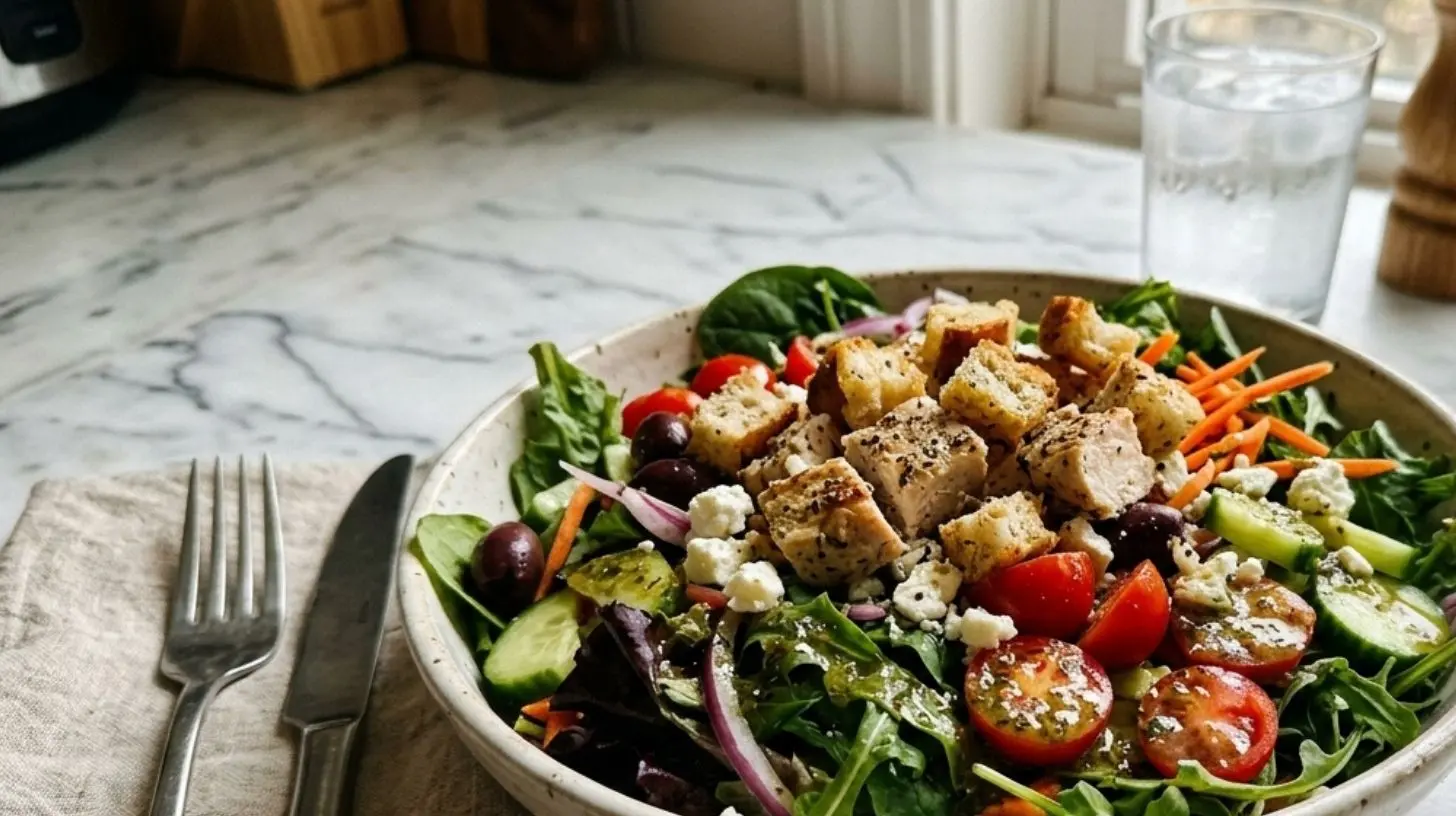
Proven way to grow a Garden Salad in 7 days
Learn how to grow your own delicious Garden Salad in just 7 days!
Lettuce
Tomatoes
Cucumbers
Carrots
Bell Peppers
Radishes
Salad Dressing
Plant seeds in soil and water them daily.
Place pots in a sunny spot to grow.
Water plants regularly to keep them healthy.
Harvest your fresh veggies when they are ready.
Toss all the veggies with salad dressing to make your Garden Salad.
How to Make the Perfect Garden Salad at Home: A Step-by-Step Guide
Have you ever wondered why restaurant salads taste so much better than the ones you throw together at home? The secret isn’t a fancy dressing or exotic ingredients—it’s technique, timing, and the right balance of textures. A well-crafted Garden Salad can be a meal in itself, packed with crunch, freshness, and nutrients. Preparing it at home not only saves money but also lets you control every ingredient, from the crispness of the Lettuce to the tang of the vinaigrette. In this guide, I’ll show you how to build a garden salad that rivals any café offering, while also sharing tips to make a healthy salad that fits your lifestyle. Whether you’re a beginner or a seasoned cook, these data-driven steps will elevate your salad game.
—
Ingredients & Kitchen Tools
For the Salad Base
– Lettuce (romaine, iceberg, or mixed greens) – 4 cups, washed and torn into bite-sized pieces. Use the freshest leaves for maximum crunch.
– Cherry tomatoes – 1 cup, halved. Adds sweetness and color.
– Cucumber – 1 medium, sliced into half-moons. Provides hydrating crunch.
– Red onion – ½ small, thinly sliced. Soak in cold water for 10 minutes to mellow the bite.
– Carrots – 1 large, shredded or julienned. For natural sweetness and beta-carotene.
Optional Toppings & Substitutions
– Avocado – 1, diced. Adds creaminess and healthy fats.
– Croutons – ½ cup, store-bought or homemade. For extra crunch.
– Protein – grilled chicken, chickpeas, or tofu. Transform your salad into a main dish.
– Cheese – feta or parmesan, crumbled. Omit for dairy-free version.
Kitchen Tools
– Large salad bowl – preferably wooden or glass to avoid seasoning transfer.
– Salad spinner – essential for drying lettuce thoroughly.
– Chef’s knife and cutting board.
– Vegetable peeler or julienne tool.
– Measuring spoons and cups.
—
Prep Time & Cooking Schedule
– Prep time: 15 minutes
– Cook time: 0 minutes (no cooking required)
– Resting time: 5 minutes after dressing (to allow flavors to meld)
– Total time: 20 minutes
This salad is perfect for a quick lunch or a side dish for dinner. You can prep all the vegetables ahead of time and store them separately in airtight containers for up to 2 days. Just wait to dress until serving to keep the Lettuce crisp.
—
Step-by-Step Instructions
1. Wash and dry the lettuce. Fill your salad spinner with cold water, submerge the leaves, then spin until completely dry. Any residual water will make the dressing slide off and dilute the flavors. Patience here pays off.
2. Prep the vegetables. Halve the cherry tomatoes, slice the cucumber, and thinly slice the red onion. Soak the onion in cold water to reduce sharpness while you work on the rest.
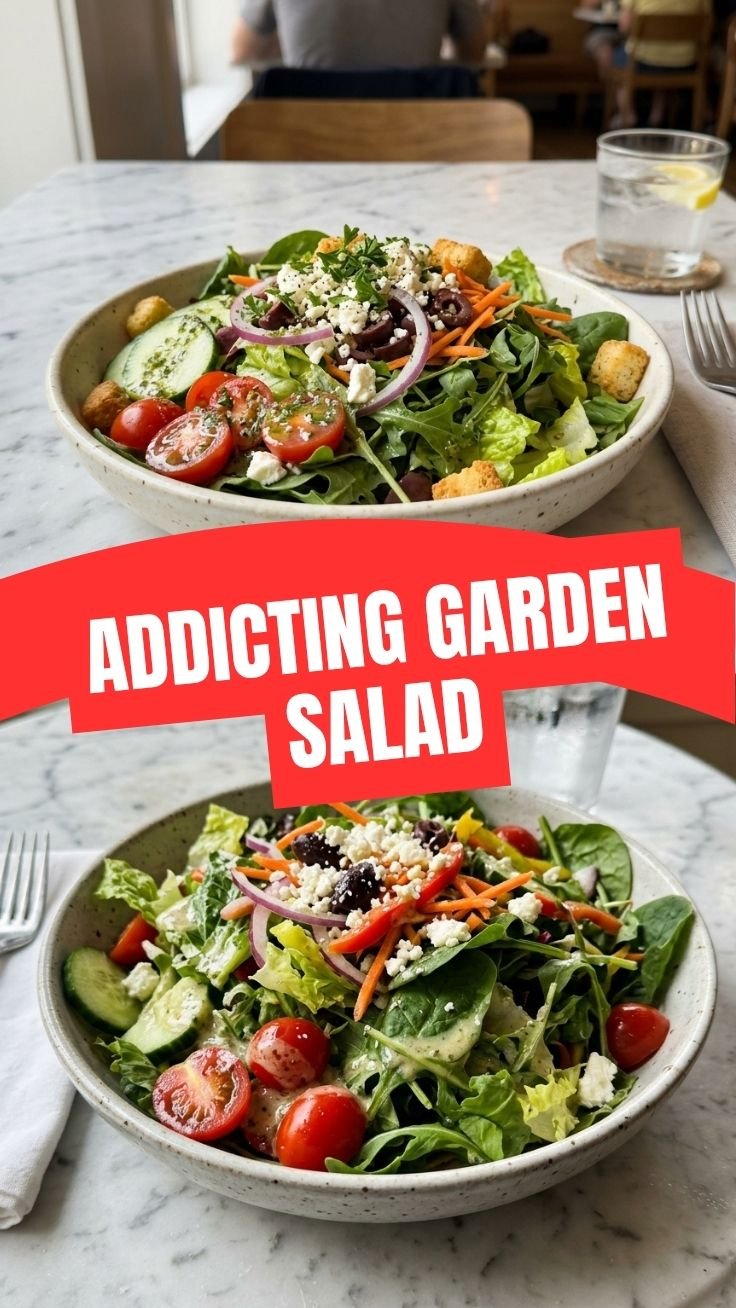
3. Combine the base. In a large bowl, add the dried Lettuce, tomatoes, cucumber, onion, and shredded carrots. Toss gently with your hands to distribute evenly.
4. Make the dressing. In a small jar, whisk together 3 tablespoons extra-virgin olive oil, 1 tablespoon red wine vinegar, 1 teaspoon Dijon mustard, salt, and pepper. Shake well.
5. Dress and toss. Pour the dressing over the salad just before serving. Use two large spoons to toss until every leaf is lightly coated. This is the moment your garden salad comes alive—the combination of crisp vegetables and tangy oil creates a healthy salad that’s both satisfying and refreshing.
6. Add toppings. Sprinkle croutons, avocado, or cheese last to preserve their texture. Serve immediately.
Pro tip: For temperature control, chill your salad bowl and vegetables in the fridge for 10 minutes before assembling. This keeps the Lettuce cold and crunchy.
—
Nutritional Benefits & Advantages
A well-made garden salad is a powerhouse of vitamins and fiber. The Lettuce provides vitamin K and folate, while tomatoes offer lycopene, a potent antioxidant. Cucumber adds hydration (over 95% water), and carrots supply beta-carotene for eye health. When you add a healthy fat like olive oil, your body absorbs fat-soluble vitamins more efficiently. This dish is naturally low in calories, gluten-free, and can easily be made vegan or dairy-free. Eating a healthy salad daily has been linked to improved digestion, weight management, and reduced risk of chronic diseases.
—
Tips Variations & Cooking Advice
– Flavor variations: Swap red wine vinegar for lemon juice or balsamic for a different tang. Add fresh herbs like basil or mint.
– Ingredient swaps: Use kale or spinach instead of Lettuce for a heartier base. Replace cherry tomatoes with roasted bell peppers.
– Dietary adaptations: For a dairy-free version, skip cheese or use nutritional yeast. For gluten-free, ensure croutons are certified gluten-free.
– Portion changes: Double the recipe for meal prep, but store dressing separately. Add grains like quinoa or farro to make it a filling lunch.
– Alternative cooking methods: While this is a raw salad, you can grill the vegetables (corn, zucchini) for a smoky twist.
—
Common Mistakes to Avoid
– Over-dressing the salad. Too much dressing makes the Lettuce soggy. Start with a little and add more if needed.
– Wet lettuce. Failing to dry leaves thoroughly ruins the texture. Always use a salad spinner.
– Cutting vegetables too large. Bite-sized pieces ensure every forkful has a bit of everything.
– Adding dressing too early. If you’re not serving immediately, keep dressing on the side until right before eating.
– Forgetting salt. A pinch of salt in the dressing enhances all flavors—don’t skip it.
—
Storage & Meal Prep Tips
– Refrigeration: Store undressed salad in an airtight container lined with a paper towel. The towel absorbs moisture and keeps the Lettuce crisp for up to 2 days.
– Freezing: Not recommended for fresh salad—freezing destroys the cell structure of Lettuce and other vegetables, resulting in a mushy texture.
– Dressing storage: Keep dressing in a sealed jar in the fridge for up to a week. Shake well before using.
– Reheating: This salad is served cold. If you add grilled protein, reheat that separately and add to the salad just before serving.
—
Conclusion
Building a Garden Salad at home is a simple yet rewarding skill that puts you in control of your nutrition and flavor. By focusing on fresh, dry Lettuce, balanced ingredients, and a well-made dressing, you can create a healthy salad that’s both delicious and satisfying—no restaurant required. I encourage you to try this recipe, experiment with your favorite toppings, and share your results in the comments. For more fresh ideas, explore our other salad recipes and tips.
—
FAQs
1. Can I use bagged lettuce instead of whole heads?
Yes, but bagged Lettuce often contains smaller pieces that can wilt faster. If using bagged, open it, spread on a towel, and let it air-dry for 10 minutes to revive crispness.
2. How do I prevent the salad from becoming watery?
After washing vegetables, spin them thoroughly and pat dry with a clean kitchen towel. Also, salt the vegetables only after dressing to avoid drawing out moisture.
3. What’s the best oil for a healthy salad dressing?
Extra-virgin olive oil is ideal for its flavor and heart-healthy monounsaturated fats. For a lighter option, use avocado oil.
4. Can I make this salad ahead of time for a party?
Yes, but keep the dressing and wet ingredients (tomatoes, cucumbers) separate until serving. Assemble the dry ingredients (lettuce, carrots, onions) in a bowl, cover with a damp paper towel, and refrigerate. Dress right before serving.
5. How can I add more protein without cooking?
Canned chickpeas, rinsed and drained, or pre-cooked lentils work well. You can also add nuts like almonds or walnuts for plant-based protein and healthy fats.