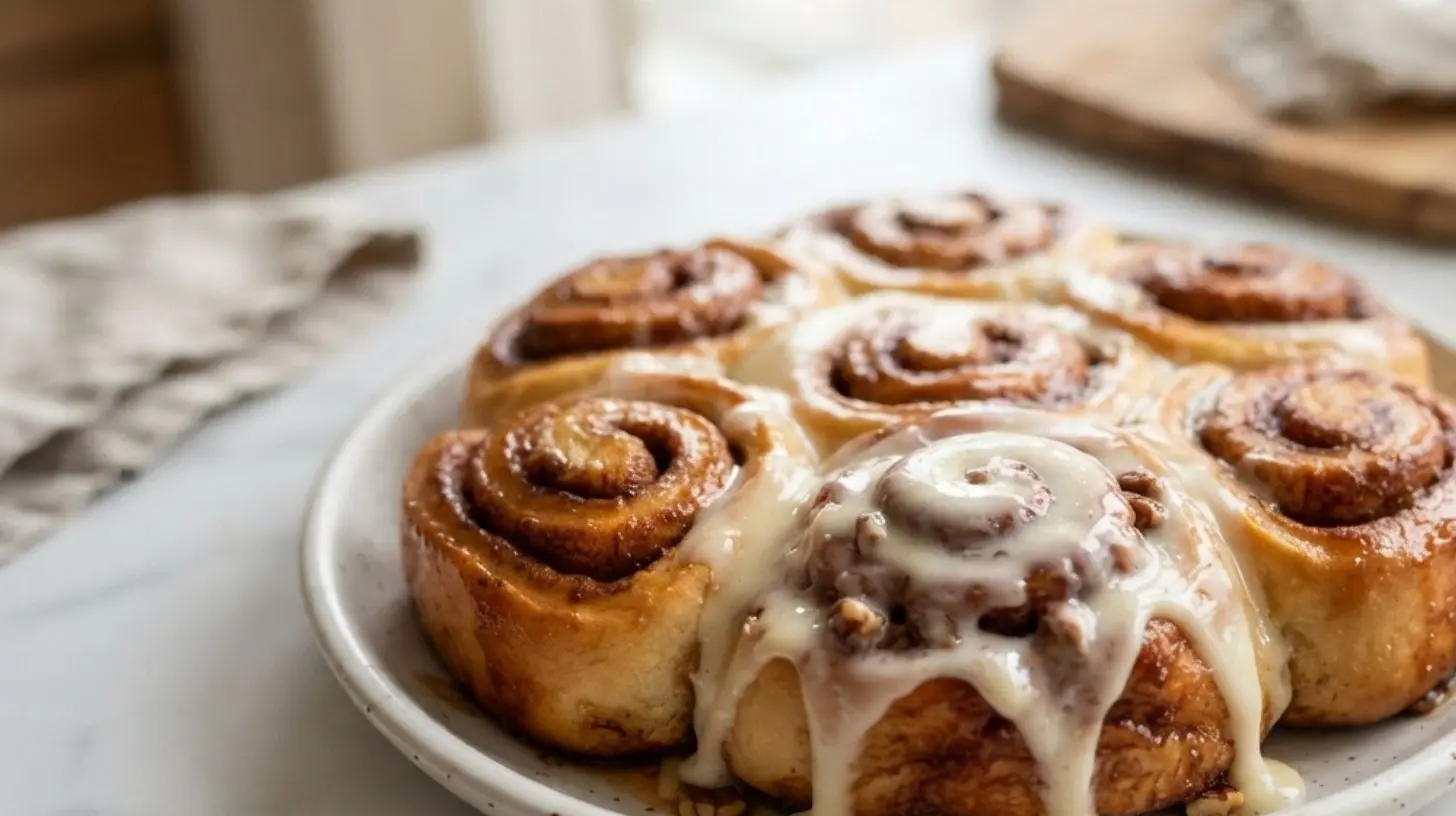
Proven way to grow 3 Cinnamon Rolls
Learn how to make delicious cinnamon rolls from scratch with this easy recipe.
Flour
Yeast
Cinnamon
Sugar
Butter
Milk
Vanilla Extract
Mix flour, yeast, cinnamon, sugar, and milk in a bowl.
Knead the dough until smooth and elastic.
Let the dough rise until doubled in size.
Roll out the dough and spread with butter, cinnamon, and sugar.
Roll up the dough and cut into 3 equal pieces.
The Ultimate Guide to Perfect Homemade Cinnamon Rolls
Have you ever wondered what makes bakery-style cinnamon rolls so irresistibly soft and gooey? The secret lies not in a boxed mix, but in understanding the science of yeast dough and the perfect balance of cinnamon and sugar. Preparing these treats at home isn’t just about saving money—it’s about creating a sensory experience that fills your kitchen with warmth and nostalgia. Whether you are a seasoned baker or a complete beginner, mastering a reliable Cinnamon Rolls recipe from scratch is a valuable skill that rewards you with a breakfast centerpiece or a comforting dessert. The journey begins with a few simple ingredients and a bit of patience, but the result is always worth the effort. For a truly exceptional outcome, following a trusted Cinnamon Roll Recipe ensures you get the perfect texture and flavor every time. Let’s dive into the step-by-step process that will make you the star of your own kitchen.
Ingredients & Kitchen Tools
For the Dough
– 3 ½ cups all-purpose flour (plus extra for dusting) – Use bread flour for a chewier texture.
– 1 packet (2 ¼ tsp) active dry yeast – Ensure it’s fresh for proper rising. Instant yeast can be used without proofing.
– ½ cup warm milk (110°F) – Whole milk adds richness; plant-based milk works as a dairy-free alternative.
– ¼ cup granulated sugar – Feeds the yeast and adds sweetness.
– 1 large egg – Provides structure and moisture. Substitute with a flax egg for vegan versions.
– ¼ cup unsalted butter, melted – Use coconut oil for a dairy-free option.
– 1 tsp salt – Enhances flavor and controls yeast activity.
For the Filling
– ½ cup unsalted butter, softened – Ensures even spreading.
– ¾ cup packed brown sugar – Light or dark brown sugar both work; dark adds deeper molasses notes.
– 2 tbsp ground cinnamon – Freshly ground cinnamon offers the most potent aroma.
– ¼ tsp nutmeg (optional) – Adds warmth and complexity.
For the Cream Cheese Frosting
– 4 oz cream cheese, softened – Full-fat provides the best richness; neufchâtel cheese is a lighter option.
– ¼ cup unsalted butter, softened
– 1 ½ cups powdered sugar
– 1 tsp vanilla extract
– 1-2 tbsp milk – To adjust consistency.
Kitchen Tools
– Stand mixer with dough hook (or a large mixing bowl and wooden spoon)
– Rolling pin
– 9×13-inch baking dish (or two 9-inch round pans)
– Sharp knife or unflavored dental floss (for clean cuts)
– Kitchen thermometer (for milk temperature)
– Plastic wrap or a clean kitchen towel
Prep Time & Cooking Schedule
– Total Time: approximately 2 hours 30 minutes
– Prep Time: 30 minutes (mixing, kneading, and shaping)
– First Rise (Bulk Fermentation): 1 hour – The dough should double in size in a warm, draft-free environment.
– Second Rise (Proofing after shaping): 30-45 minutes – Rolls should puff up and feel pillowy to the touch.
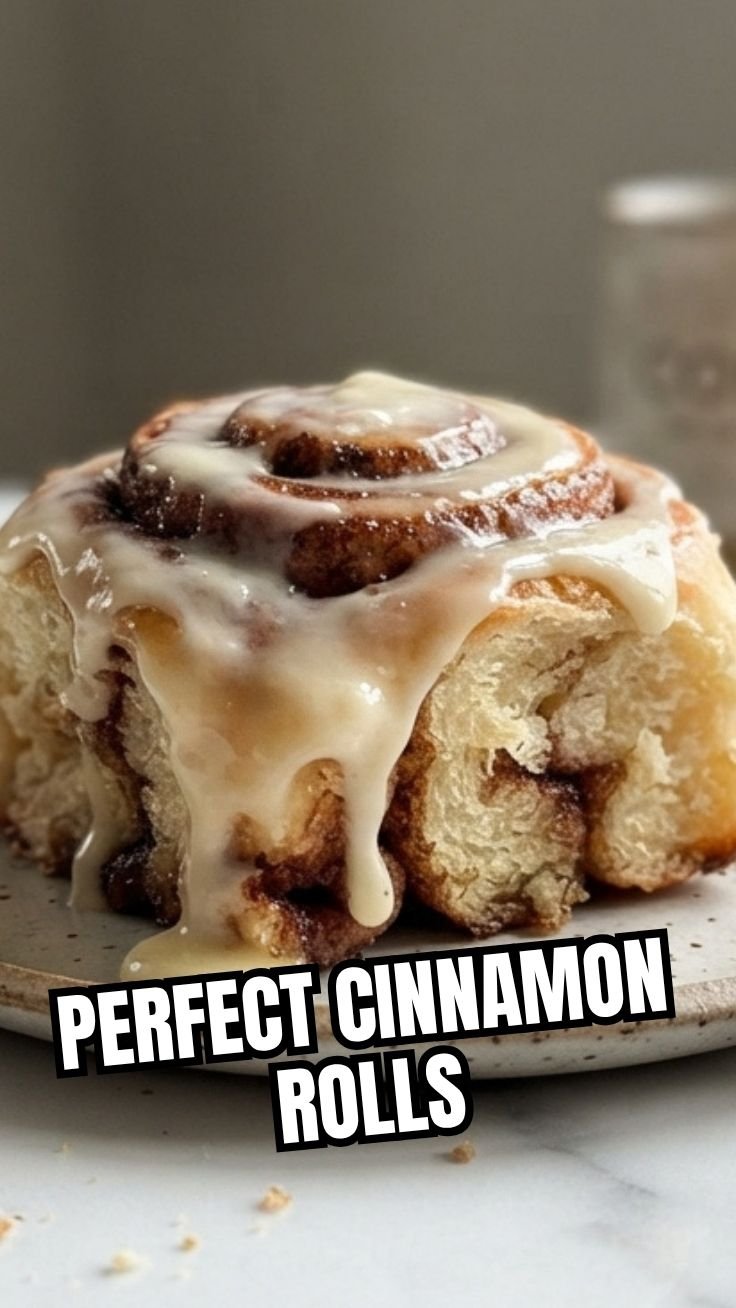
– Baking Time: 20-25 minutes at 350°F (175°C) – The tops should be lightly golden brown.
– Cooling Time: 10 minutes before frosting – This prevents the frosting from melting completely.
Plan ahead: If you want fresh rolls for breakfast, prepare the dough the night before, complete the first rise, shape the rolls, and refrigerate them overnight. In the morning, let them sit at room temperature for 30 minutes before baking. This schedule gives you hot, fresh rolls without the early morning rush.
Step-by-Step Instructions
1. Activate the yeast: In a small bowl, combine warm milk (110°F) and 1 tablespoon of sugar. Sprinkle the yeast on top and let it sit for 5-10 minutes until frothy. If the mixture does not foam, the yeast may be dead—start over with fresh yeast.
2. Mix the dough: In the bowl of a stand mixer, combine the flour, remaining sugar, and salt. Add the yeast mixture, egg, and melted butter. Mix on low speed with the dough hook until a shaggy dough forms, about 2 minutes.
3. Knead: Increase speed to medium-low and knead for 6-8 minutes. The dough should be smooth, elastic, and slightly tacky but not sticky. If it’s too sticky, add flour 1 tablespoon at a time. If too dry, add milk 1 teaspoon at a time.
4. First rise: Place the dough in a lightly greased bowl, cover with plastic wrap, and let it rise in a warm place (like a turned-off oven with the light on) for 1 hour, or until doubled in size.
5. Prepare the filling: While the dough rises, mix softened butter, brown sugar, cinnamon, and nutmeg until smooth and spreadable. This is the heart of any great Cinnamon Rolls recipe—the filling should be cohesive but not runny. Following a specialized Cinnamon Roll Recipe for the filling ratio ensures that gooey center.
6. Shape the rolls: Punch down the dough and turn it onto a lightly floured surface. Roll it into a 12×18-inch rectangle (about ¼-inch thick). Spread the filling evenly over the dough, leaving a ½-inch border on the long edges. Roll the dough tightly from the long side, pinching the seam to seal.
7. Cut and proof: Use a sharp knife or unflavored dental floss to cut the log into 12 equal slices (about 1.5 inches each). Place the rolls in a greased 9×13-inch baking dish, cut-side up. Cover loosely with plastic wrap and let them rise for 30-45 minutes, until the rolls are puffy and touching each other.
8. Bake: Preheat the oven to 350°F (175°C). Bake the rolls for 20-25 minutes, until the tops are golden brown and the center is cooked through. Check internal temperature: 190°F in the center is ideal.
9. Frost: While the rolls bake, make the frosting by beating cream cheese and butter until smooth, then adding powdered sugar and vanilla. Mix until creamy. Let the baked rolls cool for 10 minutes before spreading the frosting. The residual heat will soften the frosting into a luscious glaze.
Nutritional Benefits & Advantages
While cinnamon rolls are a treat, they offer some surprising nutritional highlights when made from scratch. Cinnamon is rich in antioxidants and has anti-inflammatory properties that may help regulate blood sugar levels. Using whole milk and butter provides fat-soluble vitamins A, D, E, and K, which are essential for nutrient absorption. Eggs contribute high-quality protein and choline, supporting brain health. By making them at home, you control the amount of sugar and fat, reducing the processed ingredients found in store-bought versions. A single roll (with frosting) contains approximately 350-400 calories, 12g fat, 55g carbohydrates, and 6g protein. For a lighter version, replace half the all-purpose flour with whole wheat pastry flour and reduce the sugar in the filling by 2 tablespoons.
Tips Variations & Cooking Advice
– Flavor variations: Add ½ cup of chopped pecans or walnuts to the filling for crunch. For a citrus twist, mix 1 tablespoon of orange zest into the dough. Try a chocolate version by adding ¼ cup cocoa powder to the flour and ½ cup mini chocolate chips to the filling.
– Dietary adaptations: For gluten-free, use a 1:1 gluten-free baking flour blend with xanthan gum and add 1 teaspoon of apple cider vinegar to help the dough rise. For dairy-free, substitute butter with vegan butter and cream cheese with a plant-based alternative.
– Cooking method: Use a cast-iron skillet for a rustic look and even heat distribution. If you prefer a softer top, bake the rolls covered with foil for the first 15 minutes, then uncover to brown.
– Portion changes: For mini cinnamon rolls, cut the log into 24 slices and bake in a 9-inch square pan. Reduce baking time to 15-18 minutes.
– Temperature control: If your oven runs hot, place an oven-safe thermometer inside to verify the actual temperature. Bake rolls on the middle rack to avoid burning the bottom.
Common Mistakes to Avoid
– Using cold ingredients: Cold milk will not activate the yeast properly. Always warm liquids to 110°F—too hot (above 130°F) kills the yeast, too cold slows it down.
– Over-kneading the dough: Kneading for more than 10 minutes can develop too much gluten, resulting in tough rolls. The dough should be smooth but not overly elastic.
– Skipping the second rise: Rushing this step leads to dense, flat rolls. The second rise is crucial for that light, airy texture. Wait until the rolls are visibly puffy.
– Over-baking: Dry, brown rolls are a common issue. Start checking at 18 minutes. The rolls are done when the internal temperature reaches 190°F and the center no longer looks doughy.
– Frosting while too hot: Frosting immediately will cause the cream cheese to melt into a puddle. A 10-minute cool-down is essential for a thick, creamy layer.
Storage & Meal Prep Tips
– Refrigeration: Store leftover frosted rolls in an airtight container at room temperature for up to 2 days, or in the refrigerator for up to 5 days. The frosting may become slightly firmer in the fridge.
– Freezing: Unbaked rolls can be frozen after shaping. Place them on a baking sheet, freeze until solid, then transfer to a freezer bag. When ready to bake, thaw overnight in the refrigerator, let them proof at room temperature for 30 minutes, then bake. Baked rolls freeze well for up to 3 months—wrap each roll individually in plastic wrap, then foil.
– Reheating: To restore that fresh-from-the-oven texture, microwave a single roll for 15-20 seconds. For a batch, reheat in a 300°F oven for 5-7 minutes, covered with foil. If the rolls are dry, brush with a little melted butter before reheating.
– Make-ahead tips: Prepare the dough and complete the first rise the night before. Shape the rolls, cover, and refrigerate. In the morning, let them sit at room temperature for 30 minutes while the oven preheats, then bake as directed. This schedule saves you 1-2 hours on baking day.
Conclusion
Mastering homemade pastry is a rewarding journey, and these beautifully soft, gooey Cinnamon Rolls are a testament to the power of simple ingredients and careful technique. The key takeaways are: activate your yeast properly, never rush the rises, and always let the rolls cool slightly before frosting. Whether you stick to this classic method or experiment with a creative Cinnamon Roll Recipe variation, the comforting aroma and delicious taste make every step worthwhile. I encourage you to try this recipe, share your results with friends and family, or explore other comforting baked goods on our site. Your kitchen is about to become everyone’s favorite place to be.
FAQs
1. Can I use instant yeast instead of active dry yeast?
Yes, you can substitute 2 ¼ teaspoons of instant yeast for active dry yeast. Dissolve it directly in the warm milk without proofing, and reduce the first rise time by about 15 minutes. The resulting rolls will be slightly lighter in texture.
2. Why did my cinnamon rolls come out dry and hard?
Over-baking is the most common cause. Check the rolls at 18 minutes and use an instant-read thermometer—the center should be 190°F. Also, ensure you did not add too much flour during kneading. The dough should be tacky, not dry, before the first rise.
3. Can I make the dough without a stand mixer?
Absolutely. Mix the ingredients with a wooden spoon until the dough comes together, then turn it onto a floured surface and knead by hand for 10-12 minutes. The dough is ready when it springs back when poked.
4. How do I prevent the filling from leaking out during baking?
Ensure the butter in the filling is softened but not melted, and spread it evenly to the edges. Roll the dough tightly and pinch the seam firmly. Also, do not over-proof the rolls—if they rise too much, the filling can push out.
5. What is the best way to reheat frozen cinnamon rolls?
For frozen baked rolls, thaw them in the refrigerator overnight. Reheat in a 300°F oven, covered with foil, for 8-10 minutes. For frozen unbaked rolls, thaw in the refrigerator, let them proof at room temperature for 30 minutes, then bake as directed.