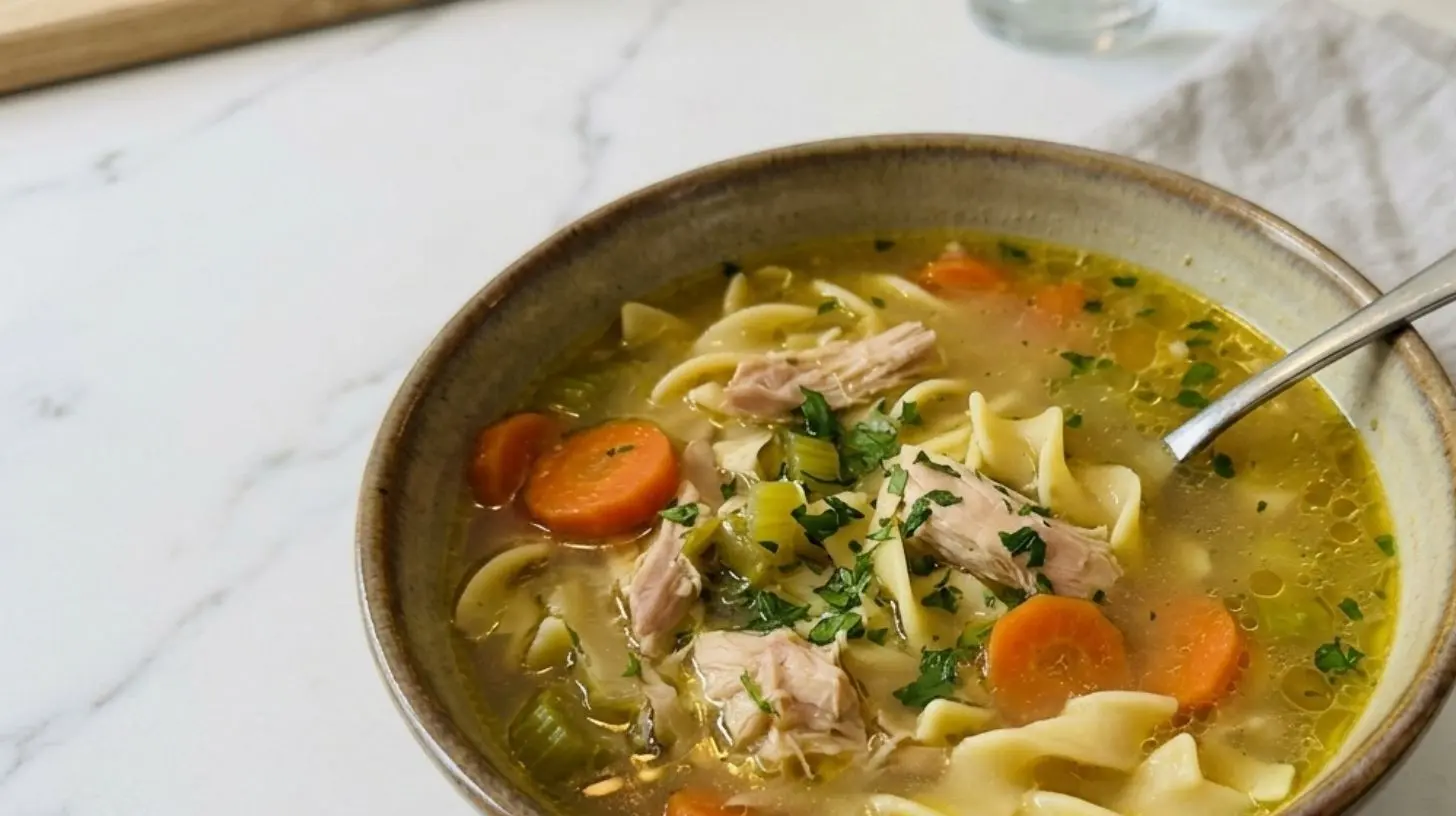
Quick way to grow 15 Chicken Soup recipes
Learn how to make delicious chicken soup in 15 different ways!
Chicken
Carrots
Onion
Celery
Broth
Rice
Dice the chicken into small pieces.
Chop the carrots into small cubes.
Slice the onion thinly.
Chop the celery into small pieces.
Pour the broth into a pot and bring to a boil.
Add the rice to the boiling broth and let it cook.
Mix in all the vegetables and chicken, simmer until everything is cooked through.
The Ultimate Comfort: How to Make the Perfect Slow Cooker Chicken Soup
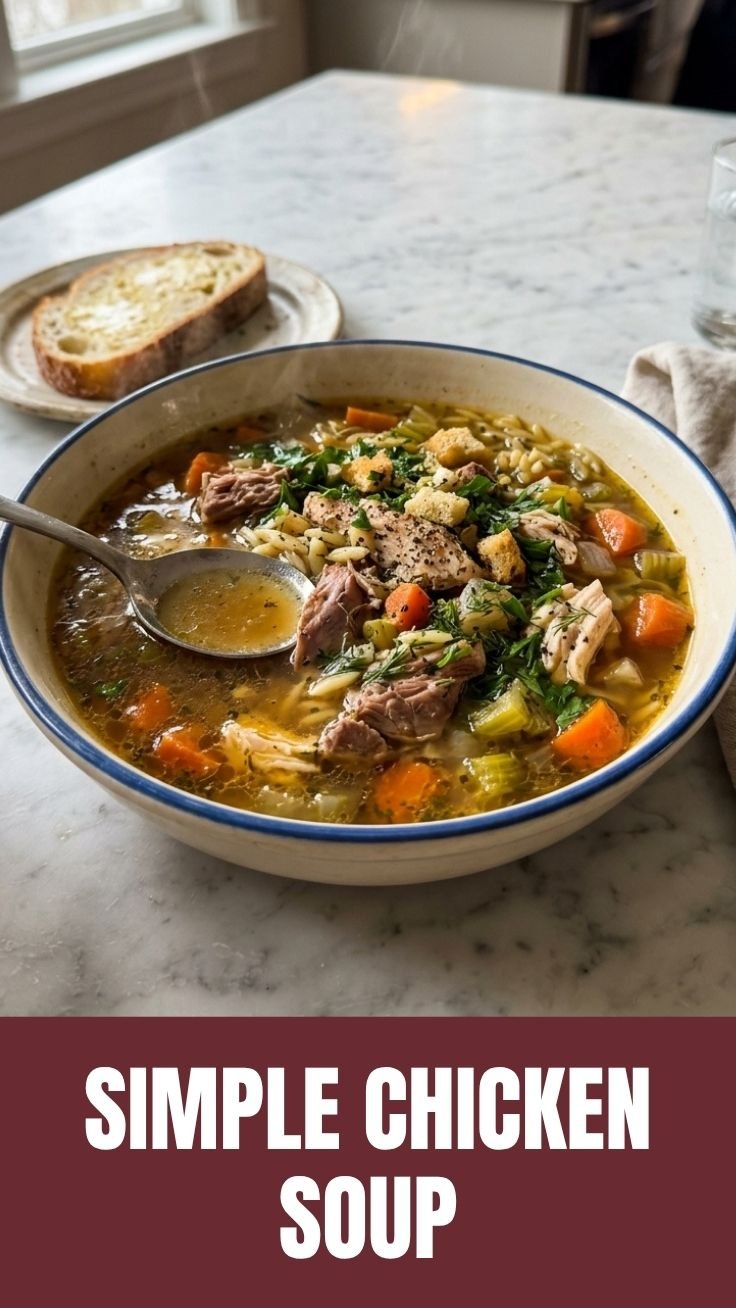
Have you ever wondered why a steaming bowl of homemade soup feels like a warm hug after a long, exhausting day? Is it the aroma of simmering herbs, the tender shreds of protein, or the rich, golden broth that fills your kitchen with an ancient sense of comfort? For many of us, the answer lies in a single, time-honored dish: Slow Cooker Chicken Soup. Preparing this meal at home isn’t just about convenience; it’s a valuable act of self-care that allows you to control the quality of every single ingredient, ensuring a nutrient-dense meal free from preservatives and excessive sodium found in canned varieties. While there are countless ways to enjoy this classic, learning the foundational steps of a slow-cooked version opens the door to exploring a world of diverse chicken soup recipes that you can adapt to your own palate. This guide will walk you through a foolproof method to create a deeply flavorful, restorative broth that is both satisfying and simple to execute.
Ingredients & Kitchen Tools
Essential Ingredients:
– 2 lbs bone-in, skinless chicken thighs or breasts: Provides deep flavor and natural gelatin for a silky broth.
– 4 large carrots, peeled and diced: Adds natural sweetness and beta-carotene.
– 3 celery ribs, diced: Contributes an earthy, slightly bitter flavor base.
– 1 large yellow onion, diced: The aromatic backbone of any great soup.
– 4 cloves garlic, minced: Provides anti-inflammatory properties and savory depth.
– 8 cups low-sodium chicken broth (or water + 2 tbsp Better Than Bouillon): Ensures a balanced, not-too-salty base.
– 2 sprigs fresh thyme (or 1 tsp dried): Adds a woody, floral note.
– 1 bay leaf: Imports a subtle, floral bitterness that deepens over time.
– 1 cup wide egg noodles or small pasta (optional): For a heartier, starch-based version.
– Salt and black pepper, to taste: For final seasoning.
– 1 tbsp fresh lemon juice (added at the end): Brightens the entire broth, mimicking the acidity of a long simmer.
Kitchen Tools:
– Large (6-quart) Slow Cooker: Essential for low-and-slow cooking.
– Chef’s Knife & Cutting Board: For efficient, uniform dicing.
– Fine-Mesh Strainer: For skimming the broth fat or removing solids.
– Ladle: For safe serving.
– Storage Containers (Airtight): For leftovers.
Optional Substitutions:
– Protein Swap: Use boneless, skinless chicken thighs for a creamier texture (add 15 mins to cook time). Use a whole stewing hen for the most collagen-rich broth.
– Noodle Swap: Use cauliflower rice or zucchini noodles for a low-carb, keto-friendly option.
– Broth Swap: Use homemade bone stock if you have it frozen; it will yield a thicker, more gelatinous consistency.
Prep Time & Cooking Schedule
– Prep Time: 15 minutes (dicing vegetables, rinsing chicken).
– Cook Time: 6 hours on LOW (or 3-4 hours on HIGH). Pro Tip: Low and slow is non-negotiable for the best texture; high heat can make the chicken dry and the broth cloudy.
– Resting Time: 5 minutes (after shredding chicken, before serving).
– Total Active Time: 20 minutes.
Step-by-Step Instructions
1. Prepare the Base: Place the diced carrots, celery, onion, and minced garlic directly into the stoneware of your slow cooker. Do not sauté them first—the slow cooker will extract their sweetness gently without caramelization, which keeps the broth clear.
2. Add the Protein: Nestle the bone-in, skinless chicken thighs directly on top of the vegetables. Do not remove the bones—they are the primary source of deep, gelatinous body. The bones and cartilage will release collagen, which gives this Chicken Soup its signature silky mouthfeel.
3. Pour the Liquid: Add the 8 cups of broth (or water and base). Make sure the liquid covers the chicken by at least 1/2 inch. If using water, be prepared to add a teaspoon of salt at the end to compensate for the lack of broth sodium.
4. Season & Herbs: Drop in the fresh thyme sprigs and the bay leaf. Do not add salt yet—the bones will release natural minerals, and salting early can lead to over-seasoning as the liquid reduces.
5. Slow Cook: Cover the slow cooker with the lid firmly. Cook on LOW for 6 hours. Resist the urge to open the lid during the first 4 hours; every time you lift it, you lose 20 minutes of cooking time and a significant amount of heat.
6. Shred & Finish: After 6 hours, use tongs to remove the chicken bones. They should be falling apart. Discard the bones, thyme sprigs, and bay leaf. Shred the chicken meat directly into the pot using two forks. Texture Cue: The chicken should pull apart with almost zero resistance. If it feels tough, cook another 30 minutes.
7. Noodle Activation (Optional): If using egg noodles, cook them separately on the stovetop in salted water (al dente). Add them only to your serving bowl, not the pot. If stored in the pot, the noodles will absorb all the broth and turn into mushy paste overnight.
8. Final Touch: Just before serving, stir in the fresh lemon juice. This single step lifts the entire flavor profile and brings out the herbal notes. Taste and adjust salt with a final pinch of sea salt.
9. Serve: Ladle the hot soup into deep bowls. Garnish with fresh chopped parsley and a crack of black pepper. This is where you can explore various chicken soup recipes by adding a pinch of cayenne for heat or a handful of spinach for color.
Nutritional Benefits & Advantages
This slow cooker method offers significant health advantages beyond flavor. A single serving (about 1.5 cups) provides approximately 25 grams of protein from the chicken, which supports muscle repair and satiety. The slow-cooked bone-knuckles release glucosamine and chondroitin sulfate, compounds that support joint health and reduce inflammation. Carrots and celery are rich in Vitamin A and antioxidants, while the garlic provides allicin, a natural anti-inflammatory compound that can help reduce blood pressure. Because this recipe uses minimal added fats and relies on broth, it is naturally low in saturated fat and is a great source of hydration—perfect for recovery from illness or maintaining gut health.
Tips Variations & Cooking Advice
– Flavor Variation: Asian-Inspired: Swap the thyme for 2 inches of fresh ginger and 1 star anise. Add a tablespoon of fish sauce at the end for umami. Omit the noodles and serve over jasmine rice.
– Cooking Method Swap (Instant Pot): To make this in a pressure cooker, select “Poultry/High Pressure” for 20 minutes. Use the natural release for 15 minutes to keep the broth clear.
– Portion Changes: For a lower-calorie version, double the celery and carrots to 6 cups, which bulks the soup with fiber while reducing the calorie density.
– Dietary Adaptations:
– Gluten-Free: Simply omit the egg noodles. The broth is naturally gluten-free.
– Dairy-Free: This recipe is naturally dairy-free. Avoid adding cream (which can curdle in a slow cooker).
– Slow Cooker Hack: If you want a thicker, stew-like consistency, mash 1/2 cup of the cooked carrots and onions with a fork and stir them back in before serving.
Common Mistakes to Avoid
1. Overcrowding the Pot: Do not fill the slow cooker more than 2/3 full. A full pot will not circulate heat properly, leading to uneven cooking and a flat-tasting broth.
2. Adding Raw Noodles: Never add raw pasta to the slow cooker. It will become a starchy, gummy mess. Cook it separately and add it directly to the bowl.
3. Forgetting the Acid: If your broth tastes flat or “one-note,” you likely forgot the lemon juice or a splash of vinegar. Acid is the bridge that connects the fat and salt.
4. Using Boneless, Skinless Breasts: While lean, they can become dry and flavorless in a slow cooker. Bone-in thighs are more forgiving and provide a richer mouthfeel.
5. Over-Seasoning Early: Salt during cooking can intensify as the broth reduces. Always finish with salt at the end, after you’ve added the lemon juice.
Storage & Meal Prep Tips
– Refrigeration: Store the soup (without noodles) in airtight containers for up to 4 days. The flavor will deepen significantly on days 2 and 3.
– Freezing: This soup freezes beautifully for up to 3 months. Crucial Step: Cool it completely in the fridge first (to prevent thermal shock), then transfer to freezer-safe bags. Leave 1 inch of headspace for expansion.
– Reheating: For best texture, reheat on the stovetop over medium-low heat, stirring occasionally. Avoid the microwave, as it can make the gelatinous broth separate unevenly. If freezing, do not add the noodles—cook fresh ones when you reheat.
– Grease Skimming Tip: After refrigeration, a layer of congealed fat will form on top. Simply scrape it off with a spoon before reheating to reduce calories and keep the broth clear.
Conclusion
Creating a deeply flavorful Slow Cooker Chicken Soup from scratch is one of the most rewarding culinary projects you can undertake. It requires minimal active effort but delivers maximum reward in terms of flavor, nutrition, and comfort. By following the steps to prioritize bone-in protein, slow cooking over high heat, and adding a final splash of lemon juice, you ensure that this Chicken Soup becomes a cornerstone of your home cooking repertoire. This foundational technique also opens the door to endless creativity, allowing you to adapt it into different chicken soup recipes that suit your mood or dietary needs. Whether you are nursing a cold, meal-prepping for a busy week, or simply seeking a quiet moment of solace, this recipe is your guide. Try this method tonight, and share your results or questions in the comments below—we’d love to know which variation you decided to explore first.
FAQs
Q1: Can I use frozen chicken instead of fresh?
A: Yes, but you must thaw it completely first to avoid lowering the pot’s temperature below the safe zone. Frozen chicken can cause the cooking time to extend by 2-3 hours. Do not add frozen chicken straight to the pot.
Q2: My broth is too watery—how do I fix it?
A: This usually means you used too much liquid or did not use enough bones. For a fix, make a “roux” by mashing 1/2 cup of the cooked vegetables with a fork and stirring them back in. Alternatively, simmer the strained broth on the stovetop uncovered for 15 minutes to reduce it by volume.
Q3: Why is my chicken tough?
A: Two main culprits: (1) You cooked it on HIGH instead of LOW. (2) You used boneless, skinless breasts—these dry out easily. Use bone-in thighs for the most forgiving texture.
Q4: Can I add potatoes or other root vegetables?
A: Yes, but add them in the first hour. Potatoes and parsnips are dense and need the full 6 hours to soften. Add them in 1-inch cubes to ensure even cooking.
Q5: How do I store leftover pasta/noodles separately?
A: Always cook the pasta separately and store it in a different container. Never combine them until serving. This prevents the starches from leaching into the broth and making it cloudy.
Quick way to grow 15 Chicken Soup recipes
Equipment
- Large Stockpot
- Measuring Cups
- Measuring Spoons
- Ladle
Ingredients
Basic Chicken Soup Ingredients
- 15 cups chicken broth
- 5 cups cooked chicken shredded
- 5 cups mixed vegetables
- 3 cups noodles or rice
- herbs and spices to taste
Instructions
General Preparation for Each Recipe
- For each recipe, start by heating one cup of chicken broth in a pot.
- Add approximately one-third cup of shredded cooked chicken and one-third cup of mixed vegetables to the simmering broth.
- Stir in about one-fifth cup of noodles or rice, then season with your preferred herbs and spices.
- Cook until the ingredients are heated through and the noodles or rice are tender, adjusting seasonings as needed.