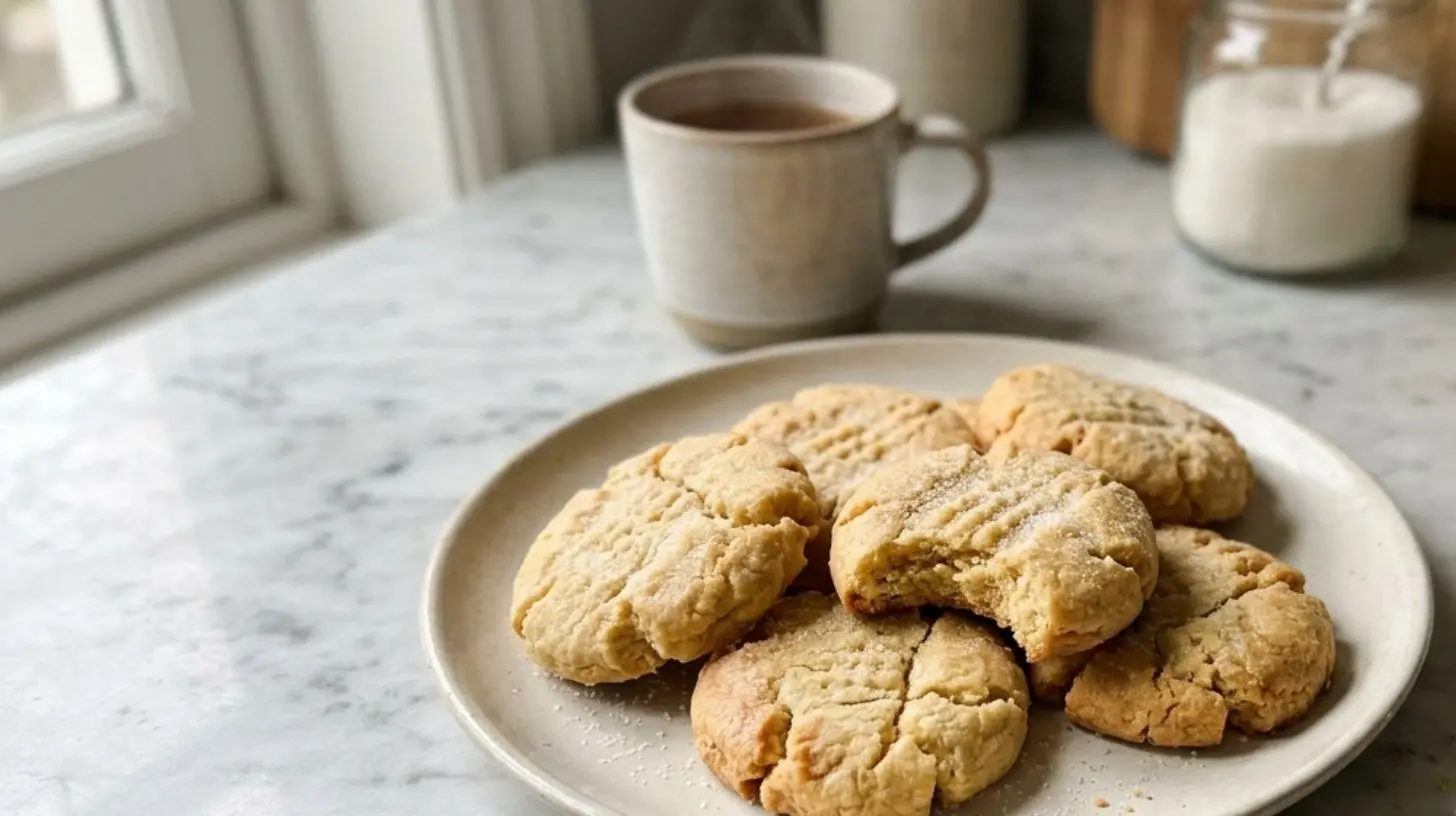
Best way to grow 3 Shortbread Cookies
Learn how to make delicious shortbread cookies from scratch.
Flour
Butter
Sugar
Vanilla Extract
Salt
Mix flour and sugar in a bowl.
Add butter and vanilla extract, then mix well.
Shape dough into 3 small cookies.
Bake in oven at 350°F for 10-12 minutes.
The Ultimate Guide to Perfect Shortbread Cookies: Buttery, Crumbly, and Irresistible
Have you ever bitten into a cookie that melts on your tongue, leaving a rich, buttery warmth and a delicate sweetness that lingers? That’s the magic of a well-made Shortbread Cookies—a timeless classic that transforms simple ingredients into something extraordinary. Whether you’re a seasoned baker or a curious beginner, preparing shortbread cookies at home offers unmatched control over flavor, texture, and quality. You can avoid preservatives, adjust sweetness to your taste, and create a batch that’s fresher than anything from a store. Today, we’ll dive deep into the art of crafting the perfect butter shortbread, a variation that elevates the classic with an extra dose of richness. By the end of this guide, you’ll understand why this recipe is a must-try for anyone who loves baking.
Ingredients & Kitchen Tools
Required Ingredients
– 1 cup unsalted butter (2 sticks) – At room temperature. Using high-fat European-style butter enhances the richness of your shortbread cookies.
– ½ cup powdered sugar – Powdered sugar dissolves more easily than granulated, ensuring a smooth, melt-in-your-mouth crumb.
– 2 cups all-purpose flour – A low-protein flour (8–10%) keeps the cookies tender. Avoid bread flour.
– ¼ teaspoon salt – Fine sea salt balances the sweetness and highlights the butter flavor.
– 1 teaspoon vanilla extract – Pure vanilla adds aromatic depth. You can substitute with almond extract for a nutty twist.
– Optional: ½ cup finely chopped nuts or dried fruit – For texture variations (e.g., almonds, cherries, or pistachios).
Essential Kitchen Tools
– Mixing bowls (medium and large)
– Electric hand mixer or stand mixer with paddle attachment
– Measuring cups and spoons
– Rubber spatula
– Rolling pin (optional, for slice-and-bake method)
– Parchment paper
– Baking sheet (rimmed or flat)
– Wire cooling rack
– Plastic wrap (for chilling dough)
Substitutions & Notes
– Dairy-free: Use high-quality vegan butter (e.g., Miyoko’s) and check that your powdered sugar is vegan. The texture may be slightly less crumbly.
– Gluten-free: Replace all-purpose flour with a 1:1 gluten-free baking blend containing xanthan gum. Bake 2–3 minutes longer.
– Sugar swap: For a deeper caramel note, substitute half the powdered sugar with light brown sugar (sifted to remove lumps).
Prep Time & Cooking Schedule
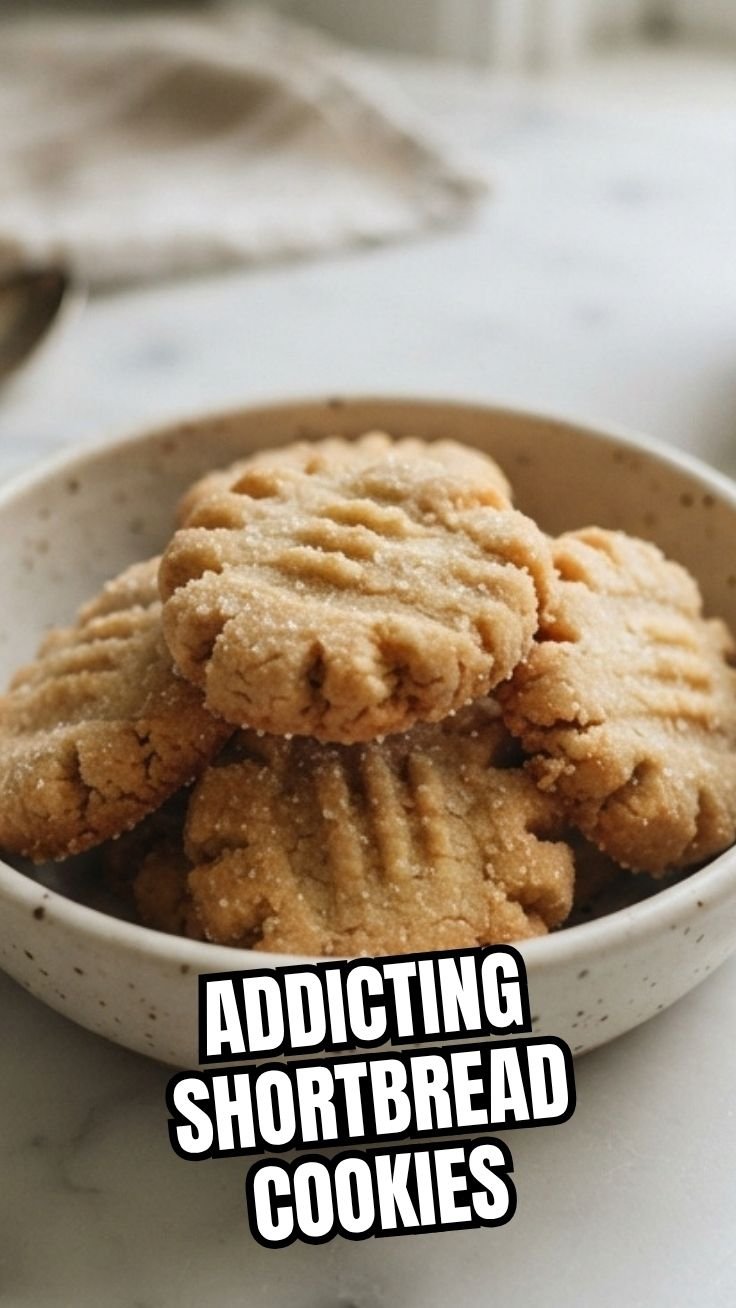
– Prep Time: 15 minutes (creaming butter and sugar, mixing dough)
– Chill Time: 30–60 minutes (essential for preventing spread and developing the signature crumb)
– Bake Time: 12–15 minutes at 325°F (163°C)
– Cool Time: 10 minutes on the baking sheet, then transfer to a wire rack
Planning Tip: You can prepare the dough the night before. Wrap it tightly in plastic wrap and refrigerate for up to 3 days. Let it sit at room temperature for 10 minutes before shaping. This schedule means you can have warm cookies on the table in under an hour from start to finish—perfect for unexpected guests or a quick dessert craving.
Step-by-Step Instructions
1. Cream the butter and sugar. In a large mixing bowl, beat the softened unsalted butter with powdered sugar on medium speed until light and fluffy (about 3 minutes). Scrape down the sides. Pro tip: Do not over-cream; you want air incorporated, but too much air can make the cookies puff and lose their dense, buttery texture.
2. Add vanilla and salt. Mix in the vanilla extract and salt until just combined.
3. Incorporate the flour gradually. Add the all-purpose flour in two additions, mixing on low speed until a soft dough forms. Stop as soon as no dry streaks remain. Over-mixing develops gluten, leading to tough shortbread cookies.
4. Chill the dough. Shape the dough into a disc about 1 inch thick, wrap in plastic wrap, and refrigerate for 30 minutes. This step is non-negotiable: chilling solidifies the fat, preventing the cookies from spreading too much during baking. For a truly tender butter shortbread, patience here pays off.
5. Preheat and shape. Preheat your oven to 325°F (163°C) and line a baking sheet with parchment. Roll the chilled dough to ¼-inch thickness between two sheets of parchment (or use your hands to press into a rectangle). Cut into desired shapes using cookie cutters or a knife. For classic shortbread fingers, cut into 1×3-inch rectangles.
6. Bake. Place shaped cookies 1 inch apart on the prepared baking sheet. Bake for 12–15 minutes, rotating the pan halfway through. The edges should be just barely golden, while the centers remain pale. Texture cue: The cookies will feel soft when you touch them; they firm up as they cool.
7. Cool completely. Transfer the baking sheet to a wire rack and let the cookies cool for 10 minutes. Then move them directly to the rack to finish cooling. This prevents sogginess on the bottom.
Nutritional Benefits & Advantages
While shortbread cookies are a treat, they offer nutritional perks when made with quality ingredients. Butter provides fat-soluble vitamins A, D, E, and K, as well as conjugated linoleic acid (CLA), which may support immune health. The simple composition (butter, sugar, flour) avoids artificial additives common in commercial cookies. Opting for unsalted butter lets you control sodium. Additionally, if you use whole-wheat pastry flour (a swap for ¼ of the all-purpose flour), you add fiber and minerals like magnesium. The moderate portion size—one cookie—can satisfy a sweet craving without overloading sugar, especially if you reduce the powdered sugar by 1–2 tablespoons without sacrificing structure.
Tips Variations & Cooking Advice
– Flavor variations: Add 1 tablespoon of lemon zest or orange zest for a citrusy twist. For a chocolate version, replace ¼ cup flour with cocoa powder (unsweetened). Swirl in raspberry jam before baking for a fruit-forward butter shortbread.
– Dietary adaptations: To make dairy-free, use coconut oil or vegan butter (but note: coconut oil yields a slightly firmer crumb). For gluten-free, a 1:1 measure-for-measure blend works beautifully—just chill for 60 minutes.
– Alternative methods: Instead of rolling and cutting, shape the dough into a log (2 inches in diameter), wrap, chill, then slice into rounds. This “slice-and-bake” method is perfect for consistent sizes.
– Portion changes: Make thumbprint cookies by pressing an indent in each ball and filling with jam or chocolate ganache after baking.
– Temperature advice: If your kitchen is warm, chill the shaped cookies for 10 minutes in the freezer before baking to prevent spreading.
Common Mistakes to Avoid
| Mistake | How to Fix |
|——–|————|
| Cookies spread too much | Dough was too warm; chill for at least 30 minutes. Also, ensure you measured flour correctly (spoon and level, don’t scoop). |
| Tough or dry cookies | Over-mixed dough or too much flour. Mix only until combined, and use a kitchen scale for accuracy. |
| Burnt edges but raw centers | Oven temperature too high. Bake at 325°F and use an oven thermometer to verify. |
| Greasy texture | Butter too soft or not creamed enough. Use room-temperature butter (65–68°F) and cream thoroughly. |
| Cookies stick to pan | Always use parchment paper or a silicone mat. Never grease the pan. |
Storage & Meal Prep Tips
– Room temperature: Place completely cooled shortbread cookies in an airtight container with a layer of parchment between stacks. They stay fresh for up to 7 days. Add a slice of bread to the container to absorb excess humidity (replace the bread every 2 days).
– Refrigeration: In an airtight container, they last 2 weeks. Bring to room temperature before serving to restore the crumbly texture.
– Freezing: Unbaked dough (wrapped in plastic, then foil) keeps for 3 months. Baked cookies freeze well for up to 2 months. Thaw at room temperature for 15 minutes. To re-crisp, place them in a 300°F oven for 3–5 minutes.
– Meal prep: Make a double batch of dough and freeze in logs. Slice and bake directly from frozen, adding 2–3 minutes to the bake time.
Conclusion
Mastering homemade shortbread cookies is a skill that rewards you with melt-in-your-mouth bliss every time. By following the steps above—especially chilling the dough and using high-quality butter—you’ll achieve that iconic crumbly yet tender texture that defines a true butter shortbread. Remember, the key lies in simplicity: patience with chilling, minimal handling, and a gentle hand in mixing. Whether you enjoy them plain, dipped in chocolate, or adorned with jam, these cookies are a blank canvas for creativity. We encourage you to bake a batch this weekend, share your results (tag us on social media), or experiment with the variations we’ve suggested. Happy baking—and may your kitchen smell like pure butter and joy!
FAQs
1. Can I use salted butter and skip the added salt?
Yes. If using salted butter, omit the ¼ teaspoon salt. However, the flavor may be slightly less balanced because salted butter’s salt content varies. For consistency, unsalted butter is recommended.
2. Why did my cookies turn out pale and soft, not golden?
They may be underbaked. Shortbread should be lightly golden at the edges. If they’re pale all over, bake 2–3 minutes longer. Also, ensure your oven temperature is accurate (use an oven thermometer).
3. Can I substitute granulated sugar for powdered sugar?
Technically yes, but the texture will be grainier and the cookies less tender. Powdered sugar contains cornstarch, which contributes to the delicate crumb. If using granulated, pulse it in a food processor to make it finer.
4. How do I make my shortbread cookies extra buttery?
Use European-style butter (82–85% butterfat) like Plugrá or Kerrygold. You can also add 1 teaspoon of milk powder to the dry ingredients for a subtle dairy boost.
5. My dough is too crumbly to roll—what went wrong?
The dough likely lacks enough hydration. If it won’t hold together, add 1–2 teaspoons of cold water or milk, mixing gently. Also, ensure your butter is properly softened—if too cold, it won’t incorporate fully.