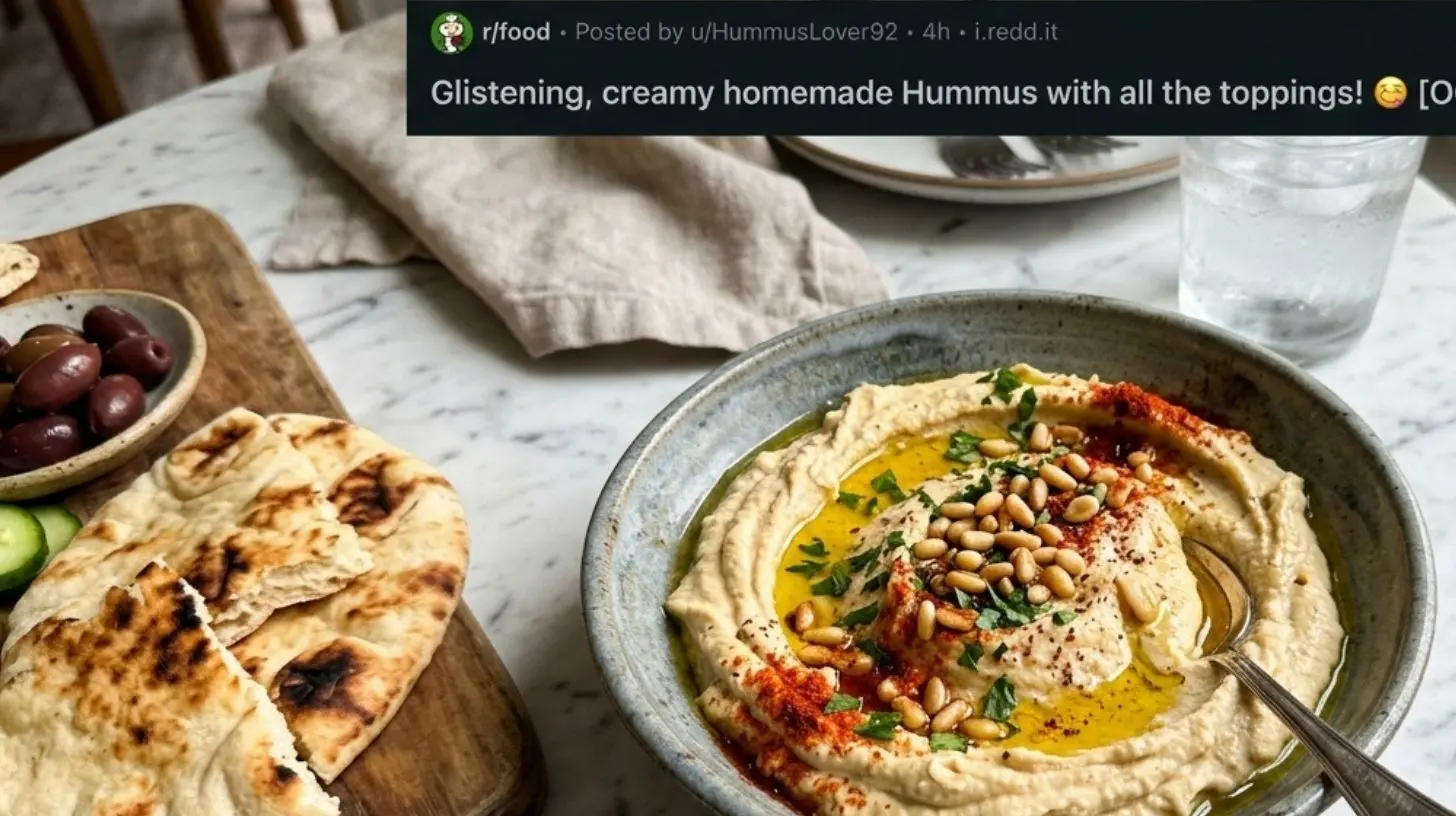
Quick way to grow, Master Hummus: 5 Key Recipes
Learn how to make 5 delicious hummus recipes to become a hummus master!
Chickpeas
Tahini
Lemon Juice
Garlic
Olive Oil
Peel and crush garlic cloves.
Drain and rinse chickpeas.
Blend chickpeas, tahini, lemon juice, garlic, and olive oil in a food processor.
Scoop hummus into a bowl and garnish with olive oil and paprika.
How to Make a Perfect Mediterranean Quinoa Bowl with Hummus and Guacamole
Have you ever wondered how to turn a simple bowl of grains into a restaurant‑worthy meal that’s both nourishing and bursting with flavor? The secret lies in two iconic dips: creamy Hummus and zesty Guacamole. Making this dish at home not only saves you money but also lets you control the quality of every ingredient. A well‑made hummus provides a silky, protein‑packed base, while fresh guacamole adds a bright, creamy counterpoint. Together, they transform a humble quinoa bowl into a satisfying, nutrient‑dense meal that works for lunch, dinner, or meal prep.
Ingredients & Kitchen Tools
For the Bowl
– 1 cup quinoa – Rinse well to remove bitterness; use tri‑color for visual appeal.
– 2 cups water or vegetable broth – Broth adds depth, water keeps it neutral.
– 1 large cucumber – Chopped; English cucumber has fewer seeds.
– 1 cup cherry tomatoes – Halved; swap with Roma if preferred.
– ¼ cup red onion – Thinly sliced or pickled for sharpness.
– Fresh parsley or mint – For garnish; optional but brightens the dish.
For Hummus (or use store‑bought)
– 1 can (15 oz) chickpeas – Drained and rinsed; reserve a bit of liquid.
– ¼ cup tahini – Stir well before measuring.
– 3 tbsp lemon juice – Fresh is best.
– 1 small garlic clove – Reduce if sensitive.
– 2–3 tbsp ice water – Helps achieve ultra‑smooth texture.
– Salt, cumin, and a drizzle of olive oil – To taste.
For Guacamole
– 2 ripe avocados – Slightly soft to the touch.
– 1 lime – Juice only.
– ¼ cup finely diced red onion – Or white onion.
– 1 small jalapeño – Seeded and minced (optional).
– Fresh cilantro – Chopped; about 2 tbsp.
– Salt and pepper – To taste.
Kitchen Tools
– Medium saucepan (for quinoa)
– Food processor or high‑speed blender (for hummus)
– Mixing bowl and fork or potato masher (for guacamole)
– Cutting board, chef’s knife, measuring cups/spoons
– Colander (for rinsing quinoa and chickpeas)
Optional Substitutions
– Quinoa → brown rice, farro, or cauliflower rice (low‑carb)
– Tahini → sunflower seed butter (nut‑free hummus)
– Chickpeas → white beans (sweeter hummus)
– Avocado → edamame mash (for a different twist)
Prep Time & Cooking Schedule
– Prep time: 15 minutes (washing, chopping, measuring)
– Cook time: 20 minutes (quinoa and hummus)
– Resting time: 5 minutes (for quinoa to fluff)
– Total time: 40 minutes
Cook the quinoa first while you prepare the hummus and guacamole. The quinoa needs to cool slightly before assembling the bowl, so timing works perfectly if you start with it. If using store‑bought hummus, you can cut the active time to 10 minutes.
Step‑by‑Step Instructions
1. Cook the quinoa. Rinse 1 cup quinoa in a fine‑mesh sieve under cold water. Add to a saucepan with 2 cups water (or broth) and a pinch of salt. Bring to a boil, then reduce heat to low, cover, and simmer for 15 minutes. Remove from heat and let stand covered for 5 minutes. Fluff with a fork and let cool slightly.
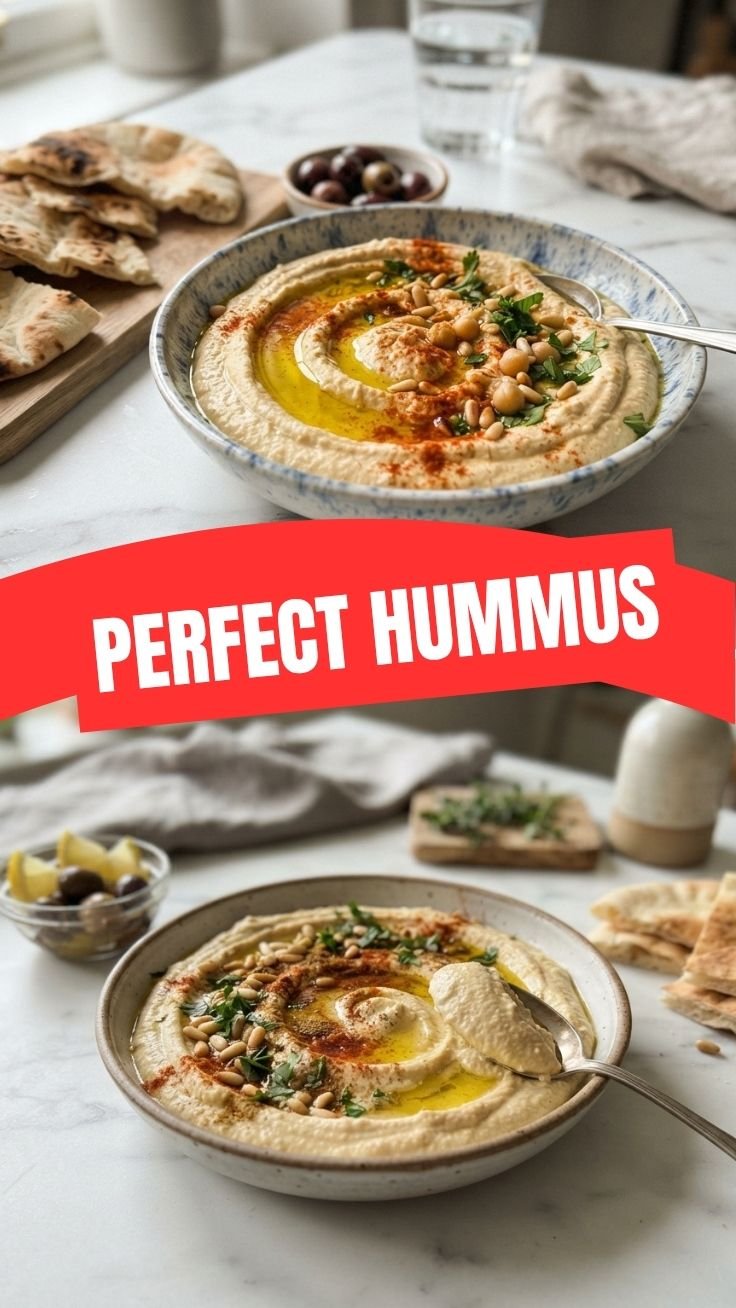
2. Make the hummus. Drain and rinse the chickpeas. Add them to a food processor with ¼ cup tahini, 3 tbsp lemon juice, 1 garlic clove, and ¼ tsp salt. Blend until smooth, scraping down the sides. With the motor running, drizzle in 2–3 tbsp ice water until the hummus is light and creamy. Taste and adjust salt, lemon, or cumin. For a perfect hummus, let it sit for 10 minutes to allow flavors to meld. A swirl of guacamole later will contrast nicely with the earthy chickpeas.
3. Prepare the guacamole. Halve and pit the avocados. Scoop the flesh into a bowl. Add lime juice, red onion, jalapeño, cilantro, and a pinch of salt. Mash with a fork to your desired consistency – chunky or smooth. Taste and adjust seasoning. Cover tightly with plastic wrap pressed directly onto the surface to prevent browning while you assemble.
4. Assemble the bowls. Divide the quinoa among serving bowls. Top with cucumber, cherry tomatoes, and red onion. Add generous dollops of hummus and guacamole. Drizzle with olive oil (optional), sprinkle with fresh herbs, and serve immediately or refrigerate for meal prep.
Pro tips: For a warm bowl, keep the quinoa slightly warm and serve the dips at room temperature. If the hummus is too thick, blend in more ice water one teaspoon at a time. For guacamole, use avocados that yield gently to pressure – not mushy or rock‑hard.
Nutritional Benefits & Advantages
This bowl is a powerhouse of balanced nutrition. Hummus provides plant‑based protein, fiber, and healthy fats from tahini and olive oil, while guacamole delivers heart‑healthy monounsaturated fats, vitamin E, and potassium. Quinoa is a complete protein containing all nine essential amino acids, plus manganese and magnesium. Together, these ingredients support sustained energy, digestive health, and satiety. The dish is naturally vegan, gluten‑free, and dairy‑free, making it suitable for many dietary needs. Adding cucumber and tomatoes boosts hydration and vitamin C intake.
Tips, Variations & Cooking Advice
– Flavor variations: Add roasted red pepper or sun‑dried tomatoes to the hummus. Spice up the guacamole with a pinch of cayenne or smoked paprika.
– Ingredient swaps: Replace quinoa with couscous or bulgur for a quicker grain. Use Greek yogurt instead of tahini in the hummus (though it won’t be vegan).
– Cooking methods: For a no‑cook version, use pre‑cooked quinoa from the freezer or canned chickpeas and skip cooking entirely.
– Dietary adaptations: For oil‑free hummus, skip the olive oil drizzle and use an extra splash of aquafaba (chickpea liquid). The bowl is already gluten‑free and dairy‑free.
– Portion changes: Double the quinoa and veg for a larger meal, or reduce grains and increase the dips for a low‑carb option.
Common Mistakes to Avoid
– Overcooking quinoa – Leads to a mushy texture. Use a 2:1 liquid‑to‑quinoa ratio and never lift the lid while simmering.
– Hummus too thick or grainy – Forgot the ice water or didn’t blend long enough. Run the food processor for a full 2 minutes, and add water gradually until silky.
– Guacamole turning brown – Exposed to air. Press plastic wrap directly onto the surface, or add a thin layer of water over the top before sealing (pour off before serving).
– Using cold ingredients – Cold hummus or guacamole can mute flavors. Bring dips to room temperature for 15 minutes before serving.
– Skipping the rinse for quinoa – Leaving saponins causes a bitter taste. Always rinse thoroughly.
Storage & Meal Prep Tips
– Storage: Keep components separate in airtight containers. Hummus stays fresh in the fridge for up to 5 days; guacamole is best within 1–2 days (press plastic wrap onto the surface to delay browning).
– Freezing: Hummus freezes beautifully for up to 3 months – thaw in the fridge overnight and stir before serving. Guacamole does not freeze well due to texture changes.
– Quinoa: Store cooked quinoa in the refrigerator for up to 5 days or freeze for up to 2 months.
– Reheating: To maintain texture, reheat quinoa in a microwave with a damp paper towel for 30 seconds, or in a skillet with a splash of water. Do not microwave the dips.
– Meal prep – Assemble bowls without guacamole (add fresh) and store dressing separately. For lunches, pack guacamole in a small container with lime juice to slow oxidation.
Conclusion
Bringing together hummus and guacamole in one bowl creates a truly memorable meal that satisfies on every level – creamy, crunchy, tangy, and savory. Whether you prepare these dips from scratch or use high‑quality store‑bought versions, the combination is endlessly adaptable and perfect for busy weeknights or relaxed weekend lunches. I encourage you to experiment with your favorite toppings and share your creations with friends. For more inspiration, check out the linked recipes for classic hummus and guacamole to master each component.
FAQs
1. Can I make this bowl oil‑free?
Yes. Omit the olive oil drizzle in the hummus and replace with extra aquafaba or water. The guacamole already provides healthy fats from avocado.
2. How do I fix hummus that’s too garlicky?
Add a squeeze of lemon juice, a pinch of sugar, or more tahini to balance the sharpness. Let it rest for 10 minutes – flavors mellow over time.
3. My guacamole turned brown overnight. Is it still safe to eat?
Yes, it’s just oxidized. Scrape off the top layer or stir it in – the taste is still fine. To prevent it next time, add extra lime and press plastic wrap directly onto the surface.
4. Can I use frozen quinoa?
Absolutely. Cook a large batch and freeze in portions for up to 2 months. Thaw in the fridge or microwave straight from frozen with a splash of water.
5. What’s the best way to soften tahini for hummus?
Stir the tahini well before measuring. If it’s too thick, warm the jar in a bowl of hot water for 5 minutes, then whisk until smooth.