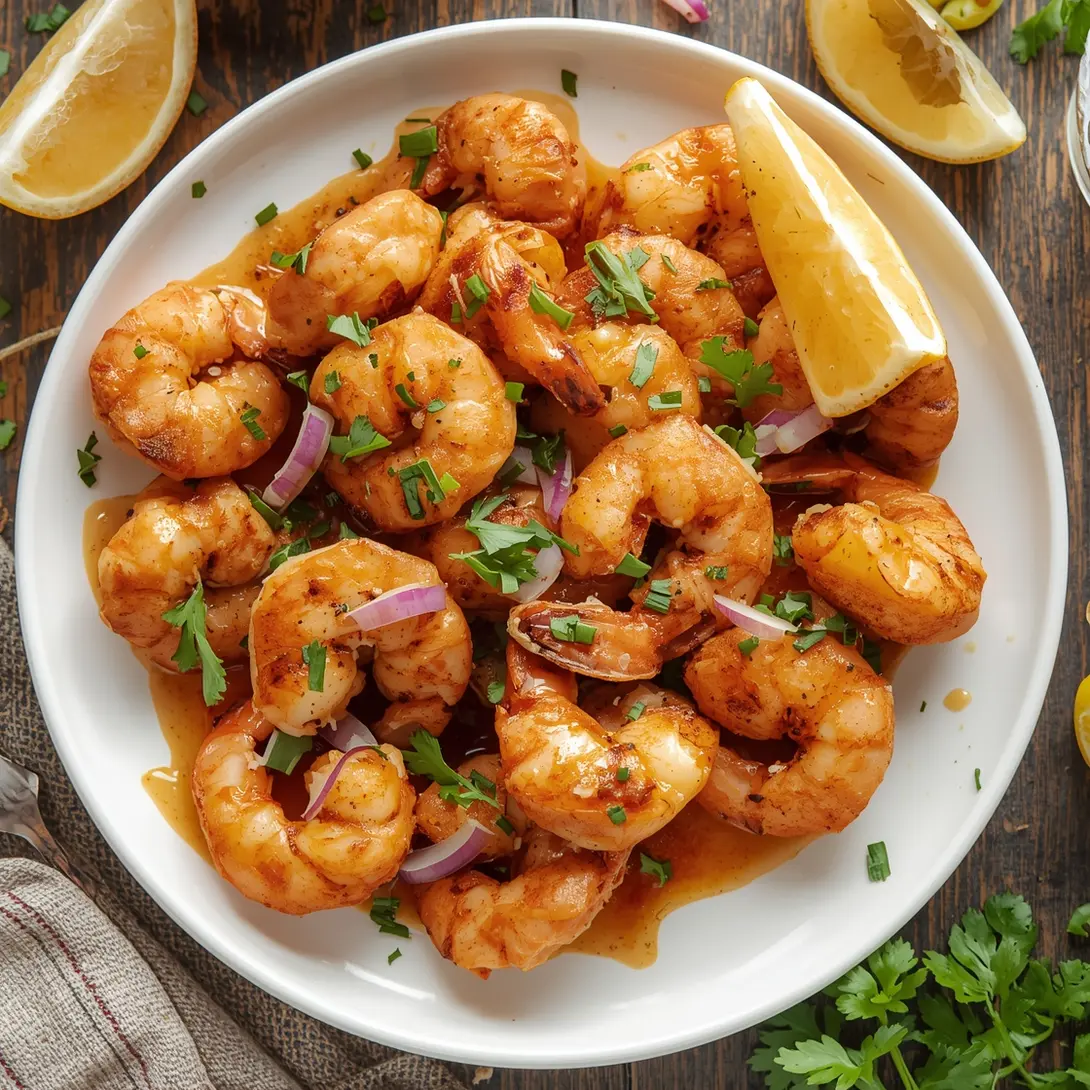
- Sauté aromatics – garlic, shallots, and chili flakes bloom in olive oil, creating a fragrant foundation.
- Deglaze – a splash of dry white wine lifts the caramelized bits, adding depth.
- Cook the shrimp – they pink up quickly, sealing in tenderness.
- Create the sauce – a mixture of cream, lemon zest, and a pinch of Parmesan swirls together, becoming glossy and velvety.
- Combine pasta – al dente linguine is tossed directly into the sauce, allowing the starch to bind everything into a cohesive coating.
Understanding these stages helps you avoid common pitfalls—like overcooking the shrimp or ending up with a watery sauce.
—Key ingredients
Marry Me Shrimp Pasta: 5 Reasons to Fall in Love with This Romantic DishIngredient Amount Notes / Substitutions Large shrimp (peeled, deveined) 1 lb (≈ 450 g) Use frozen shrimp, thawed; for a pescatarian version, replace with scallops Linguine (or spaghetti) 12 oz (340 g) Whole‑wheat or gluten‑free pasta works too Extra‑virgin olive oil 2 Tbsp Light olive oil if you prefer a milder flavor Garlic, minced 3 cloves 1 tsp garlic powder in a pinch Shallot, finely diced 1 small Yellow onion as an alternative Red‑pepper flakes ½ tsp (adjust to taste) Smoked paprika for a smoky note Dry white wine (e.g., Pinot Grigio) ½ cup Chicken broth + a splash of lemon juice if avoiding alcohol Heavy cream ¾ cup Half‑and‑half for a lighter version Fresh lemon zest 1 tsp Lemon juice alone (½ tsp) if zest unavailable Fresh lemon juice 2 Tbsp Adjust for acidity Parmesan cheese, grated ¼ cup Pecorino Romano for sharper bite Fresh parsley, chopped 2 Tbsp Basil or cilantro for a different herb profile Salt & black pepper to taste Sea salt preferred Optional garnish: toasted pine nuts 1 Tbsp Adds crunch
—How to prepare it
- Prep the pasta water. Fill a large pot with water, add a generous pinch of salt, and bring to a rolling boil.
- Season the shrimp. Pat the shrimp dry with paper towels; sprinkle lightly with salt and pepper.
- Cook the linguine. Add pasta to the boiling water and cook 1 minute less than the package instructions (it will finish in the sauce). Drain, reserving ½ cup of pasta water.
- Sauté aromatics. While the pasta cooks, heat olive oil in a wide, deep skillet over medium heat. Add the minced garlic, diced shallot, and red‑pepper flakes. Stir for 30 seconds until fragrant—don’t let the garlic brown.
- Deglaze. Pour the white wine (or broth substitute) into the skillet. Scrape the bottom with a wooden spoon; let the liquid reduce by half, about 2‑3 minutes.
- Cook shrimp. Add the seasoned shrimp in a single layer. Cook 2 minutes on one side, flip, and cook another 1‑2 minutes until they turn pink and opaque. Remove shrimp with a slotted spoon and set aside.
- Build the sauce. Lower the heat to medium‑low. Stir in the heavy cream, lemon zest, and lemon juice. Simmer gently for 1 minute; the sauce should thicken slightly.
- Cheese & seasoning. Sprinkle in grated Parmesan, stirring until melted. Taste and adjust with salt, pepper, or more lemon juice if desired.
- Combine pasta & shrimp. Add the al‑dente linguine and cooked shrimp back to the skillet. Toss everything together, using the reserved pasta water to loosen the sauce if it looks too thick. Cook for another 30 seconds, allowing the pasta to absorb the flavors.
- Finish with herbs. Remove from heat, sprinkle chopped parsley (and toasted pine nuts, if using). Give a final gentle toss.
Tip: Serve immediately while the sauce is glossy and the shrimp are warm.
—How to plate and pair
Plating ideas
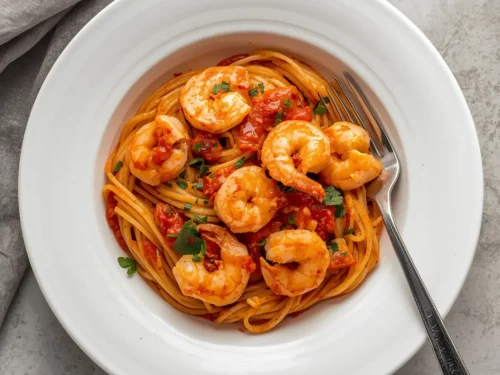
– Classic romance: Swirl a mound of linguine onto a shallow, white plate, nestle the shrimp on top, and drizzle the remaining sauce over the side. Finish with a light sprinkle of parsley and a lemon wedge for visual contrast. – Family‑style rustic: Toss everything in a large, shallow serving dish; scatter extra parsley and toasted pine nuts across the surface for a communal vibe. – Elegant individual portions: Use a ring mold (around 3 inches) to shape the pasta into a perfect circle on each plate. Lift the mold, then arrange the shrimp in a fan around the rim.
Side pairings
– Salads: A simple arugula and shaved Parmesan salad dressed with lemon‑olive oil vinaigrette brightens the richness. – Bread: Warm crusty garlic focaccia or a buttery Italian ciabatta for scooping up any extra sauce. – Wine: A crisp, dry white—Pinot Grigio, Sauvignon Blanc, or Vermentino—mirrors the lemony notes and cuts through creaminess.
Dessert suggestion: A lemon‑ricotta cheesecake or panna cotta topped with fresh berries continues the citrus theme without overwhelming the palate.
—Keeping leftovers fresh
– Refrigeration: Transfer leftovers into an airtight container within two hours of cooking. Store in the refrigerator for up to 3 days. – Reheating: In a skillet, add a splash of chicken broth or reserved pasta water, then gently re‑sauté over low heat, stirring until the sauce regains its silkiness. Microwaving is acceptable, but use a lower power setting and stir halfway through to avoid rubbery shrimp. – Freezing: For longer storage, separate the pasta from the shrimp (shrimp may become slightly tougher after thawing). Portion the sauce and pasta together in a freezer‑safe bag, label with date, and freeze up to 2 months. Thaw overnight in the refrigerator, then gently reheat as above, adding fresh shrimp if desired. – Safety note: Never leave cooked shrimp at room temperature for more than 2 hours; bacterial growth accelerates rapidly in the “danger zone” (40 °F–140 °F).
—Helpful cooking tips
Tip Why it matters Pat the shrimp dry Moisture causes steaming, which prevents the pink crust and can make the sauce watery. Don’t overcook the pasta Pasta continues to cook in the sauce; starting slightly under‑done keeps it firm‑al‑dente. Use high‑quality olive oil A good oil adds depth to the aromatics and complements the delicate seafood. Reserve pasta water The starchy water helps bind the sauce to the pasta without adding extra fat. Add lemon zest at the end Zest retains its bright, fragrant oils; cooking it too long can make it bitter. Taste before plating Balance between acidity, salt, and heat is personal—adjust to your palate before serving.
—Recipe variations
- Spicy jalapeño twist – Add 1 finely diced jalapeño with the shallot for an extra heat kick. |
- Herb‑infused version – Swap parsley for fresh basil and add a few torn thyme leaves during the sauce stage. |
- Cream‑light alternative – Use half‑and‑half mixed with low‑fat Greek yogurt for a lighter, tangier sauce. |
- Vegan adaptation – Replace shrimp with sautéed king oyster mushrooms (sliced “scallops”), use coconut cream, and omit Parmesan (nutritional yeast works as a cheesy substitute). |
- Southern Italian spin – Add a handful of sun‑dried tomatoes and a drizzle of extra‑virgin olive oil before serving; garnish with crushed red pepper and grated Pecorino. |
- Seafood medley – Mix in scallops, mussels, or clams with the shrimp for a “frutti di mare” extravaganza. |
- One‑pot convenience – Cook the pasta directly in the broth‑wine mixture, then finish with cream and shrimp—ideal for minimal cleanup. |
—Your questions answered
Q: How long does the entire recipe take from start to finish? A: About 28‑30 minutes total. Prep is roughly 10 minutes, cooking the sauce and pasta takes another 15‑18 minutes, and plating is under 2 minutes.
Q: Can I substitute the shrimp with another protein? A: Absolutely. Chicken breast (cut into bite‑size pieces) works, but it requires a longer cooking time—about 5‑6 minutes. For a vegetarian option, use firm tofu cubes (pressed and lightly seared) or the king oyster mushroom “scallops” mentioned in the vegan variation.
Q: Is it safe to use a dry white wine in a family setting where some members avoid alcohol? A: Yes. The alcohol cooks off during the reduction, leaving only the flavor. If you prefer a completely alcohol‑free dish, replace the wine with an equal amount of low‑sodium chicken or seafood broth plus a splash of white wine‑vinegar or extra lemon juice for brightness.
Q: What’s the best way to achieve that glossy, restaurant‑style sauce? A: The key is gentle heat and the right balance of starch and fat. Use the reserved pasta water sparingly; it emulsifies the cream and helps the sauce cling to each strand of pasta. Avoid boiling the sauce once the cream is added, as high heat can cause the dairy to separate.
Q: Can I make this ahead of time for a dinner party? A: The sauce can be prepared up to 24 hours in advance, stored in the refrigerator, and gently reheated with a splash of liquid before adding the pasta and shrimp. For ultimate freshness, cook the shrimp and pasta just before serving and then toss everything together.
—Final thought
Romance isn’t just about candles and a perfectly set table; it’s also about flavor that lingers on the tongue and memory. Marry Me Shrimp Pasta delivers both—a bright, creamy sauce that embraces succulent shrimp, paired with the comforting familiarity of al‑dente pasta. Follow the steps, experiment with the variations, and you’ll have a dish that not only satisfies hunger but also sparks conversation—maybe even a proposal. So gather your ingredients, heat that skillet, and let the love story begin, one forkful at a time. Bon appétit!
Classic Marry Me Shrimp Pasta
This creamy Marry Me Shrimp Pasta features succulent shrimp, linguine, and a rich sauce, perfect for a romantic dinner or a quick weeknight meal.
Equipment
- Large pot
Ingredients
Main Ingredients
- 1 lb Large shrimp peeled, deveined
- 12 oz Linguine or spaghetti
- 2 Tbsp Extra-virgin olive oil
- 3 cloves Garlic minced
- 1 small Shallot finely diced
- ½ tsp Red-pepper flakes adjust to taste
- ½ cup Dry white wine e.g., Pinot Grigio
- ¾ cup Heavy cream
- 1 tsp Fresh lemon zest
- 2 Tbsp Fresh lemon juice
- ¼ cup Parmesan cheese grated
- 2 Tbsp Fresh parsley chopped
- Salt & black pepper to taste
- 1 Tbsp toasted pine nuts Optional garnish
Instructions
Instructions
- Fill a large pot with water and add salt for the pasta.
Notes
For extra flavor, consider deglazing the pan with a splash of white wine after cooking the shrimp. Adjust red pepper flakes to your preferred spice level. A squeeze of fresh lemon juice at the end brightens the flavors.