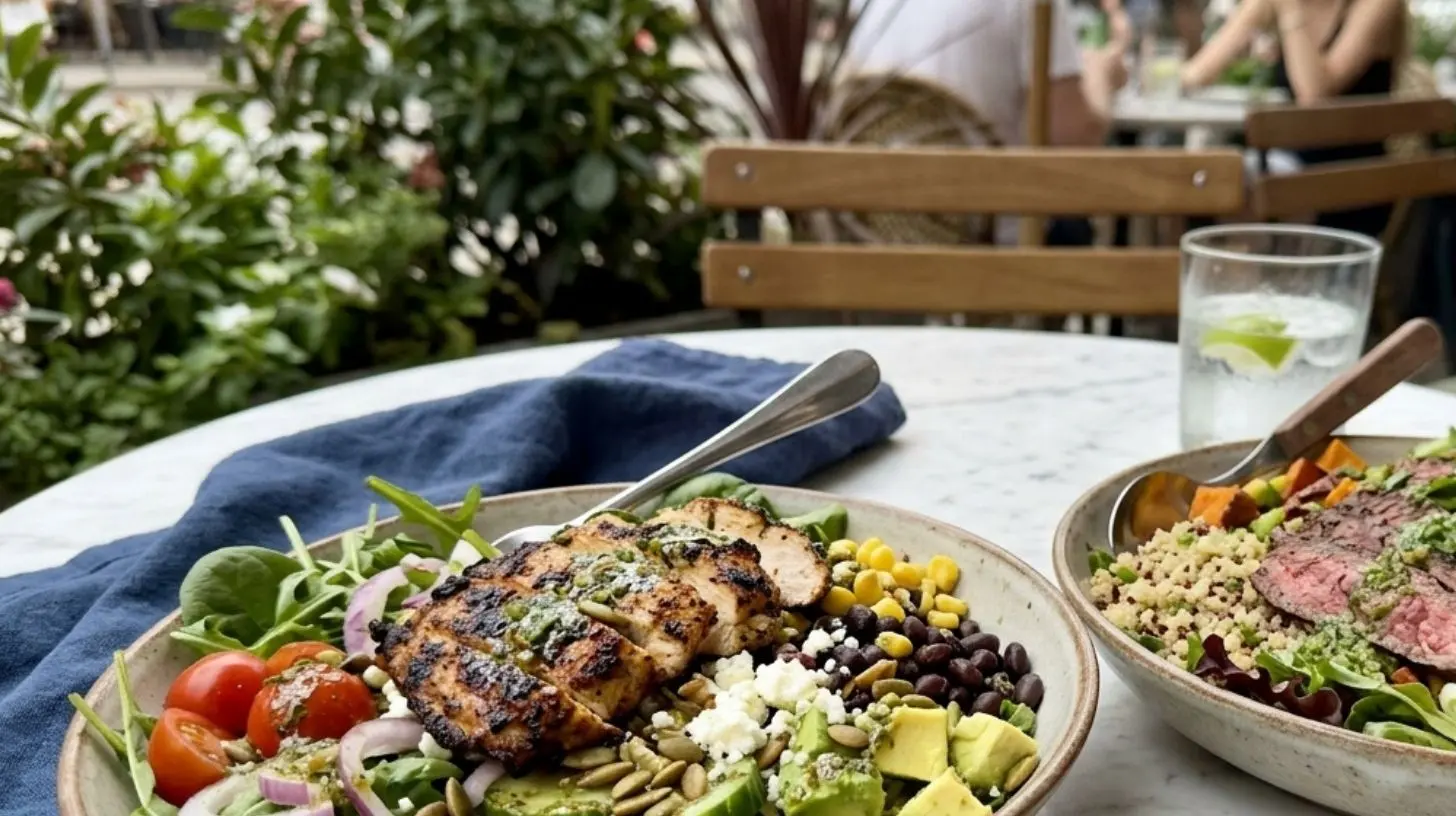
High Protein Summer Salad
Learn how to make a nutritious salad with plenty of protein.
Quinoa
Chicken
Chickpeas
Spinach
Tomatoes
Cook quinoa according to package instructions.
Grill or bake chicken until fully cooked.
Mix quinoa, chicken, chickpeas, spinach, and tomatoes in a bowl.
Drizzle with your favorite dressing.
The Ultimate Guide to High Protein Summer Salads: Fuel Your Body with Flavor
Are you tired of limp, lifeless salads that leave you hungry an hour later? I know the feeling. You crave something refreshing for the warm weather, but you also need a meal that actually fuels your body—packed with muscle-supporting protein, crunchy textures, and zesty flavors. The secret isn’t a boring bowl of greens; it’s mastering high protein summer salads that taste like a treat. Whether you are a meat-lover or prefer plant-based options, preparing these salads at home is a game-changer. You control the quality of ingredients, the sodium levels, and the freshness. For those looking for meatless options, vegan high protein salads are equally satisfying and nutrient-dense. Making these dishes yourself saves money and ensures you get a perfect balance of macros without any hidden additives.
—
Ingredients & Kitchen Tools
For the Base Salad (Serves 4)
– 2 cups cooked chicken breast (shredded or diced) – Lean animal protein, easy to prep ahead. Rotisserie chicken works great.
– 1 can (15 oz) chickpeas (rinsed and drained) – Excellent plant-based protein and fiber; core of many vegan high protein salads.
– 1 large cucumber (diced) – Adds hydrating crunch without extra calories.
– 1 cup cherry tomatoes (halved) – Provides sweetness and lycopene antioxidants.
– 1/2 red onion (thinly sliced) – Sharp bite that mellows as it marinates.
– 1/2 cup crumbled feta cheese – Tangy, creamy, and rich in calcium. Omit for dairy-free or use vegan feta.
– 1/4 cup fresh parsley (chopped) – Brightens flavor and adds iron.
For the Lemon-Herb Vinaigrette
– 3 tbsp extra virgin olive oil – Healthy fats for satiety.
– 2 tbsp lemon juice (fresh) – Acidic base for brightness.
– 1 tbsp Dijon mustard – Emulsifier and subtle heat.
– 1 clove garlic (minced) – Pungent, anti-inflammatory.
– Salt and black pepper to taste.
Kitchen Tools
– Large mixing bowl
– Sharp chef’s knife and cutting board
– Measuring spoons and cups
– Whisk or small jar for dressing
– Salad tongs
Optional Substitutions
– Protein swap: Use grilled tofu (8 oz) or tempeh instead of chicken for a 100% plant-based meal.
– Cheese swap: Omit feta or use cashew-based cheese for strict vegan high protein salads.
– Grain addition: Add 1 cup cooked quinoa for extra protein and chew.
—
Prep Time & Cooking Schedule
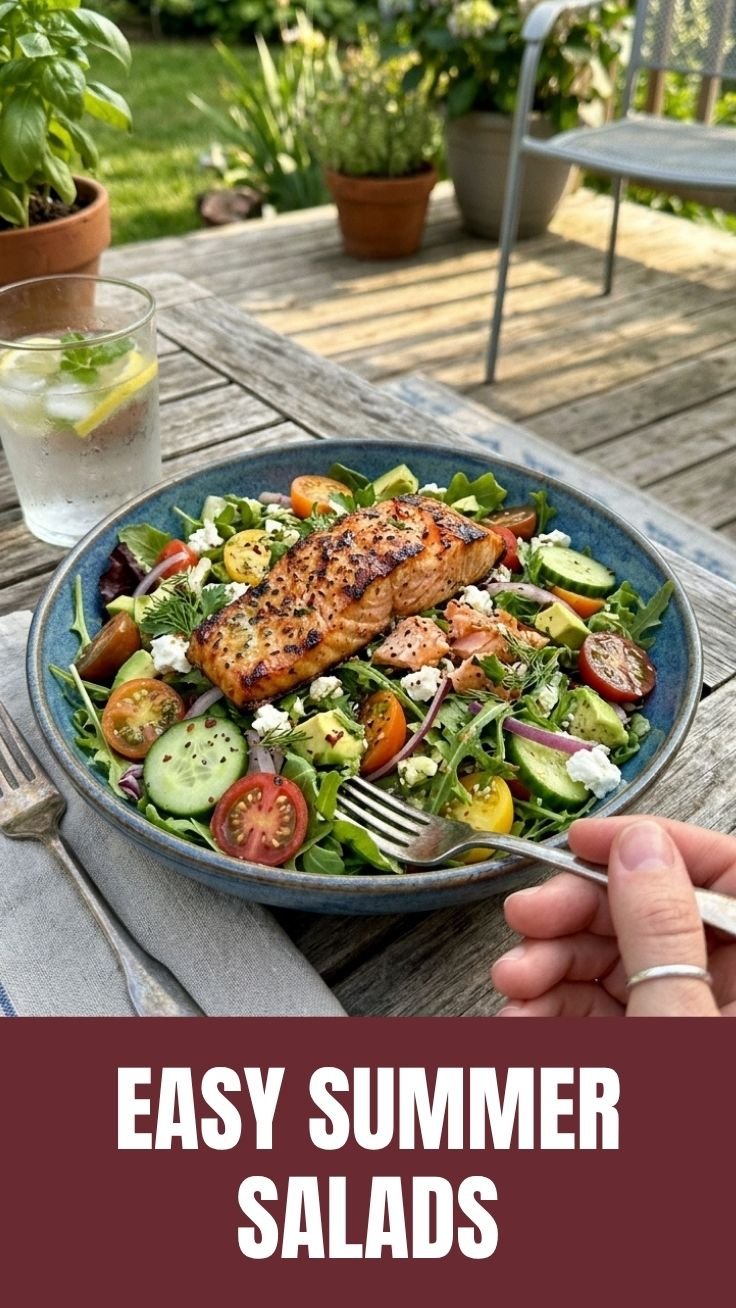
– Prep time: 15 minutes
– Cooking time: 12 minutes (if using raw chicken or tofu)
– Resting/marinating time: 10 minutes (optional, for melded flavors)
– Total time: 25–37 minutes
Planning tip: Cook your protein in advance. Grilled chicken breasts can be prepped on Sunday and stored in the fridge. Chickpeas are ready straight from the can—just rinse well. This salad comes together in under 20 minutes if ingredients are pre-chopped, making it perfect for busy weeknights or meal prep lunches. Let the assembled salad rest for 10 minutes so the grains (if added) and dressing soak in without becoming soggy.
—
Step-by-Step Instructions
1. Prepare the protein. If using raw chicken: season with salt, pepper, and a pinch of smoked paprika. Grill on medium-high heat (375°F) for 5–6 minutes per side until internal temperature reaches 165°F. Let rest 5 minutes, then dice. For a vegan version: pan-sear cubed extra-firm tofu in 1 tbsp soy sauce until golden, about 4–5 minutes per side.
2. Make the dressing. In a small bowl or jar, whisk together olive oil, lemon juice, Dijon mustard, minced garlic, and a pinch of salt. Taste and adjust acidity—add more lemon if it feels flat.
3. Build the salad base. In a large bowl, combine the diced cucumber, halved cherry tomatoes, sliced red onion, and chickpeas. Add your cooked protein (chicken or tofu). This is where you can confidently build either classic high protein summer salads with animal protein or completely vegan high protein salads using just tofu and chickpeas.
4. Add cheese and herbs. Sprinkle crumbled feta and fresh parsley over the mixture. Toss gently with a large spoon—over-mixing can break the feta.
5. Dress and rest. Pour the vinaigrette over the salad and toss until evenly coated. Let it sit for 10 minutes at room temperature. This allows the flavors to marry. Serve immediately or refrigerate.
Temperature cues: The salad should be served cool but not fridge-cold. If you’ve refrigerated it, let it sit out for 5 minutes before serving to bring out the dressing’s flavor. Texture cues: Cucumbers should stay crunchy; if they start releasing water, you’ve over-dressed or waited too long.
—
Nutritional Benefits & Advantages
This recipe is a powerhouse of lean protein, fiber, and healthy fats. One serving (using chicken) delivers approximately 32g of protein, 12g of fiber, and only 420 calories. Chickpeas add resistant starch for gut health, while olive oil provides monounsaturated fats that support heart health. For those preferring plant-based options, vegan high protein salads with tofu and chickpeas still offer 28g of protein per serving. The lemon and parsley supply vitamin C and antioxidants that reduce inflammation, making this ideal for post-workout recovery or a midday energy boost.
—
Tips Variations & Cooking Advice
– For a tangier kick: Replace half the lemon juice with red wine vinegar.
– Spice lovers: Add 1/4 tsp crushed red pepper flakes to the dressing.
– To make it dairy-free/gluten-free: Simply omit feta or use vegan feta crumbles. This salad is naturally gluten-free.
– Portion change: Double the recipe for a party platter—just keep dressing separate until serving to prevent sogginess.
– Grain-boost: Stir in 1 cup of cooked quinoa or farro. This adds 8g more fiber per serving and turns your salad into a heartier meal.
– Add crunch: Top with toasted pumpkin seeds or slivered almonds just before serving.
—
Common Mistakes to Avoid
1. Over-dressing the greens. Dressing should lightly coat each ingredient, not pool at the bottom. Start with half the dressing, toss, then add more if needed.
2. Using wet chickpeas. Pat chickpeas dry with a paper towel after rinsing. Excess moisture dilutes the dressing and makes the salad watery.
3. Adding tomatoes too early. If prepping for the week, store tomatoes separately to avoid a soggy salad. Combine only when serving.
4. Skipping the rest time. This is crucial. A salad that sits for 10 minutes tastes exponentially better—the dressing penetrates the beans and protein without ruining crisp veggies.
—
Storage & Meal Prep Tips
– Refrigeration: Store assembled salad in an airtight container for up to 3 days. The cucumbers will soften slightly but remain palatable.
– Freezing: Not recommended. The fresh veggies and dressing will lose texture and separate upon thawing.
– Reheating: Do not microwave the whole salad. If you want a warm protein, reheat chicken separately on the stove or microwave, then add to cool veggies.
– Make-ahead hack: Prep all components except the dressing and feta. Store in separate containers. Assemble the day you eat it for maximum freshness. This method keeps ingredients crisp for 4–5 days.
—
Conclusion
Mastering high protein summer salads isn’t just about following a recipe—it’s about building a habit of eating food that tastes good and fuels your body. This particular salad strikes the perfect balance between hearty and refreshing. Whether you stick with chicken or explore vegan high protein salads with chickpeas and tofu, you’ll find yourself looking forward to lunch. The best part? You can customize it endlessly based on what’s in your fridge. I challenge you to make a batch this weekend—share your results, tweak the spices, and let me know how it turns out. Your taste buds (and your muscles) will thank you.
—
FAQs
1. Can I use canned chicken or tuna instead of fresh chicken?
Yes, but drain well. Canned chicken tends to be less moist, so add an extra tablespoon of dressing or a dollop of Greek yogurt to keep the texture right.
2. Why do my chickpeas fall apart in the salad?
Over-stirring is usually the cause. Gently fold the chickpeas in at the end using a soft spatula. Also, avoid using chickpeas that are too old—fresher ones hold their shape better.
3. How can I make this salad spicier without adding heat?
Use smoked paprika in the dressing or swap Dijon mustard for whole-grain mustard. Smoky notes give a “grilled” feel without actual spice.
4. Can I make this salad for a barbecue?
Absolutely. Make the full salad but keep the dressing separate. Place the dressing in a squeeze bottle so guests can add their own. Best served at room temperature.
5. What’s the best way to pack this for lunch without it getting soggy?
Use a wide-mouth mason jar. Layer dressing at the bottom, then chickpeas, then tomatoes, cucumber, chicken, feta, and parsley on top. Flip onto a plate when ready to eat—dressing naturally dresses the top layer.
Best way to grow high protein summer salads
Equipment
- Gardening Gloves
- Trowel
- Hand Pruners
- pH Testing Kit
- Drip Irrigation System or Soaker Hoses
- Row Covers (optional)
- Garden Stakes or Trellises (for climbing plants)
- Watering Can or Hose
Ingredients
Legumes
- varieties like Provider or Contender Bush Beans
- Kentucky Wonder Pole Beans
- Early Hakucho Soybeans (Edamame)
- Myles or Sanford Chickpeas
Leafy Greens
- Bloomsdale Long Standing Spinach
- Red Russian or Lacinato Kale
- standard varieties Arugula
Other Protein-Rich Vegetables
- Calabrese or Waltham Broccoli
- Mary Washington or Jersey Giant Asparagus
- Chenopodium quinoa Quinoa
- Mammoth or Titan Sunflower Seeds
Soil and Amendments
- 2-4 inches Compost
- granular, slow-release Balanced Organic Fertilizer
- 1 pH Testing Kit
Pest and Disease Control
- organic Neem Oil
- organic Insecticidal Soap
- fabric Row Covers
Watering and Irrigation
- 1 Drip Irrigation System
- 1 Soaker Hoses
Instructions
Planning, Soil Preparation and Planting
- Choose a sunny location with well-draining soil and select high-protein crops like bush and pole beans, soybeans, chickpeas, spinach, kale, arugula, broccoli, asparagus, quinoa, and sunflowers.
- Amend the soil with 2-4 inches of compost and a balanced organic fertilizer, ensuring a pH between 6.0 and 7.0 for optimal plant growth.
- Plant legumes directly after the last frost, leafy greens from early spring to late summer, and other vegetables according to their specific planting windows, providing support for climbing plants.
Watering, Fertilizing and Pest Control
- Water regularly, especially during dry spells, using drip irrigation or soaker hoses to keep foliage dry and prevent fungal diseases.
- Side-dress plants with compost or a balanced organic fertilizer every 4-6 weeks to replenish nutrients, especially for heavy feeders like leafy greens.
- Monitor for pests and diseases, using organic solutions like neem oil or insecticidal soap for pests and practicing crop rotation to prevent disease.
Harvesting and Succession Planting
- Harvest legumes when pods are plump, leafy greens continuously for fresh outer leaves, and other vegetables at their peak maturity before they bolt or become tough.
- Implement succession planting by sowing new seeds every 2-3 weeks for a continuous harvest throughout the summer, especially for fast-growing crops like bush beans and arugula.
Enjoy Your High-Protein Summer Salads
- Store freshly harvested produce properly to maintain freshness and prepare nutritious, high-protein summer salads with your garden-fresh ingredients.