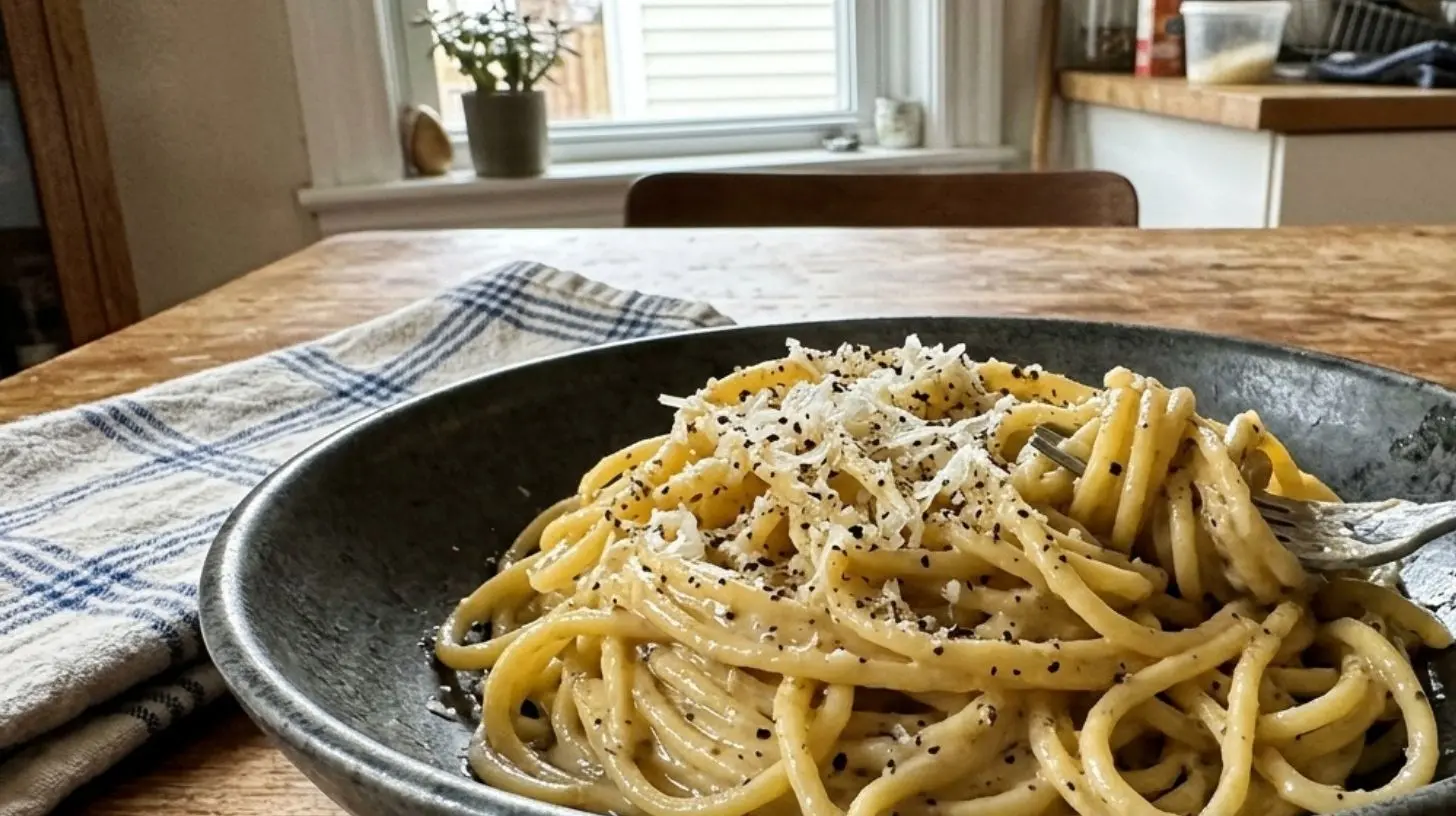
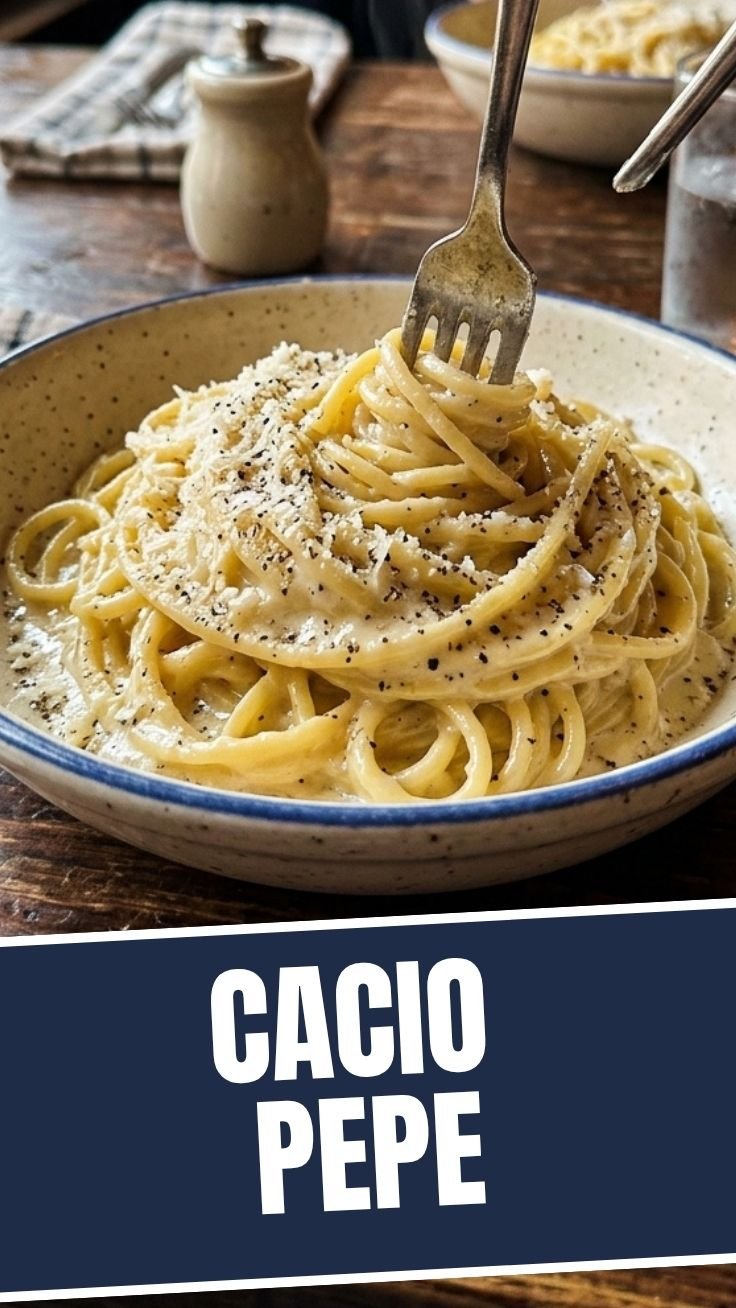
Perfect Cacio e Pepe Recipe
Learn how to make the tastiest and cheesiest Cacio e Pepe pasta ever!
Spaghetti
Parmesan Cheese
Butter
Black Pepper
Cook the spaghetti in boiling water until al dente.
Grate the Parmesan cheese and set aside.
Melt butter in a pan over low heat.
Add black pepper to the melted butter and stir.
Mix the cooked spaghetti with the butter and pepper mixture.
Sprinkle grated Parmesan cheese on top and toss to combine.
Why Homemade Cacio e Pepe Beats Restaurant Versions Every Time
Ever wondered why Cacio e Pepe is considered the ultimate test of a pasta chef’s skill? This Roman masterpiece proves that simplicity can be breathtakingly complex. Making it at home not only saves money but also gives you complete control over the creamy, peppery perfection—something that even top restaurants sometimes fumble. In this guide, I’ll walk you through every critical step to ensure your Italian pasta recipes repertoire includes a foolproof version of this iconic dish.
Ingredients & Kitchen Tools
Ingredients:
– 200g (7 oz) spaghetti or tonnarelli – Traditional Roman pasta; bronze-die extruded for better sauce adhesion.
– 2 cups finely grated Pecorino Romano – Not Parmigiano-Reggiano; it’s saltier and sharper, essential for authentic flavor.
– 1½ tbsp whole black peppercorns – Freshly cracked just before cooking for maximum aroma.
– Reserved pasta water – The starch-rich liquid that binds and emulsifies the sauce.
– Optional: 1 tbsp unsalted butter – Not traditional but prevents clumping for beginners.
Kitchen Tools:
– Large pot (5–6 quarts) – Ample water volume prevents pasta from sticking.
– Microplane or fine grater – For ultrafine Pecorino; pre-shredded cheeses contain anti-caking agents that ruin emulsion.
– Heavy-bottomed skillet or Dutch oven – Even heat distribution for toasting pepper and tossing pasta.
– Tongs – For transferring pasta and mixing.
– Mesh strainer – To catch peppercorns if you prefer a smoother sauce.
Prep Time & Cooking Schedule
– Prep time: 10 minutes (grate cheese, crack pepper, boil water)
– Cook time: 12–15 minutes (pasta + sauce assembly)
– Total active time: ~25 minutes
– Resting time: None; serve immediately
Plan ahead: Have your cheese grated and pepper cracked BEFORE boiling water. The entire process moves fast once pasta enters the pot. Pecorino Romano crusts within minutes when exposed to air, so grate it no more than 15 minutes ahead.
Step-by-Step Instructions
1. Toast the pepper: In a dry skillet over medium-low heat, toast 1½ tbsp cracked black pepper for 2–3 minutes until fragrant but not smoking. Remove half and set aside.
2. Cook pasta: Bring 4 quarts of water to a rolling boil. Add 1 tbsp salt (yes, it’s needed despite cheese saltiness). Drop spaghetti and cook 1 minute less than al dente package directions (about 8 minutes for 9-minute pasta).
3. Create the emulsion: Ladle 1½ cups of starchy pasta water into a bowl. Return skillet to low heat with ½ cup pasta water. Add cooked pasta and toss 30 seconds.
4. Incorporate cheese: Remove pan from heat. Add grated Pecorino half-cup at a time, tossing vigorously between additions. If mixture becomes too thick, add pasta water 1 tbsp at a time. The goal is a glossy, creamy sauce that coats each strand.
5. Final touches: Add reserved toasted pepper, toss again. Serve immediately.
Crucial tip: Cacio e Pepe requires working off-heat for the final cheese integration. High heat turns Pecorino into rubbery lumps—gentle residual heat and constant motion are your best allies. This is a defining technique in Italian pasta recipes that many home cooks overlook.
Nutritional Benefits & Advantages
Each serving (¼ recipe) provides approximately:
– Calories: 420–480 kcal
– Protein: 22g – Pecorino adds muscle-repairing amino acids.
– Calcium: 35% RDA – Cheese contributes bone-strengthening minerals.
– Probiotics: Pecorino Romano contains live cultures for gut health.
– Low glycemic impact: Slow-digesting pasta water starch stabilizes blood sugar.
Beyond macros, this dish is naturally vegetarian and requires zero cream, butter, or eggs—unlike carbonara. The black pepper also contains piperine, which enhances nutrient absorption and reduces inflammation.
Tips Variations & Cooking Advice
Variations:
– Gluten-free: Use chickpea or lentil pasta; reduce cooking time by 30% to avoid mushiness.
– Dairy-free: Substitute nutritional yeast (½ cup) + 2 tbsp cashew cream + lemon juice. Taste won’t be identical but will be creamy.
– Extra kick: Add ½ tsp red pepper flakes with the black pepper.
Cooking advice:
– Water salinity: It should taste “like the sea”—but reduce salt if using salty broths.
– Cheese quality matters: Authentic Pecorino Romano DOP costs $12–15/lb but prevents sulfite-induced clumping.
– Restaurant trick: Toss pasta in a cold pan with ¼ cup pasta water before adding cheese to pre-gelatinize starch.
Common Mistakes to Avoid
1. Using pre-grated cheese: Anti-caking powders prevent melting—always grate fresh.
2. Boiling pepper too long: Over-toasting releases bitter compounds. Stop when you smell nutty notes.
3. Adding cheese over high heat: This creates clumps instantly. Always off-heat.
4. Using too much water: Starch dilution = soupy sauce. Use minimal water (2.5 quarts per pound).
5. Not reserving enough pasta water: You’ll need 1–2 cups; save all before draining.
Storage & Meal Prep Tips
Cacio e Pepe is best eaten fresh—within 3 minutes of plating. Stored leftovers become clumpy.
– Refrigeration: Store in airtight container for up to 2 days. The texture will be compromised.
– Reheating: Place in skillet with 2 tbsp water over medium-low, stirring constantly for 90 seconds. Don’t microwave—it’ll turn to glue.
– Freezing: Not recommended; dairy-based emulsions break down irreversibly.
– Meal prep hack: Pre-crack pepper, grate cheese, and portion spaghetti into zip bags. Assemble fresh for each meal.
Conclusion
Mastering Cacio e Pepe transforms ordinary spaghetti into something transcendent. I’ve shown you how precise heat control, quality ingredients, and proper technique create a silky sauce that clings to every strand. This recipe deserves a permanent spot in your Italian pasta recipes collection. Try it tonight, then share your glossy results on Instagram—tag me for feedback. Buon appetito!
FAQs
1. Can I use Parmesan instead of Pecorino Romano?
Technically yes, but you lose the signature sharpness and saltiness. Pecorino is essential for authentic flavor; if you substitute, add more black pepper and sea salt.
2. Why did my cheese turn into rubber balls?
Most likely you added cheese over direct heat. Always remove pan from burner first. Also, ensure pasta water is between 180°F and 200°F—boiling hot water curdles cheese.
3. Can I use gluten-free pasta?
Yes, but choose robust shapes like fusilli or penne. Gluten-free spaghetti can disintegrate during tossing. Reduce initial cooking time by 20%.
4. How do I make it extra creamy without cream?
Reserve heavily salted pasta water and use a cold pan method: toss hot pasta in cold pan with water before adding cheese. This gelatinizes starch without heat.
5. Can I prepare this ahead for dinner guests?
Partially: toast pepper, grate cheese, and portion pasta. Cook the dish completely just before serving—it won’t hold even 10 minutes. Pair with a simple arugula salad while waiting.
Proven way to grow 6 perfect Cacio e Pepe
Equipment
- Large pot
- Dry pan
- Bowl
- Ladle
Ingredients
Pasta
- 500 g Spaghetti
Sauce
- 200 g Pecorino Romano cheese finely grated
- 15 g Black peppercorns freshly ground
- Salt for pasta water
Instructions
Cooking Pasta
- Bring a large pot of salted water to a boil, then add the spaghetti and cook according to package directions until al dente.
Preparing the Sauce
- While the pasta cooks, toast the freshly ground black peppercorns in a dry pan over medium heat for about 1-2 minutes until fragrant.
- Gradually add about ¾ of the grated Pecorino Romano cheese to a bowl, mixing with a splash of pasta water to create a creamy paste.
- Reserve additional pasta water for later use if needed.
Combining and Serving
- Drain the cooked pasta and immediately transfer it to the pan with the toasted peppercorns.
- Quickly add the Pecorino cheese paste and a ladleful of pasta water, tossing vigorously to combine and create a smooth sauce.
- If the sauce is too thick, add more pasta water a tablespoon at a time until desired consistency is reached.
- Serve immediately, garnished with the remaining grated Pecorino Romano cheese and an extra sprinkle of black pepper.