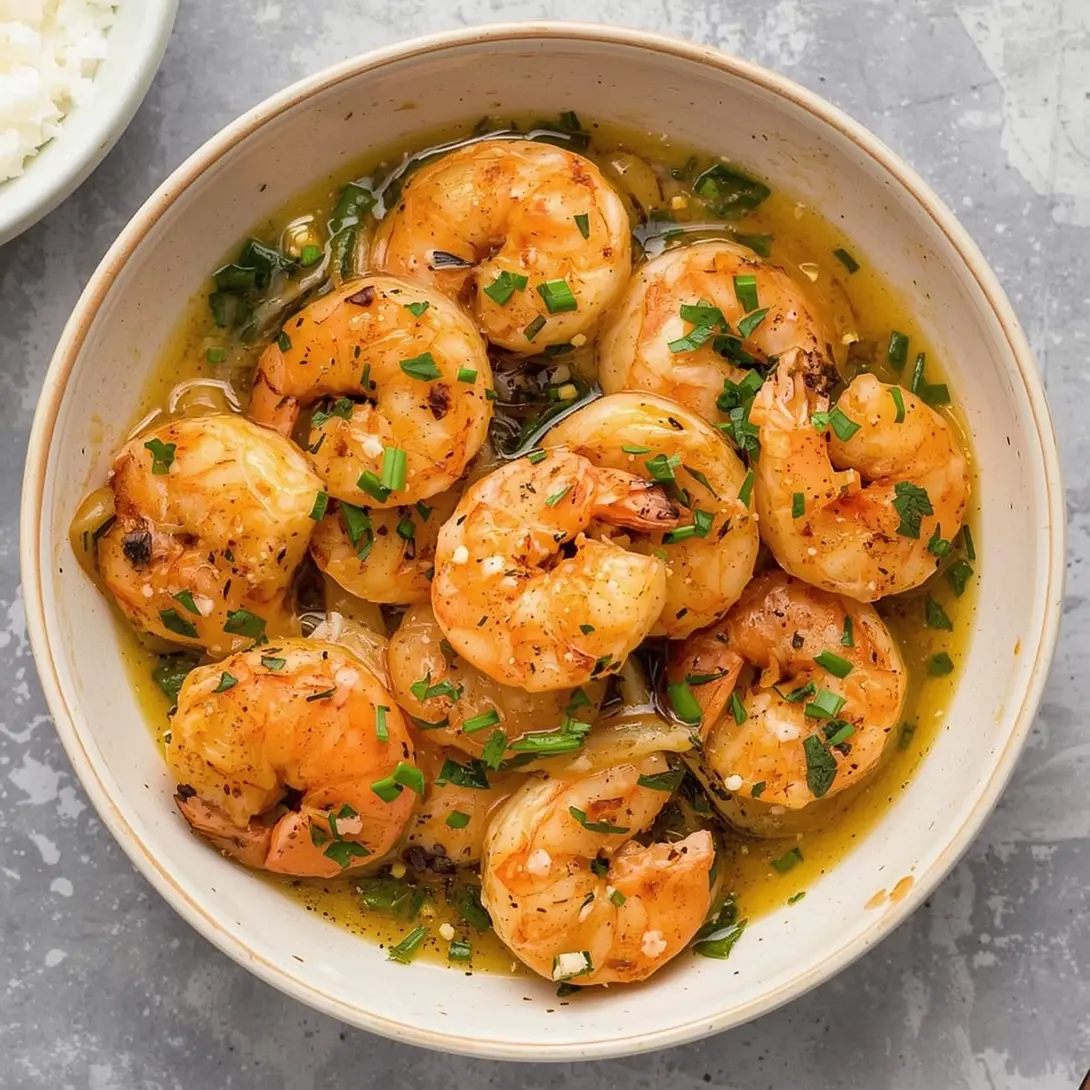
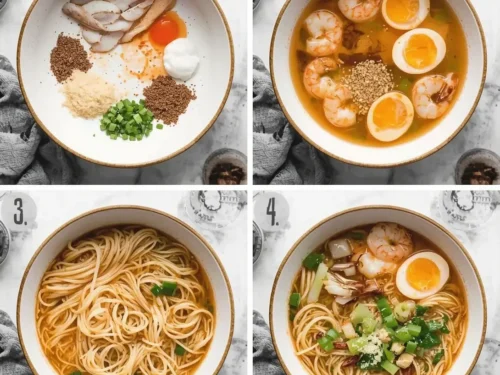
- Build the aromatics – Garlic, ginger, and scallions are sautéed in a little oil until fragrant.
- Create the broth – Add chicken (or vegetable) stock, soy sauce, mirin, and a splash of sesame oil; bring to a gentle boil.
- Cook the shrimp – Toss the peeled shrimp into the simmering broth; they turn pink in just a couple of minutes.
- Prepare the noodles – Cook the instant ramen noodles separately for optimal texture, then drain.
- Finish with toppings – Assemble bowls with noodles, broth, shrimp, and optional garnishes like soft‑boiled eggs, nori, and sliced chilies.
With this roadmap, you’ll know exactly where you are in the process and can keep the kitchen moving efficiently.
—What you’ll need
Quick Garlic Shrimp Ramen: 5 Essential Cooking Tips in 30 MinutesIngredient Amount Notes / Substitutions Ramen noodles (discard the seasoning packet) 2 packs (≈ 140 g each) Any thin wheat noodle works; gluten‑free rice noodles for GF Raw shrimp, peeled & deveined 300 g (≈ 10‑12 large) Substitute with chicken breast strips or tofu cubes Garlic cloves, minced 4–5 large Fresh garlic gives the best aroma; garlic paste in a pinch Fresh ginger, grated 1 tbsp Ground ginger (½ tsp) if you’re short on fresh Scallions, thinly sliced 3 stalks Shallots or leeks as alternatives Chicken or vegetable stock 4 cups (960 ml) Low‑sodium broth keeps the dish balanced Soy sauce (light) 2 tbsp Tamari for gluten‑free Mirin (sweet rice wine) 1 tbsp Sake + ½ tsp sugar if you don’t have mirin Sesame oil 1 tsp Optional, but adds depth Vegetable oil (neutral) 1 tbsp Can use peanut oil for a nuttier flavor Optional toppings: soft‑boiled egg, toasted nori, sesame seeds, sliced chilies, bean sprouts, corn, bok choy As desired All interchangeable based on taste
—Step‑by‑step instructions
- Prep everything first – Mince the garlic, grate the ginger, slice the scallions, and pat the shrimp dry with paper towels. This “mise en place” keeps the cooking flow smooth.
- Sauté aromatics – Heat vegetable oil in a large pot over medium‑high heat. Add garlic and ginger; stir for 30 seconds until you smell the fragrance, but don’t let them brown.
- Deglaze & build broth – Pour in the stock, soy sauce, and mirin. Stir, scraping the bottom of the pot to release any stuck bits. Bring the mixture to a gentle boil, then reduce to a simmer.
- Add the shrimp – Gently lower the shrimp into the simmering broth. Cook for 2‑3 minutes, or until they turn opaque and curl. Use a slotted spoon to transfer the shrimp to a bowl, leaving the broth intact.
- Cook the noodles – While the shrimp finishes, bring a separate pot of water to a boil. Add the ramen noodles and cook according to package directions (usually 2‑3 minutes). Drain and rinse briefly under cold water to stop cooking; set aside.
- Season the broth – Finish the soup with sesame oil and a pinch of salt if needed. Taste; adjust with a splash more soy sauce or a dash of chili oil for heat.
- Assemble the bowls – Divide the noodles among two deep bowls. Ladle the hot broth over the noodles, then nestle three to four shrimp on top. Sprinkle sliced scallions, sesame seeds, and any optional toppings you like.
- Serve immediately – The dish is best enjoyed while steaming hot, with a side of pickled vegetables or a simple cucumber salad if desired.
—How to plate and pair
Plating tips – Layer for visual appeal – Place the noodles first, then drizzle a thin line of broth before arranging shrimp on top. This creates a cascading effect that looks Instagram‑ready. – Contrast colors – Add bright red sliced chilies, deep green nori strips, or orange carrots to balance the ivory broth. – Garnish strategically – A soft‑boiled egg sliced in half adds richness and a pop of yellow; sprinkle toasted sesame seeds for a subtle crunch.
Pairing suggestions – Side salad – A quick Asian slaw of shredded cabbage, carrots, rice vinegar, and a touch of honey provides crunch and acidity. – Pickles – Korean kimchi or Japanese takuan (pickled radish) cuts through the richness of the broth. – Beverage – Lightly chilled sake, a cold Japanese craft beer, or a crisp green tea complement the umami flavors.
—How to store and freeze
– Refrigeration – Transfer leftover broth and noodles to separate airtight containers. The broth stays fresh for 3 days; noodles can become soggy, so keep them apart. Shrimp should be consumed within 2 days for best texture. – Freezing – The broth freezes beautifully. Portion it into freezer‑safe jars or zip‑top bags, leaving headspace. It can be kept for up to 2 months. Defrost overnight in the refrigerator, then reheat gently on the stove.
Reheating tips - Warm the broth on low heat; avoid a rapid boil which can toughen the shrimp.
- Add freshly cooked ramen noodles when reheating to keep them firm.
- If the broth looks too thick after freezing, thin it with a splash of water or stock.
Food safety note – Never leave cooked shrimp at room temperature for more than 2 hours. When reheating, ensure the internal temperature reaches 165 °F (74 °C).
—Tricks for success (the 5 essential cooking tips)
- High heat, short time – Garlic and ginger only need a quick flash. Over‑cooking them creates bitterness that masks the delicate shrimp flavor.
- Don’t over‑cook the shrimp – As soon as they turn pink, remove them. Over‑cooked shrimp become rubbery, ruining the silky mouthfeel.
- Separate noodles from broth – This prevents the noodles from soaking up too much liquid and turning mushy, especially if you plan to store leftovers.
- Season at the end – Adding sesame oil and a final pinch of salt right before serving preserves their bright aromatics.
- Use a splash of mirin – The subtle sweetness balances the salty soy sauce and rounds out the broth, giving it that “restaurant” depth without heavy spices.
Implementing these five tips guarantees a bowl that tastes like it traveled straight from a ramen bar to your kitchen.
—Different ways to try it
Variation How to adapt Flavor impact Spicy Kimchi Ramen Stir in ¼ cup chopped kimchi with the broth; top with extra kimchi and gochujang drizzle. Tangy heat, fermented depth Coconut Curry Ramen Replace ½ cup of stock with coconut milk; add a tsp red curry paste. Creamy, aromatic, Thai‑inspired Veggie‑Boosted Swap shrimp for sautéed tofu cubes; add sliced bell peppers, mushrooms, and spinach. Plant‑forward, hearty Miso‑Garlic Fusion Dissolve 1 tbsp white miso into the broth after simmering; keep garlic as is. Umami‑rich, slightly sweeter Cold Ramen Salad Cool the cooked noodles, toss them in a garlic‑sesame dressing, and top with chilled shrimp and cucumber. Refreshing summer twist
Feel free to experiment with your pantry staples—each swap adds a new personality while keeping the core “quick garlic shrimp ramen” foundation intact.
—Helpful answers
- How long does the whole recipe take from start to finish?
The active cooking time is about 20 minutes; plus 10 minutes for prep (mincing garlic, peeling shrimp, etc.). In total, you’ll have a hot bowl ready in 30 minutes or less.
- Can I use frozen shrimp instead of fresh?
Yes. Thaw frozen shrimp overnight in the fridge or place them in a sealed bag under cold running water for 5‑7 minutes. Pat dry before adding to the broth. Frozen shrimp may release a bit more moisture, so give the broth a quick reduction if it seems thin.
- I’m allergic to shellfish. What protein can replace the shrimp?
Chicken thigh strips, thinly sliced beef, or firm tofu are all excellent swaps. Adjust cooking time accordingly: chicken needs about 4‑5 minutes, tofu just 2 minutes to warm through and absorb flavor.
- How can I make this recipe gluten‑free?
Use gluten‑free ramen noodles (rice or buckwheat) and replace soy sauce with tamari. Ensure the stock you choose is labeled gluten‑free.
- Is there a way to make the broth richer without adding cream?
Simmer the broth with a small piece of kombu (dried kelp) for 10 minutes before adding the other ingredients. Kombu imparts a deep umami that mimics a richer mouthfeel without dairy.
—Wrap‑up
When you master the Quick Garlic Shrimp Ramen, you’ve unlocked a versatile, flavorful, and unbelievably fast noodle dish that can be dressed up or toned down in a heartbeat. The five essential tips—high heat, brief shrimp cooking, noodle separation, late seasoning, and a dash of mirin—are the secret levers that turn a simple pantry staple into a bowl worthy of applause.
Whether you’re feeding a family, prepping for a busy week, or simply craving that comforting, garlic‑kissed broth, this recipe delivers on taste, speed, and flexibility. Grab your shrimp, fire up the pot, and let the aroma guide you to a satisfying slurp in under half an hour. Bon appétit!
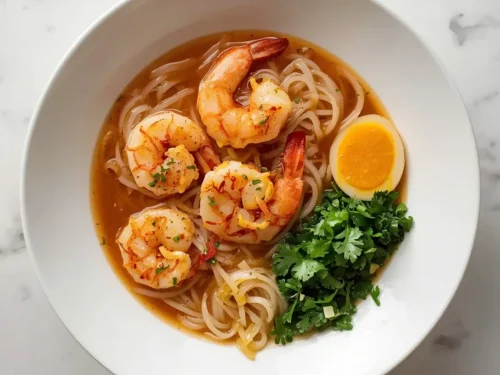
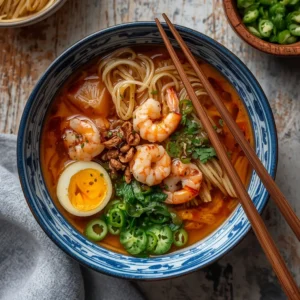
Classic Quick Garlic Shrimp Ramen
This classic quick garlic shrimp ramen is a delightful and easy-to-make dish that combines succulent shrimp with flavorful ramen noodles in a savory broth. Perfect for a quick weeknight meal, this recipe is packed with aromatic garlic and ginger, fresh scallions, and a hint of sesame oil for an irresistible Asian-inspired experience.
Equipment
- Pot
- Knife
- Cutting board
- Ladle
Ingredients
Main Ingredients
- 2 packs Ramen noodles discard the seasoning packet (≈ 140 g each)
- 300 g Raw shrimp, peeled & deveined (≈ 10-12 large)
- 4–5 large Garlic cloves, minced
- 1 tbsp Fresh ginger, grated
- 3 stalks Scallions, thinly sliced
Broth Ingredients
- 4 cups Chicken or vegetable stock (960 ml)
- 2 tbsp Soy sauce (light)
- 1 tbsp Mirin (sweet rice wine)
- 1 tsp Sesame oil
Other Ingredients
- 1 tbsp Vegetable oil (neutral)
Optional Toppings
- soft-boiled egg
- toasted nori
- sesame seeds
- sliced chilies
- bean sprouts
- corn
- bok choy
Instructions
Cooking Steps
- Heat vegetable oil in a pot over medium heat. Add minced garlic and grated ginger, cooking for 1 minute until fragrant. Do not brown the garlic.
- Pour in the chicken or vegetable stock, soy sauce, and mirin. Bring the mixture to a simmer, then reduce heat and let it gently simmer for 5 minutes to allow flavors to meld.
- Add the raw shrimp to the simmering broth. Cook for 2-3 minutes until the shrimp turn pink and opaque. Do not overcook.
- Carefully add the ramen noodles to the pot. Cook according to package directions, usually 2-3 minutes, until tender. Stir occasionally to prevent sticking.
- Remove the pot from heat and stir in the sesame oil and thinly sliced scallions.
- Ladle the ramen into bowls. Serve immediately, garnished with desired optional toppings such as a soft-boiled egg, toasted nori, sesame seeds, sliced chilies, bean sprouts, corn, or bok choy.
Notes
For extra flavor, you can sauté the shrimp lightly before adding them to the broth. Adjust soy sauce to taste, considering the saltiness of your stock. Store leftovers in an airtight container in the refrigerator for up to 2 days; reheat gently on the stovetop.