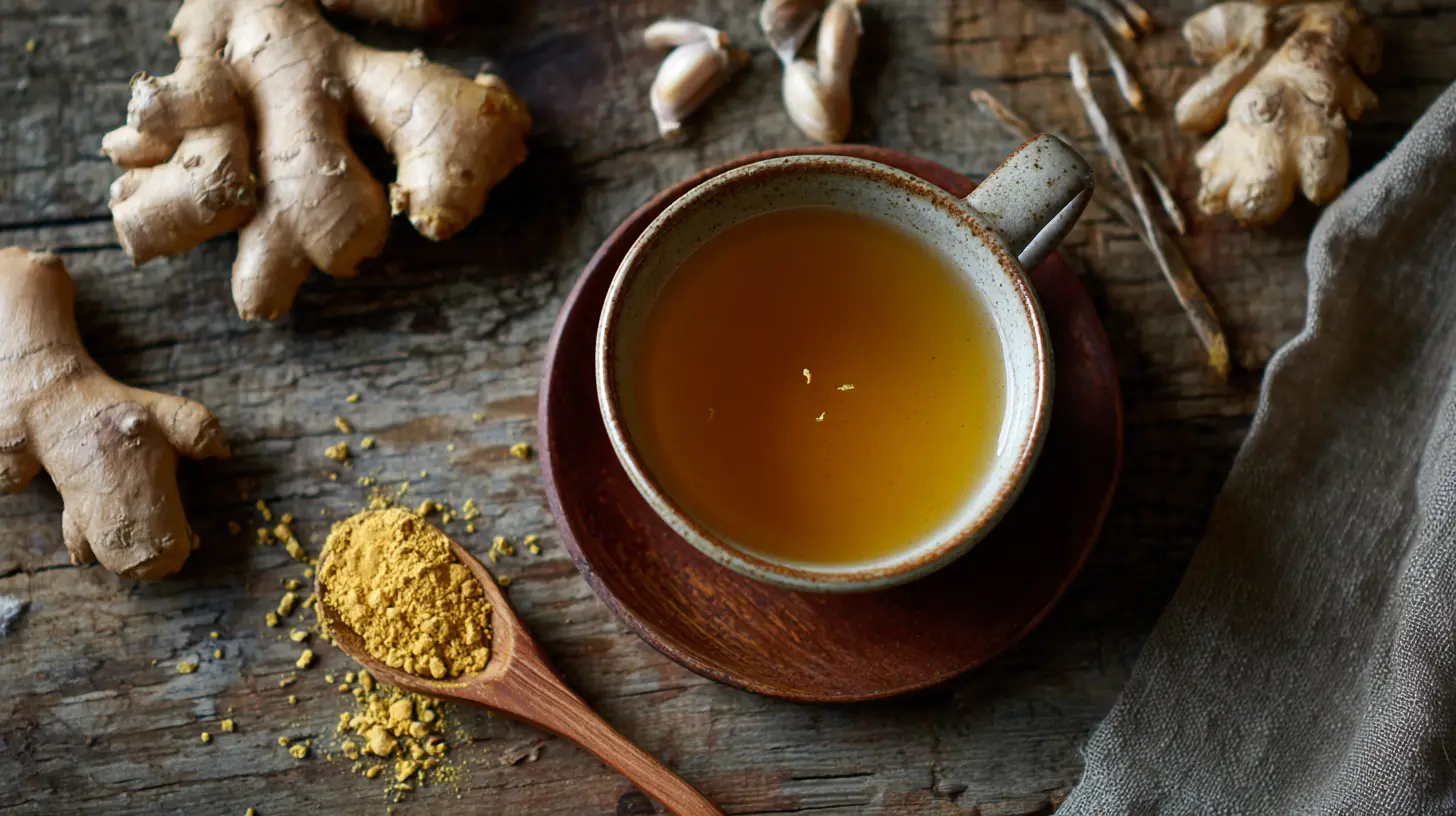
Anti-Inflammatory Miso Ginger Bowl
A delicious bowl with 5 anti-inflammatory benefits.
Miso Paste
Ginger
Broccoli
Carrots
Tofu
Chop the ginger into small pieces.
Steam the broccoli until tender.
Combine miso paste and ginger in a bowl.
Sauté carrots in a pan.
Mix tofu with miso ginger sauce in a bowl.
Healing Miso Ginger Broth: A Nourishing Anti-Inflammatory Recipe
Are you searching for a comforting soup that both soothes and heals? This warming Anti-Inflammatory Miso Ginger broth combines traditional Japanese flavors with powerful healing ingredients. The aromatic combination of ginger, garlic, and umami-rich miso creates a deeply satisfying base that’s perfect for cold days or when you’re feeling under the weather. This Anti-Inflammatory Miso Soup is surprisingly simple to make at home, allowing you to control ingredients while maximizing both flavor and therapeutic benefits.
Ingredients & Kitchen Tools
For the broth base:
– 6 cups vegetable broth (low-sodium preferred)
– 3 tablespoons white or yellow miso paste (fermented soybean paste, foundational for flavor)
– 2-inch piece fresh ginger, sliced thinly (provides spicy warmth)
– 4 garlic cloves, smashed (offers immune-boosting compounds)
– 1 tablespoon sesame oil (adds nutty depth)
– 2 tablespoons tamari or soy sauce (umami enhancer)
– 1 tablespoon rice vinegar (balances flavors with acidity)
Optional additions:
– 2 cups chopped vegetables (bok choy, mushrooms, carrots)
– 8 oz firm tofu, cubed (protein source)
– 2 green onions, thinly sliced (for garnish)
– 1 sheet nori, cut into strips (mineral-rich sea vegetable)
– Red pepper flakes (adjustable heat)
Kitchen tools:
– Large soup pot
– Whisk (for incorporating miso)
– Fine mesh strainer (for straining ginger and garlic)
– Ladle
– Sharp knife and cutting board
Prep Time & Cooking Schedule
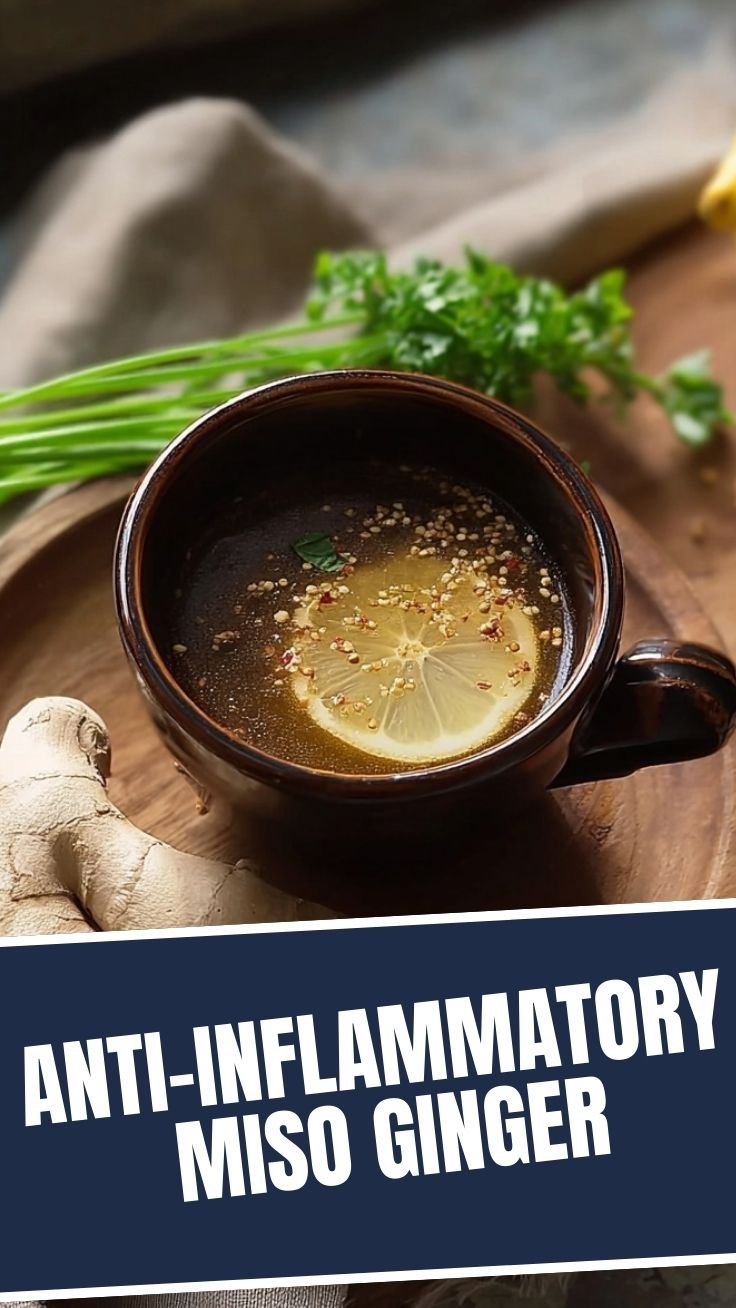
Prep time: 15 minutes (chopping vegetables, slicing ginger, preparing other ingredients)
Cook time: 30 minutes (20 minutes for broth development, 10 minutes for vegetables)
Total time: 45 minutes
This recipe comes together quickly, making it perfect for weeknight dinners. Most of the cooking time is hands-off as the broth simmers and develops flavor.
Step-by-Step Instructions

1. Prepare the aromatics: Thinly slice ginger (no need to peel if organic) and smash garlic cloves with the side of your knife.
2. Create the flavor base: Heat sesame oil in a large pot over medium heat. Add ginger and garlic, cooking for 2-3 minutes until fragrant but not browned.
3. Add the broth: Pour vegetable broth into the pot and bring to a gentle simmer. Reduce heat to low, cover, and allow flavors to infuse for 15-20 minutes.
4. Strain the broth: Remove ginger and garlic pieces using a fine mesh strainer for a cleaner Anti-Inflammatory Miso Ginger broth texture.
5. Incorporate miso properly: In a separate bowl, whisk 3 tablespoons of miso paste with ½ cup of the hot broth until smooth. Then add this mixture back to the main pot. Never boil miso as high heat destroys its beneficial probiotics.
6. Add vegetables and protein: If using vegetables and tofu, add them now and simmer for 5-7 minutes until vegetables reach desired tenderness.
7. Final seasonings: Stir in tamari and rice vinegar. Taste and adjust seasonings as needed to balance your Anti-Inflammatory Miso Soup flavors.
8. Serve mindfully: Ladle into bowls and garnish with green onions and nori strips.
Nutritional Benefits & Advantages
This healing broth delivers multiple health benefits:
– Miso contains beneficial probiotics that support gut health and immunity
– Ginger offers powerful anti-inflammatory compounds that may help reduce pain and nausea
– Garlic provides allicin, an immune-supporting compound with antibacterial properties
– Seaweed (if used) contains iodine and other minerals essential for thyroid function
– The broth format helps with hydration and nutrient absorption
– Low in calories but high in flavor and satisfaction
Tips, Variations & Cooking Advice
– Protein variations: Add shredded chicken, sliced beef, or salmon chunks for non-vegetarian versions
– Heat level adjustments: Increase ginger or add chili oil for more warming properties
– Make it heartier: Add cooked soba or rice noodles for a more filling meal
– Allergy-friendly: Use chickpea miso for a soy-free alternative
Common Mistakes to Avoid

1. Boiling miso: Always add miso off heat or at very low temperatures to preserve its probiotic benefits and prevent bitter flavors.
2. Under-seasoning: Taste throughout the cooking process – this broth should be well-balanced between salty, umami, and subtle acidity.
3. Rushing the broth development: Allow sufficient time for ginger and garlic to infuse for maximum flavor and therapeutic benefits.
4. Cutting vegetables inconsistently: Ensure uniform sizes for even cooking.
Storage & Meal Prep Tips
– Store leftover broth in airtight containers in the refrigerator for up to 3 days.
– Freeze broth (without vegetables) in ice cube trays for convenient flavor bombs to add to other dishes.
– For meal prep, prepare broth and store separately from vegetables and proteins. Combine only when ready to serve.
– When reheating, warm gently to just below boiling to preserve miso’s beneficial properties.
Conclusion
This nourishing Anti-Inflammatory Miso Ginger broth does more than satisfy hunger—it provides a therapeutic food experience that supports wellness from the inside out. The beautiful balance of traditional Japanese ingredients with immune-supporting elements makes this Anti-Inflammatory Miso Soup a recipe worth adding to your regular rotation. Whether you’re fighting seasonal challenges or simply seeking a nourishing meal, this adaptable broth delivers both flavor and function in every spoonful.
FAQs
Can I use red miso instead of white miso?
Yes, though red miso has a stronger, saltier flavor. Start with half the amount and adjust to taste.
Is this recipe gluten-free?
It can be! Just ensure your miso and tamari/soy sauce are certified gluten-free, as some varieties contain wheat.
Can I make this in an Instant Pot?
Absolutely. Use the sauté function for the first steps, then pressure cook for 5 minutes. Add miso only after releasing pressure.
How can I increase the protein content without adding meat?
Besides tofu, try adding a soft-boiled egg, edamame beans, or a tablespoon of hemp seeds as garnish.
Will this help if I have a cold?
While not a cure, the warm broth, anti-inflammatory ginger, immune-supporting garlic, and hydrating properties can provide comfort and support your body’s natural healing processes.
Best way to grow Anti-Inflammatory Miso Ginger: 5 Benefits
Equipment
- Not applicable
Ingredients
Miso Ginger
- 1 cup Miso paste
- 1 inch Ginger root
- 1/4 cup Water
Instructions
Benefits of Miso Ginger
- Miso and ginger are known for their anti-inflammatory properties that can help reduce inflammation in the body. They contribute to a healthy gut by promoting beneficial gut bacteria and aiding digestion.
- Miso and ginger contain antioxidants that protect cells from damage and support the immune system. Their combined consumption may help reduce the risk of certain chronic diseases.
- Beyond physical benefits, the unique flavor of miso and ginger can enhance culinary experiences, encouraging a diet rich in diverse and beneficial ingredients.