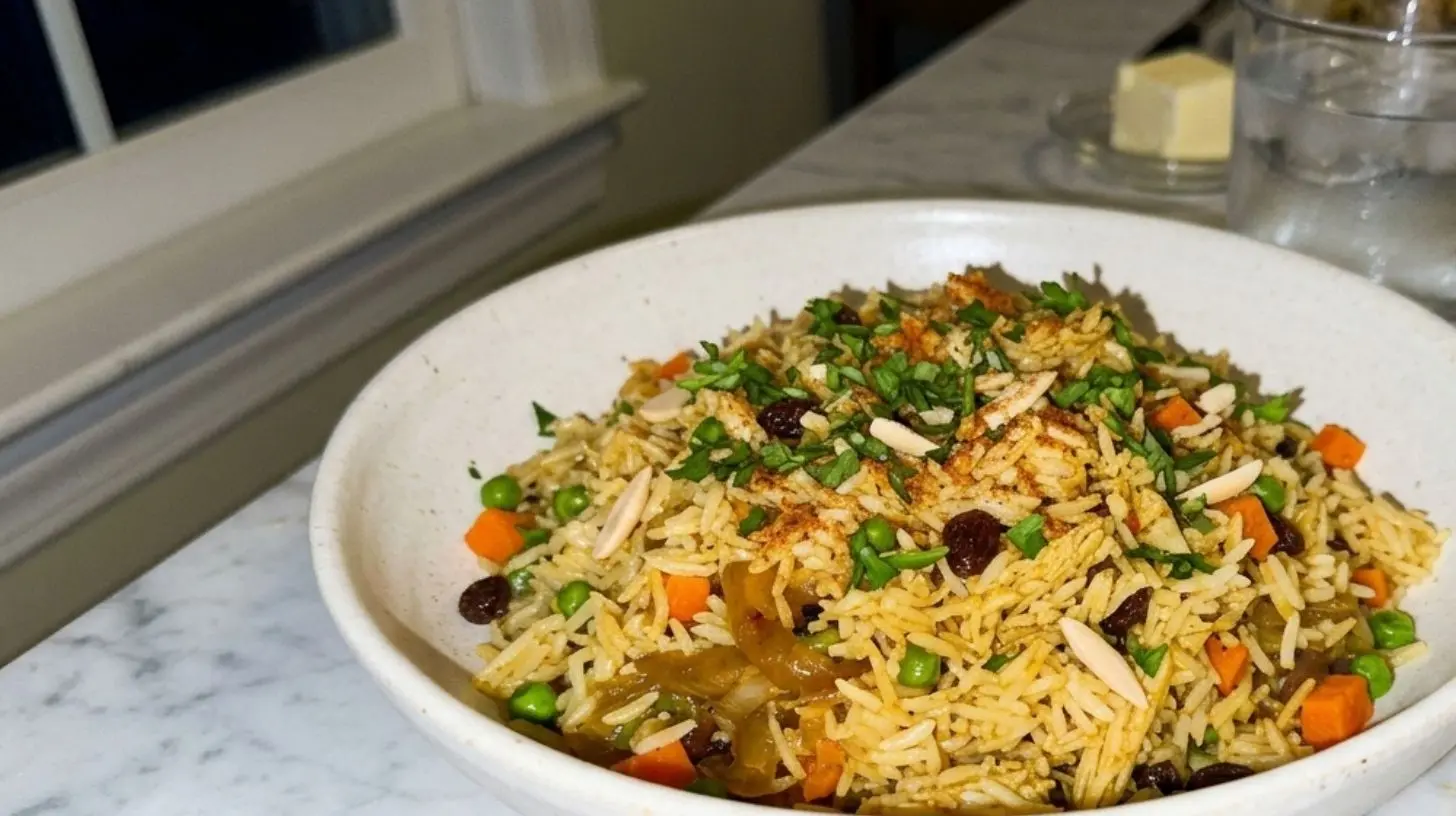
Tasty Rice Pilaf
Learn a proven way to grow delicious Rice Pilaf in just 4 simple steps.
Rice
Butter
Onion
Chicken broth
Peas
Heat butter in a pan.
Saute onion until translucent.
Add rice and cook until slightly toasted.
Pour in chicken broth and peas, then simmer until rice is cooked.
The Ultimate Guide to Restaurant-Quality Rice Pilaf at Home
Have you ever wanted to recreate that golden, buttery side dish from your favorite Mediterranean restaurant? The answer lies in one skillet and a handful of pantry staples. Making this Rice Pilaf at home saves money, controls quality, and fills your kitchen with an irresistible aroma. This rice pilaf recipe uses orzo toasted to a nutty brown, which gives the dish its signature depth. You’ll skip the boxed mixes, embrace real ingredients, and impress everyone at the table without breaking a sweat.
Ingredients & Kitchen Tools
Essential Ingredients:
– 1 cup long-grain white rice (basmati or jasmine work best for fluffy grains)
– ½ cup orzo pasta (the tiny rice-shaped pasta that creates that classic pilaf texture)
– 2 tablespoons butter or olive oil (butter adds richness; oil keeps it dairy-free)
– ½ small yellow onion, finely diced (adds a sweet, savory base)
– 2 cups low-sodium chicken or vegetable broth (choose based on your protein pairing)
– ½ teaspoon salt (adjust based on your broth’s sodium level)
– Black pepper to taste
– Fresh parsley, chopped, for garnish
Optional Mix-Ins: toasted slivered almonds, dried cranberries, lemon zest, or sautéed mushrooms.
Kitchen Tools Needed:
– A medium saucepan with a tight-fitting lid (glass lids help you peek without lifting)
– Wooden spoon or silicone spatula for stirring
– Measuring cups and spoons
– Fine-mesh strainer (for rinsing the rice thoroughly)
Prep Time & Cooking Schedule
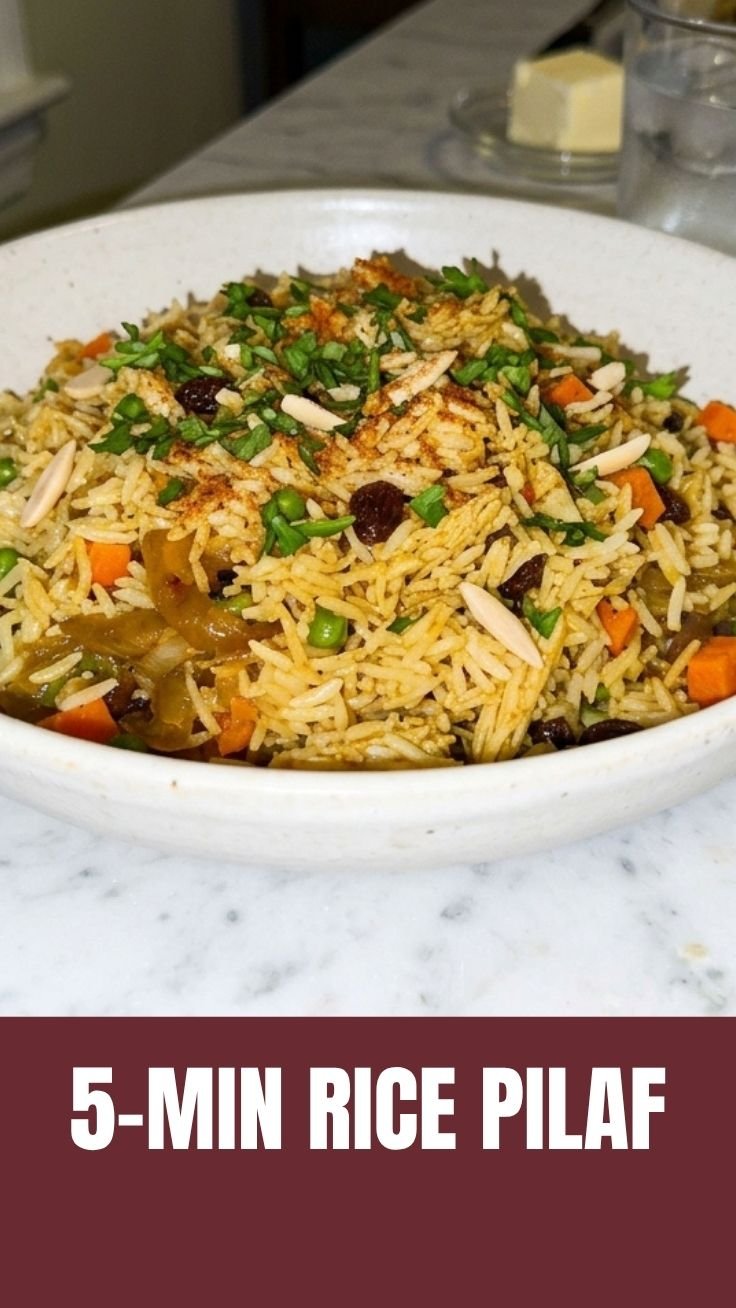
This dish moves quickly, so planning ahead makes a real difference. Here is the full timeline:
– Prep Time: 10 minutes (rinse rice, dice onion, measure broth)
– Cook Time: 20–25 minutes (toasting, simmering, and resting included)
– Rest Time: 10 minutes (critical for fluffiness — do not skip it)
– Total Time: Approximately 35–40 minutes
Since the cooking is almost entirely hands-off after the initial toasting, you can prepare a roasted chicken, grilled fish, or a simple salad while the pilaf simmers. It makes a stress-free weeknight companion.
Step-by-Step Instructions
1. Rinse the rice under cold water in a fine-mesh strainer until the water runs clear. This removes excess starch and prevents gumminess.
2. Melt the butter in the saucepan over medium heat. Add the orzo and toast, stirring constantly with a wooden spoon, until it turns golden brown — about 3 minutes. This step gives the entire dish a beautiful nutty flavor. Watch carefully; orzo burns quickly.
3. Add the diced onion and sauté for 2–3 minutes until translucent and fragrant.
4. Stir in the rinsed rice and coat every grain with the buttery orzo mixture. Let the rice toast gently for another minute to enhance its aroma.
5. Pour in the broth and add the salt. Bring everything to a rolling boil.
6. Reduce the heat to low, cover the pot tightly, and simmer for 18 minutes without lifting the lid. The steam trapped inside cooks the rice evenly.
7. Remove from heat and let the pot rest, still covered, for 10 minutes. The texture of your finished Rice Pilaf depends entirely on this resting period — it allows each grain to firm up while staying tender.
8. Fluff with a fork, season with pepper and extra salt if needed, and sprinkle with parsley.
To perfect this rice pilaf recipe, always maintain low, steady heat during the simmer. If you notice a slightly nutty smell and golden orzo, you are on the right track.
Nutritional Benefits & Advantages
This dish balances indulgence and practicality. The combination of rice and orzo provides complex carbohydrates for steady energy and a satisfying chewy-tender texture. Using broth instead of plain water adds minerals like calcium and magnesium while boosting flavor without extra salt. Butter provides healthy fats that support nutrient absorption, especially if you add colorful vegetables. If you prefer a lighter version, olive oil and plenty of sautéed veggies turn this into a fiber-rich, heart-friendly side. Plus, it is naturally vegetarian and can easily become vegan or gluten-free with a few smart swaps.
Tips Variations & Cooking Advice
– Flavor variations: Add a pinch of saffron soaked in warm broth for a luxurious golden hue and floral aroma. Stir in lemon zest and fresh herbs at the end for brightness.
– Ingredient swaps: Substitute orzo with broken vermicelli, small pasta shapes, or even quinoa for a protein boost. Replace butter with vegan butter or high-quality olive oil for a dairy-free version.
– Cooking methods: For an oven-baked version, toast the orzo and rice in an oven-safe Dutch oven, add hot broth, cover, and bake at 350°F for 30 minutes. The result is evenly cooked with minimal effort.
– Portion changes: Double the recipe for a crowd — just use a wider pot to maintain even heat distribution. Add cooked chicken, shrimp, or chickpeas to turn the side into a complete one-pan meal.
Common Mistakes to Avoid
– Lifting the lid while simmering: Releasing steam disrupts the cooking temperature and creates unevenly cooked rice. Resist the urge — trust the timer.
– Using a pot that is too small: Overcrowding results in wet, clumpy rice. Use at least a 3-quart saucepan for this quantity.
– Over-stirring after cooking: Stirring breaks the grains and releases starch, making the pilaf sticky. Always fluff with a fork instead.
– Oversalting: Broth already contains sodium, so taste before adding extra salt. You can always add more, but you cannot remove it.
– Skipping the rinse: Unrinsed rice leaves a powdery starch film that ruins the delicate texture.
Storage & Meal Prep Tips
This pilaf stores surprisingly well, making it an excellent meal-prep base.
– Refrigeration: Let the pilaf cool completely, then store in an airtight container in the fridge for up to 4 days.
– Freezing: Portion cooled pilaf into freezer-safe bags, flatten them, and freeze for up to 3 months. It thaws quickly and retains its texture surprisingly well.
– Reheating: Add a tablespoon of broth or water per cup, cover, and reheat over low heat on the stovetop, stirring occasionally. In the microwave, use 30-second bursts with a damp paper towel over the bowl to maintain moisture.
Conclusion
Mastering this side dish transforms ordinary dinners into special occasions. The toasty orzo, fragrant rice, and gentle broth absorption create a texture that feels far more complex than the effort required. Whether you serve it alongside roasted meats, grilled vegetables, or braised chicken, this Rice Pilaf earns a permanent place in your weekly rotation. Bookmark this rice pilaf recipe for your next family gathering or holiday spread. Try it tonight, then share your results in the comments — we would love to hear how your kitchen adventure turned out.
FAQs
1. Can I use brown rice instead of white rice?
Yes, but brown rice needs more liquid and time. Increase the broth to 2½ cups and cook for 40–45 minutes before resting.
2. Why is my pilaf mushy?
This usually happens from too much liquid or stirring during cooking. Reduce the broth to 1¾ cups and avoid opening the lid while simmering.
3. Is this rice pilaf recipe gluten-free?
Traditional orzo contains gluten. For a gluten-free version, use certified gluten-free pasta or simply swap the orzo for additional quinoa or rice.
4. Can I make this ahead of time for a party?
Absolutely. Prepare the pilaf up to two days in advance, then reheat gently with a splash of broth to refresh the texture.
5. What is the best broth to use?
Homemade chicken broth gives the deepest flavor, but high-quality low-sodium store-bought broth works perfectly. Vegetable broth keeps the dish vegetarian without sacrificing taste.