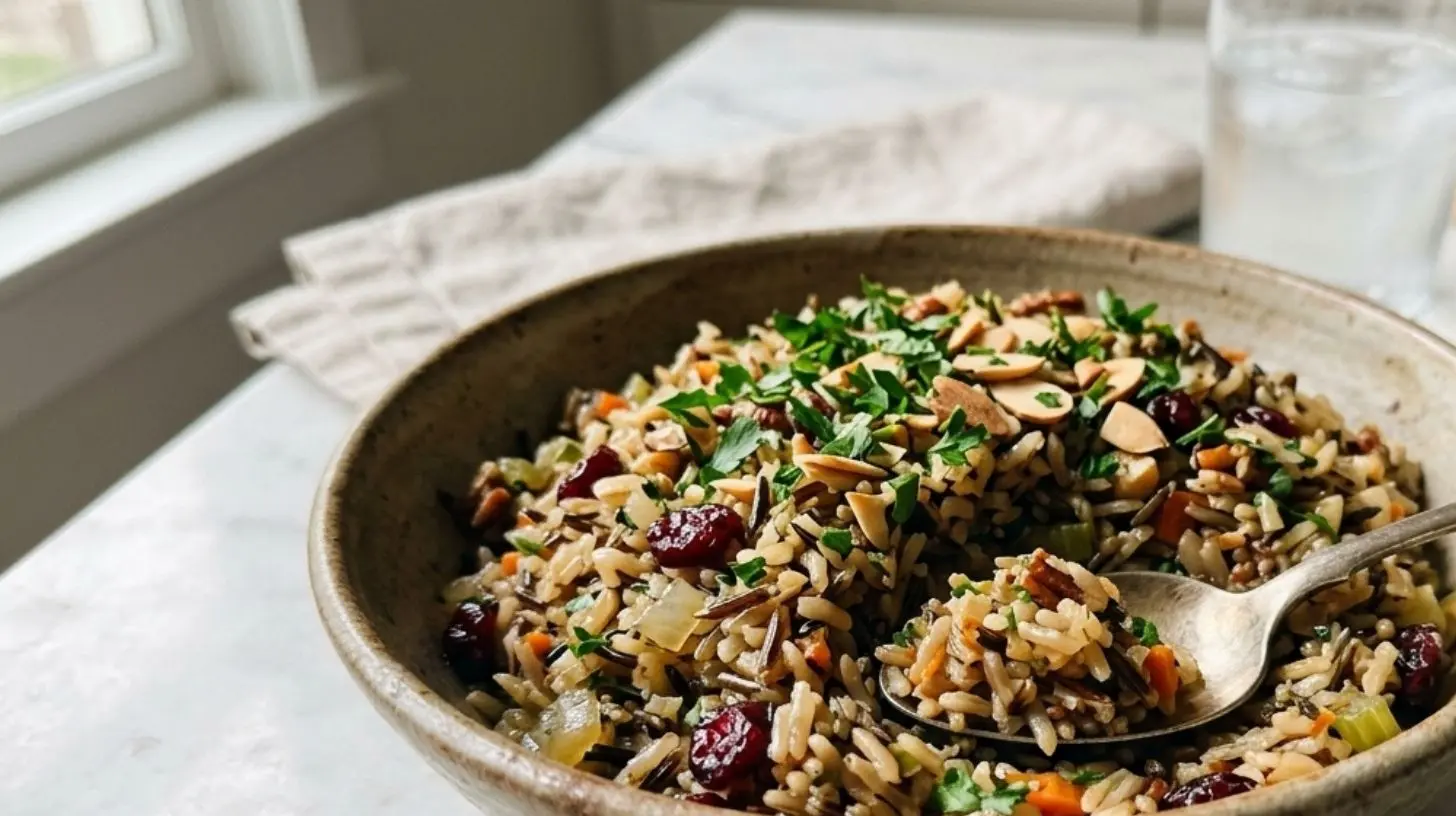
Proven way to grow Wild Rice Pilaf in 3 steps: Wild Rice Pilaf
Learn how to make a delicious Wild Rice Pilaf with just a few simple steps.
Wild rice
Vegetable broth
Onion
Mushrooms
Butter
Rinse the wild rice under cold water.
Sauté the onions and mushrooms in butter until soft.
Cook the wild rice in vegetable broth until tender.
How to Make a Savory and Wholesome Rice Side Dish at Home
Have you ever stood in the kitchen wondering what side dish could transform a simple weeknight dinner into something special? A dish that’s nutty, chewy, and packed with texture, yet surprisingly easy to prepare? That’s exactly what you get when you learn to master Wild Rice Pilaf. This elegant side brings a rich, earthy flavor that pairs beautifully with everything from roasted chicken to grilled fish. And if you’re looking to expand your repertoire, exploring other Wild rice recipes can open up a world of hearty, nutrient-dense meals. Making this dish at home not only saves money but also lets you control every ingredient, avoiding excess sodium and preservatives while tailoring the flavors to your family’s taste.
—
Ingredients & Kitchen Tools
Ingredients
– 1 cup wild rice – actually a seed, not a true rice; has a nutty flavor and firm texture.
– 2 cups vegetable or chicken broth – adds depth; low-sodium preferred.
– 1 medium onion, diced – for savory base.
– 2 celery stalks, diced – adds crunch and aroma.
– 1 cup mushrooms, sliced – cremini or button; bring umami.
– 2 cloves garlic, minced – essential for flavor.
– 1/2 cup dried cranberries (optional) – for a touch of sweetness.
– 1/3 cup toasted pecans or slivered almonds – for crunch.
– 2 tablespoons olive oil or butter – for sautéing.
– 1 teaspoon fresh thyme or 1/2 teaspoon dried – aromatic herb.
– Salt and black pepper to taste.
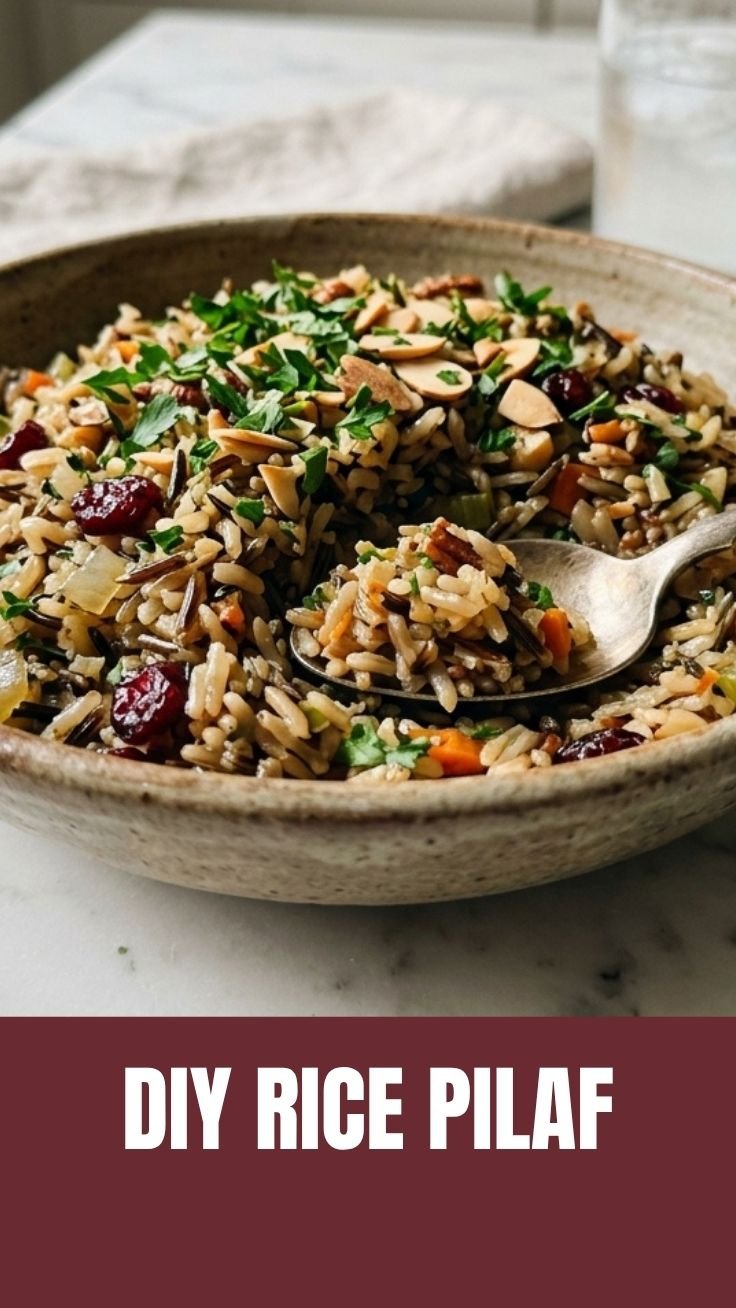
– Fresh parsley for garnish.
Kitchen Tools
– Medium saucepan with lid – for cooking rice.
– Large skillet – for sautéing vegetables.
– Chef’s knife and cutting board.
– Measuring cups and spoons.
– Wooden spoon or spatula.
– Fine-mesh strainer (to rinse wild rice).
Optional Substitutions
– Use quinoa blend for a gluten-free option (though wild rice itself is gluten-free).
– Replace cranberries with chopped dried apricots or raisins.
– Swap pecans for pine nuts or walnuts.
– Use coconut oil instead of butter for dairy-free version.
—
Prep Time & Cooking Schedule
– Prep time: 15 minutes (wash vegetables, dice, rinse wild rice).
– Cook time: 45–50 minutes (wild rice takes longer than white rice).
– Resting time: 5 minutes after cooking, covered, to allow steam to finish.
– Total: About 1 hour.
Plan ahead: Wild rice expands significantly – 1 cup dry yields about 3–4 cups cooked. It also needs a thorough rinse before cooking to remove excess starch and any debris. You can even cook the rice a day in advance and assemble the pilaf just before serving to save time on a busy evening.
—
Step-by-Step Instructions
1. Rinse the wild rice under cold running water in a fine‑mesh strainer for about 30 seconds. This removes surface starch and prevents gummy texture.
2. In a medium saucepan, combine the rinsed wild rice and broth. Bring to a boil over high heat, then reduce to a simmer. Cover and cook for 40–45 minutes, until the grains are tender and have “popped” open slightly. Drain any excess liquid and set aside.
3. While the rice cooks, heat 2 tablespoons of olive oil (or butter) in a large skillet over medium heat. Add the diced onion and celery, and sauté for 5–6 minutes until softened and translucent.
4. Add the sliced mushrooms and cook for another 5 minutes, stirring occasionally, until they release their moisture and begin to brown. Stir in the garlic and cook for 30 seconds until fragrant.
5. Stir in the cooked wild rice, dried cranberries, and fresh thyme. Season with salt and pepper to taste. Cook for 2–3 minutes, allowing the flavors to blend.
6. Fold in the toasted nuts and remove from heat. Cover and let rest for 5 minutes to meld the flavors. Garnish with fresh parsley before serving.
> Tip for perfect texture: Wild rice should be pleasantly chewy, not mushy. If the rice is still hard after 45 minutes, add a splash more broth and cook another 5–10 minutes. For a more intense nutty flavor, toast the dry rice in a pan for 2 minutes before adding the liquid.
During the cooking process, feel free to experiment with other delicious variations – for instance, this Wild Rice Pilaf pairs wonderfully with a honey‑glazed chicken. And if you’re looking for inspiration beyond this dish, browsing Wild rice recipes can spark new ideas for incorporating this versatile grain into your weekly menu.
—
Nutritional Benefits & Advantages
Wild rice is a whole grain packed with fiber, protein, and essential minerals like magnesium, phosphorus, and zinc. A single serving (1 cup cooked) provides about 6 grams of protein and 3 grams of fiber, making it more satisfying than white rice. The mushrooms contribute B vitamins and antioxidants, while the nuts add healthy unsaturated fats. This pilaf is low in saturated fat and completely gluten‑free (when using gluten‑free broth). It’s also naturally vegan if you use oil instead of butter and vegetable broth.
—
Tips Variations & Cooking Advice
– Flavor variations: Add a pinch of smoked paprika or cumin for a warm, smoky note. For a sweeter profile, increase dried fruit to 3/4 cup and add a drizzle of maple syrup.
– Ingredient swaps: Replace wild rice with a wild rice blend (often mixed with brown rice) if you prefer a softer texture. Use chopped kale or spinach stirred in at the end for extra greens.
– Alternative cooking methods: Cook the rice in a rice cooker (using broth) for a hands‑off approach. Or bake the assembled pilaf at 350°F for 20 minutes covered – ideal for large gatherings.
– Dietary adaptations: To make nut‑free, substitute seeds like sunflower or pepitas. For a lower‑sodium version, use unsalted broth and season gradually.
– Portion changes: This recipe serves 4 as a side; double all ingredients for a crowd or for meal prep.
—
Common Mistakes to Avoid
– Not rinsing the wild rice – skipping this step can lead to a sticky, glue‑like finish. Always rinse.
– Overcooking or undercooking – wild rice takes longer than expected; check at 40 minutes and continue if grains are still hard inside. Undercooked rice will be crunchy, not chewy.
– Skipping the sauté – adding raw vegetables to the cooked rice yields bland results. Sautéing releases their natural sweetness and depth.
– Adding nuts too early – if you add nuts during cooking, they’ll lose crunch. Fold them in just before serving.
– Using too much liquid – wild rice absorbs about 2.5 to 3 times its volume. Stick to a 1:2½ or 1:3 ratio of rice to liquid for best results.
—
Storage & Meal Prep Tips
– Refrigeration: Cool the pilaf completely, then store in an airtight container for up to 5 days.
– Freezing: Portion into freezer‑safe bags or containers. Freeze for up to 3 months. Thaw overnight in the refrigerator.
– Reheating: Warm in a skillet over medium heat with a splash of broth or water to restore moisture. Stir frequently until heated through (about 5–7 minutes). You can also microwave in 30‑second increments, stirring between each.
– Meal prep: Cook a double batch of wild rice on Sunday. Use half for this pilaf and the rest for breakfast bowls with eggs or as a base for grain salads.
—
Conclusion
Mastering a Wild Rice Pilaf at home is a small skill that delivers big rewards – it’s versatile, nutritious, and always impressive. Whether you serve it alongside your favorite protein or let it star as a vegetarian main, the nutty, chewy grains and sautéed vegetables create a satisfying bite every time. Don’t stop here; exploring other Wild rice recipes can help you discover even more ways to enjoy this wholesome ingredient. Try this recipe tonight, and share your results – we’d love to see how you make it your own!
—
FAQs
1. Can I use a wild rice blend instead of pure wild rice?
Yes. A blend (often mixed with brown rice) cooks faster – check the package instructions. You may need to reduce cooking time by 10–15 minutes.
2. Is wild rice gluten‑free?
Yes, wild rice is naturally gluten‑free. Ensure your broth and any added seasonings are certified gluten‑free if you have celiac disease.
3. Why did my pilaf turn out mushy?
Mushiness usually comes from too much liquid or overcooking. Use a 1:3 ratio at most, and drain any excess liquid after cooking the rice.
4. Can I make this pilaf without nuts?
Absolutely. Omit nuts entirely, or replace them with toasted pumpkin seeds for a nut‑free crunch.
5. What main dishes pair best with wild rice pilaf?
It complements roasted poultry, pork tenderloin, grilled salmon, or even hearty vegetarian options like stuffed acorn squash. The earthy flavors harmonize with honey‑glazed or citrus‑based meats.