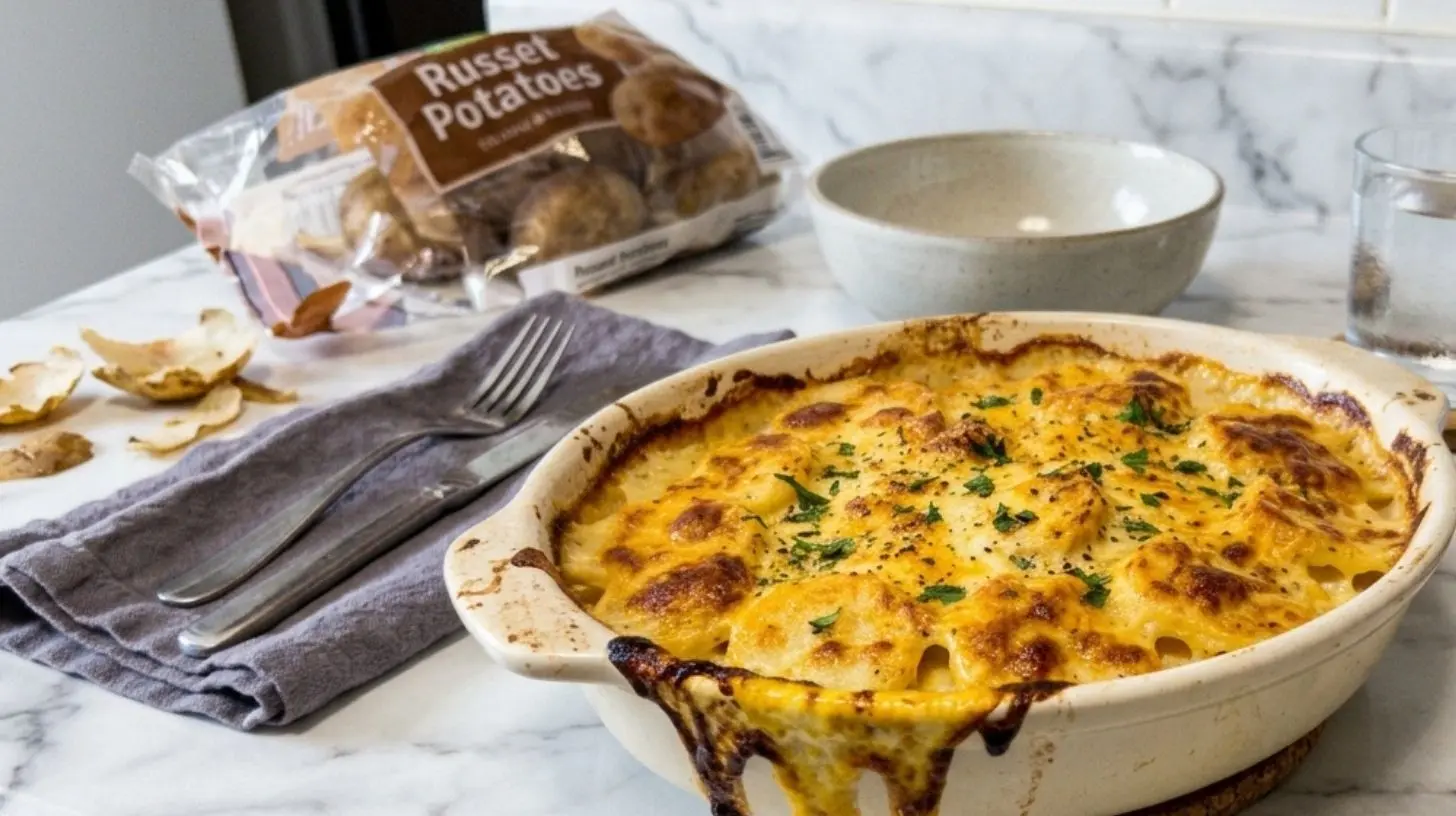
5-Star Scalloped Potatoes
A delicious and creamy side dish that will impress everyone.
Potatoes
Butter
Flour
Milk
Cheddar Cheese
Salt
Pepper
Thinly slice the potatoes.
Make a roux by melting butter, adding flour, and stirring.
Gradually whisk in the milk to make a creamy sauce.
Layer the potatoes, sauce, and cheese in a baking dish.
Bake in the oven until the potatoes are tender and the top is golden brown.
Creamy, Cheesy, and Irresistible: The Ultimate Guide to Perfect Scalloped Potatoes
Have you ever wondered why restaurant-style Scalloped Potatoes taste so much richer than your homemade versions? The secret isn’t a secret ingredient—it’s technique, timing, and a touch of patience. Whether you’re planning a holiday feast or a cozy weeknight dinner, mastering this classic dish will elevate your cooking game. Making it from scratch allows you to control the creaminess, cheese pull, and seasoning, while avoiding preservatives and excess sodium. In this guide, we’ll also explore a lighter variation known as Potato Gratin, which swaps dairy for plant-based alternatives without sacrificing flavor. Let’s dive into the data-driven steps for a foolproof result every time.
Ingredients & Kitchen Tools
Required Ingredients
– Potatoes (2 lbs, Yukon Gold or Russet) – Starchy potatoes yield the creamiest texture; waxy potatoes hold shape better but may not soften as much.
– Heavy cream (2 cups) – Full-fat cream ensures a luscious sauce; substitute half-and-half for a lighter version.
– Whole milk (1 cup) – Balances richness; use unsweetened oat milk for dairy-free.
– Sharp cheddar cheese (2 cups, shredded) – Melts beautifully; Gruyère or Parmesan adds nuttiness.
– Butter (3 tbsp) – For the roux and greasing the dish; use vegan butter for plant-based.
– All-purpose flour (3 tbsp) – Thickens the sauce; use gluten-free flour blend if needed.
– Garlic (2 cloves, minced) – Adds depth; use garlic powder in a pinch.
– Salt, black pepper, and nutmeg (to taste) – Nutmeg is the secret weapon for scalloped potatoes.
– Fresh thyme or rosemary (optional) – For garnish and aroma.
Kitchen Tools
– Mandoline slicer or sharp knife – For uniform ⅛-inch slices; uneven slices lead to uneven cooking.
– Baking dish (9×13 inches) – Glass or ceramic distributes heat evenly.
– Saucepan – For making the béchamel-style sauce.
– Whisk – Prevents lumps.
– Aluminum foil – For covering initially to steam potatoes.
– Cheese grater – Freshly shredded cheese melts better than pre-shredded.
Prep Time & Cooking Schedule
– Prep Time: 20 minutes (slicing potatoes, grating cheese, making sauce)
– Cook Time: 55–65 minutes (covered for 40 minutes, then uncovered to brown)
– Resting Time: 10 minutes after baking – allows the sauce to set and prevents a runny slice.
Plan Ahead: If you’re serving this as a side dish, start cooking about 1.5 hours before your meal. You can also assemble the dish a day ahead (without baking) and refrigerate; add 10–15 minutes to the baking time.
Step-by-Step Instructions
1. Preheat the oven to 375°F (190°C). Grease your baking dish with butter.
2. Slice the potatoes using a mandoline (⅛-inch thick). Place them in a bowl of cold water to prevent browning; drain and pat dry before layering.
3. Make the sauce: In a saucepan over medium heat, melt butter. Whisk in flour and cook for 1 minute (this removes raw flour taste). Gradually add milk and cream, whisking constantly until thickened (about 3–4 minutes). Stir in minced garlic, salt, pepper, and a pinch of nutmeg. Remove from heat and fold in half of the shredded cheese until melted.
4. Layer the potatoes: Spread a thin layer of sauce on the bottom of the dish. Arrange one layer of potato slices, slightly overlapping. Pour a portion of sauce over the potatoes, then sprinkle a little cheese. Repeat layers until all potatoes and sauce are used (about 3–4 layers). Finish with remaining cheese on top.
5. Bake covered with foil for 40 minutes. This steams the potatoes and ensures they become tender. Pro tip: Check for doneness by piercing a potato slice with a knife – it should slide in easily.
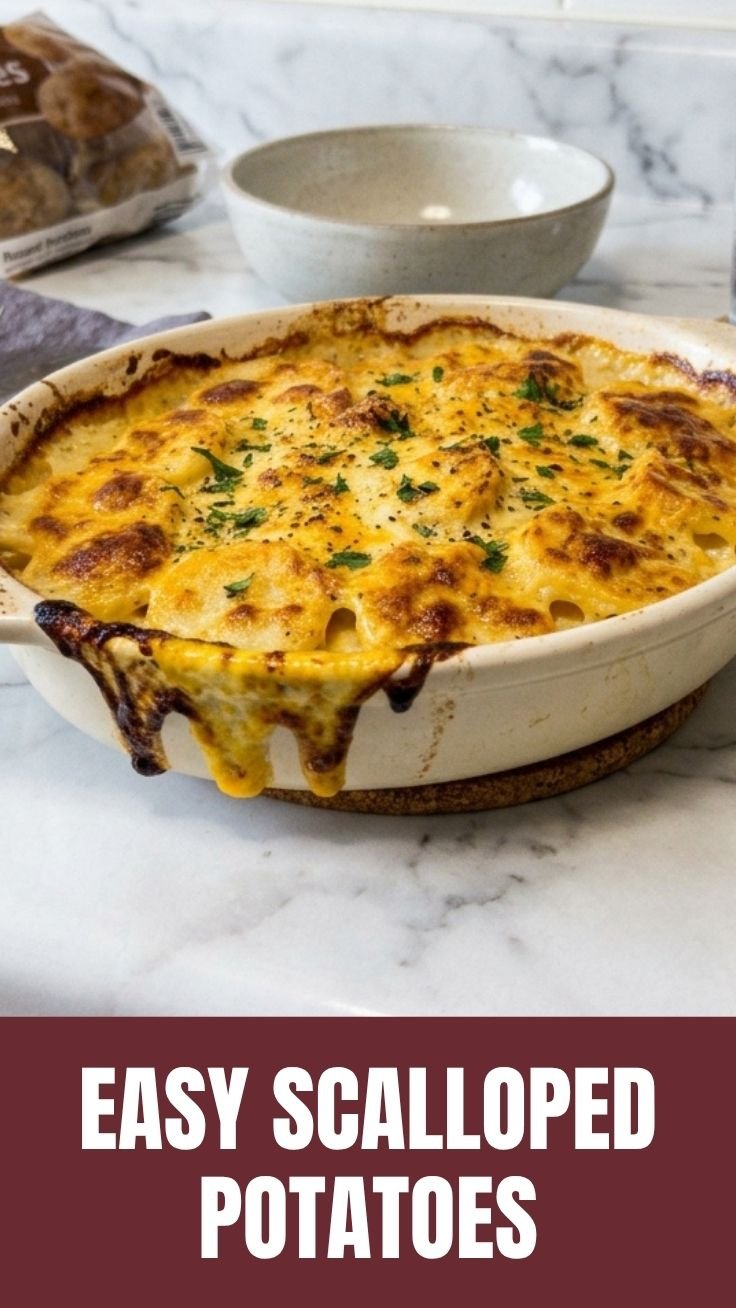
6. Uncover and bake for another 15–20 minutes until the top is golden brown and bubbly. If you prefer a crisper crust, switch to broil for the last 2 minutes.
7. Rest for 10 minutes before serving. This step is crucial for the sauce to thicken and the layers to hold together.
Remember, the key to perfect Scalloped Potatoes is patience during layering and baking. For a dairy-free twist, try the Potato Gratin version using cashew cream and vegan cheese – the same technique applies but with a lighter finish.
Nutritional Benefits & Advantages
Potatoes often get a bad rap, but they are a nutrient powerhouse. One medium potato provides about 30% of your daily vitamin C, more potassium than a banana, and fiber (if you leave the skin on). Adding dairy or plant-based alternatives boosts calcium and protein. When made with heavy cream and cheese, this dish is calorie-dense, so portion control matters. However, choosing a lighter Potato Gratin with almond milk and nutritional yeast reduces saturated fat while retaining creaminess. The dish also offers versatility: you can incorporate vegetables like spinach or caramelized onions to increase vitamins and antioxidants.
Tips Variations & Cooking Advice
– Flavor variations: Add cooked bacon bits, caramelized onions, or sautéed mushrooms between layers. For a smoky edge, use smoked Gouda or chipotle powder.
– Dietary adaptations: For gluten-free, swap flour with cornstarch or arrowroot (use half the amount). For dairy-free, use vegan butter, unsweetened oat milk, and plant-based cheese shreds. The Potato Gratin recipe linked above is an excellent starting point.
– Cooking method alternatives: You can make individual portions in ramekins (reduce baking time by 10 minutes). Or use a slow cooker: layer ingredients and cook on low for 4–5 hours, then uncover and broil.
– Portion changes: Halve the recipe for a smaller dish (8×8 pan) – adjust baking time to 40 minutes covered, then 15 minutes uncovered.
Common Mistakes to Avoid
– Slicing potatoes too thick – Anything over ¼ inch will result in crunchy centers. Use a mandoline for consistency.
– Skipping the roux – A flour- and butter-based sauce prevents curdling and ensures a smooth, creamy texture. Don’t just pour cream over potatoes.
– Overbaking uncovered – The cheese can burn before potatoes are tender. Always cover for the first 40 minutes.
– Not resting after baking – Cutting into the dish immediately causes the sauce to run all over the plate. Patience pays off.
– Using pre-shredded cheese – Anti-caking agents prevent smooth melting. Grate your own cheese for the best results.
Storage & Meal Prep Tips
– Refrigeration: Store leftovers in an airtight container for up to 4 days. The sauce will thicken; reheat gently to restore creaminess.
– Freezing: Scalloped potatoes freeze well for up to 2 months. Assemble the dish (without baking), wrap tightly in foil, and freeze. Thaw overnight in the fridge, then bake as directed (add 10 minutes). Alternatively, freeze baked leftovers – reheat in a 350°F oven until warmed through.
– Reheating: To maintain texture, reheat in the oven at 350°F for 15–20 minutes, covered with foil. Microwaving works but may make potatoes rubbery.
– Meal prep: Slice potatoes and store in water in the fridge for up to 24 hours. Make the sauce up to 2 days ahead and refrigerate. Assemble just before baking.
Conclusion
Mastering Scalloped Potatoes at home transforms a simple side dish into a show-stopping centerpiece. The combination of creamy sauce, tender potatoes, and golden cheese is unbeatable, and with the tips above, you’ll avoid common pitfalls. If you’re exploring plant-based options, the Potato Gratin version offers a delicious alternative that doesn’t compromise on comfort. Try this recipe for your next gathering, and don’t forget to share your results in the comments. For more hearty side dishes, check out our guide to roasted vegetables and creamy casseroles.
FAQs
1. Can I use sweet potatoes instead of regular potatoes?
Yes, but sweet potatoes have a higher moisture content and may become mushy. Adjust baking time by 10 minutes and add a pinch of cinnamon or nutmeg for flavor.
2. Why did my sauce curdle?
Curdling usually happens from high heat or adding acid (like lemon juice) too quickly. Keep the heat medium-low and whisk constantly. If using a non-dairy milk, choose one with no added sugar or acid.
3. How do I make this dish ahead of time?
Assemble the unbaked casserole up to 24 hours in advance, cover, and refrigerate. When ready to bake, add 10–15 minutes to the covered time. Let it come to room temperature for 30 minutes before baking for even cooking.
4. Can I substitute low-fat milk for heavy cream?
You can, but the sauce will be thinner and less creamy. To compensate, add an extra tablespoon of flour or use a mixture of milk and a dollop of cream cheese.
5. Why are my potatoes still hard after baking?
Your slices may be too thick, or the oven temperature was too low. Ensure slices are ⅛ inch thick and the oven is at 375°F. Also, check that the dish is fully covered during the first 40 minutes to trap steam.