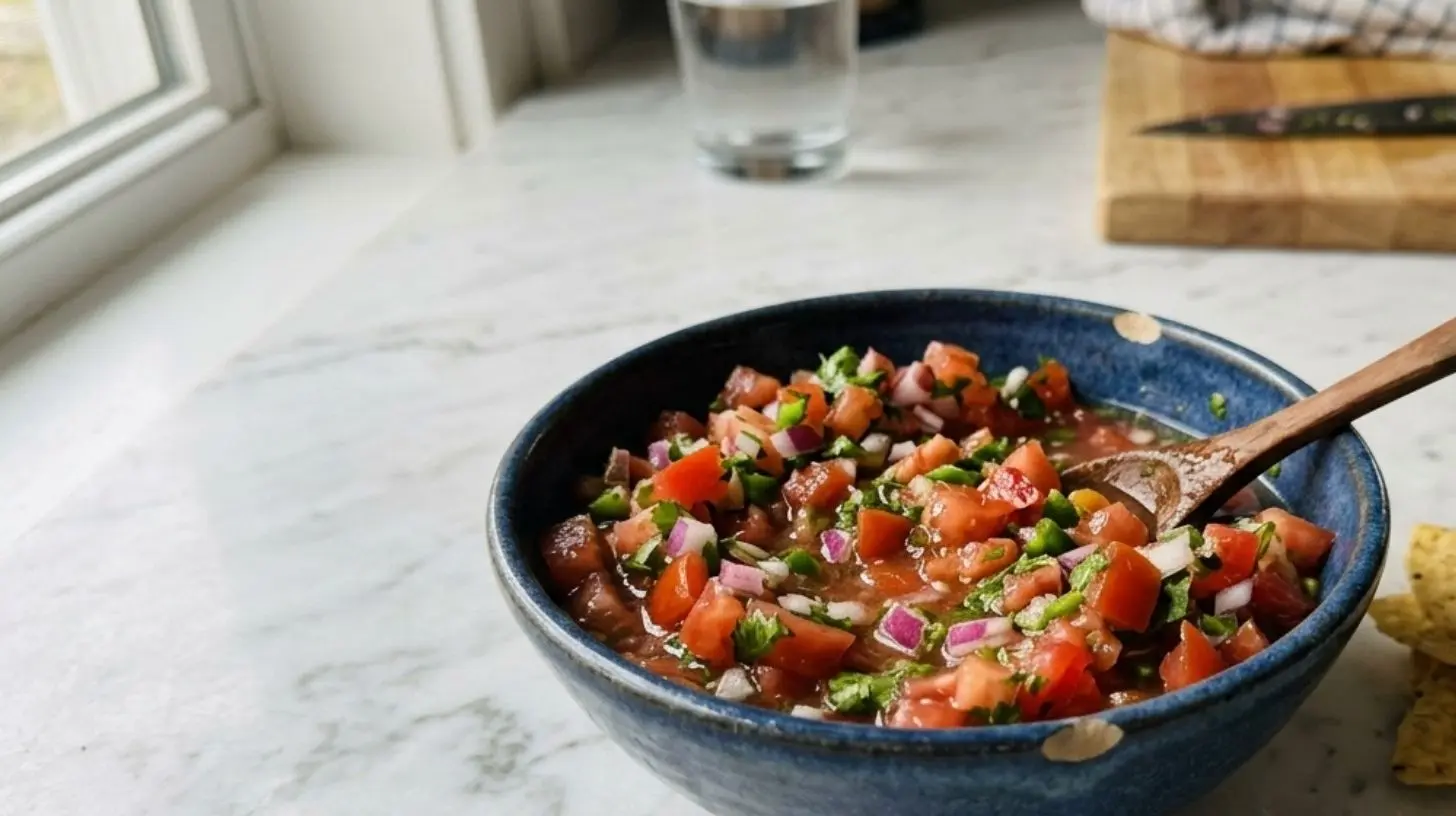
Best Salsa Recipe
Learn the best way to grow and make salsa with these 5 proven tips.
Tomatoes
Onion
Cilantro
Lime
Salt
Pepper
Plant your tomato, onion, and cilantro seeds in a sunny spot.
Water your plants regularly to help them grow.
Harvest your ripe tomatoes and chop them into small pieces.
Dice the onion and chop the cilantro finely.
Squeeze lime juice over the tomatoes, onion, and cilantro.
Season with salt and pepper to taste.
Homemade Salsa: The Vibrant Fresh Dip You’ll Never Buy Again
Have you ever wondered why restaurant salsa tastes so vibrant while store-bought jars fall flat? The secret isn’t a mystery ingredient—it’s freshness, balance, and simple technique. Making your own Salsa at home saves money and lets you customize heat, acidity, and texture to perfection. Whether you’re hosting a game-day gathering or simply elevating taco night, this fresh condiment is a game-changer. And much like the lively rhythm of Salsa dancing, the right combination of ingredients creates an experience that’s impossible to resist. Ready to dive in?
Ingredients & Kitchen Tools
Fresh ingredients:
– 6 ripe Roma tomatoes, diced (vine-ripened works too)
– ½ red onion, finely chopped (white onion is a fine substitute)
– 2 jalapeños, seeded and minced (serrano for extra heat)
– ¼ cup fresh cilantro, chopped (parsley if you dislike cilantro)
– 2 cloves garlic, minced
– 1 lime, juiced (about 2 tablespoons)
– 1 teaspoon salt, plus more to taste
– ½ teaspoon black pepper
Tools:
– Sharp chef’s knife and cutting board
– Large mixing bowl (glass or ceramic)
– Measuring spoons and cups
– Food processor (optional, for smoother texture)
Prep Time & Cooking Schedule
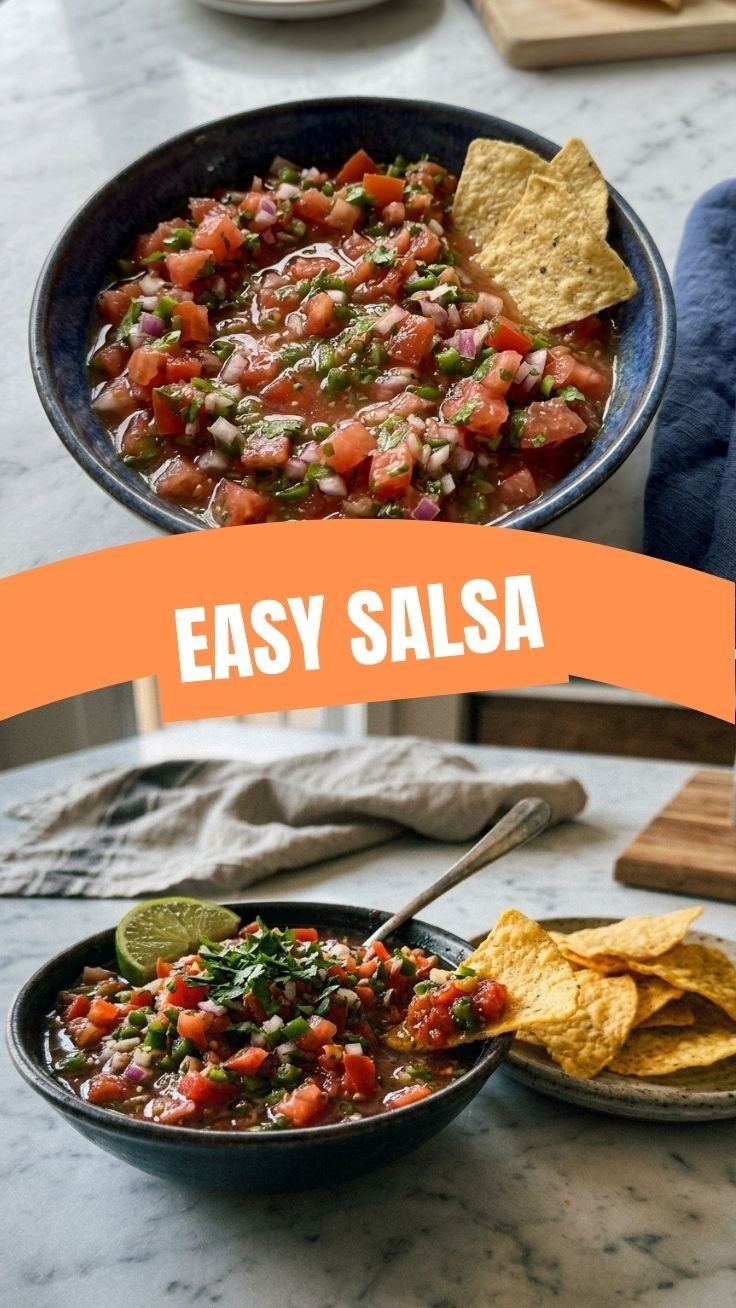
This recipe requires only 15 minutes of active prep time and zero cooking time—perfect for busy weeknights. If you choose the roasted variation, add 10–12 minutes for charring. Resting time matters: allow the salsa to sit for at least 15–20 minutes at room temperature so the flavors meld beautifully. For optimal results, prepare it 1–2 hours ahead and refrigerate before serving. This flexible timing makes it ideal for last-minute gatherings, meal-prepped snacks, or spontaneous parties.
Step-by-Step Instructions
Step 1: Prep the vegetables. Dice the tomatoes, finely chop the red onion and cilantro, and mince the garlic and jalapeños. Keep the seeds in the jalapeños if you prefer a spicier Salsa—remove them for a milder kick. A sharp knife prevents crushed tomatoes and lost juices, preserving the chunky texture.
Step 2: Combine everything. Add all prepared vegetables to a large mixing bowl. Stir in the lime juice, salt, and black pepper. If you prefer a smoother consistency, pulse in a food processor 2–3 times—but avoid over-processing or you’ll end up with a watery puree.
Step 3: Taste and adjust. This is the crucial step that separates good salsa from great salsa. Taste and add more lime for brightness, salt to enhance flavors, or a pinch of chili powder for warmth. Balance is everything.
Step 4: Rest and serve. Cover and let the mixture rest for 15 minutes at room temperature. Serve with tortilla chips, over grilled proteins, or as a topping for eggs and tacos.
Like Salsa dancing, this recipe runs on rhythm—chopping, mixing, tasting, and fine-tuning until every element moves in sync. Use a non-reactive bowl to avoid metallic aftertaste and serve cold or at room temperature, never hot.
Nutritional Benefits & Advantages
This fresh tomato dip delivers approximately 15–20 calories per 2-tablespoon serving, packed with vitamin C, vitamin A, and antioxidants from tomatoes and cilantro. Capsaicin in jalapeños may boost metabolism and reduce inflammation. Naturally gluten-free, vegan, dairy-free, and keto-friendly, this authentic Mexican condiment fits virtually any dietary lifestyle while supporting hydration and digestive health thanks to its high water and fiber content.
Tips Variations & Cooking Advice
– Fruity twist: Fold in ½ cup diced mango or pineapple for a sweet-and-spicy contrast.
– Creamy version: Mash in ¼ avocado for luxurious texture.
– Roasted depth: Char tomatoes, onion, garlic, and jalapeños on a cast-iron skillet or under the broiler, then blend with cilantro and lime.
– Herb swaps: Replace cilantro with fresh parsley if you carry the “cilantro tastes like soap” gene.
– Make it ahead: This chip dip tastes even better on day two—just add fresh cilantro right before serving.
Common Mistakes to Avoid
– Over-processing: Blending too long turns tomatoes watery. Pulse briefly for rustic texture.
– Skipping the rest time: Tomatoes release liquid as they sit, dressing the other ingredients. Rushing leaves a less cohesive flavor.
– Oversalting: Different tomato varieties vary in natural sodium. Start small and adjust after tasting.
– Using dull knives: Crushed tomatoes release excess juice—keep blades sharp for the best texture.
Storage & Meal Prep Tips
Store leftover salsa in an airtight glass container in the refrigerator for 4–5 days. Stir well before serving, as liquid separation is normal. Avoid freezing fresh salsa—tomato texture degrades and turns watery upon thawing. However, cooked or roasted versions freeze reasonably well for up to 3 months; thaw overnight in the fridge and stir thoroughly. For meal prep, chop ingredients separately up to 2 days ahead, then combine and dress before serving. Fresh salsa is best served chilled or at room temperature—never reheated.
Conclusion
Making homemade salsa is one of the simplest yet most rewarding kitchen projects you can master. With fresh ingredients, minimal equipment, and just 15 minutes of prep, you’ll never reach for a jarred version again. Whether enjoyed with chips, tacos, or grilled meats, this Salsa delivers vibrant, customizable flavor every single time. And just as Salsa dancing brings people together on the dance floor, this recipe unites friends and family around the table. Try it at your next gathering, share your results in the comments, or explore our other fresh and flavorful recipes.
FAQs
1. How long does homemade salsa last in the fridge?
Fresh salsa keeps 4–5 days in an airtight container. Stir before serving, as separation is natural.
2. Can I make salsa less spicy?
Yes—remove seeds and membranes from the jalapeños, or use only half a pepper. Adding a teaspoon of sugar or diced cucumber also neutralizes heat.
3. Can I freeze salsa?
Fresh salsa doesn’t freeze well—tomatoes turn mushy. Roasted or cooked salsa freezes up to 3 months, though texture will soften.
4. Why is my salsa watery?
Tomatoes release liquid as they sit. Seed them before dicing, or drain chopped tomatoes for 5 minutes before mixing.
5. Can I use canned tomatoes?
Absolutely—drain a 14-ounce can of diced tomatoes and reduce salt to ½ teaspoon since canned varieties carry added sodium. Expect slightly less vibrant flavor than fresh.