How to Grow Chicken Salad
Learn how to make a delicious chicken salad with fresh ingredients.
Chicken
Lettuce
Tomatoes
Red Bell Pepper
Cucumber
Ranch Dressing
Chop the chicken into small pieces.
Wash and chop all the vegetables.
Cut the tomatoes into slices.
Dice the cucumber.
Slice the red bell pepper.
Combine all the ingredients in a bowl and mix well.
Serve the chicken salad on a plate and enjoy!
The Perfect Homemade Chicken Salad: Creamy, Crunchy, and Irresistible
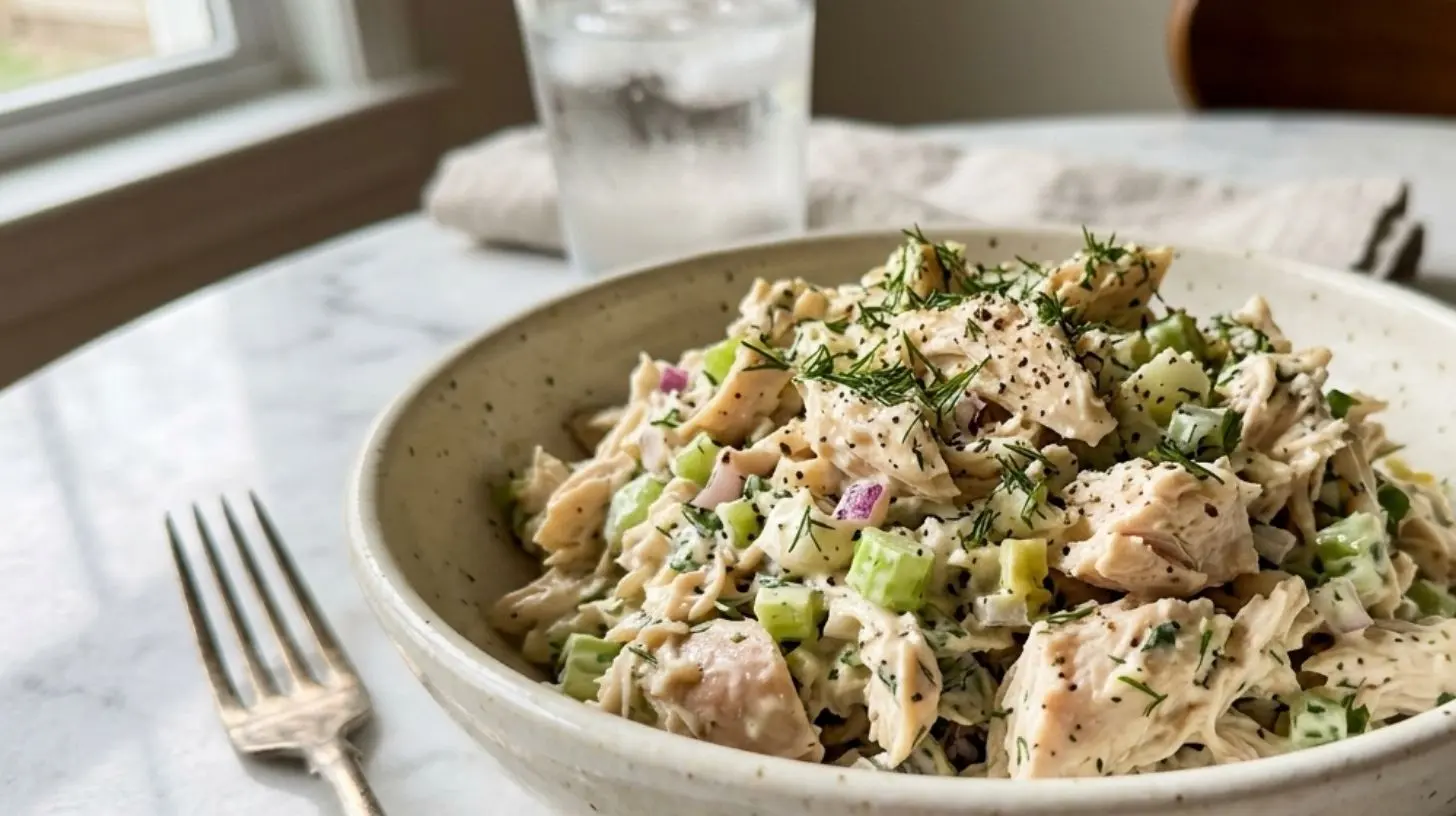
Have you ever opened a store-bought container of chicken salad only to find it dry, bland, or loaded with unnecessary preservatives? What if you could create a fresher, more flavorful version in your own kitchen in under 30 minutes? Preparing a Chicken Salad at home not only lets you control every ingredient—from the quality of the chicken to the crunch of the add-ins—but also saves money and reduces waste. Whether you are meal prepping for the week or looking for a quick lunch, mastering this simple dish is a game-changer. In this post, I’ll share a foolproof Chicken Salad Recipe that delivers restaurant-quality taste with minimal effort. The key is balancing creamy texture with fresh crunch, and I’ll show you exactly how to do it.
Ingredients & Kitchen Tools
Gather the following ingredients and tools before you start. Substitutions are noted where applicable.
Ingredients:
– 2 cups cooked chicken – shredded or diced. Use rotisserie chicken for convenience or poach boneless breasts. Dark meat adds moisture, white meat is leaner.
– ½ cup mayonnaise – full-fat for richness; use Greek yogurt or light mayo for a lower-calorie option.
– 1 tablespoon Dijon mustard – adds tang and helps emulsify. Yellow mustard works, but flavor will be milder.
– 1 tablespoon fresh lemon juice – brightens the dish. Bottled juice is okay in a pinch.
– ½ cup celery, finely diced – provides essential crunch. Fennel bulb is a great substitute.
– ½ cup red grapes, halved – sweetness balances the savory. Dried cranberries or chopped apple work too.
– ¼ cup toasted almonds, slivered – nutty texture. Walnuts or pecans are excellent alternatives.
– 2 tablespoons fresh parsley, chopped – optional, for color and freshness.
– Salt and black pepper to taste – about ½ teaspoon salt and ¼ teaspoon pepper.
Kitchen Tools:
– Large mixing bowl – for combining ingredients.
– Cutting board and chef’s knife – for dicing celery and grapes.
– Measuring spoons and cups – for accuracy.
– Fork or rubber spatula – for mixing gently.
– Serving dish or airtight container – for storage.
Optional substitutions: To make this dairy-free, use vegan mayonnaise. For gluten-free, ensure the mustard and any add-ins are certified gluten-free.
Prep Time & Cooking Schedule
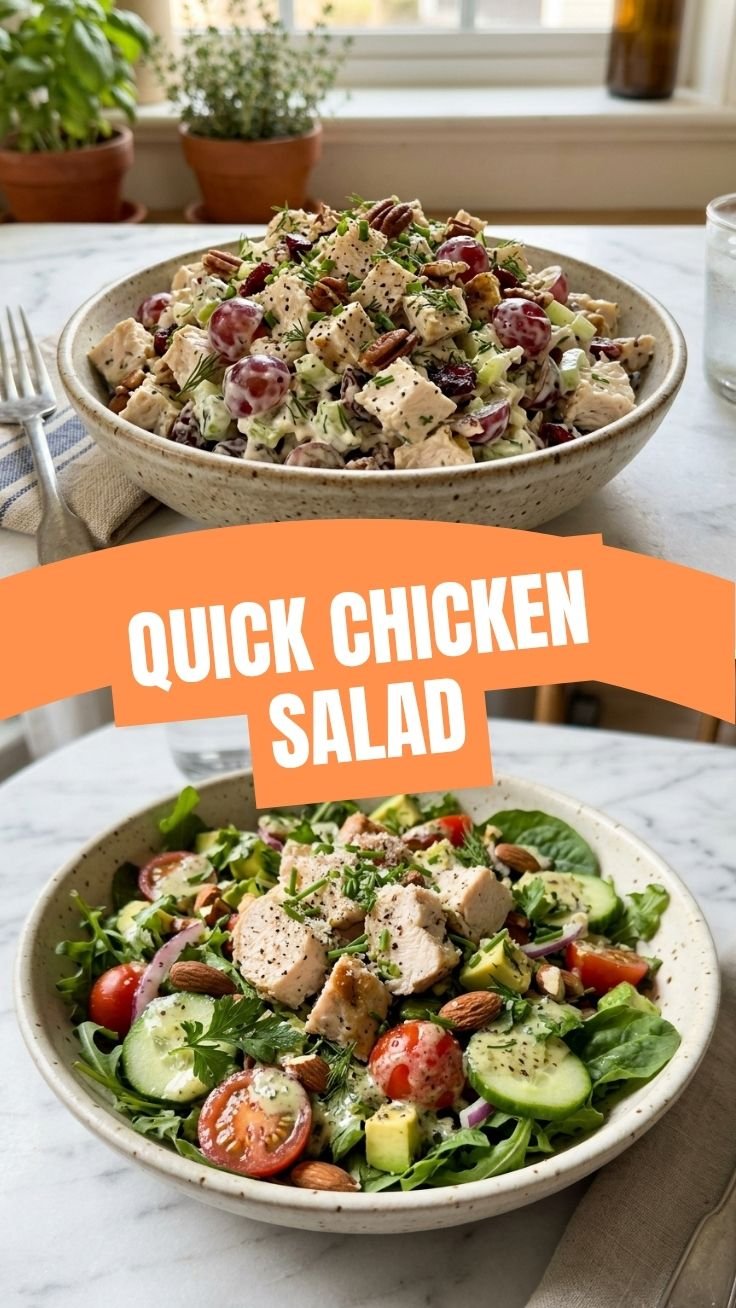
– Prep time: 15 minutes (chopping, measuring, toasting almonds)
– Cooking time: 0 minutes if using pre-cooked chicken; 20 minutes if poaching fresh chicken
– Resting time: 30 minutes in the refrigerator (optional but recommended for flavor melding)
Planning tip: If you are poaching chicken, start that first. Place chicken breasts in a pot, cover with salted water, bring to a boil, then simmer for 12–15 minutes until internal temperature reaches 165°F. Let cool before shredding. While the chicken cools, chop the vegetables and toast the almonds in a dry skillet over medium heat for 3–4 minutes until fragrant.
Step-by-Step Instructions
1. Prepare the chicken. If using rotisserie chicken, remove skin and bones, then shred or dice into bite-sized pieces. For poached chicken, let cool slightly, then shred with two forks or chop with a knife.
2. Toast the almonds (optional but recommended). Spread slivered almonds in a dry skillet over medium heat. Stir frequently until golden, about 3 minutes. Transfer to a plate to cool.
3. Mix the dressing. In a large bowl, combine mayonnaise, Dijon mustard, lemon juice, salt, and pepper. Whisk until smooth and creamy.
4. Add the main components. Add the shredded chicken, diced celery, halved grapes, and toasted almonds to the bowl. Sprinkle with fresh parsley.
5. Fold gently. Use a rubber spatula or fork to fold everything together until evenly coated. Avoid overmixing, which can break up the chicken too much.
6. Taste and adjust. Sample a small spoonful. Add more salt, pepper, or lemon juice as needed. For a creamier version, add an extra tablespoon of mayonnaise. For extra crunch, toss in another handful of celery.
7. Chill (optional). Cover the bowl and refrigerate for at least 30 minutes. This allows the flavors to meld. If you’re in a hurry, serve immediately—it will still be delicious.
8. Serve. Spoon onto crusty bread, lettuce wraps, crackers, or over a bed of greens. This Chicken Salad is versatile and satisfying. For a lighter twist, reduce the mayo and add a splash of Greek yogurt—still following the same Chicken Salad Recipe framework.
Nutritional Benefits & Advantages
This homemade chicken salad is packed with protein (about 25 grams per serving) from the chicken, which supports muscle repair and satiety. Celery provides fiber and vitamin K, while grapes contribute antioxidants like resveratrol. Almonds offer healthy monounsaturated fats, vitamin E, and magnesium. By using homemade mayonnaise (or a quality store-bought brand), you avoid preservatives and high-fructose corn syrup found in many pre-made salads. The recipe is naturally low in carbohydrates (under 10 grams per serving), making it suitable for low-carb or keto lifestyles when served without bread. You can easily boost the vegetable content by adding chopped bell peppers or shredded carrots.
Tips, Variations & Cooking Advice
– Flavor variations: Swap grapes for diced apple or dried cherries. Use tarragon instead of parsley for a classic French twist. Add a pinch of curry powder for a curried chicken salad.
– Dietary adaptations: For a dairy-free version, ensure your mayo is plant-based. For a lower-fat option, use half mayonnaise and half plain Greek yogurt. For a nut-free version, replace almonds with sunflower seeds or omit them entirely.
– Texture tricks: If you prefer a chunkier salad, dice the chicken coarsely. For a smoother spread, pulse the mixture in a food processor a few times.
– Serving ideas: Fill avocado halves with chicken salad for a keto-friendly meal, or stuff into hollowed-out tomatoes for a refreshing appetizer. It also makes a great sandwich filling with crisp lettuce.
– Seasonal swaps: In summer, add fresh corn kernels or diced cucumber. In fall, incorporate roasted butternut squash cubes.
Common Mistakes to Avoid
– Overmixing the salad. This can turn the chicken into mush. Fold gently until just combined.
– Skipping the seasoning. Chicken salad needs a generous amount of salt and pepper plus an acid (lemon juice) to brighten the flavors. Taste before chilling.
– Using watery add-ins. If you add vegetables like cucumber or tomato, pat them dry first to prevent the salad from becoming watery.
– Not toasting the nuts. Raw almonds are less flavorful. Toasting brings out their natural oils and crunch.
– Making it too far ahead. While the salad keeps well for 2–3 days, the grapes may release moisture over time. For best texture, add grapes and almonds just before serving if you plan to store leftovers.
Storage & Meal Prep Tips
– Refrigerate: Store in an airtight container for up to 3 days. The flavors will improve after a few hours, but the salad may become slightly softer.
– Avoid freezing: Mayonnaise-based salads do not freeze well because the emulsion breaks upon thawing, resulting in a watery, grainy texture.
– Reheating: This salad is meant to be served cold. Do not reheat. If you want a warm chicken salad, make a separate batch without mayonnaise and heat the chicken before adding dressing.
– Meal prep: Prepare the chicken and dressing up to 2 days ahead. Combine with fresh vegetables and nuts just before serving to maintain crunch.
– Transporting: Pack the salad in a cooler with an ice pack for picnics or lunches. Serve within 4 hours of leaving the refrigerator.
Conclusion
Making a homemade Chicken Salad is one of the easiest ways to elevate your lunch routine. This Chicken Salad Recipe balances creamy texture, fresh crunch, and bright flavors, all while being fully customizable to your dietary needs. By following the steps above—especially toasting the nuts and seasoning generously—you’ll achieve a consistently delicious result every time. Try it this week, and don’t forget to share your creations or tag me in your photos. For more quick and healthy meal ideas, explore our other recipes on the blog.
FAQs
1. Can I use canned chicken for this recipe?
Yes, but drain it well and flake it with a fork. Canned chicken tends to be drier, so you may need an extra tablespoon of mayonnaise or a splash of chicken broth to add moisture.
2. How can I make this recipe egg-free?
Use a vegan mayonnaise made from aquafaba or soy. Most Dijon mustards are egg-free, but double-check the label. The recipe is naturally egg-free once you swap the mayo.
3. Why did my chicken salad turn out watery?
This usually happens when you add wet ingredients like cucumber or tomatoes without patting them dry, or if the chicken was not fully cooled before mixing. Make sure all ingredients are dry and the chicken is at room temperature.
4. Can I make this chicken salad spicy?
Absolutely. Add 1 teaspoon of sriracha, a pinch of cayenne pepper, or ½ teaspoon of smoked paprika to the dressing. You can also stir in chopped pickled jalapeños.
5. How long does chicken salad last at room temperature?
Do not leave it out for more than 2 hours (1 hour if the temperature is above 90°F). Always refrigerate leftovers promptly. When serving at a picnic, keep the bowl in a larger container filled with ice.