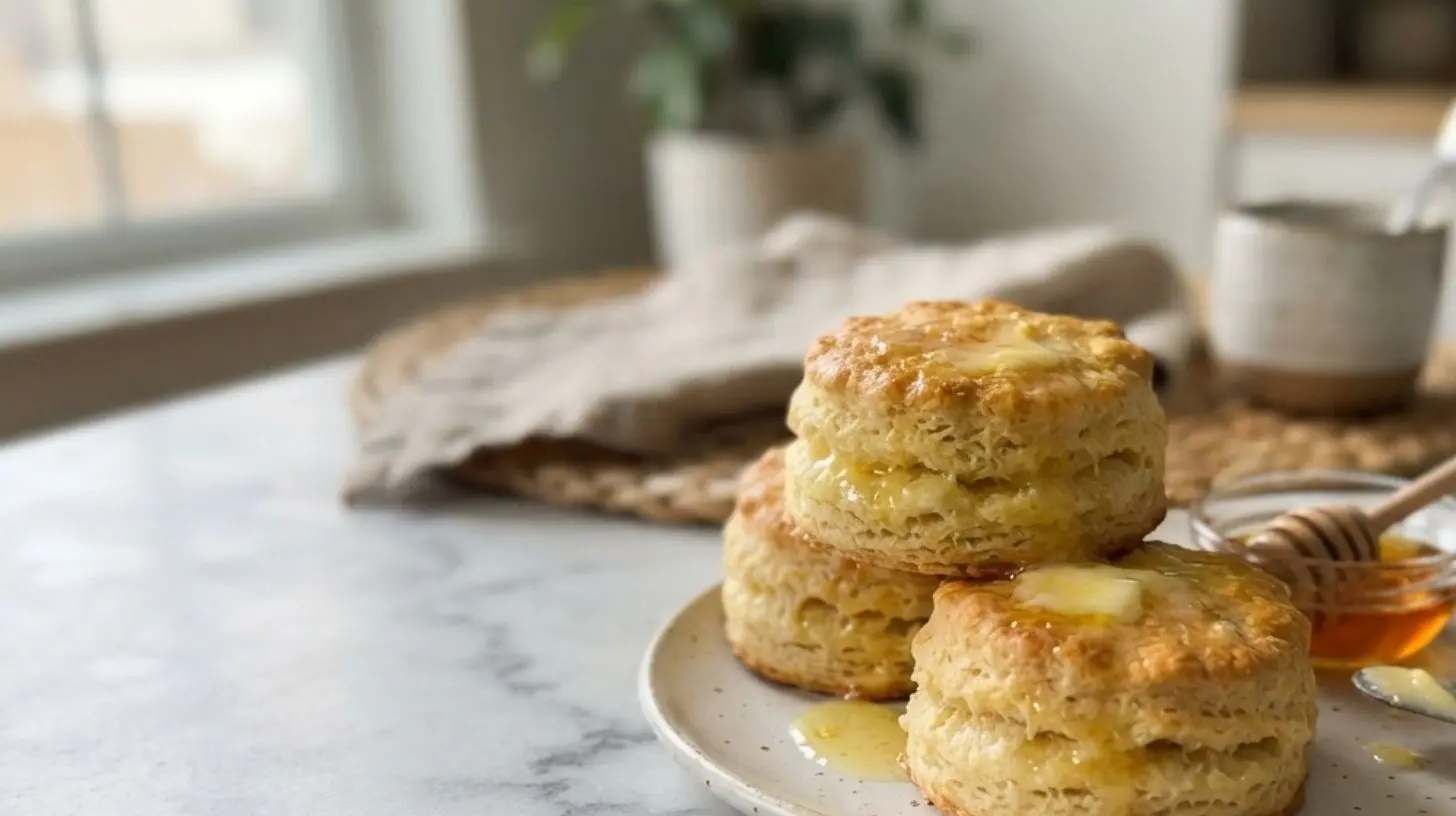
Perfect Biscuits in 5 Minutes
Learn how to quickly make delicious biscuits.
Flour
Baking powder
Butter
Milk
Salt
Mix flour, baking powder, and salt in a bowl.
Cut in the butter until mixture resembles coarse crumbs.
Add milk and stir until just combined.
Drop spoonfuls of dough onto a baking sheet.
Bake in the oven at 450°F for 10-12 minutes.
The Ultimate Guide to Perfect Homemade Biscuits: A Foolproof Recipe for Fluffy, Buttery Success
Have you ever wondered why some homemade biscuits turn out light, flaky, and golden while others emerge from the oven dense, tough, or flat? The secret isn’t just in the ingredients—it’s in understanding the science behind perfect Biscuits. Whether you’re a seasoned baker or a complete beginner, mastering this classic comfort food will transform your breakfast table, elevate your dinner side dishes, and impress every guest. In this comprehensive guide, we’ll walk you through every detail, from choosing the right flour to nailing that signature flaky texture, ensuring your homemade Biscuits become the highlight of any meal. Plus, we’ll explore how to create irresistible Chocolate biscuits for a sweet twist on this beloved staple.
—
Ingredients & Kitchen Tools (H2)
Dry Ingredients
– 2 cups all-purpose flour (or cake flour for extra tenderness) – Spoon and level for accuracy; don’t scoop directly from the bag.
– 1 tablespoon baking powder – Ensure it’s fresh; test by mixing a teaspoon with hot water—it should bubble vigorously.
– 1 teaspoon salt – Fine sea salt dissolves better than coarse kosher.
– 1 tablespoon granulated sugar – Adds a hint of sweetness and aids browning.
Wet Ingredients
– 6 tablespoons cold unsalted butter – Cut into small cubes; freezing for 10 minutes before use ensures flaky layers.
– ¾ cup cold buttermilk – Full-fat yields richer flavor; substitute with milk + 1 tablespoon lemon juice if needed.
Optional Substitutions
– For dairy-free biscuits: Use coconut oil or vegan butter stick, and unsweetened almond milk + 1 tablespoon apple cider vinegar.
– For gluten-free biscuits: Swap flour with a 1:1 gluten-free blend containing xanthan gum; add 1 extra tablespoon of liquid.
Kitchen Tools
– Large mixing bowl
– Pastry cutter or two forks
– Baking sheet lined with parchment paper
– 2-inch round biscuit cutter (or a drinking glass)
– Bench scraper (optional but helpful)
– Pastry brush for buttermilk wash
—
Prep Time & Cooking Schedule (H2)
– Prep Time: 15 minutes (includes chilling butter and cutting biscuits)
– Cooking Time: 12–15 minutes at 450°F (232°C)
– Resting Time: 5 minutes after baking (on the baking sheet)
Best Planning Strategy: Make the dough up to 8 hours ahead, wrap tightly, and refrigerate. Bake fresh just before serving. For a quicker option, freeze unbaked biscuits on a tray, then transfer to a freezer bag; bake directly from frozen, adding 2–3 minutes to the cooking time.
—
Step-by-Step Instructions (H2)
Step 1: Preheat and Prepare
Preheat your oven to 450°F (232°C) with a rack in the middle position. Line a baking sheet with parchment paper.
Step 2: Combine Dry Ingredients
In a large bowl, whisk together 2 cups flour, 1 tablespoon baking powder, 1 teaspoon salt, and 1 tablespoon sugar. This ensures even distribution of leavening agents.
Step 3: Cut in the Butter
Scatter the cold butter cubes over the flour mixture. Using a pastry cutter or two knives, cut the butter into the flour until the mixture resembles coarse meal with pea-sized butter pieces. Pro tip: Work quickly to keep butter cold; if the mixture starts warming, refrigerate for 5 minutes.
Step 4: Add Buttermilk
Make a well in the center and pour in ¾ cup cold buttermilk. Stir with a fork just until the dough comes together. It should be shaggy and slightly sticky—do not overmix, or your Biscuits will become tough.
Step 5: Fold and Shape
Turn the dough onto a lightly floured surface. Gently pat it into a ½-inch thick rectangle. Fold it in half, then pat again to ½-inch thickness. Repeat this folding process 3–4 times—this creates the flaky layers. For the final pat, aim for ¾-inch thickness. This folding technique is also essential for creating tender layers in Chocolate biscuits when you substitute cocoa powder for part of the flour.
Step 6: Cut Biscuits
Use a 2-inch round cutter dipped in flour. Press straight down without twisting—twisting seals the edges and prevents rising. Re-roll scraps only once to avoid toughness.
Step 7: Bake
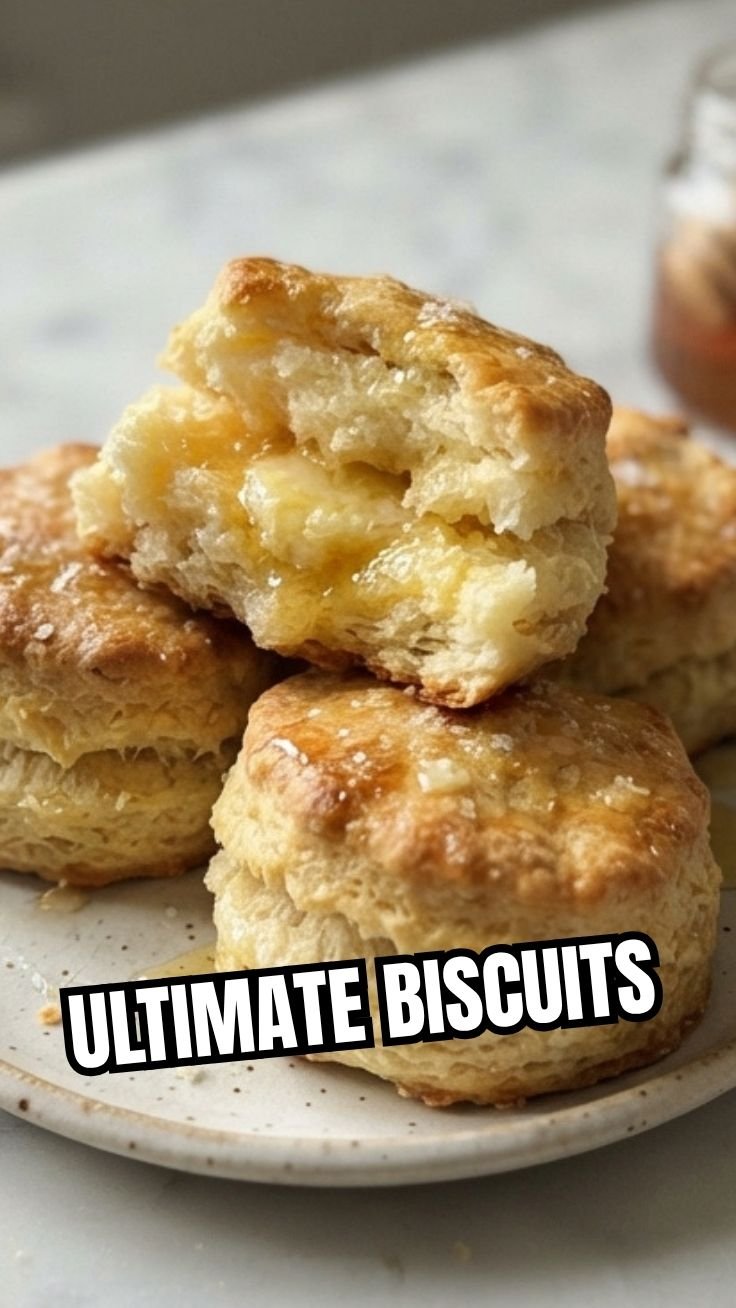
Place biscuits on the prepared baking sheet, sides touching for soft edges or 1 inch apart for crispy edges. Brush tops with extra buttermilk for golden color. Bake 12–15 minutes until deep golden brown.
Step 8: Cool and Serve
Transfer to a wire rack for 5 minutes. Serve warm with butter, honey, or jam.
Remember: The key to perfect Biscuits is keeping everything cold—butter, buttermilk, and even your hands if possible.
—
Nutritional Benefits & Advantages (H2)
While biscuits are traditionally considered an indulgence, they offer several nutritional merits when prepared thoughtfully:
– Buttermilk provides probiotics (if using cultured buttermilk), calcium, and vitamin B12.
– Butter contains fat-soluble vitamins A, D, E, and K2.
– Whole wheat variation (substituting half the flour) adds fiber, magnesium, and iron.
– Portion control: One standard biscuit (2-inch diameter) contains approximately 180–220 calories, making it a reasonable addition to a balanced meal.
Healthier adaptations: Use whole wheat pastry flour, reduce butter by 2 tablespoons replacing with Greek yogurt, or add 2 tablespoons of ground flaxseed for omega-3s.
—
Tips Variations & Cooking Advice (H2)
Flavor Variations
– Herb Biscuits: Add 2 tablespoons chopped fresh rosemary, thyme, or chives to dry ingredients.
– Cheese Biscuits: Fold in ½ cup shredded sharp cheddar and ¼ teaspoon garlic powder after cutting in butter.
– Sweet Biscuits: Increase sugar to 3 tablespoons and add 1 teaspoon vanilla extract to buttermilk.
Cooking Methods
– Cast iron skillet: Preheat skillet in oven; add biscuits and bake for superior crust.
– Air fryer: Bake at 350°F for 8–10 minutes for smaller batches.
– Slow cooker: Line with parchment, cook on high for 1.5–2 hours (softer, steamed texture).
Dietary Adaptations
– Gluten-free: Use a 1:1 gluten-free flour blend with xanthan gum; add 1 extra tablespoon of buttermilk.
– Vegan: Use vegan butter stick and unsweetened plant milk + 1 tablespoon apple cider vinegar.
– Low-carb: Use almond flour (1:1 ratio) + 1 egg + 2 tablespoons melted butter; bake at 350°F for 12 minutes.
—
Common Mistakes to Avoid (H2)
| Mistake | Solution |
|———|———-|
| Overworking the dough | Mix until just combined; stop when no dry flour remains. |
| Warm butter | Keep butter chilled until the last moment; if it softens, refrigerate dough 15 minutes. |
| Twisting the cutter | Press straight down without rotating; twisting seals edges. |
| Skipping the fold | Folding creates layers; without it, biscuits are dense. |
| Overbaking | Check at 12 minutes; biscuits should be light golden, not dark brown. |
| Using stale baking powder | Test freshness before starting; old powder won’t lift properly. |
—
Storage & Meal Prep Tips (H2)
Refrigeration
– Baked biscuits: Store in an airtight container at room temperature for up to 2 days, or refrigerate for up to 5 days.
– Unbaked dough: Wrap tightly in plastic wrap and refrigerate for up to 24 hours.
Freezing
– Baked biscuits: Cool completely, wrap individually in plastic wrap, then place in a freezer bag. Thaw at room temperature or microwave 15–20 seconds.
– Unbaked biscuits: Freeze on a baking sheet until solid, then transfer to a freezer bag. Bake from frozen, adding 2–3 minutes to baking time.
Reheating
– Oven method: 350°F for 5–7 minutes, wrapped in foil to prevent drying.
– Toaster oven: 4–5 minutes on medium setting.
– Microwave: 15–20 seconds (softens but won’t crisp).
—
Conclusion (H2)
Perfecting homemade Biscuits is a rewarding culinary skill that opens doors to endless breakfast, brunch, and dinner possibilities. By understanding the science of cold butter, gentle handling, and precise folding, you can consistently achieve those coveted flaky layers and tender crumbs. Whether you stick to the classic buttermilk version or experiment with creative variations like Chocolate biscuits, the satisfaction of pulling a golden batch from your own oven is unmatched. We encourage you to try this recipe, share your results on social media, and explore our other baking guides. Remember, the best Biscuits come from practice—so preheat your oven, chill your butter, and get ready to bake something extraordinary.
—
FAQs (H2)
1. Can I use self-rising flour instead of all-purpose flour?
Yes! Self-rising flour already contains baking powder and salt. Omit the baking powder and salt from the recipe, and use 2 cups self-rising flour. Reduce buttermilk to ½ cup since self-rising flour absorbs less liquid.
2. My biscuits are always dry and crumbly. What am I doing wrong?
Dry biscuits usually result from overmixing or too much flour. Measure flour by spooning it into the cup and leveling with a knife. Also, ensure you’re not overworking the dough—stop mixing as soon as it comes together. Adding 1–2 tablespoons extra buttermilk can help.
3. How can I make chocolate biscuits without them turning out too sweet?
Reduce the sugar to 1 tablespoon and use unsweetened cocoa powder. For a less sweet version, pair with a savory filling like cheddar or spicy honey chicken. The bitterness of dark cocoa balances the sweetness beautifully.
4. Can I use milk instead of buttermilk?
Yes, but the results will be slightly less tender. For a quick substitute, add 1 tablespoon lemon juice or white vinegar to ¾ cup milk and let it sit for 5 minutes before using. This creates a DIY buttermilk that mimics the acidity.
5. How do I prevent my biscuits from spreading too much?
Spreading usually indicates the butter is too warm or the dough is too wet. Chill the dough for 10 minutes before cutting. Also, ensure your baking sheet is cool—never place biscuits on a hot sheet. If using parchment paper, it should be room temperature.