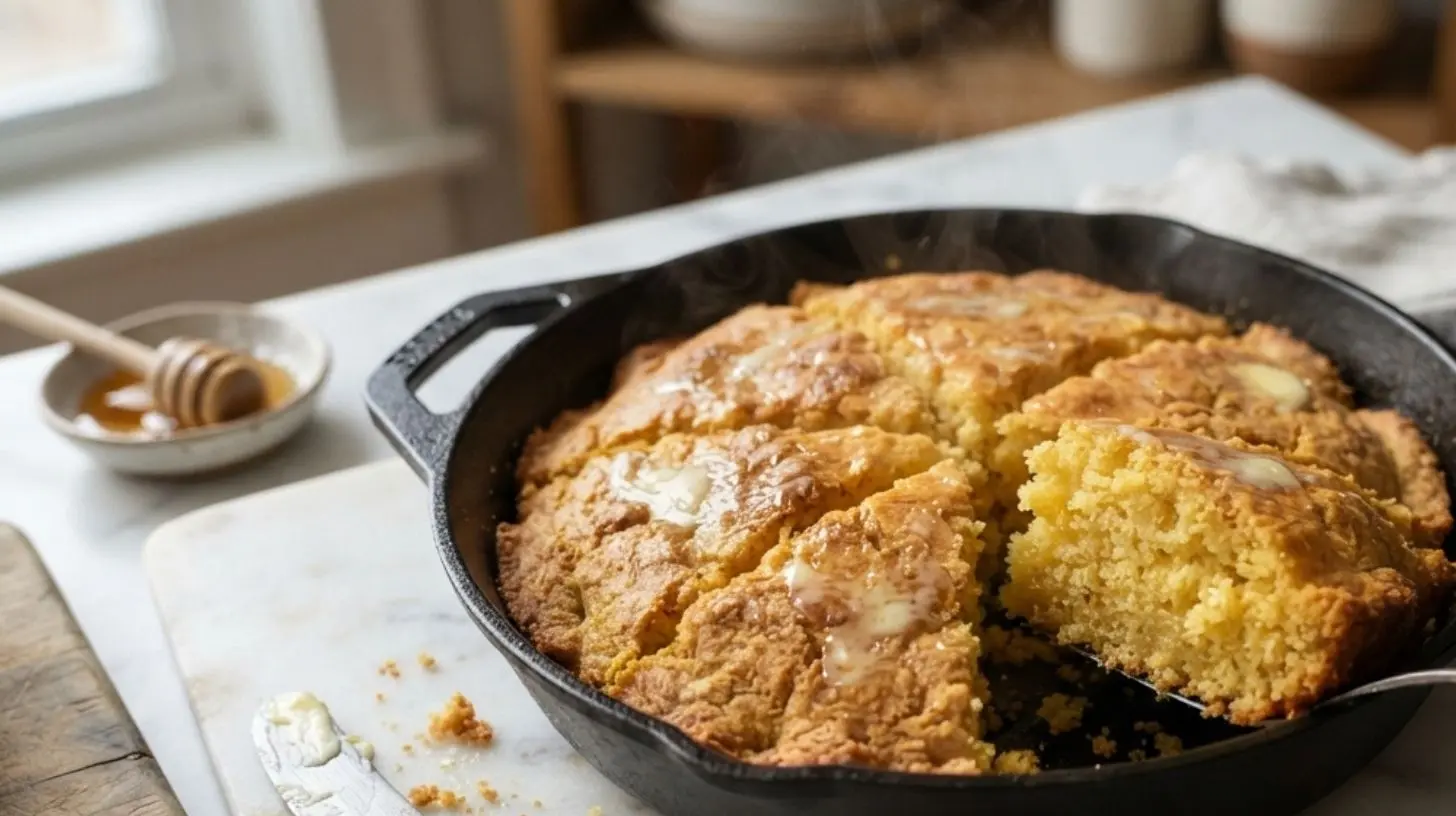
Proven way to grow sweet Cornbread in 7 days
Learn how to make delicious cornbread in just a week!
Cornmeal
Flour
Sugar
Buttermilk
Eggs
Baking powder
Butter
Preheat the oven to 375°F.
Mix the cornmeal, flour, sugar, and baking powder in a bowl.
Beat the eggs and buttermilk together in a separate bowl.
Combine the wet and dry ingredients until well mixed.
Pour the batter into a greased baking pan.
Bake for 25-30 minutes or until golden brown.
The Ultimate Guide to Perfect Cornbread Dressing: A Southern Classic Made Simple
Have you ever wondered why some cornbread dressing turns out dry, dense, or flavorless, while others achieve that perfect balance of moist, savory, and herbaceous perfection? The secret lies not in complicated techniques, but in understanding the foundational ingredient: Cornbread Dressing. Preparing this beloved Southern staple at home offers unparalleled control over flavor, texture, and freshness, transforming a simple side dish into the centerpiece of your holiday table. By mastering the art of homemade dressing, you unlock a world of culinary creativity that boxed mixes simply cannot replicate.
—
Ingredients & Kitchen Tools
Essential Ingredients
– Stale Cornbread (6 cups, crumbled) – Day-old or oven-dried cornbread absorbs broth better without turning mushy. Use your favorite homemade variety or explore various cornbread recipes for the perfect base.
– Yellow Onion (1 large, diced) – Provides aromatic sweetness as it sauté
– Celery Stalks (3, diced) – Adds classic crunch and earthy flavor
– Fresh Sage (2 tablespoons, chopped) – The signature herb of traditional dressing
– Fresh Thyme (1 teaspoon, leaves only) – Lends subtle lemony notes
– Chicken or Vegetable Broth (2–3 cups) – Warm broth ensures even absorption; low-sodium allows salt control
– Large Eggs (2, beaten) – Binds ingredients and creates tender structure
– Unsalted Butter (4 tablespoons) – Sauté aromatics and add richness
– Salt and Black Pepper (to taste)
Kitchen Tools Required
– Large mixing bowl – For combining dry and wet ingredients
– 9×13-inch baking dish – Ensures even cooking and golden crust
– Cast iron skillet or sauté pan – For browning aromatics
– Whisk – For beating eggs and incorporating broth
– Chef’s knife and cutting board – For uniform vegetable dice
Optional Substitutions
– Gluten-free cornbread – Use certified gluten-free cornmeal blend
– Vegetarian version – Replace chicken broth with mushroom or vegetable broth
– Sausage addition – Add 1 lb cooked, crumbled breakfast sausage for heartiness
—
Prep Time & Cooking Schedule
| Stage | Time | Notes |
|——-|——|——-|
| Cornbread prep | 1 day ahead | Bake and cool completely, then leave uncovered overnight to stale |
| Active prep time | 20 minutes | Dice vegetables, crumble cornbread, measure herbs |
| Cooking time | 45–55 minutes | Bake at 375°F until golden and internal temperature reaches 165°F |
| Resting time | 10 minutes | Let set before serving for clean slices |
> Planning tip: Prepare the cornbread and chop vegetables the day before. This makes assembly on serving day a 20-minute affair before the oven takes over.
—
Step-by-Step Instructions
1. Prepare Your Cornbread Base
Crumble 6 cups of day-old cornbread into a large mixing bowl. Aim for varied textures – some fine crumbs, some pea-sized pieces – to create interesting texture in the final dish. If your cornbread isn’t stale, spread cubes on a baking sheet and toast at 300°F for 15 minutes.
2. Sauté the Aromatics
In a cast iron skillet over medium heat, melt 4 tablespoons butter. Add diced onion and celery, cooking until translucent (about 6–8 minutes). Stir in fresh sage and thyme during the last minute. The fragrance should fill your kitchen with that unmistakable holiday aroma.
3. Combine and Season
Pour the sautéed vegetables over the crumbled cornbread. Add 1 teaspoon salt and ½ teaspoon black pepper. Toss gently to distribute. This step ensures every bite carries balanced flavor. For a truly memorable Cornbread Dressing, seasoning at this stage is non-negotiable.
4. Incorporate the Liquid
In a separate bowl, whisk 2 beaten eggs with 2 cups of warm broth. Pour over the cornbread mixture and stir gently until all crumbs are moistened. Add remaining broth if needed – the mixture should look like wet sand, not soup. Let rest 5 minutes so cornbread absorbs liquid fully.
5. Bake to Golden Perfection
Transfer to a greased 9×13-inch dish. Bake at 375°F for 45–55 minutes. The top should be golden brown, edges crispy, and center just set. Insert a knife near the center – if it comes out clean, it’s done. Let rest 10 minutes before serving. Many classic cornbread recipes use similar moisture ratios, making them excellent starting points for experimentation.
—
Nutritional Benefits & Advantages
This homemade Cornbread Dressing offers several nutritional advantages over store-bought alternatives:
– Cornmeal provides complex carbohydrates and dietary fiber for sustained energy
– Fresh herbs (sage and thyme) contain antioxidants and anti-inflammatory compounds
– Celery adds vitamin K, potassium, and folate with minimal calories
– Eggs contribute high-quality protein and essential B vitamins
– Homemade control allows you to reduce sodium by 40–60% compared to boxed mixes
One serving (approximately 1 cup) contains roughly 250 calories, 8g protein, and 4g fiber when made with vegetable broth. For lower-fat versions, substitute half the butter with olive oil.
—
Tips Variations & Cooking Advice
Flavor Variations
– Southern-style – Add ½ cup cooked bacon bits and use buttermilk cornbread
– Herb-forward – Double the sage and add 1 tablespoon fresh rosemary
– Cajun twist – Incorporate ½ cup diced andouille sausage and 1 teaspoon smoked paprika
Cooking Adaptations
– Gluten-free – Confirm cornmeal is certified GF; use gluten-free bread cubes to replace any wheat-based additions
– Dairy-free – Swap butter with vegan butter or olive oil
– Vegan version – Use flax eggs (1 tbsp ground flax + 3 tbsp water per egg) and vegetable broth
Texture Adjustments
– For crisper top – Bake uncovered the entire time
– For softer dressing – Cover with foil for first 30 minutes, then uncover to brown
– For extra moisture – Add ¼ cup cream or buttermilk to the broth mixture
Alternative Cooking Methods
– Slow cooker – Cook on low for 3–4 hours, stirring once halfway
– Muffin tin mini-dressings – Portion into greased muffin cups and bake 20–25 minutes
– Cast iron skillet – Bake in the same skillet used for sautéing aromatics for deeper flavor
—
Common Mistakes to Avoid
| Mistake | Solution |
|———|———-|
| Soggy texture | Use completely stale cornbread; reduce broth by ¼ cup |
| Dry dressing | Cover with foil during baking; add broth ¼ cup at a time until mixture looks wet |
| Underseasoned | Taste the broth-cornbread mixture before baking; remember salt enhances corn flavor |
| Gummy center | Don’t overmix after adding liquid; fold gently |
| Burnt top, raw middle | Bake at 350°F instead of 375°F; cover with foil if top browns too quickly |
| Too dense | Incorporate 1 teaspoon baking powder with dry ingredients for lift |
> Pro tip: If dressing seems dry after baking, drizzle warm broth over the top and let rest 5 minutes before serving.
—
Storage & Meal Prep Tips
Refrigeration
– Store in airtight container for up to 4 days
– Layer with parchment to prevent moisture loss
– Reheat covered at 350°F for 15 minutes, adding 2 tablespoons broth per cup
Freezing
– Freeze unbaked dressing in a greased dish, tightly wrapped in plastic then foil
– Shelf life – Up to 3 months
– Thaw overnight in refrigerator before baking
– Baking frozen – Add 20–25 minutes to bake time; cover with foil
Meal Prep Strategy
– 3 days ahead – Bake cornbread, dice vegetables, measure herbs
– 1 day ahead – Assemble dressing completely (do not bake); refrigerate covered
– Day of serving – Bake as directed, adding 10–15 minutes if starting cold
—
Conclusion
Mastering homemade Cornbread Dressing transforms a simple side into a holiday tradition worth savoring. By starting with quality cornbread recipes and following proper moisture balance, herb distribution, and baking techniques, you create a dish that’s simultaneously nostalgic and impressive. The beauty of this recipe lies in its flexibility – adapt it to your dietary needs, flavor preferences, and schedule without sacrificing quality. We encourage you to try this recipe, share your results with family and friends, and explore our collection of Southern-inspired sides that pair beautifully with this classic dressing.
—
FAQs
Can I use boxed cornbread mix for this recipe?
Yes, but bake it 1–2 days ahead and let it stale completely. Boxed mixes often contain sugar, so reduce added salt by ¼ teaspoon to balance sweetness. For best results, choose a mix with minimal added sugar.
How do I know when the dressing is perfectly cooked?
The internal temperature should reach 165°F when measured at the center. The top should be golden brown, edges slightly crisp, and a knife inserted near the center should come out clean. The dressing will continue to set as it rests.
Can I make this dressing vegetarian or vegan?
Absolutely. Replace chicken broth with mushroom or vegetable broth. For vegan, use flax eggs (1 tbsp ground flax + 3 tbsp water per egg) and vegan butter. The flavor changes slightly but remains delicious and satisfying.
What if my dressing is too salty?
Balance by adding a peeled, quartered potato to the mixture for 15 minutes before baking – the potato absorbs excess salt. Alternatively, add more stale cornbread crumbs and adjust liquid accordingly. Unsalted broth prevents this issue from the start.
How can I add more moisture without making it soggy?
Pour warm broth over the baked dressing and let rest 10 minutes. The dressing absorbs liquid without becoming waterlogged. For extra richness, use cream or buttermilk instead of additional broth, adding just 2–3 tablespoons at a time.