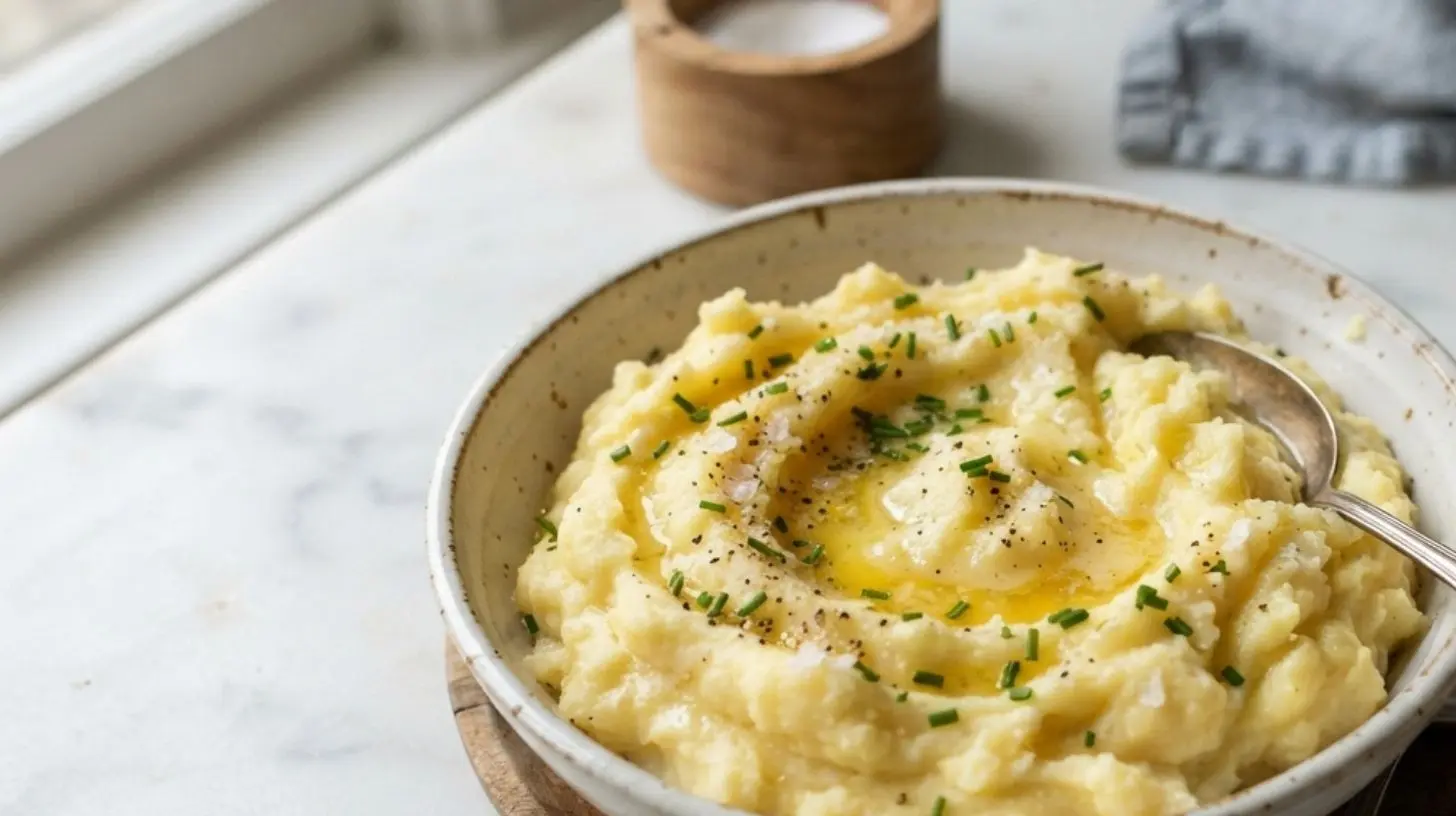
Perfect Mashed Potatoes
Learn a quick way to grow perfect mashed potatoes in just 3 steps!
Potatoes
Butter
Milk
Salt
Peel and chop the potatoes into small pieces.
Boil the potatoes until soft.
Drain the potatoes and mash them with butter, milk, and salt.
The Ultimate Guide to Perfectly Creamy Mashed Potatoes
Have you ever wondered why restaurant-style mashed potatoes taste so much richer and silkier than the ones you make at home? The secret isn’t a fancy ingredient—it’s technique. Learning to make silky, flavorful Mashed Potatoes from scratch is a valuable kitchen skill that elevates any meal, from weeknight dinners to holiday feasts. When you prepare them yourself, you control the quality of ingredients, adjust seasoning to your taste, and avoid the preservatives found in instant versions. In this guide, we’ll explore everything you need to know—from choosing the right potato variety to mastering the perfect texture. And if you’re looking for more inspiration, be sure to check out our favorite potato recipes for baked, roasted, and smashed variations.
—
Ingredients & Kitchen Tools
Required Ingredients
– 2 lbs (about 900 g) Yukon Gold potatoes – Their buttery flavor and medium starch content yield the creamiest texture. Russets work too but are fluffier.
– ½ cup (1 stick) unsalted butter – Adds richness. Use salted butter if you reduce added salt.
– ½ cup whole milk or heavy cream – For a luxurious finish. Warm the liquid before adding to prevent cooling the potatoes.
– Salt – Kosher or sea salt, to taste. Start with 1 teaspoon.
– Optional: 2–3 garlic cloves (roasted or boiled with potatoes), ¼ cup sour cream or cream cheese (for tang), fresh chives or parsley for garnish.
Kitchen Tools
– Large pot (4–5 quart) – For boiling potatoes.
– Colander – For draining.
– Potato masher or ricer – Ricer gives the smoothest texture; masher is fine for rustic style.
– Chef’s knife and cutting board – For peeling and chopping.
– Measuring cups and spoons.
– Wooden spoon or silicone spatula.
– Small saucepan – To warm milk/cream and butter.
—
Prep Time & Cooking Schedule
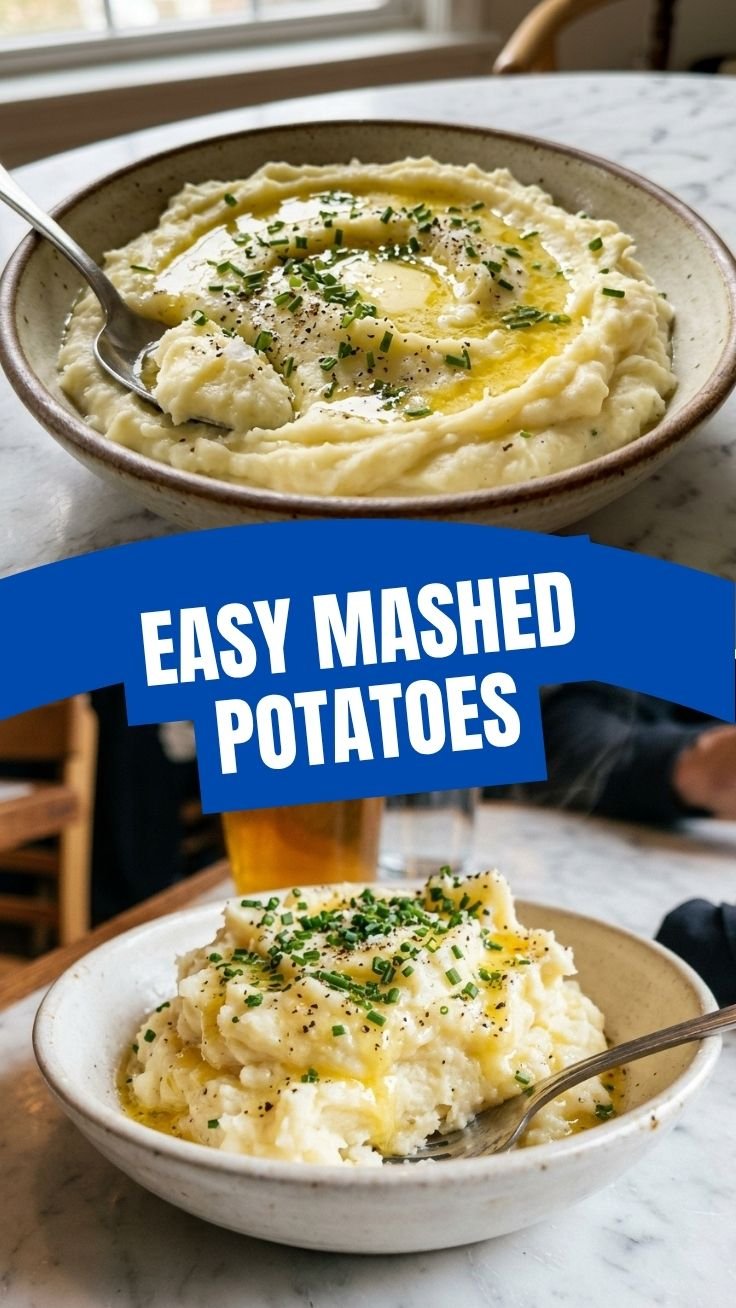
– Prep time: 10 minutes (peeling, chopping, measuring)
– Cook time: 20–25 minutes (boiling potatoes)
– Mashing & finishing: 5–10 minutes
– Total time: about 35–40 minutes
Tip: You can boil the potatoes up to a day ahead and store them in the fridge, then reheat and mash just before serving. This is a great time‑saver for holiday dinners.
—
Step-by-Step Instructions
1. Prep the potatoes: Peel the Yukon Golds and cut them into uniform 1½‑inch cubes. This ensures even cooking.
2. Boil: Place cubes in a large pot, cover with cold water by 1 inch. Add 1 tablespoon salt. Bring to a boil, then reduce to a simmer. Cook until fork‑tender – about 20 minutes. Do not overcook, or they become waterlogged.
3. Drain and dry: Drain in a colander, then return potatoes to the hot pot for 1–2 minutes over low heat, shaking occasionally, to evaporate excess moisture. This step is crucial for fluffy, not watery, Mashed Potatoes.
4. Warm the liquid: In a small saucepan, heat the butter and milk (or cream) together until the butter melts and the mixture is hot but not boiling.
5. Mash: Using a ricer or masher, break up the potatoes. Gradually pour in the warm butter‑milk mixture, stirring gently with a wooden spoon. Season with salt and pepper. Taste and adjust. For extra creaminess, fold in a dollop of sour cream or cream cheese.
6. Serve immediately: Transfer to a warm bowl, garnish with fresh herbs, and enjoy. For a twist, try one of the many potato recipes we love – like baked smashed potatoes or roasted potato wedges.
Pro tip: Never use a food processor or blender – it will overwork the starch and turn your mash into glue.
—
Nutritional Benefits & Advantages
Potatoes often get a bad rap, but they are nutrient‑dense when prepared healthfully. A serving of homemade mashed potatoes (without excess butter) provides:
– Vitamin C – supports immune function.
– Potassium – helps regulate blood pressure.
– Fiber – especially if you leave the skins on (try a “skin‑on” version).
– Resistant starch – when potatoes are cooked and cooled, some starch becomes resistant, feeding gut bacteria. By making your own Mashed Potatoes, you control fat and sodium, making them a balanced side dish. Pair with lean protein and vegetables for a complete meal.
—
Tips, Variations & Cooking Advice
– Flavor variations: Add roasted garlic, fresh thyme, or a pinch of nutmeg. For a cheesy version, stir in ½ cup grated Parmesan or cheddar.
– Dairy‑free / vegan: Substitute plant‑based butter and unsweetened oat or almond milk. Add a splash of olive oil for richness.
– Low‑fat: Use low‑fat milk and reduce butter to 2 tablespoons; add vegetable broth for moisture.
– Different potatoes: Russets give a lighter, fluffier mash; red potatoes yield a denser, more rustic result.
– Make it ahead: Keep mashed potatoes warm in a slow cooker on low for up to 2 hours, stirring occasionally.
—
Common Mistakes to Avoid
| Mistake | Solution |
|——–|———-|
| Watery mash | Dry potatoes after boiling (step 3) and avoid overcooking. |
| Gluey texture | Never use a food processor; use a ricer or hand masher. |
| Lumpy results | Cut potatoes into even cubes and cook until fork‑tender. |
| Cold mash | Warm the milk/butter mixture before adding, and serve immediately. |
| Bland flavor | Season generously with salt and pepper; add a pat of butter on top. |
—
Storage & Meal Prep Tips
– Refrigeration: Store leftovers in an airtight container for up to 4 days. Press plastic wrap directly onto the surface to prevent a skin from forming.
– Freezing: Mashed potatoes freeze well for up to 3 months. Portion into freezer‑safe bags, flatten, and freeze. Thaw overnight in the fridge.
– Reheating: Warm in a saucepan over low heat, adding a splash of milk or cream to restore creaminess. Alternatively, microwave in 30‑second bursts, stirring between. Avoid high heat, which can make them dry.
—
Conclusion
Mastering Mashed Potatoes at home is a game‑changer for your cooking repertoire. With the right technique—choosing Yukon Golds, drying them after boiling, and using warm dairy—you’ll achieve a velvety, flavorful side dish that rivals any restaurant’s. Once you’ve nailed this classic, don’t stop there: explore our collection of potato recipes for more creative ways to enjoy this versatile vegetable. We’d love to hear how your mash turned out—share your results in the comments or tag us on social media!
—
FAQs
1. Can I use Russet potatoes instead of Yukon Golds?
Yes, Russets work well for a lighter, fluffier mash. Just be careful not to overwork them to avoid gumminess.
2. How do I fix mashed potatoes that are too salty?
Add a raw peeled potato to the pot and simmer for 5 minutes – it will absorb some salt. Or stir in a splash of unsalted cream/milk and a pinch of sugar.
3. Why are my mashed potatoes lumpy?
Either the potatoes were cut unevenly (causing parts to be undercooked) or you didn’t mash long enough. Use a ricer for guaranteed smoothness.
4. Can I make mashed potatoes without dairy?
Absolutely. Use olive oil, dairy‑free butter, and unsweetened plant milk. Add roasted garlic or nutritional yeast for flavor.
5. How long can I keep mashed potatoes warm before serving?
Keep them in a covered slow cooker on low heat for up to 2 hours, stirring occasionally. Add a splash of milk if they thicken.