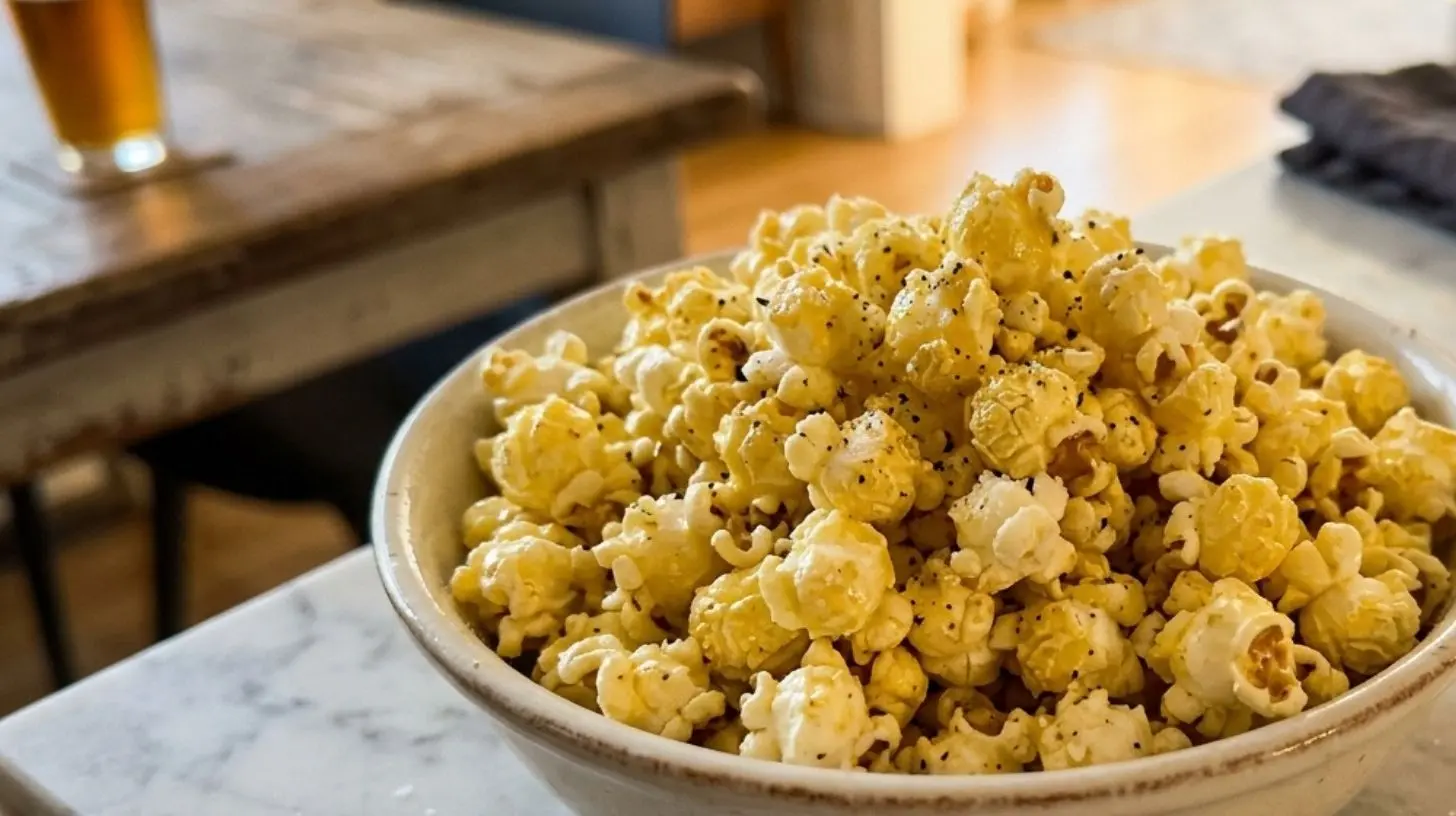
Popcorn Pops
Learn how to grow your own popcorn with just a few simple steps!
Popcorn Kernels
Water
Sunlight
Plant popcorn kernels in soil.
Water the plants regularly.
Place the plants in a sunny spot.
Wait for the corn to grow and ripen.
The Ultimate Guide to Homemade Popcorn: From Kernels to Perfect Bowl
Is there anything more satisfying than the scent of freshly popped kernels filling your kitchen? Whether you’re settling in for movie night or looking for a healthy snack alternative, homemade Popcorn offers unmatched freshness and control over every bite. Store-bought bags often hide excess sodium and artificial flavors, but preparing this whole-grain snack at home takes just minutes and delivers superior texture and taste. With the right technique and a quality Popcorn machine, you can elevate this humble grain into a gourmet experience.
—
Ingredients & Kitchen Tools
For the Base Recipe:
– 1/2 cup popcorn kernels – Choose organic or non-GMO varieties for clean flavor; yellow kernels give a sturdy crunch while white kernels yield a tender texture.
– 3 tablespoons coconut oil or avocado oil – High smoke point oils prevent burning; coconut adds subtle sweetness, avocado provides neutral flavor.
– 1/2 teaspoon fine sea salt – Add after popping to avoid toughening kernels; adjust to taste.
– 2 tablespoons unsalted butter (optional) – Melted and drizzled for richness; substitute with ghee for dairy-free.
Kitchen Tools:
– Heavy-bottomed pot (4-6 quart) with tight-fitting lid – Essential for even heat distribution.
– Stovetop popcorn popper or electric air popper – The Popcorn machine simplifies the process and reduces burned kernels.
– Measuring cups and spoons – Accuracy matters for consistent results.
– Large mixing bowls – One for popping, one for seasoning.
– Wooden spoon or silicone spatula – For stirring without scratching cookware.
Optional Substitutions:
– Swap coconut oil with ghee for nutty flavor
– Use popcorn salt (finely ground) for better adhesion
– Try nutritional yeast for cheesy, vegan topping
—
Prep Time & Cooking Schedule
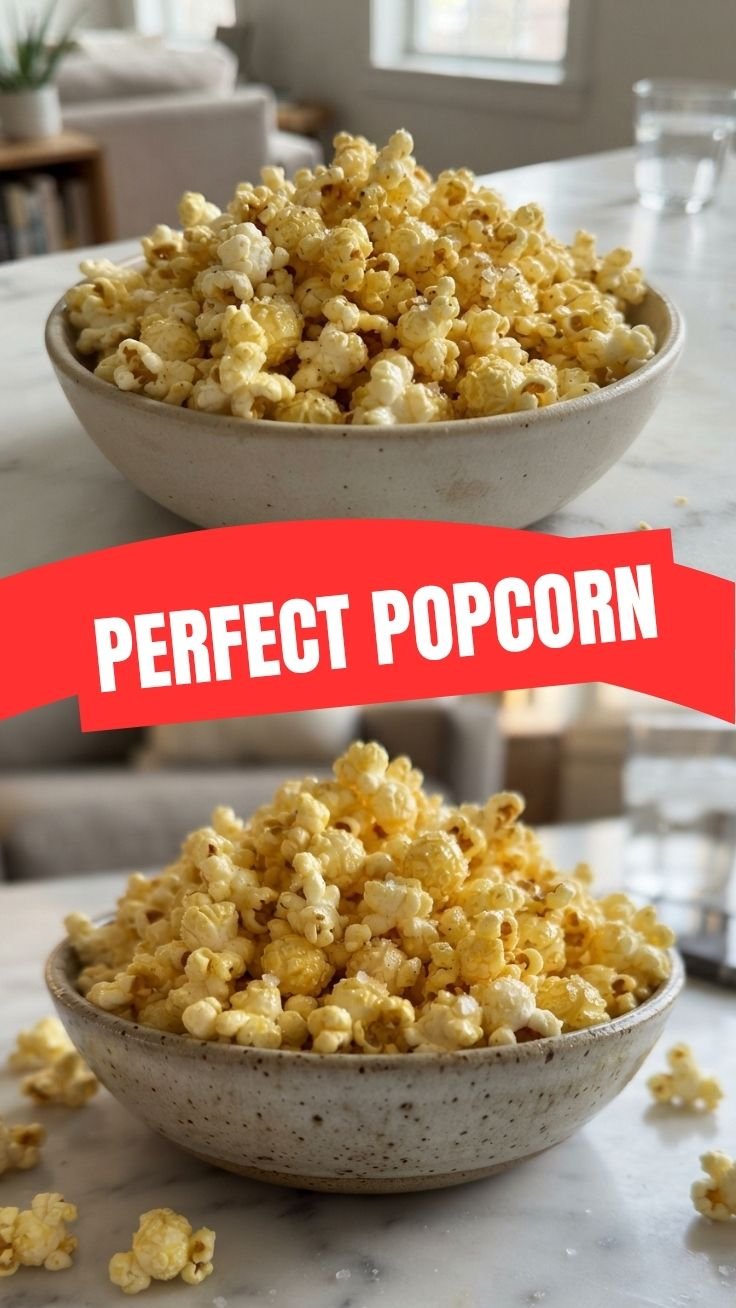
– Total Time: 10 minutes active + 2 minutes resting
– Prep Time: 3 minutes (measure ingredients, set equipment)
– Cook Time: 5–7 minutes stovetop (3–4 minutes in an air popper)
– Resting Time: 2 minutes (allows residual moisture to evaporate, preventing soggy kernels)
Plan this snack right before serving—popcorn loses its crunch within hours. However, you can prep seasoning blends (e.g., chili-lime powder or garlic-herb mix) days ahead and store in airtight jars.
—
Step-by-Step Instructions
Step 1: Heat the Pot (2 minutes)
Place your heavy-bottomed pot over medium-high heat. Add 3 tablespoons of oil and 3 test kernels. Cover and listen for the test kernels to pop—this signals the oil is at the correct temperature (around 350°F). This temperature check prevents scorching, a common mistake when making Popcorn.
Step 2: Add the Kernels (30 seconds)
Remove the pot from heat briefly, then pour in the remaining kernels in an even layer. Add 1/2 teaspoon salt (if using stovetop) and swirl to coat. Return to heat and cover with the lid slightly ajar to release steam—this is the secret to crispy results.
Step 3: Shake and Listen (4–5 minutes)
Gently shake the pot every 15–20 seconds to redistribute unpopped kernels. When the popping slows to 2 seconds between pops (about 4 minutes), remove from heat. Letting the pot sit over residual heat for 30 seconds pops remaining kernels without burning. If using an Popcorn machine, follow manufacturer timing—typically 3–4 minutes for a full batch.
Step 4: Season Immediately (1 minute)
Transfer popcorn to a large bowl while warm. Drizzle melted butter (if using) and toss with tongs to coat evenly. Add additional salt or seasonings in thirds, shaking between additions to avoid clumping.
Step 5: Serve and Enjoy
Eat within 2 hours for peak texture. For larger batches, spread on a baking sheet in a single layer and keep in a 200°F oven for up to 20 minutes.
—
Nutritional Benefits & Advantages
Popcorn is a 100% whole grain, offering 3.5 grams of fiber per 3-cup serving—more than many bread or rice options. Air-popped varieties contain just 93 calories per cup, making it an ideal low-calorie snack. The fiber supports digestive health and helps regulate blood sugar. Additionally, popcorn contains polyphenols, antioxidants that may reduce inflammation. When prepared with healthy oils like avocado or coconut, you add beneficial medium-chain triglycerides (MCTs) and monounsaturated fats. Avoid drowning in butter—keep to 1 tablespoon per batch to preserve the health profile.
—
Tips Variations & Cooking Advice
Flavor Twists:
– Savory Herb: Toss with dried rosemary, thyme, and garlic powder
– Sweet Cinnamon: Dust with coconut sugar and cinnamon
– Spicy Sriracha: Mix melted butter with sriracha and lime zest
– Cheesy Vegan: Sprinkle with nutritional yeast and smoked paprika
Dietary Adaptations:
– Gluten-Free: Naturally gluten-free; verify seasoning sources
– Dairy-Free: Use coconut oil or avocado oil; skip butter
– Oil-Free: Air popper only; mist with water for seasoning adhesion
Pro Tips:
– Store kernels in an airtight container away from light. Old kernels (over 6 months) lose moisture and pop poorly. Add 1 teaspoon water to revive stale kernels—wait 24 hours before popping.
– For extra crunchy texture, add 1 tablespoon of dried milk powder to the oil before popping—the lactose caramelizes slightly.
—
Common Mistakes to Avoid
Mistake 1: Using Wet Kernels
Moisture causes steaming instead of popping. Solution: Store kernels in a dry, cool place. Test a handful—if they feel soft, discard.
Mistake 2: Overcrowding the Pot
Too many kernels create excessive steam, leading to chewy popcorn. Solution: Use a 4-quart pot for 1/2 cup kernels max. For larger batches, work in portions.
Mistake 3: Peeking Too Often
Lifting the lid releases heat and steam, resulting in uneven popping. Solution: Resist opening until the popping slows. Use a glass lid if available.
Mistake 4: Adding Salt Before Popping
Salt delays popping and can make kernels tough. Solution: Add salt only after all kernels have popped and are still warm.
Mistake 5: Overheating the Oil
Smoking oil produces bitter flavors and may create harmful compounds. Solution: Use the test-kernel method. If smoke appears, start over with cooler oil.
—
Storage & Meal Prep Tips
Short-Term Storage (Up to 3 days):
Place completely cooled popcorn in an airtight container or resealable bag. Squeeze out all air before sealing. Keep at room temperature in a dark pantry. Do not refrigerate—moisture from condensation will ruin texture.
Freezing (Up to 1 month):
Flash freeze seasoned popcorn on a baking sheet for 1 hour, then transfer to freezer-safe bags. Thaw at room temperature without reheating; texture may soften slightly. Best for unseasoned batches since toppings crystallize during freezing.
Reheating Method:
For stale popcorn, spread on a baking sheet and heat at 300°F for 3–5 minutes. Alternatively, microwave in 15-second bursts until warm (watch closely to avoid burning). Avoid reheating in a toaster oven.
Meal Prep Tip:
Pre-measure and season popcorn in individual zip-top bags for grab-and-go snacks. Store seasoning blends (e.g., chili powder + lime zest) separately and toss when ready to eat.
—
Conclusion
Mastering homemade Popcorn transforms a simple snack into a customizable, healthy treat that rivals any bag from the store. By controlling oil quality, seasoning levels, and cooking method—whether on the stovetop or with a Popcorn machine—you eliminate artificial additives while maximizing flavor and crunch. The techniques shared here eliminate common pitfalls, ensuring consistent results every time. We encourage you to experiment with creative toppings and share your favorite combinations in the comments below. Try this recipe tonight and discover why homemade popcorn remains a timeless favorite for snack lovers of all ages.
—
FAQs
Q: Why is my popcorn chewy instead of crunchy?
A: Chewy popcorn usually results from steam trapped inside the pot. Keep the lid slightly ajar during popping to release moisture. Also, ensure kernels are fresh—old kernels contain less moisture and produce tough textures.
Q: Can I use butter instead of oil for popping?
A: Not directly—butter has a low smoke point (350°F) and burns before kernels pop. Use oil for popping, then drizzle melted butter after for flavor. Alternatively, clarify butter (ghee) for stovetop popping.
Q: How do I keep popcorn fresh for a party?
A: Keep popcorn in a large paper bag inside a plastic container (paper absorbs moisture, plastic blocks air). Serve within 2 hours. For longer events, prepare two smaller batches rather than one large batch.
Q: Why do some kernels never pop (old maids)?
A: Unpopped kernels (“old maids”) occur when they lack sufficient moisture inside to vaporize. Store kernels in airtight containers away from heat. Add 1 teaspoon water to revive stale kernels—wait 24 hours before popping.
Q: Can I use a microwave without a popcorn machine?
A: Yes—place 1/4 cup kernels in a brown paper bag, fold the top twice, and microwave on high for 2–4 minutes until popping slows to 2 seconds apart. No oil needed, but season after popping.