How to grow Brussels Sprouts in 7 easy steps
Learn how to grow Brussels sprouts at home in just 7 simple steps.
Brussels Sprouts seeds
Potting soil
Watering can
Plant pot
Sunlight
Plant Brussels Sprouts seeds in potting soil.
Water the soil lightly every day.
Place the pot in a sunny spot.
When seedlings appear, transfer to a larger pot.
Continue to water regularly.
Trim any yellow leaves to help growth.
Harvest Brussels Sprouts when they are firm and green.
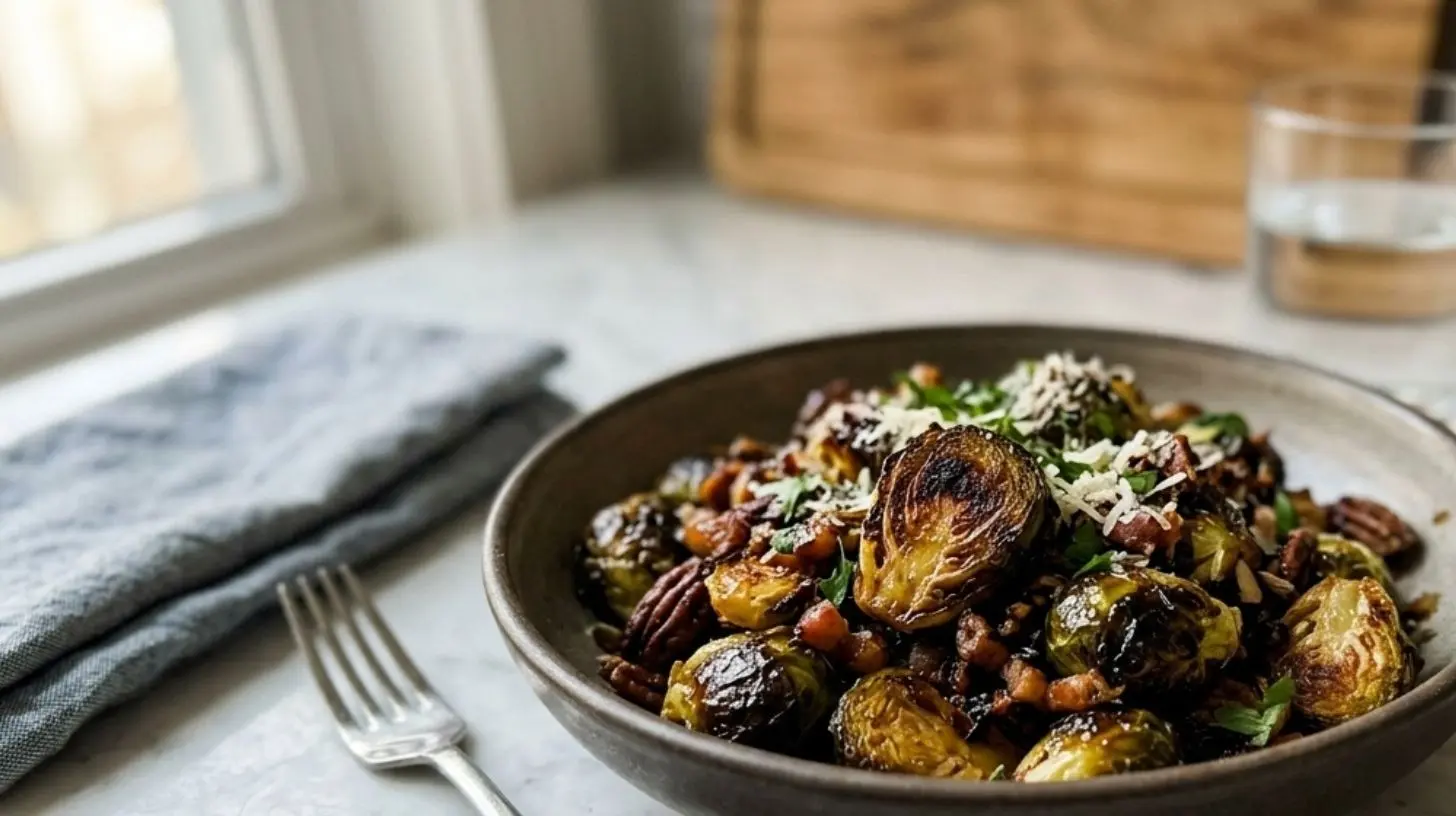
The Ultimate Guide to Perfectly Roasted Brussels Sprouts: A Crispy, Caramelized Delight
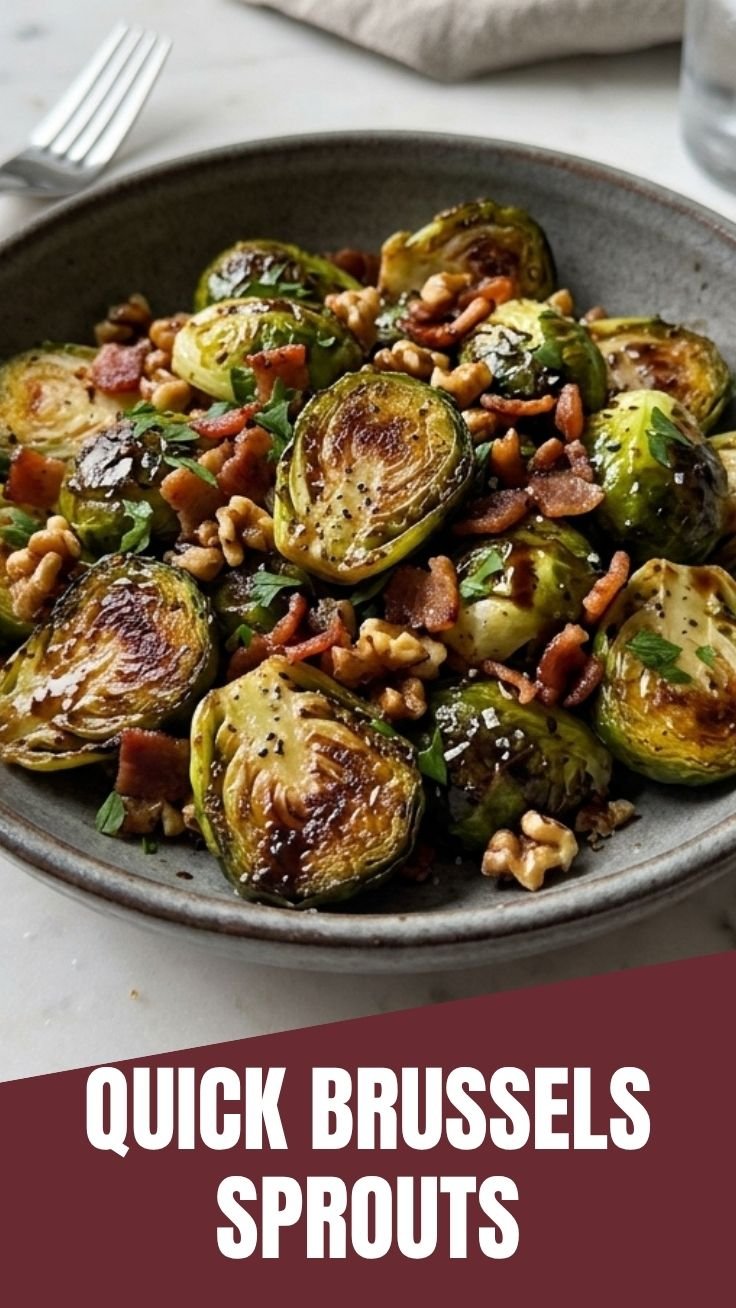
Have you ever wondered why restaurant-style Brussels sprouts taste so incredibly good—crispy on the outside, tender on the inside, with deep caramelized flavors—while your homemade attempts often end up bitter, soggy, or bland? The secret isn’t complicated techniques or expensive equipment; it’s about understanding how to properly prepare Brussels Sprouts to unlock their natural sweetness. In this comprehensive guide, you’ll discover the science behind achieving that perfect golden crust and learn why incorporating more healthy vegetables into your weekly rotation can transform your eating habits. Healthy vegetables are often misunderstood, but Brussels sprouts offer a unique combination of fiber, vitamins, and antioxidants that support digestive health and reduce inflammation. By preparing this dish at home, you gain complete control over quality ingredients and cooking methods—saving money while creating a restaurant-quality side dish that even skeptics will love.
Ingredients & Kitchen Tools
Ingredients:
– 1½ lbs fresh Brussels sprouts – Look for firm, bright green sprouts with tightly packed leaves; smaller sprouts tend to be sweeter and less bitter
– 3 tablespoons extra-virgin olive oil – Use a high-quality oil with a smoke point above 400°F for best results
– ½ teaspoon kosher salt – Kosher salt dissolves evenly and enhances natural flavors without making the dish too salty
– ¼ teaspoon black pepper – Freshly ground pepper adds subtle heat and complexity
– 2 tablespoons maple syrup (optional) – Pure maple syrup creates a beautiful glaze; substitute with honey or balsamic glaze for variety
– ¼ cup grated Parmesan cheese (optional) – Adds nutty, salty notes; omit for dairy-free version
– 2 garlic cloves (minced) – Fresh garlic boosts aroma and depth of flavor
– 1 tablespoon lemon juice – Brightens the finished dish and balances sweetness
Kitchen Tools:
– Baking sheet (rimmed, 13×18 inches) – A rimmed sheet prevents oil from dripping while allowing proper air circulation
– Sharp chef’s knife – Essential for clean cuts that ensure even roasting
– Cutting board – Large enough to hold all sprouts comfortably
– Mixing bowl – For tossing sprouts with oil and seasonings
– Tongs or spatula – For flipping sprouts halfway through roasting
– Parchment paper or silicone baking mat – Prevents sticking and makes cleanup effortless
Prep Time & Cooking Schedule
| Component | Time Required |
|———–|—————|
| Prep Time | 10-12 minutes |
| Cook Time | 20-25 minutes |
| Resting Time | 2-3 minutes |
| Total | 32-40 minutes |
Planning tip: Preheat your oven to 400°F (200°C) while you wash and trim the Brussels sprouts. This ensures the oven is fully heated when the sprouts go in, creating immediate caramelization. For best results, prepare your sprouts up to 24 hours in advance—simply trim, halve, and store in an airtight container in the refrigerator. This makes dinner preparation seamless and allows flavors to develop.
Step-by-Step Instructions
1. Preheat and prepare the oven – Set your oven to 400°F (200°C) with the rack positioned in the middle. If you have a convection setting, use it for faster, more even roasting. While the oven heats, line your baking sheet with parchment paper or a silicone mat.
2. Wash and trim the Brussels sprouts – Rinse the sprouts under cold running water, removing any yellowed or damaged outer leaves. Pat them completely dry with a clean kitchen towel—moisture is the enemy of crispiness. Using your sharp knife, trim off the tough stem end (about ⅛ inch), then slice each sprout in half lengthwise from top to stem end. Smaller sprouts can remain whole; larger ones should be quartered for even cooking.
3. Season and toss thoroughly – Place the halved sprouts in your mixing bowl. Drizzle with olive oil, sprinkle salt and pepper, and toss with your hands until every cut surface glistens. For extra flavor, add minced garlic now. The key is ensuring each piece is evenly coated—this promotes uniform browning.
4. Arrange on the baking sheet – Spread the seasoned sprouts in a single layer, cut-side down. This is critical: the flat cut surface needs direct contact with the hot pan to develop deep caramelization. Avoid overcrowding; if necessary, use two sheets or roast in batches. Overcrowding traps steam, resulting in soggy sprouts.
5. Roast without disturbance for 15 minutes – Place the sheet in the preheated oven and let the sprouts cook without touching them. During this time, the cut sides will turn golden brown and crispy. The high heat triggers the Maillard reaction, creating complex, nutty flavors.
6. Flip and continue roasting – After 15 minutes, remove the pan and use tongs to flip each sprout cut-side up. If using maple syrup, drizzle it over the sprouts now. Return to the oven for another 5-10 minutes, until the sprouts are tender when pierced with a fork and the edges are deeply caramelized. Internal temperature should reach 180°F for optimal tenderness. Remember, mastering Brussels Sprouts is all about achieving that perfect balance of crispy exterior and creamy interior.
7. Finish and serve – Remove from the oven immediately. Squeeze fresh lemon juice over the top and sprinkle Parmesan cheese if desired. Let rest for 2-3 minutes—this allows the sprouts to set without becoming soggy. Serve hot as a side dish, or at room temperature in salads. Incorporating healthy vegetables like these into your meals ensures you’re getting maximum nutrients with minimum effort.
Nutritional Benefits & Advantages
Brussels sprouts are nutritional powerhouses that deliver an impressive array of health benefits in every serving. One cup (156g) of cooked Brussels sprouts contains:
– 56 calories – Low calorie density supports weight management
– 4 grams of protein – High for a vegetable, aiding muscle repair and satiety
– 4 grams of fiber – Promotes gut health and stable blood sugar levels
– 137% DV of vitamin K – Essential for bone health and blood clotting
– 81% DV of vitamin C – Boosts immune function and collagen production
– 24% DV of folate – Critical for cell division and DNA synthesis
The sulforaphane compound in Brussels sprouts has been studied for its potential cancer-fighting properties, while the high antioxidant content helps combat oxidative stress and inflammation. Roasting with olive oil increases absorption of fat-soluble vitamins A, E, and K, making this preparation method both delicious and strategically nutritious.
Tips Variations & Cooking Advice
Flavor variations to explore:
– Balsamic-Dijon twist – Whisk 2 tablespoons balsamic vinegar with 1 tablespoon Dijon mustard before tossing with sprouts
– Spicy Asian version – Substitute soy sauce and sesame oil for olive oil, add red pepper flakes and sesame seeds
– Herb-infused – Toss with fresh thyme, rosemary, and whole garlic cloves for Mediterranean flair
Alternative cooking methods:
– Air fryer adaptation – Cook at 375°F for 12-15 minutes, shaking basket halfway; uses 30% less oil
– Grill method – Thread halved sprouts onto skewers or use a grill basket; cook over medium heat 10-12 minutes
– Sheet pan complete meal – Add chopped sweet potatoes and sliced chicken sausage to the same pan; roast 30 minutes total
Dietary adaptations:
– Gluten-free – Naturally gluten-free as written
– Dairy-free – Omit Parmesan or use nutritional yeast
– Keto-friendly – Replace maple syrup with monk fruit sweetener or omit entirely
– Vegan – Skip cheese and use agave instead of honey
Portion guidance: One pound of Brussels sprouts serves 4 people as a side dish. For appetizers or salad toppings, use ½ pound per person.
Common Mistakes to Avoid
| Mistake | Solution |
|———|———-|
| Not drying sprouts after washing | Pat thoroughly dry with a towel; moisture prevents caramelization |
| Overcrowding the baking sheet | Use two sheets if needed; crowding creates steam instead of browning |
| Cutting too large or uneven | Keep pieces similar in size (about 1-inch halves) for consistent cooking |
| Using low-quality oil | Choose oil with a smoke point above 400°F (avocado or refined olive oil) |
| Skipping the preheat | Always preheat oven fully; cold oven leads to uneven roasting |
| Forgetting to flip | Flip at 15-minute mark to ensure all sides crisp evenly |
Storage & Meal Prep Tips
Refrigeration: Store cooled leftovers in an airtight container for up to 4 days. Line the container with a paper towel to absorb excess moisture, which helps maintain crispiness.
Freezing: While roasted Brussels sprouts freeze reasonably well, their texture changes upon thawing. For best results, flash freeze on a baking sheet for 2 hours, then transfer to freezer bags. They’ll keep for up to 3 months. Use frozen sprouts directly in soups or stir-fries rather than attempting to re-crisp them.
Reheating instructions:
– Oven method (recommended) – Spread on baking sheet, reheat at 375°F for 5-7 minutes until warmed through and edges re-crisp
– Air fryer – Heat at 350°F for 3-4 minutes, shaking occasionally
– Stovetop – Sauté in a dry skillet over medium-high heat for 3-4 minutes, stirring frequently
– Microwave (not recommended) – Results in rubbery texture
Meal prep strategy: Wash and trim sprouts up to 24 hours in advance. Store cut sprouts in a sealed container with a dry paper towel. Roast just before serving for optimal texture.
Conclusion
Perfectly roasted Brussels sprouts are proof that healthy vegetables can be genuinely crave-worthy when prepared with intention and technique. By following the steps outlined in this guide—from selecting fresh sprouts to mastering the cut-side-down roasting method—you’ll consistently achieve that coveted crispy exterior and tender, sweet interior that makes this dish a standout. Remember that Brussels Sprouts become more delicious the more you practice; each batch teaches you something new about timing, temperature, and seasoning. Whether you’re serving them alongside a holiday feast or as a quick weeknight side, these sprouts will earn a permanent spot in your recipe collection. I encourage you to try this recipe tonight, experiment with the flavor variations, and share your results in the comments below. Have you discovered a unique twist on roasted sprouts? Let us know—we love hearing your culinary adventures!
FAQs
Can I use frozen Brussels sprouts instead of fresh?
Yes, but adjust your method. Thaw completely, pat thoroughly dry (this is crucial), and roast at 425°F for 25-30 minutes. Expect slightly softer texture since freezing breaks down cell walls. Avoid thawed sprouts if you want crispy results—use fresh for best caramelization.
Why are my Brussels sprouts bitter?
Bitterness usually comes from overcooking or using old sprouts. Fresh sprouts should be bright green and firm. Additionally, cutting an “X” in the stem end (small crosscut) can help reduce bitterness by allowing heat to penetrate evenly. A touch of sweetness—maple syrup, honey, or balsamic glaze—effectively balances bitter notes.
Can I make this recipe ahead of time?
You can prep (wash, trim, halve) sprouts up to 24 hours ahead. However, roasting is best done just before serving. If you must cook ahead, undercook by 5 minutes, then reheat at 400°F for 5-7 minutes before serving to restore crispiness.
How do I know when Brussels sprouts are fully cooked?
The ideal roasted sprout is tender when pierced with a fork but not mushy. The internal temperature should reach 180°F. Visual cues include deep golden-brown edges, slightly shriveled outer leaves, and a sweet, nutty aroma. Avoid over-roasting until they become dark brown and soft throughout.
What can I substitute for maple syrup to keep it low-sugar?
Excellent alternatives include balsamic vinegar (reduces sugar while adding acidity), coconut aminos (soy sauce substitute with natural sweetness), or a sprinkle of stevia-based sweeteners. For savory preparations, omit sweeteners entirely and focus on high-heat roasting for natural caramelization.
How to Grow Brussels Sprouts in 7 Easy Steps
Equipment
- Seed trays or small pots
- Gardening spade or trowel
- Watering can or hose
- Garden stakes (optional)
Ingredients
Seeds and Soil
- 1 packet Brussels sprout seeds
- Well-draining soil amended with compost
Fertilizer and Water
- Balanced fertilizer organic recommended
- Water as needed
Instructions
Planting
- Start seeds indoors 6-8 weeks before the last frost or sow directly in the garden after the danger of frost has passed.
- Plant seedlings 18-24 inches apart in rows, ensuring good air circulation.
Care and Maintenance
- Provide consistent moisture, especially during dry spells, and side-dress with balanced fertilizer every 3-4 weeks.
- Support taller plants with stakes to prevent them from toppling over in strong winds.
- Remove lower yellowing leaves to improve air circulation and direct energy to sprout development.
Harvesting
- Begin harvesting sprouts from the bottom of the plant when they are firm and 1-1.5 inches in diameter.
- Continue harvesting upwards as sprouts mature, typically until a hard frost.