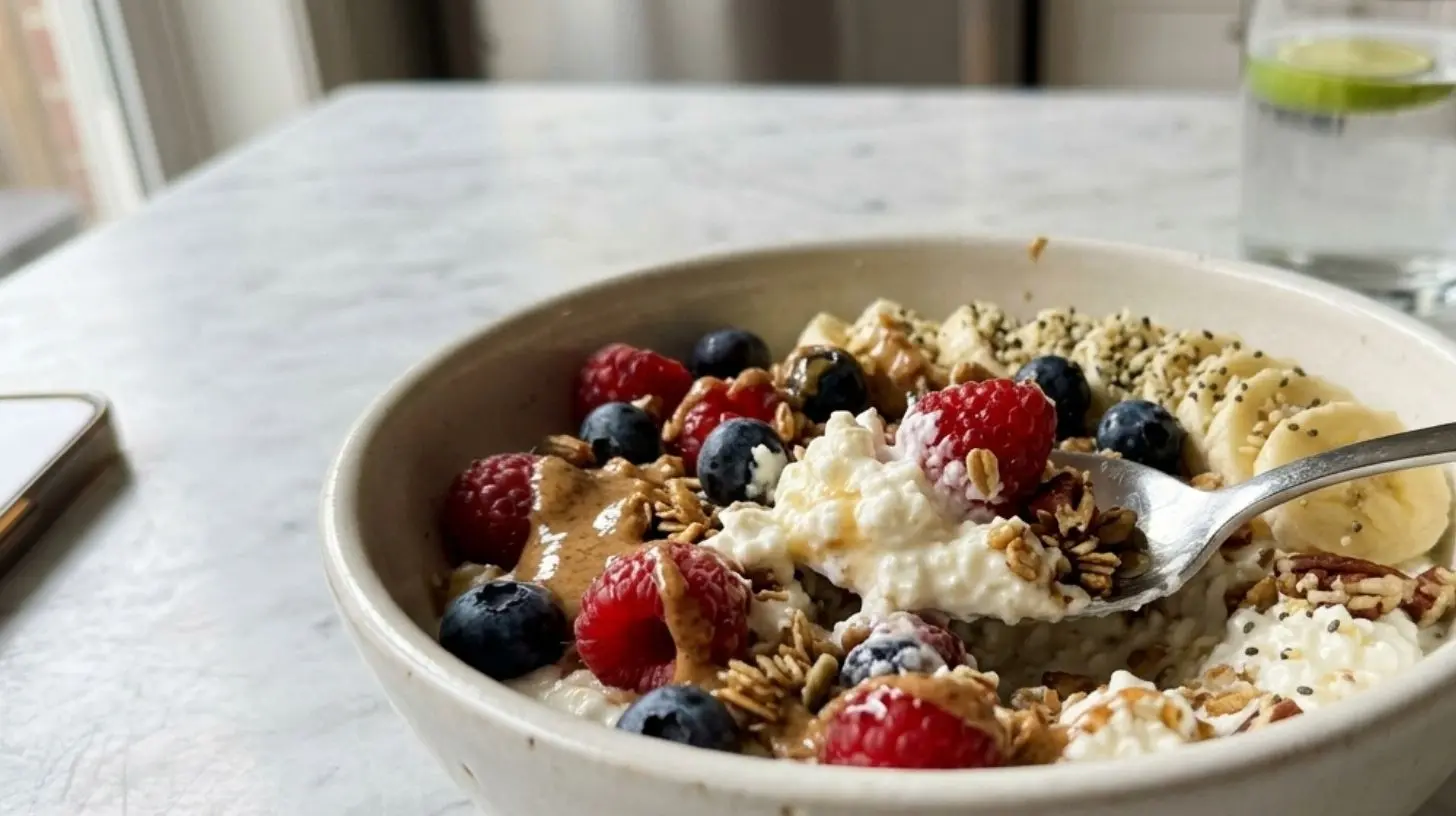
High Protein Cottage Cheese Bowl
A tasty and nutritious bowl packed with 20g of high-quality protein.
Cottage Cheese
Berries
Almonds
Honey
Chia Seeds
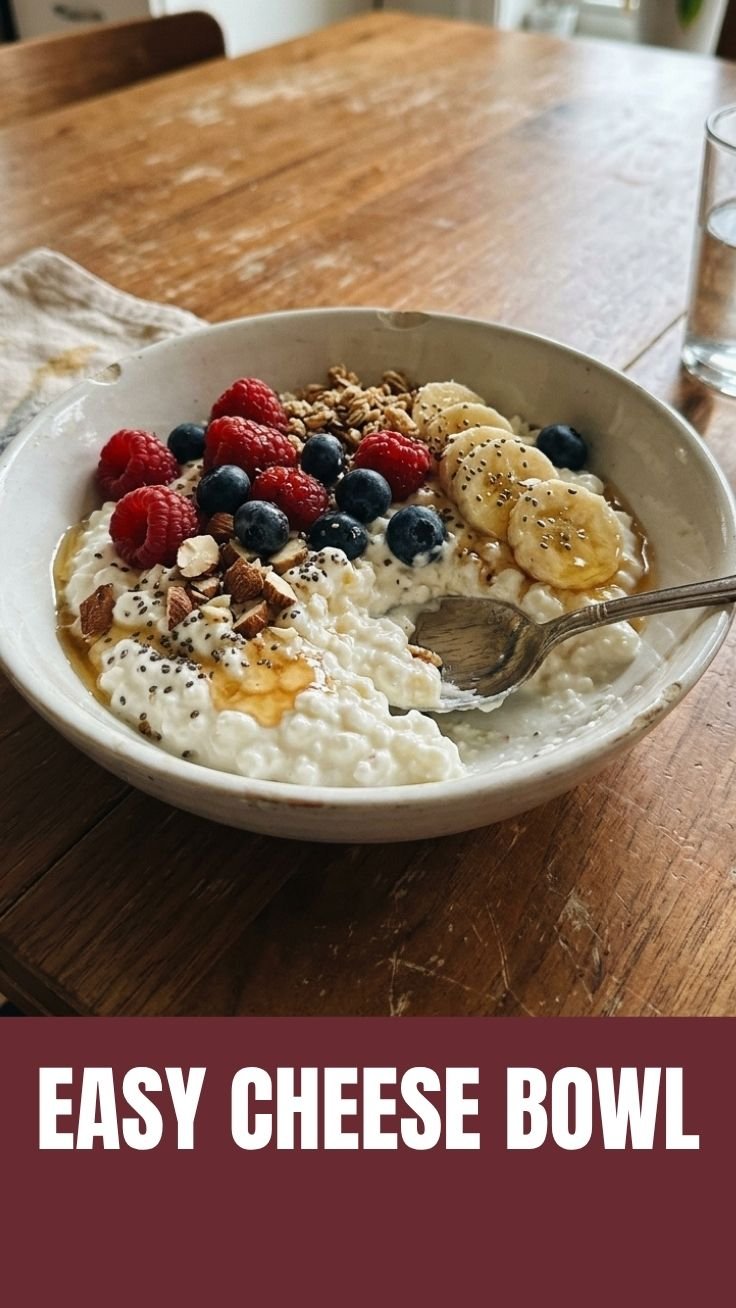
Scoop cottage cheese into a bowl.
Add a handful of fresh berries on top.
Sprinkle almonds over the bowl.
Drizzle honey for sweetness.
Sprinkle chia seeds for added nutrients.
Why Your Morning Needs This Savory Power Bowl (And It’s Not What You Think)
Have you ever wished for a breakfast that tastes indulgent but fuels you like a pre‑workout shake? Enter the high protein cottage cheese bowl —a dish that’s equal parts creamy, crunchy, and satisfying. While cottage cheese has long been a dieter’s staple, today’s bowls have evolved into flavor‑packed meals that rival any avocado toast or omelette. Preparing it at home puts you in control of the protein punch, sodium levels, and toppings, making it a wallet‑friendly alternative to trendy café bowls that cost $15. Whether you’re meal‑prepping for the week or need a 5‑minute lunch, this bowl delivers muscle‑repairing casein protein with every spoonful. And if you’re looking for more inspiration, you can explore a world of cottage cheese bowl recipes that range from sweet berry blends to savory Mediterranean stacks. But first, let’s build the ultimate high‑protein version.
—
Ingredients & Kitchen Tools
Base Ingredients
– 1 cup full‑fat cottage cheese (4‑% milkfat – provides creaminess and longer satiety; low‑fat works but yields a thinner texture)
– 2 large eggs (pasture‑raised for richer flavor; adds 12 g protein)
– ½ cup cherry tomatoes, halved (burst of acidity; sub with sun‑dried tomatoes for intensity)
– ¼ cup chopped cucumber (adds crunch; use zucchini if avoiding nightshades)
– 1 tablespoon olive oil (for sautéing eggs; avocado oil works too)
– Salt, black pepper, and red pepper flakes (to taste)
– Optional add‑ins: sliced avocado, smoked salmon, fresh dill, everything‑bagel seasoning
Tools & Utensils
– Non‑stick skillet (8‑inch)
– Small mixing bowl
– Spatula
– Cutting board and knife
– Measuring spoons
– Serving bowl (wide, shallow works best for layering)
Substitution Notes
– Dairy‑free: Use a firm silken tofu blended with nutritional yeast in place of cottage cheese, but note the protein content drops.
– Egg‑free: Replace eggs with ½ cup canned chickpeas (drained and pan‑fried) for a different texture.
—
Prep Time & Cooking Schedule
– Prep time: 5 minutes (wash veggies, halve tomatoes, chop cucumber)
– Cook time: 7 minutes (eggs and optional toppings)
– Assembly: 2 minutes
– Total: 14 minutes from fridge to table
This timeline is perfect for busy mornings. While the eggs cook, you can drain and season the cottage cheese for a creamier base. No waiting for marination or resting—this bowl is built for speed.
Pro tip: If you meal‑prep, store the cottage cheese and cooked eggs separately (instructions below). Assemble fresh to avoid soggy toppings.
—
Step‑by‑Step Instructions
1. Prepare the cottage cheese base
Spoon the cottage cheese into your serving bowl. If you prefer a smoother texture, give it a quick stir (don’t blend – you want distinct curds for bite). Season with a pinch of salt and pepper. For extra depth, stir in a drop of truffle oil or a squeeze of lemon.
2. Cook the eggs to your liking
Heat olive oil in a non‑stick skillet over medium heat. Crack the eggs directly into the pan. For sunny‑side up, cook 2‑3 minutes until whites set but yolks remain runny. For firmer yolks, cover the pan for 1 minute. Temperature cue: if the oil smokes, lower the heat – eggs should sizzle gently.
3. Layer the vegetables
Arrange cherry tomatoes and cucumber over the cottage cheese. If you like roasted tomatoes, toss them in the hot skillet for 30 seconds after removing the eggs—they’ll soften without sacrificing crunch.
4. Top with eggs and finish
Slide the cooked eggs onto the vegetables. Sprinkle with red pepper flakes, fresh herbs, or everything‑bagel seasoning. Drizzle with extra olive oil or a squeeze of lemon.
5. Serve immediately
The contrast of warm eggs, cool cottage cheese, and crisp vegetables is the hallmark of a great high protein cottage cheese bowl. For additional variety, check out these creative cottage cheese bowl recipes that use smoked fish or roasted sweet potatoes.
Why this works: The proteins in eggs and cottage cheese complement each other—whey in the eggs digests quickly, while casein in the cottage cheese digests slowly, keeping you full for hours.
—
Nutritional Benefits & Advantages
This bowl packs approximately 35 g of protein per serving (based on full‑fat cottage cheese and two large eggs), making it an ideal post‑workout recovery meal or a satiating breakfast that curbs mid‑morning cravings. Key advantages:
– High in calcium (cottage cheese provides ~10% of daily needs per cup)
– Low in carbohydrates (under 8 g net carbs, perfect for keto or low‑carb lifestyles)
– Rich in leucine – the amino acid that triggers muscle protein synthesis
– Contains probiotics (live cultures in cottage cheese support gut health)
Compared to a typical granola‑heavy breakfast, this bowl has 3× the protein and fewer sugars, leading to more stable blood sugar levels throughout the day.
—
Tips, Variations & Cooking Advice
– Flavor twists: Swap tomatoes for roasted bell peppers or artichoke hearts. Add a tablespoon of pesto for an Italian flare.
– Alternative cooking methods: Make it a “scramble” by mixing eggs directly into the cottage cheese in the skillet—creates a fluffy, one‑pan meal.
– Portion changes: Double the cottage cheese and eggs for a higher‑protein lunch. Reduce egg to one if watching cholesterol.
– Dietary adaptations: Use lactose‑free cottage cheese (available at most groceries) for lactose sensitivity. For a vegan version, swap eggs with pan‑fried tofu cubes and use a vegan “cottage cheese” made from almonds or soy.
– Seasonal upgrades: In summer, add fresh basil; in fall, try roasted butternut squash cubes.
—
Common Mistakes to Avoid
1. Using watery cottage cheese – Drain excess liquid by letting it sit in a fine‑mesh strainer for 5 minutes. Otherwise, the bowl becomes soupy.
2. Overcooking the eggs – Hard, rubbery yolks ruin the creamy contrast. Pull eggs off heat when the white is set but the yolk still jiggles slightly.
3. Skipping seasoning – Cottage cheese is mild; without salt, pepper, and acid (lemon/vinegar), the bowl tastes flat.
4. Adding cold veggies directly from the fridge – Let tomatoes and cucumber sit at room temperature for 10 minutes to enhance flavor.
5. Layering hot eggs on top without a barrier – If you want to keep the cottage cheese cool, place the vegetables as a buffer between the eggs and the curds.
—
Storage & Meal Prep Tips
– Refrigeration: Store components separately – cottage cheese in an airtight container, cooked eggs in a zip‑top bag, and vegetables in a separate container. They stay fresh for up to 3 days.
– Freezing: Not recommended – cottage cheese changes texture (grains separate) and eggs become rubbery after freezing.
– Reheating: Warm only the eggs in a microwave for 20‑30 seconds or in a skillet. Add the cottage cheese and veggies afterward to maintain their cool, fresh crunch.
– Meal‑prep hack: Make 4 portions on Sunday – portion out cottage cheese and chopped vegetables into individual containers. Cook eggs fresh each morning (takes 3 minutes) for the best texture.
—
Conclusion
Building a high protein cottage cheese bowl is one of the fastest ways to hit your daily protein goal without sacrificing taste. With just a handful of ingredients and under 15 minutes, you get a meal that’s as suitable for a busy weekday as it is for a lazy Sunday brunch. The beauty lies in its adaptability—once you master the base, you can experiment with endless cottage cheese bowl recipes that keep boredom at bay. Try it tomorrow morning, snap a photo, and share your favorite topping combination. Your muscles (and taste buds) will thank you.
—
FAQs
1. Can I use flavored cottage cheese (e.g., pineapple)?
Yes, but be aware that sweet flavors clash with savory toppings. Stick to plain or lightly salted cottage cheese for this recipe.
2. How do I make this bowl dairy‑free?
Use a thick plant‑based yogurt (coconut or soy) mixed with a pinch of salt and lemon juice as a cottage cheese substitute. Nutritional yeast adds a cheesy note.
3. Can I meal‑prep the entire bowl?
You can chop veggies and portion cottage cheese up to 3 days ahead, but cook eggs fresh. Pre‑cooked eggs stored more than 24 hours develop a sulfur taste.
4. Why is my cottage cheese watery?
Different brands have varying moisture levels. Strain it through a cheesecloth for 10 minutes, or choose a “dry curd” variety available at specialty stores.
5. What other proteins can I add?
Smoked salmon, grilled chicken strips, or canned tuna work beautifully. Adjust seasoning to complement – dill with salmon, paprika with chicken.
Proven way to grow a 20g high protein cottage cheese bowl
Equipment
- bowl
- measuring cups/spoons
Ingredients
Main Ingredients
- 1 cup cottage cheese
- 1/2 cup berries fresh or frozen
- 1/4 cup nuts chopped
- 1 teaspoon honey optional
Instructions
Assembly
- In a bowl, combine the cottage cheese, berries, and nuts.
- If desired, drizzle with honey and serve immediately.