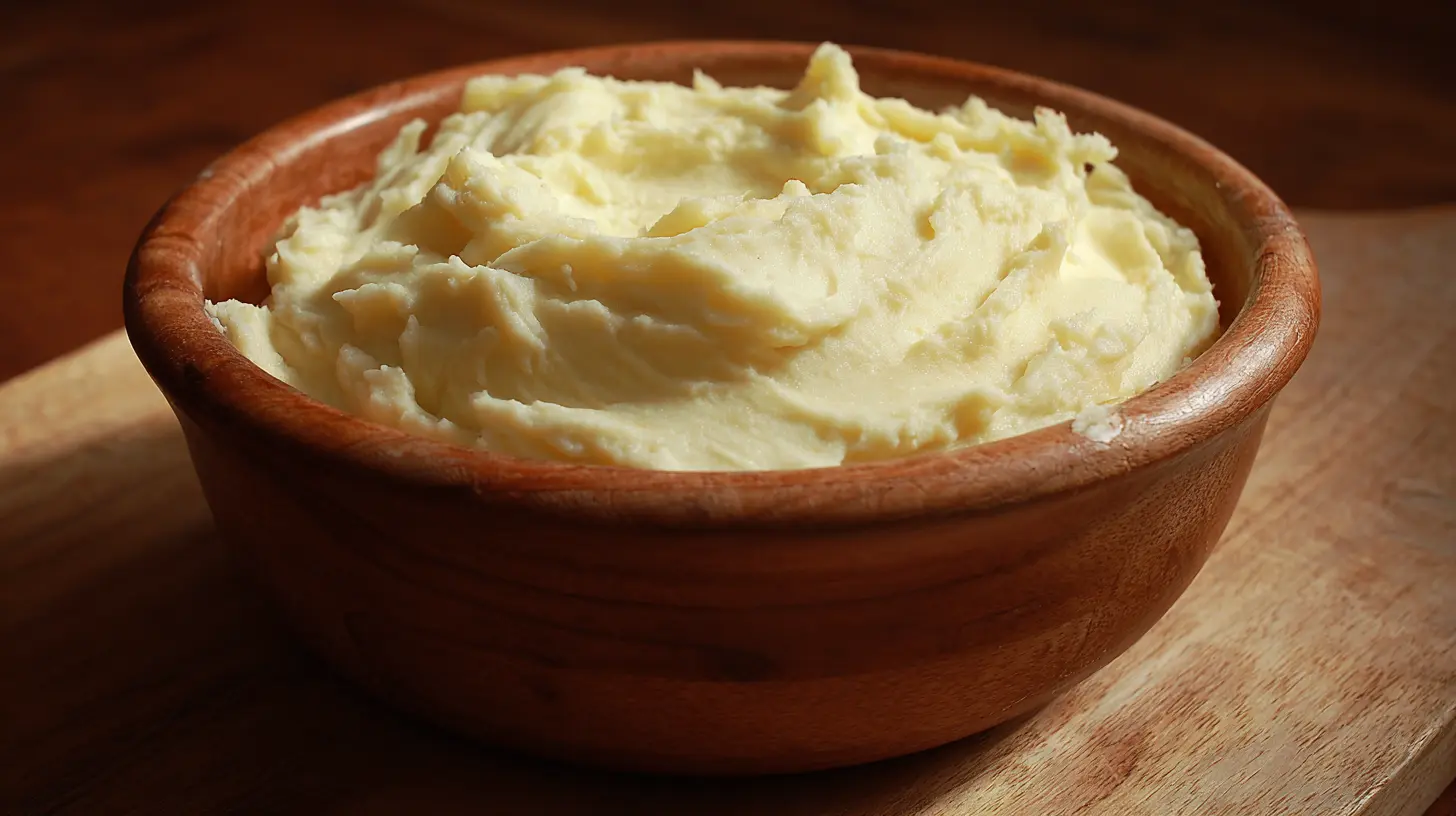
Proven way to grow 5-Star Mashed Potatoes
Learn how to make creamy and delicious mashed potatoes.
Potatoes
Butter
Milk
Salt
Pepper
Peel and chop the potatoes into small chunks.
Boil the potatoes until tender.
Drain the potatoes and mash them with a potato masher.
Add butter, milk, salt, and pepper to the mashed potatoes.
Mix everything until smooth and creamy.
The Ultimate Guide to Making Perfect Creamy Mashed Potatoes at Home
Have you ever wondered how restaurants achieve that silky-smooth texture in their Mashed Potatoes that seems impossible to recreate at home? Creating the perfect Mashed Potatoes Recipe is actually simpler than you might think, requiring just a few key techniques and quality ingredients. This comfort food staple has graced dinner tables for generations, and for good reason – it’s versatile, satisfying, and pairs beautifully with countless main dishes. Let’s explore how to elevate this humble side dish into something truly spectacular.
Ingredients & Kitchen Tools
For the potatoes:
– 2 pounds Yukon Gold potatoes (russets work too, but yield a different texture)
– 4 tablespoons unsalted butter, at room temperature
– ½ cup whole milk or heavy cream (warmed)
– Salt and freshly ground black pepper, to taste
– Optional: 2 tablespoons sour cream or cream cheese for extra richness
– Optional: 1-2 cloves roasted garlic or 1 teaspoon garlic powder
– Optional: Fresh herbs like chives, parsley, or rosemary for garnish
Kitchen tools needed:
– Large pot for boiling potatoes
– Colander or strainer
– Potato masher or ricer (for the smoothest results)
– Wooden spoon or silicone spatula
– Measuring cups and spoons
– Small saucepan (for warming milk/cream)
Prep Time & Cooking Schedule
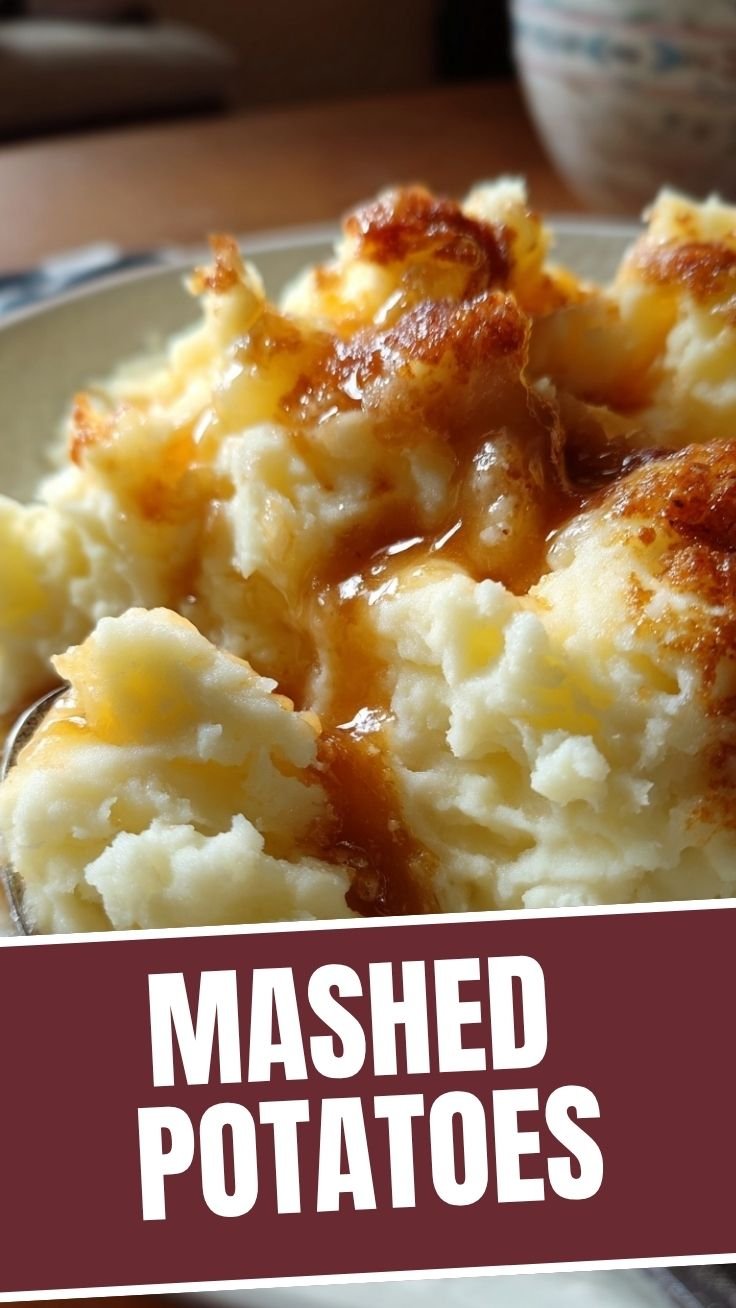
– Prep time: 15 minutes (peeling and cutting potatoes)
– Cook time: 20-25 minutes (boiling potatoes until fork-tender)
– Total time: Approximately 40 minutes
This timing makes mashed potatoes perfect for preparing while your main dish is cooking. You can also make them slightly ahead and keep warm in a covered dish over very low heat or in a warm oven.
Step-by-Step Instructions
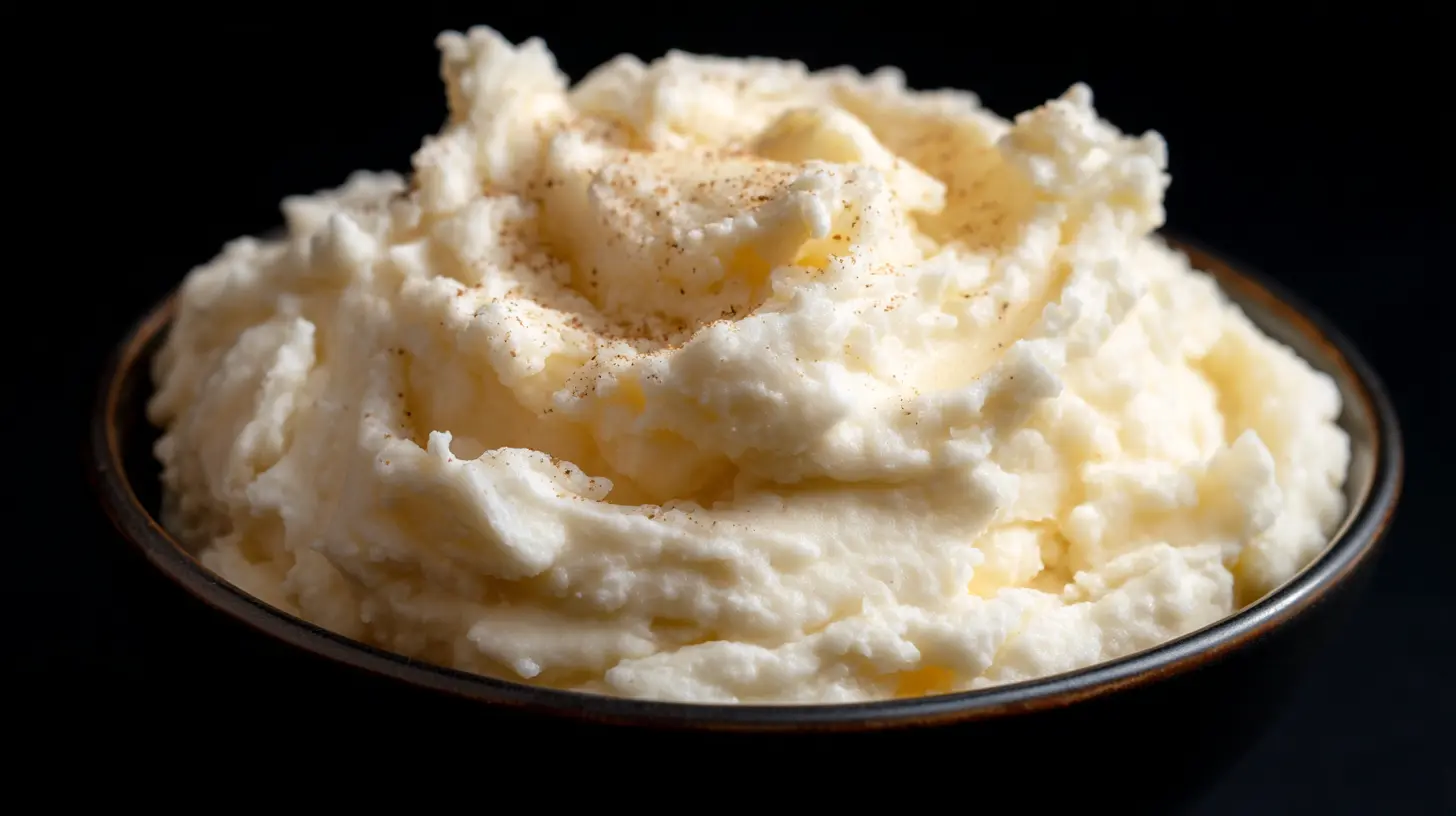
1. Prepare the potatoes: Peel the potatoes and cut into evenly sized 1-inch chunks. Even sizing ensures uniform cooking.
2. Cook properly: Place potato pieces in a large pot and cover with cold water by about an inch. Add 1 tablespoon of salt to the water. Starting with cold water helps the potatoes cook evenly from inside out.
3. Boil gently: Bring to a boil over medium-high heat, then reduce to a simmer. Cook until potatoes are fork-tender, about 15-20 minutes. They should offer no resistance when pierced.
4. Drain thoroughly: Drain the potatoes well in a colander, then return them to the hot pot. Let them sit for 1-2 minutes to allow excess moisture to evaporate – this key step prevents watery Mashed Potatoes.
5. Mash while hot: For the perfect Mashed Potatoes Recipe, work quickly while potatoes are still hot. Use a potato ricer for ultra-smooth results, or a masher for more rustic texture.
6. Add warm dairy gradually: Add the room-temperature butter first, then slowly incorporate the warm milk or cream while gently stirring. Using cold dairy can make potatoes gummy.
7. Season thoughtfully: Add salt and pepper to taste, keeping in mind that potatoes need generous seasoning. Add any optional additions like roasted garlic or herbs.
8. Final whip (optional): For extra fluffiness, use a wooden spoon to give the potatoes a final vigorous stir, incorporating air.
Nutritional Benefits & Advantages
Potatoes are often underestimated nutritionally, offering significant potassium, vitamin C, and B6. They provide sustained energy through complex carbohydrates and contain fiber, particularly when prepared with skins on. While traditional mashed potatoes with full-fat dairy create a more indulgent dish, lighter versions can be made with reduced-fat milk and less butter without sacrificing too much flavor.
Tips, Variations & Cooking Advice
– Flavor upgrades: Add roasted garlic, caramelized onions, horseradish, or wasabi for unexpected flavor dimensions.
– Dairy alternatives: Try olive oil and vegetable broth for a vegan version, or plant-based milk and vegan butter substitutes.
– Texture options: For rustic potatoes, leave some skin on and mash less thoroughly. For ultra-silky results, use a food mill or ricer followed by a brief whip.
– Make-ahead strategy: Prepare earlier in the day, then reheat slowly with a splash of extra liquid while stirring frequently.
Common Mistakes to Avoid
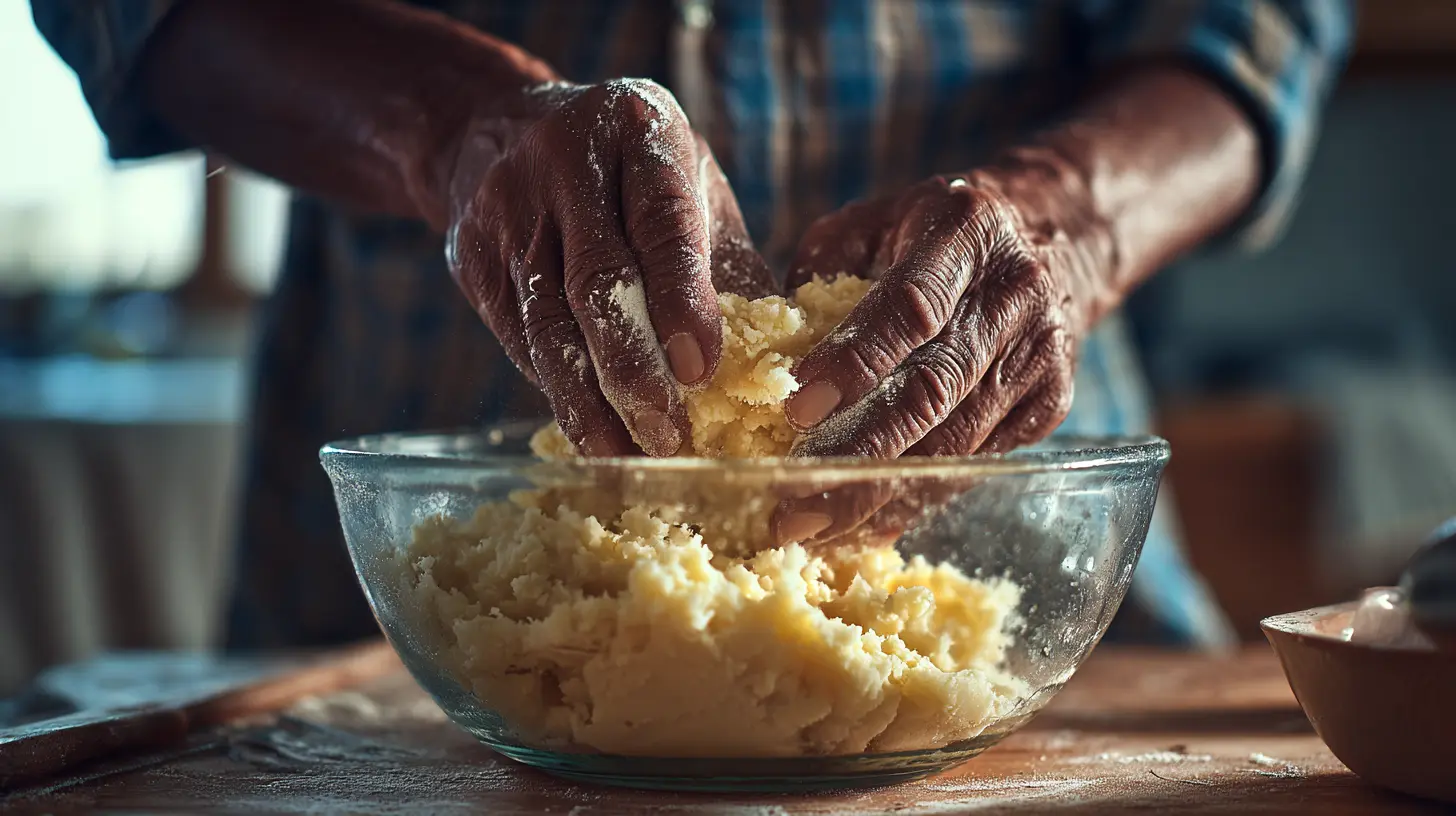
1. Waterlogged potatoes: Starting potatoes in boiling water or not drying them post-draining leads to soggy results.
2. Overworking the potatoes: Excessive mashing or using a food processor breaks down too much starch, creating a gluey texture.
3. Cold dairy additions: Adding refrigerator-cold butter or milk causes potatoes to seize up and lose their creamy potential.
4. Under-seasoning: Potatoes need more salt than you might think; taste and adjust repeatedly.
Storage & Meal Prep Tips
Refrigerate leftover mashed potatoes in an airtight container for up to 3-4 days. To reheat, add a small amount of milk or butter and warm slowly over low heat, stirring frequently. For freezing, portion into airtight containers and freeze for up to 1 month. Thaw overnight in the refrigerator before reheating gently with added moisture.
Conclusion
Mastering the art of Mashed Potatoes is a culinary skill worth perfecting. With these techniques, you’ll consistently achieve creamy, flavorful results that elevate any meal. The beauty of this Mashed Potatoes Recipe lies in its simplicity and adaptability – from everyday family dinners to holiday feasts, these potatoes are guaranteed to impress. We encourage you to experiment with different add-ins and techniques until you find your perfect version of this timeless classic.
FAQs
Can I make mashed potatoes ahead of time?
Yes, you can prepare them up to 24 hours ahead. Reheat slowly with additional liquid while stirring frequently to restore creaminess.
Why did my mashed potatoes turn out gluey?
Overworking potatoes, especially with high-powered appliances like food processors, releases too much starch and creates a gummy texture. Use a gentler mashing method instead.
Can I use non-dairy milk for mashed potatoes?
Absolutely! Unsweetened almond milk, oat milk, or coconut milk work well. Just ensure they’re not flavored varieties that could affect the taste.
How do I fix mashed potatoes that are too runny?
Return them to low heat in the pot and stir gently until excess moisture evaporates. Alternatively, add a small amount of instant potato flakes to thicken.
What’s the best potato variety for mashing?
Yukon Golds offer the perfect balance of starchiness and waxiness for creamy, flavorful results. Russets create fluffier potatoes, while waxy varieties like red potatoes yield a more textured mash.
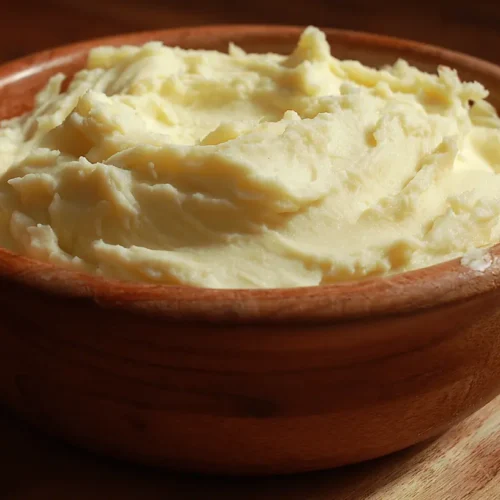
Proven way to grow 5-Star Mashed Potatoes
Equipment
- Large Pot
- Colander
- Potato Masher
- Small Saucepan
Ingredients
Main Ingredients
- 2 lbs Russet potatoes
- 0.5 cup Butter
- 0.5 cup Milk
- Salt and pepper to taste
Instructions
Preparation
- Wash, peel, and cut the potatoes into 1-inch pieces to ensure even cooking.
- Place the potato pieces in a large pot and cover with cold water, adding a pinch of salt.
Cooking
- Bring the water to a boil, then reduce heat and simmer until potatoes are fork-tender, about 15-20 minutes.
- Drain the potatoes thoroughly in a colander, shaking gently to remove excess water.
Mashing
- Return the drained potatoes to the pot and mash them using a potato masher until smooth.
- Heat the butter and milk in a separate small saucepan until warm.
Finishing
- Pour the warm butter and milk mixture over the mashed potatoes, stirring gently until combined.
- Season with salt and pepper to taste, mixing well before serving.