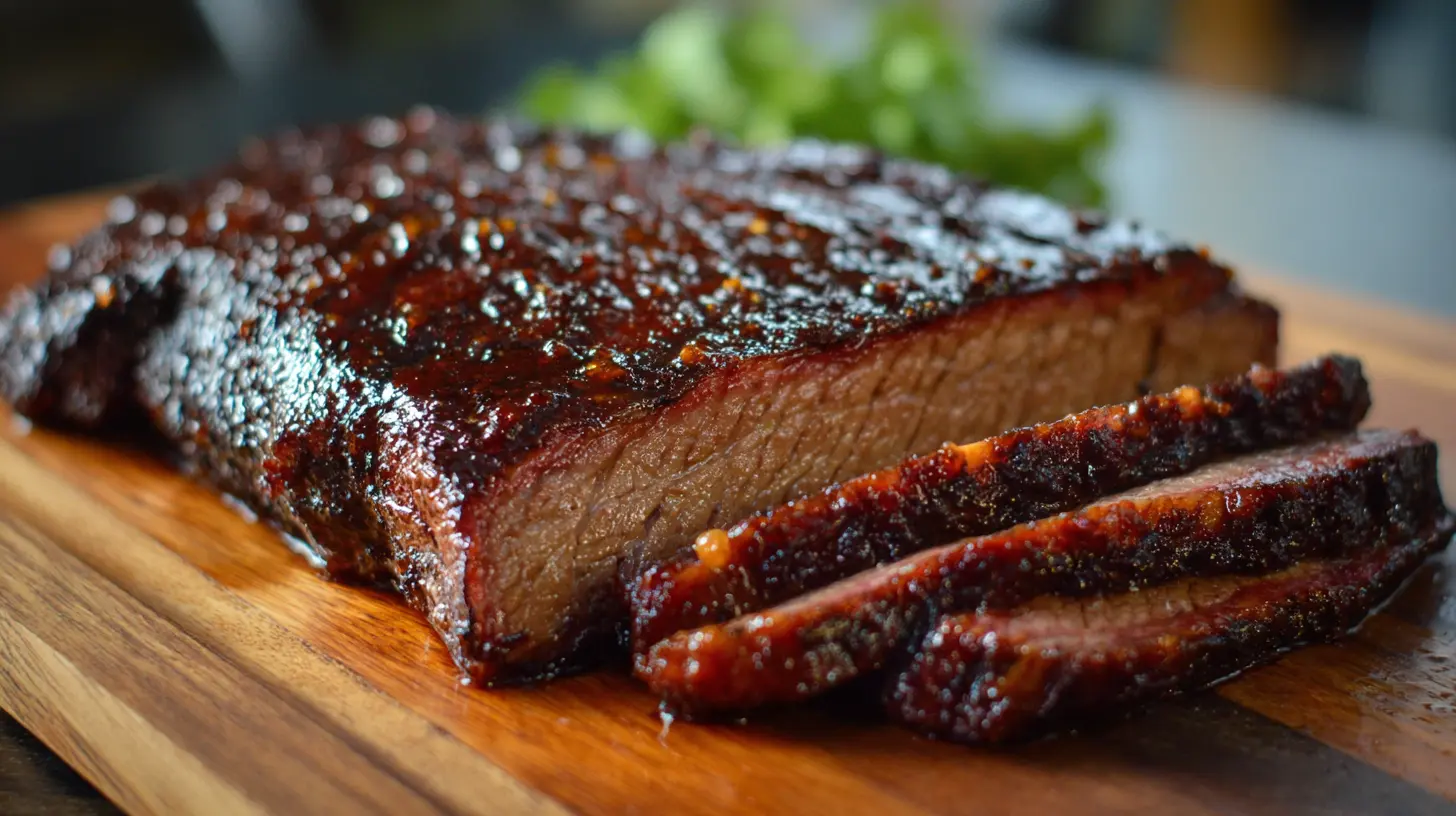
Proven way to grow your BBQ Brisket in 5 steps
Learn how to make juicy BBQ brisket with this simple recipe.
Brisket
BBQ Sauce
Brown Sugar
Garlic Powder
Onion Powder
Salt
Pepper
Preheat the oven to 300°F.
Season the brisket with salt, pepper, garlic powder, and onion powder.
Coat the brisket with BBQ sauce and brown sugar.
Bake the brisket for 4 hours, covered with foil.
Uncover the brisket and bake for an additional 1 hour until it is tender.
The Ultimate Guide to Texas-Style BBQ Brisket
There’s something magical about the smell of a perfectly cooked brisket wafting through the air. Have you ever wondered how to achieve that perfect smoke ring and melt-in-your-mouth texture at home? Learning to master BBQ Brisket is a culinary journey worth taking. The rich flavors and tender texture of a properly prepared Smoked Brisket can transform an ordinary weekend into a memorable feast for family and friends. This guide will walk you through every step of the process to help you achieve backyard barbecue excellence.
Ingredients & Kitchen Tools
For the Brisket:
– 12-14 pound whole beef brisket (look for good marbling)
– 1/4 cup kosher salt (Diamond Crystal recommended)
– 1/4 cup freshly ground black pepper
– 2 tablespoons garlic powder
– 2 tablespoons onion powder
– Optional: 1 tablespoon paprika for color
Kitchen Equipment:
– Smoker (offset, pellet, or kamado-style)
– Digital meat thermometer with probe
– Butcher paper or heavy-duty aluminum foil
– Spray bottle for spritzing
– Large cutting board
– Sharp slicing knife
– Wood chunks or pellets (oak, hickory, or post oak recommended)
– Heat-resistant gloves
– Large aluminum drip pan
Prep Time & Cooking Schedule
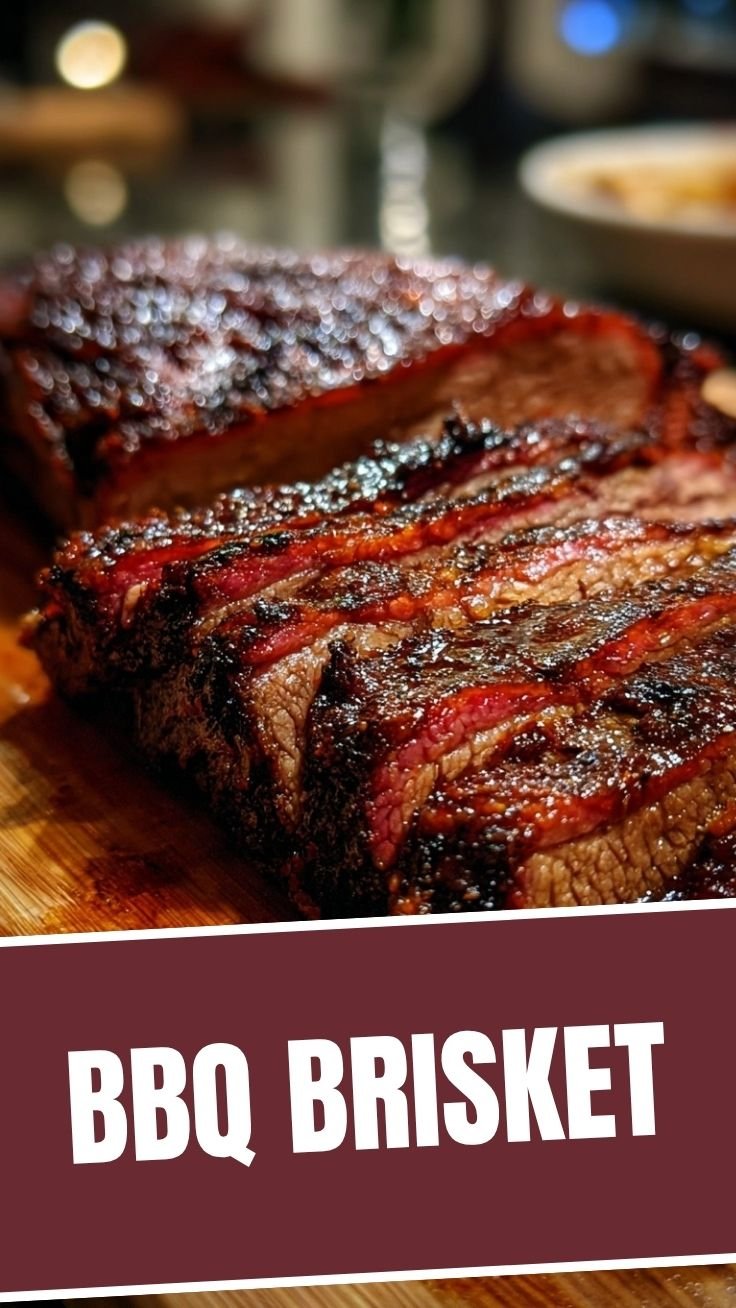
Total Time: 12-16 hours
– Preparation: 30 minutes
– Trimming: 20-30 minutes
– Seasoning: 10 minutes
– Resting before cooking: 1 hour (optional)
– Smoking: 8-12 hours (plan for approximately 1 hour per pound)
– Resting after cooking: 1-2 hours (minimum)
This is a weekend project that requires planning. Start early in the morning or even the night before for larger cuts to ensure your brisket is ready for dinner.
Step-by-Step Instructions
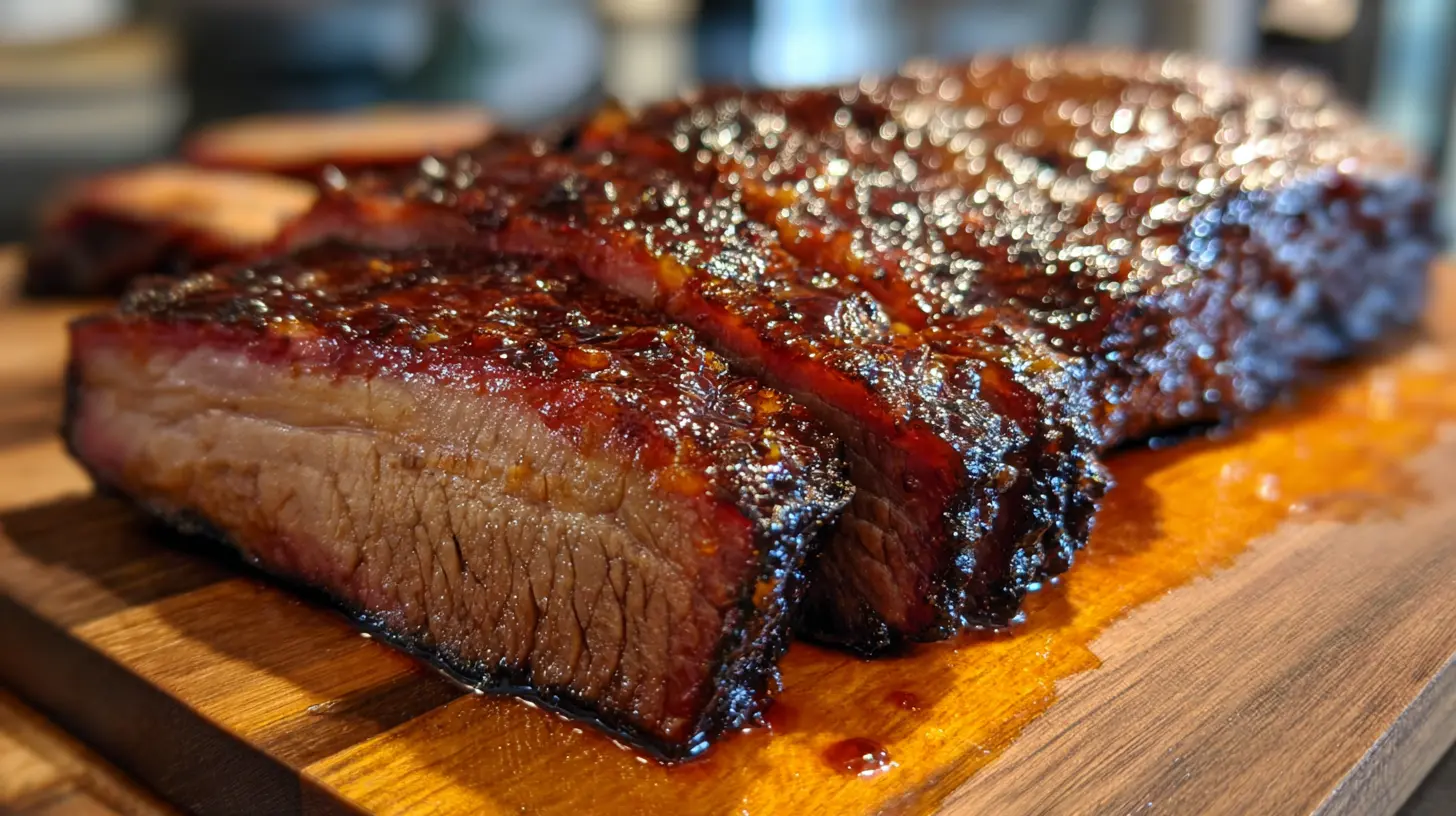
1. Trim the brisket: Remove excess fat, leaving about 1/4 inch fat cap. Trim the hard fat between the point and flat sections.
2. Season generously: Mix salt and pepper for a classic Texas-style rub. Apply evenly on all sides of the brisket, pressing gently to adhere.
3. Prepare your smoker: Heat to 225°F (107°C). Add wood chunks or pellets according to your smoker’s instructions.
4. Place the brisket: Position fat cap up or down depending on your smoker’s heat source (fat should face the heat). Insert your thermometer probe into the thickest part of the flat.
5. Maintain temperature: Keep your smoker between 225-250°F throughout the cooking process. A steady temperature is crucial for a perfect BBQ Brisket.
6. The stall: Around 165°F internal temperature, your Smoked Brisket will hit “the stall” where the temperature plateaus. This is normal and can last several hours.
7. Wrap: When the bark is dark and the internal temperature reaches 165-170°F, wrap tightly in butcher paper or foil.
8. Continue cooking: Return to smoker until internal temperature reaches 203°F in the thickest part.
9. Rest: Remove from smoker, keep wrapped, and rest for at least 1 hour, preferably 2 hours, in a cooler (no ice).
10. Slice: Cut against the grain in pencil-thickness slices for the perfect texture.
Nutritional Benefits & Advantages
Beef brisket provides substantial protein, essential for muscle maintenance and growth. It contains B vitamins, zinc, and iron, supporting energy metabolism and immune function. The slow-cooking process allows fat to render, creating a more balanced nutritional profile. A 3-ounce portion typically provides:
– Protein: 28g
– Fat: 15g (varies with trimming)
– Iron: 15% of daily value
– Zinc: 30% of daily value
Tips, Variations & Cooking Advice
– Wood varieties: Oak provides a medium smoke flavor, hickory offers stronger smoke notes, and fruit woods like cherry add subtle sweetness.
– Injection: For extra moisture, inject beef broth or apple juice before cooking.
– Spritz options: Use apple cider vinegar, apple juice, or beef broth every hour after the first 3 hours.
– Flavor variations: Add coffee grounds to your rub for depth, or incorporate chili powder for heat.
– Serving suggestions: Pair with simple sides like pickles, onions, white bread, and a vinegar-based coleslaw.
Common Mistakes to Avoid
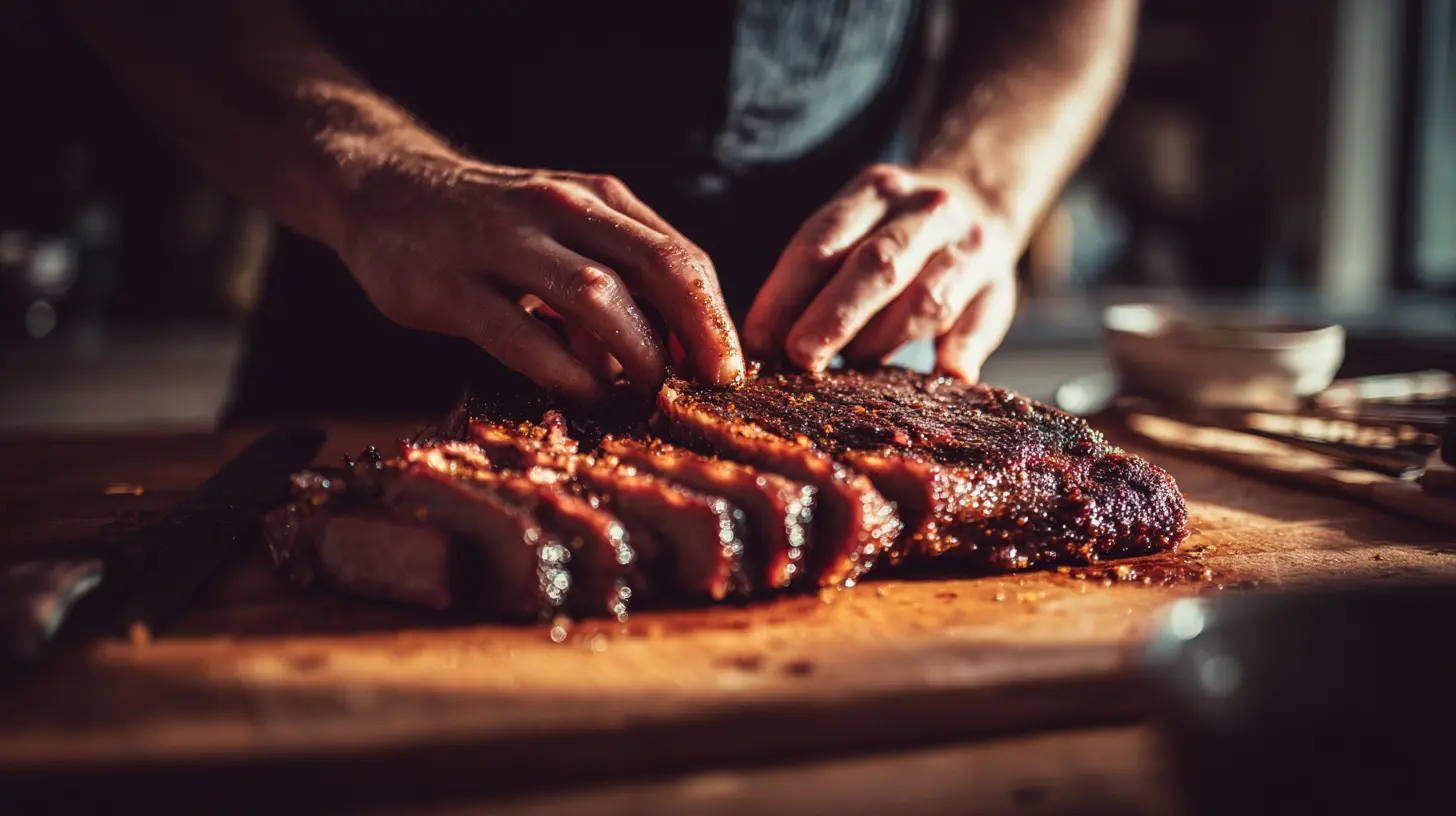
1. Rushing the cook: Patience is key. Never increase temperature to speed up cooking.
2. Opening the smoker too often: This releases heat and extends cooking time.
3. Skipping the rest period: This crucial step allows juices to redistribute.
4. Cutting with the grain: Always slice against the grain for tenderness.
5. Trimming too little fat: Excess fat won’t render properly during cooking.
Storage & Meal Prep Tips
– Refrigeration: Store leftovers in airtight containers for 3-4 days.
– Freezing: Vacuum seal portions and freeze for up to 3 months.
– Reheating: Wrap in foil with a splash of beef broth and warm in a 275°F oven until it reaches 165°F.
– Meal prep: Slice and portion cooled brisket for easy weekday meals.
Conclusion
Mastering BBQ Brisket requires patience, practice, and attention to detail, but the results are well worth the effort. The journey from raw meat to perfectly tender Smoked Brisket is a rewarding culinary adventure that will earn you pitmaster status among friends and family. Remember that each brisket is unique, so use these guidelines as a starting point and adjust based on your equipment and preferences. Don’t be discouraged if your first attempt isn’t perfect – even experienced pitmasters learn something new with each cook.
FAQs
Can I cook brisket in a regular oven instead of a smoker?
Yes, you can use an oven set to 275°F, but you’ll miss the authentic smoke flavor. Consider adding liquid smoke to your rub or using a stovetop smoker first.
How do I know when my brisket is done without a thermometer?
The “probe test” is your best alternative – the brisket is done when a probe or toothpick slides into the meat with minimal resistance, like pushing into warm butter.
What’s the difference between the point and the flat?
The point is the thicker, fattier section with more marbling, while the flat is leaner and more uniform. Each requires different slicing techniques.
My brisket came out dry. What went wrong?
Possible causes include overcooking, not enough fat, cooking at too high a temperature, or inadequate resting time.
Can I use a gas grill to smoke a brisket?
Yes, by creating a two-zone setup and using wood chips in a smoker box, though maintaining consistent low temperature may be challenging.
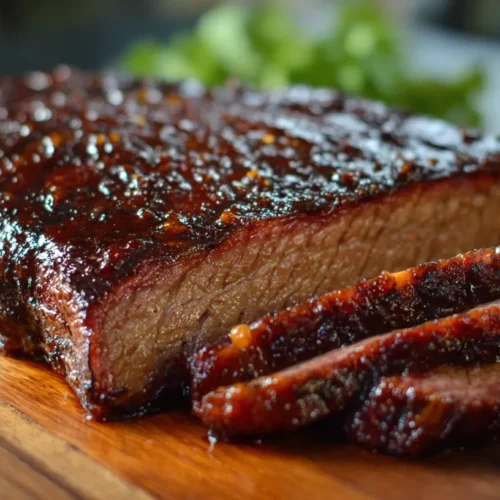
BBQ Brisket
Equipment
- Smoker
- Meat Thermometer
- Cutting Board
- Sharp Knife
Ingredients
For the Brisket
- 10 lbs Beef Brisket flat or packer cut
- 1/4 cup Coarse Salt
- 1/4 cup Black Pepper
- 2 tbsp Garlic Powder
For the Water Pan (Optional)
- 1 cup Apple Cider Vinegar
- 3 cups Water
For Wrapping (Optional)
- Butcher Paper or foil
Instructions
Preparation
- Trim excess fat from the brisket, leaving about 1/4 inch of fat on the fat cap. Evenly apply the rub mixture of salt, pepper, and garlic powder to all sides of the brisket.
Smoking Process
- Preheat your smoker to 250°F (120°C) and place the brisket fat side up in the smoker. Place a water pan filled with apple cider vinegar and water in the smoker for moisture.
- Smoke the brisket for 6-8 hours or until an internal temperature of 160-170°F (71-77°C) is reached. At this point, the brisket will likely have developed a bark.
The Stall & Wrapping
- Once the brisket reaches the stall (around 150-170°F or 65-77°C), wrap it tightly in butcher paper or foil.
- Return the wrapped brisket to the smoker and continue cooking until it reaches an internal temperature of 200-205°F (93-96°C) and is probe tender.
Resting
- Remove the brisket from the smoker and let it rest, still wrapped, in a cooler for at least 1-2 hours.
Slicing & Serving
- Unwrap the brisket and slice it against the grain into 1/4 inch thick pieces. Serve immediately and enjoy your perfectly smoked BBQ brisket.