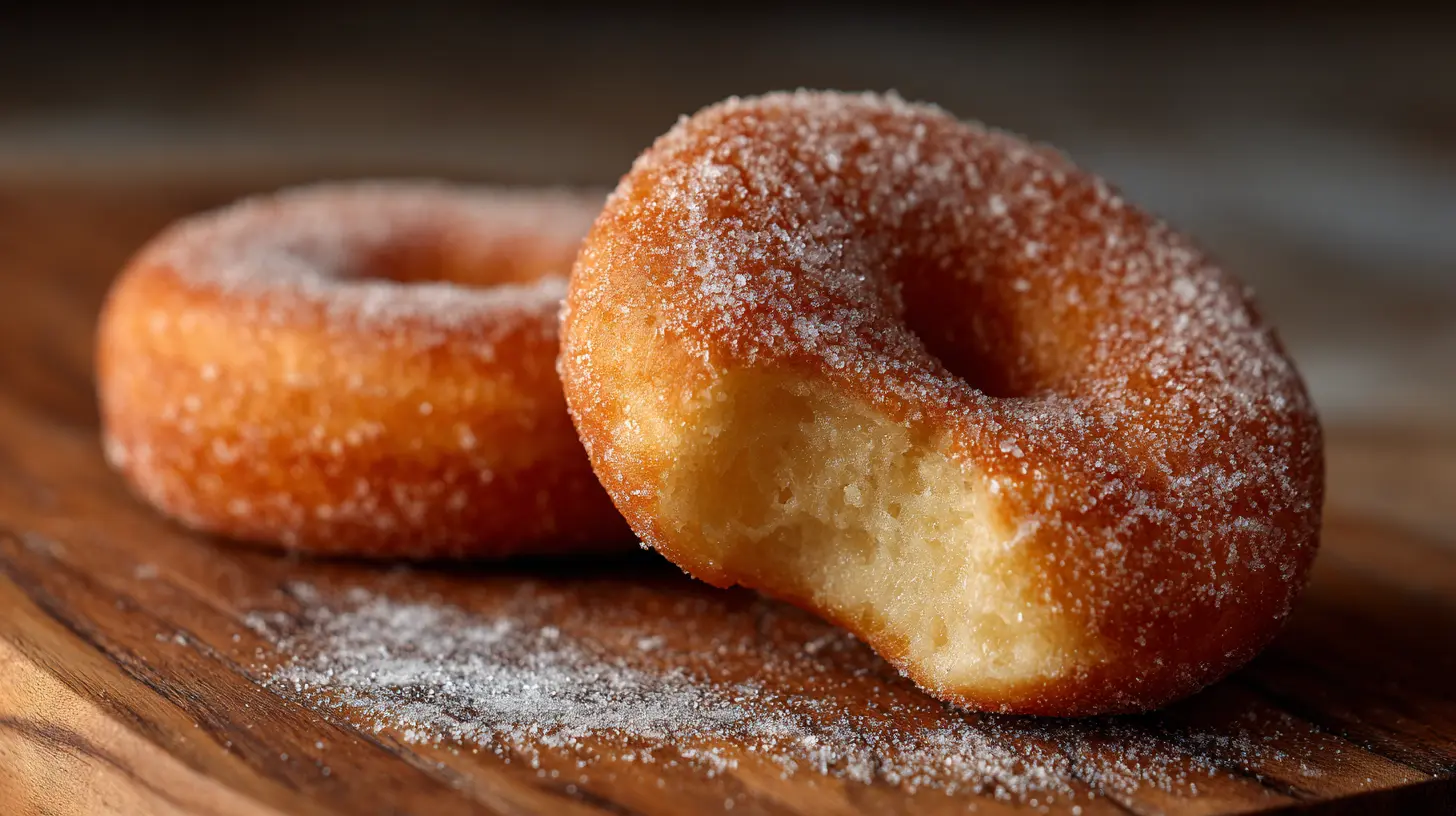
Yeast Doughnut Holes
Learn a quick way to make delicious yeast doughnut holes.
Flour
Yeast
Sugar
Milk
Oil
Vanilla Extract
Cinnamon
Mix flour, yeast, sugar, and milk in a bowl.
Let the dough rise until double in size.
Form dough into small balls.
Fry doughnut holes until golden brown.
Homemade Fluffy Yeast Doughnuts with Perfect Glaze
Have you ever experienced the pure joy of biting into a warm, freshly made doughnut that’s pillowy soft on the inside and delicately crisp on the outside? Making Yeast Doughnut at home offers an incomparable taste experience that store-bought versions simply can’t match. The process of creating these golden rings of perfection, topped with a sweet Doughnut Glaze, might seem intimidating at first, but I promise it’s well worth the effort. Let’s dive into this delightful culinary adventure that will fill your home with an irresistible aroma and your taste buds with pure satisfaction.
Ingredients & Kitchen Tools
For the Doughnuts:
- 3½ cups all-purpose flour (plus extra for dusting)
- 2¼ teaspoons active dry yeast (1 standard packet)
- ½ cup warm milk (around 110°F)
- ⅓ cup granulated sugar
- ¼ cup unsalted butter (melted)
- 3 large eggs (room temperature)
- 1 teaspoon salt
- 1 teaspoon vanilla extract
- Vegetable oil for frying (about 2 quarts)
For the Basic Glaze:
- 2 cups powdered sugar (sifted to remove lumps)
- ¼ cup milk
- 1 teaspoon vanilla extract
- Pinch of salt
Kitchen Tools:
- Stand mixer with dough hook attachment (or large mixing bowl)
- Rolling pin
- 3½-inch and 1½-inch round cutters (for doughnut shapes)
- Candy thermometer
- Cooling racks
- Parchment paper
- Deep heavy-bottomed pot
Prep Time & Cooking Schedule

- Prep time: 30 minutes
- Rising time: 2 hours (includes two rises)
- Cooking time: 2-3 minutes per batch
- Total time: About 3 hours
This recipe yields approximately 12-15 doughnuts. While the process isn’t quick, most of the time is hands-off while the dough rises. Plan to start in the morning for fresh afternoon treats, or prepare the dough the evening before and complete the final rise and frying in the morning.
Step-by-Step Instructions
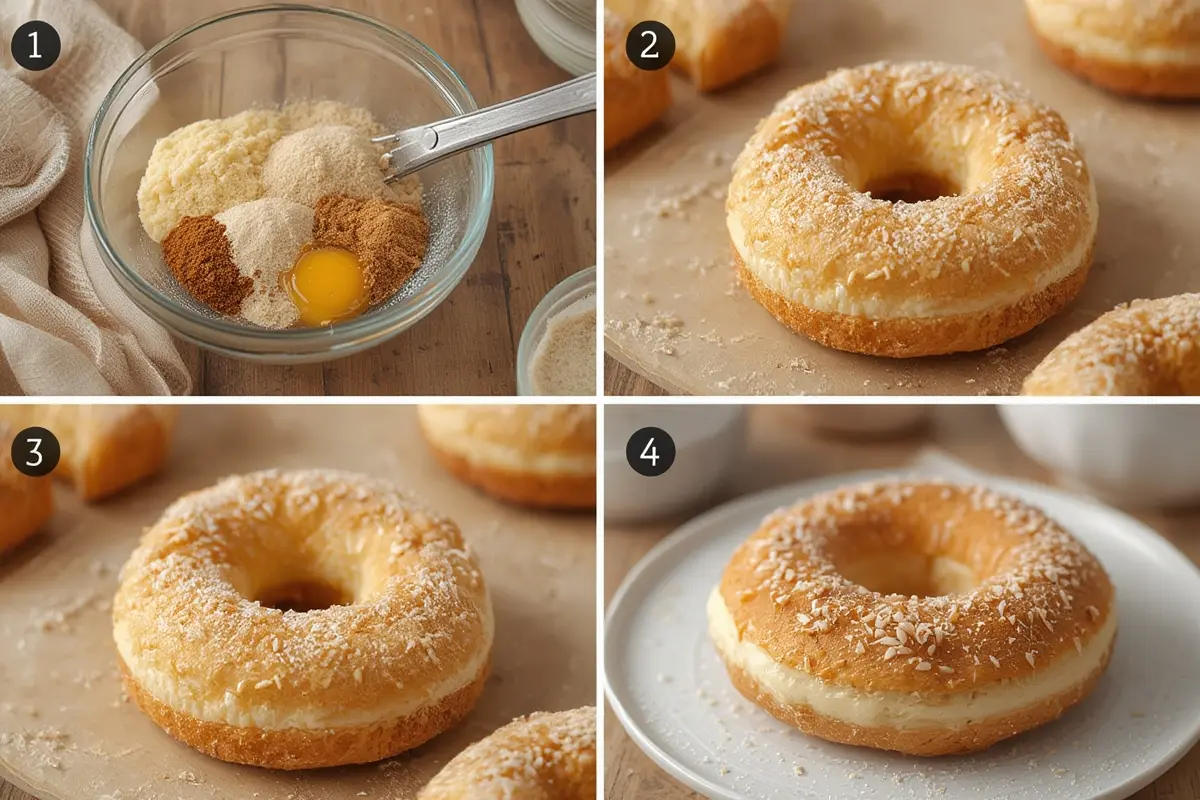
1. Activate the yeast: In the bowl of your stand mixer, combine warm milk, 1 tablespoon of the sugar, and yeast. Let stand for 5-10 minutes until foamy.
2. Mix the dough: Add the remaining sugar, melted butter, eggs, salt, and vanilla to the yeast mixture. Mix until combined. Gradually add flour while mixing on low speed until a soft dough forms.
3. Knead the dough: Using the dough hook, knead for 5-7 minutes until smooth and elastic. The perfect Yeast Doughnut dough should be slightly tacky but not stick to your fingers.
4. First rise: Transfer dough to a greased bowl, cover with plastic wrap, and let rise in a warm place for about 1 hour or until doubled in size.
5. Shape doughnuts: Punch down the dough and roll it out on a lightly floured surface to ½-inch thickness. Cut out doughnuts using the large cutter, then use the smaller cutter for the holes. Place cut doughnuts on parchment-lined baking sheets.
6. Second rise: Cover doughnuts loosely with plastic wrap and let rise for 30-45 minutes until puffy.
7. Fry the doughnuts: Heat oil to 350°F in a deep pot. Carefully drop doughnuts into hot oil, 2-3 at a time, cooking for 1-2 minutes per side until golden brown.
8. Prepare the Doughnut Glaze: While doughnuts cool slightly, whisk together powdered sugar, milk, vanilla, and salt until smooth.
9. Glaze: Dip the warm doughnuts into the glaze, allowing excess to drip off. Place on cooling rack until the glaze sets.
Nutritional Benefits & Advantages
While doughnuts are undeniably a treat, homemade versions offer better ingredient control. Using fresh eggs provides protein and essential nutrients. The frying process, when done at the correct temperature, actually seals the doughnut, resulting in less oil absorption than improperly fried commercial versions.
Tips, Variations & Cooking Advice
- Temperature control: The dough rises best at 75-78°F.
- Chocolate glaze: Add 3 tablespoons of cocoa powder to the basic glaze recipe.
- Maple glaze: Replace vanilla with maple extract and add 2 tablespoons of real maple syrup.
- Filling options: Try pastry cream, jam, or Nutella for filled variations.
- Dietary adaptations: For dairy-free versions, substitute plant-based milk and butter.
Common Mistakes to Avoid
- Oil temperature too low: Results in greasy, doughy doughnuts. Always maintain 350°F.
- Overworking the dough: Creates tough doughnuts. Mix just until ingredients are combined.
- Rushing the rise: Proper rising develops flavor and texture. Be patient.
- Overcrowding the fryer: Fry in small batches to maintain oil temperature.
Storage & Meal Prep Tips
Yeast doughnuts are best enjoyed fresh, ideally within hours of frying. If you must store them:
- Keep at room temperature in an airtight container for 1-2 days.
- Reheat briefly in the microwave (10 seconds) to restore softness.
- Freeze unglazed doughnuts for up to 3 months. Thaw at room temperature and glaze before serving.
Conclusion
Creating perfect Yeast Doughnut at home is a rewarding culinary achievement that combines simple ingredients with time-honored techniques. The satisfaction of watching golden rings of dough puff up in hot oil, then transforming them with a shimmering Doughnut Glaze, is unmatched. While they require patience, the results are well worth the effort—delivering freshness and flavor that commercial varieties simply can’t match. Share these homemade delights with loved ones, and you’ll create not just delicious treats, but memorable moments centered around the joy of cooking.
FAQs
Can I make the dough the night before?
Yes! After the first rise, shape the doughnuts, place them on baking sheets, cover, and refrigerate overnight. The next morning, let them come to room temperature for about 30 minutes before frying.
Why did my doughnuts deflate when I placed them in the oil?
This typically happens when the oil isn’t hot enough. Always use a thermometer to ensure it maintains 350°F, and handle the risen doughnuts gently to preserve the air bubbles.
Can I bake these instead of frying?
While possible, baking will produce a different texture. If baking, use a 375°F oven for about 12 minutes, but understand they’ll be more like sweet rolls than traditional doughnuts.
How can I tell when the doughnuts are perfectly cooked?
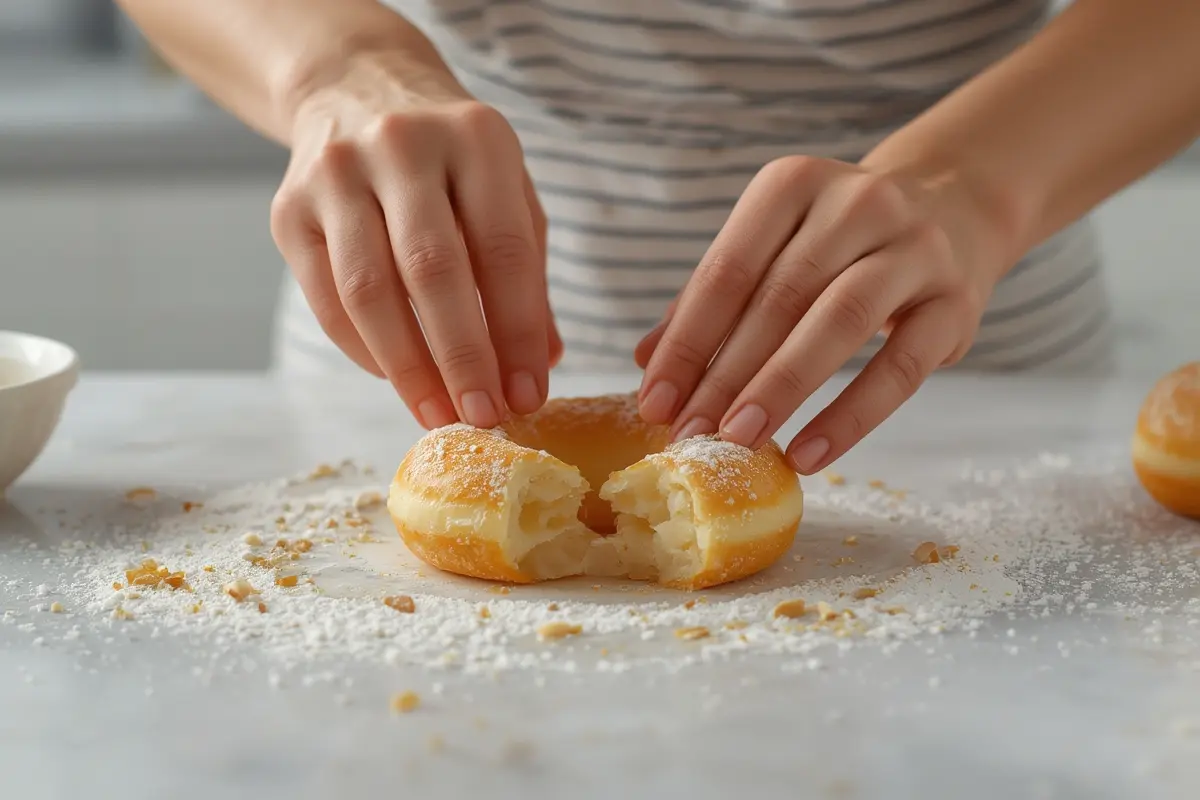
Properly cooked doughnuts have an internal temperature of 185-190°F and should be golden brown on the outside. If you don’t have a thermometer, break one open—it should be fluffy and not doughy.
Why is my glaze too runny/thick?
For the perfect consistency, add powdered sugar or milk in small increments until you achieve a glaze that coats the back of a spoon but still runs off smoothly.
Quick way to grow yeast doughnut holes. Yeast Doughnut
Equipment
- Large bowl
- Whisk
- Measuring cups and spoons
- Deep pot or Dutch oven
- Thermometer (for oil)
- Slotted spoon
- Wire rack
- Paper towels
- Round cutter or piping tip
- Shallow bowl
Ingredients
Doughnut Ingredients
- 2 cups All-purpose flour
- 1/4 cup Granulated sugar
- 2 1/4 teaspoons Active dry yeast
- 1/2 cup Warm milk (105-115°F)
- 1 Egg large
- 2 tablespoons Melted unsalted butter
- 1/2 teaspoon Salt
- Vegetable oil for frying
Glaze Ingredients
- 1 cup Powdered sugar
- 2 tablespoons Milk
- 1/2 teaspoon Vanilla extract
Instructions
Preparation
- In a large bowl, whisk together the warm milk and yeast; let it sit for 5 minutes until foamy.
- Add the sugar, egg, melted butter, and salt to the yeast mixture and whisk until well combined.
- Gradually add the flour, mixing until a soft, shaggy dough forms, then knead on a lightly floured surface for 5-7 minutes until smooth and elastic.
Proofing & Frying
- Place the dough in a lightly oiled bowl, cover, and let it rise in a warm place for about 30 minutes, or until doubled in size.
- Punch down the dough, then roll it to 1/2-inch thickness and cut out small circles using a round cutter or the wide end of a piping tip.
- Heat vegetable oil in a deep pot or Dutch oven to 350°F (175°C), then carefully fry the doughnut holes in batches for 2-3 minutes until golden brown and cooked through.
- Remove the fried doughnut holes with a slotted spoon and place them on a wire rack lined with paper towels to drain excess oil.
Glazing
- While the doughnut holes are cooling slightly, whisk together the powdered sugar, milk, and vanilla extract in a shallow bowl until smooth.
- Dip each warm doughnut hole into the glaze, turning to coat completely, then place back on the wire rack to allow the glaze to set.